

When you’re looking for a pet rat, friendliness is probably at the top of your wish list. You want a rat that’ll bond with you, enjoy being handled, and maybe even learn some tricks or ride around on your shoulder.
But with different rat varieties out there, you might wonder if some types are naturally friendlier than others. So what is the friendliest rat breed?
Standard fancy rats and Dumbo rats are the friendliest rat breeds. Both have been bred specifically as pets for generations, with breeders selecting for calm, social temperaments. Individual personality varies, but these two varieties consistently produce the most people-friendly rats.
The truth is, temperament depends more on breeding lines, early socialization, and individual personality than on variety alone. But certain types of rats have been developed with friendliness as a primary goal.
Why Standard Fancy Rats Are So Friendly
Standard fancy rats didn’t just appear out of nowhere. They’re the result of over a hundred years of selective breeding specifically for temperament and sociability.
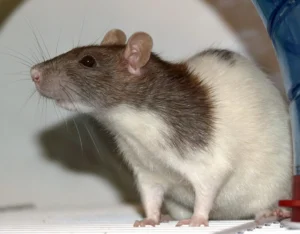
Early rat breeders chose the calmest, friendliest rats to reproduce. Generation after generation, they kept selecting for rats that enjoyed human interaction, weren’t easily scared, and had gentle dispositions.
This careful breeding means modern fancy rats are practically designed to be good pets. They’re naturally curious about humans rather than fearful, and they want to interact with you.
Most fancy rats will happily climb on you, explore your clothes, and seek out attention. They recognize their owners, come when called, and genuinely seem to enjoy human company.
Dumbo Rats Have Equally Great Temperaments
Dumbo rats are essentially fancy rats with a gene that moves their ears to the sides of their heads instead of on top. Since they come from the same breeding lines as standard fancy rats, they share the same friendly traits.
Some people even claim Dumbo rats are slightly calmer and more cuddly than standard rats, though there’s no scientific evidence for this. It might just be that their cute appearance makes people handle them more, which creates friendlier rats.
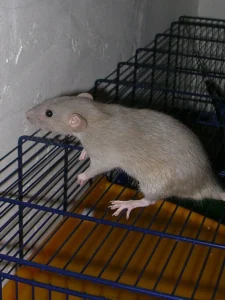
The ear placement doesn’t affect their personality, intelligence, or social behavior. A well-bred Dumbo rat will be just as friendly as a well-bred standard rat.
You’ll find the same range of personalities in Dumbo rats as you do in standard rats. Some are outgoing and adventurous, others are calm lap rats, and all form strong bonds with their owners.
Male Rats vs Female Rats for Friendliness
Within any variety, sex affects temperament in predictable ways. Both male and female rats can be extremely friendly, but they show it differently.
Male rats tend to be calmer, more laid-back, and more content to sit still for cuddles. They’re often described as “couch potato rats” who love lounging on your lap while you watch TV.
This relaxed nature makes male rats seem friendlier to people who want a chill, cuddly pet. They’re less likely to squirm away when you’re holding them and more likely to just fall asleep on you.
Female rats are equally affectionate but in a more energetic way. They’re busy, curious, and always want to explore. They’ll climb all over you, investigate your pockets, and groom your hands.
How Early Socialization Creates Friendly Rats
Here’s the thing about rat friendliness: genetics only go so far. Even the best-bred rat from the friendliest lines won’t be friendly if it’s not handled properly as a baby.
Rats that are held, played with, and exposed to different people and experiences between 2 and 6 weeks old grow up to be confident, friendly adults. This early handling is absolutely critical.

Rats that don’t get handled as babies often remain skittish and fearful of humans throughout their lives. They might never fully trust people, even with patient training.
This is why the source of your rat matters as much as the variety. A standard fancy rat from a good breeder who handles babies daily will be much friendlier than any variety from a place that doesn’t socialize their rats.
Why Some Varieties Aren’t as Friendly
Varieties that are bred more for appearance than temperament can end up with less consistent personalities. If breeders focus only on getting certain colors or fur types, they might accidentally select for nervous or aggressive traits.
Feeder rats (bred as snake food) are notorious for poor temperaments because nobody’s selecting for friendliness. They’re bred for quantity, and many are never handled at all before being sold.
Some exotic varieties or rare color morphs come from limited breeding stock, which can lead to inbreeding. Inbred rats sometimes have behavioral problems, including fearfulness or aggression.
This doesn’t mean these rats can’t be friendly, but you’re taking more of a gamble. With standard fancy rats or Dumbo rats from good breeders, you’re much more likely to get a friendly individual.
Signs of a Friendly Rat
When you’re choosing a rat, look for certain behaviors that indicate a friendly temperament. A friendly rat will approach the front of the cage when you come near, showing curiosity rather than fear.
They’ll take treats gently from your fingers without snatching or biting. When you reach in to pet them, they won’t run away or hide.
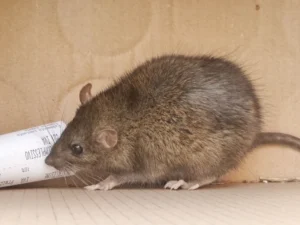
A well-socialized rat will climb onto your hand willingly and explore your arms when you hold them. They might groom your fingers, which is a sign of affection and trust.
Their body language should be relaxed. Ears forward (not pinned back), whiskers out to the sides (not pulled back against the face), and a loose body posture all indicate a calm, friendly rat.
Can You Make an Unfriendly Rat Friendly?
If you end up with a rat that’s scared or not particularly friendly, you can usually improve their temperament with patience and time.
Start by just sitting near their cage and talking softly. Let them get used to your presence without forcing interaction. Offer treats through the cage bars so they start associating you with good things.
Once they take treats comfortably, start offering treats from your hand inside the cage. Let them come to you rather than grabbing them.
Gradually work up to gentle petting, then short handling sessions. Some rats need weeks or months to fully trust humans, especially if they had bad early experiences.
Not every rat will become a super cuddly lap rat, but most can learn to trust you and enjoy your company with consistent, patient work.
Why Individual Personality Matters Most
Even within the friendliest breeds, individual personality varies hugely. Some rats are naturally outgoing and confident, while others are more reserved or cautious.
A calm, gentle rat might not be playful or adventurous, but they’ll be very cuddly and content to hang out with you. An energetic, curious rat might not sit still long, but they’ll entertain you with their antics.

Some rats are people-focused and want to be with you constantly. Others are more independent and prefer playing with other rats, though they still enjoy human interaction.
Think about what kind of personality you want in a pet. An outgoing, active rat might be perfect for someone who wants an entertaining pet to watch. A calm, cuddly rat is ideal for someone who wants a lap companion.
The Role of Genetics in Temperament
Good breeders keep detailed records of which rats produce the friendliest babies. If a female consistently has sweet-tempered offspring, she’s valuable for breeding.
Temperament is partly genetic, so breeding friendly rats to other friendly rats increases the chances of friendly babies. This is why established breeding lines from reputable breeders produce more consistent temperaments.
Ask breeders about the parents’ personalities. If both mom and dad are friendly, calm, and easy to handle, their babies are likely to be similar.
Avoid breeders who can’t or won’t show you the parents, or who breed rats that are aggressive or fearful. These traits can be passed down to the babies.
Age and Friendliness
Younger rats (under 6 months) tend to be more energetic and less cuddly than older rats. This doesn’t mean they’re not friendly, just that they’re busy and want to explore everything.
As rats mature (around 6 months to a year old), they often calm down and become more affectionate. Many rats that were too busy for cuddles as youngsters turn into lap rats as they age.
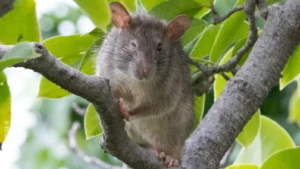
Senior rats (over 18 months) are usually the calmest and most cuddly. They’ve seen it all, they trust their owners completely, and they’re happy to just relax with you.
If you want a friendly rat right away, consider adopting an adult rat from a rescue. You’ll know exactly what personality you’re getting, and many adult rats are incredibly affectionate.
Health and Friendliness Connection
Healthy rats are friendlier rats. Pain, illness, or discomfort can make even the sweetest rat seem grumpy or unfriendly.
Rats with respiratory problems might not want to be handled as much because it’s uncomfortable. Rats with tumors might be in pain and less tolerant of touch.
If your normally friendly rat suddenly becomes withdrawn or nippy, it’s often a sign something’s wrong. A vet checkup can reveal health issues that are affecting their temperament.
Well-cared-for rats that are fed properly, housed in clean conditions, and given veterinary care when needed are simply happier and more friendly than rats that are neglected.
Why Rescued Rats Can Be Extra Friendly
Many people assume rescued rats will have behavioral problems, but the opposite is often true. Rescued rats seem to know they’ve been given a second chance.
Rats that come from bad situations and then experience proper care and kindness often become incredibly bonded to their new owners. They’re grateful in a way that’s almost palpable.
Rescue organizations also typically socialize their rats and can tell you about each one’s personality. You can choose a rat that’s already proven to be friendly rather than guessing with a baby.
Don’t overlook adult rescued rats if you want a friendly companion. Many are already well-socialized and looking for a second chance at a good home.
Conclusion
The friendliest rat breeds are standard fancy rats and Dumbo rats. Both varieties have been selectively bred for generations to be social, calm, and people-oriented, making them naturally inclined to bond with humans.
However, the source of your rat, how it was socialized as a baby, and individual personality all matter more than variety alone. A well-bred, properly socialized rat from a good breeder or rescue will almost always be friendly, regardless of whether they’re standard or Dumbo.
Within these friendly breeds, male rats tend to be calmer and cuddlier, while females are more energetic but equally affectionate. Choose based on your preference for personality type, and remember that patient, consistent handling will bring out the friendliest side of any rat.
Focus less on finding a specific variety and more on finding a healthy, well-socialized rat from a reputable source who handles their babies from birth.

Hi, my name is Ezra Mushala, i have been interested animals all my life. I am the main author and editor here at snakeinformer.com.