
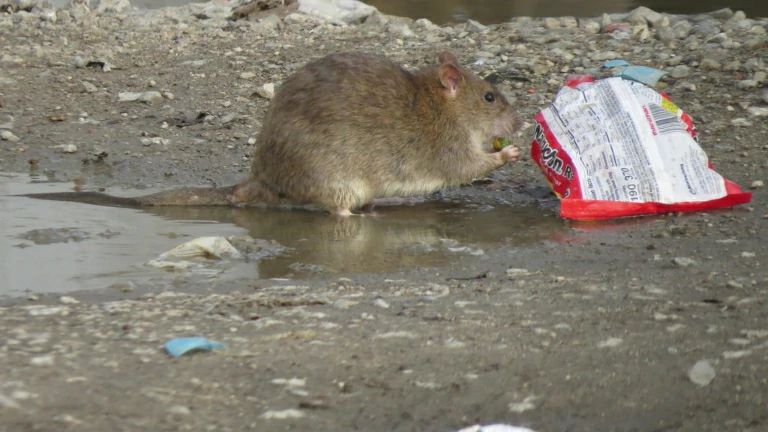
If you’ve ever watched a pet rat in its cage or spotted a wild rat scurrying around, you might’ve noticed they’re always busy doing something.
These small rodents don’t just sit around waiting for their next meal. They’re actually incredibly active creatures with complex behaviors that keep them occupied throughout the day and night. But what exactly do rats do when they’re not eating or sleeping?
Rats spend their free time grooming themselves and each other, playing, exploring their surroundings, building and rearranging nests, and engaging in social activities with other rats. They’re highly intelligent and need mental stimulation, so they’ll often investigate new objects, solve problems, and even play games.
When rats aren’t focused on survival, they dedicate a lot of energy to activities that might surprise you. They’re social animals that form tight bonds with their family groups, and much of their downtime revolves around interaction and play. Just like dogs or cats, rats need entertainment and socialization to stay healthy and happy.
Grooming Takes Up a Big Chunk of Their Day
If you watch a rat for any length of time, you’ll notice they’re constantly cleaning themselves. Rats are actually very clean animals, and they can spend several hours a day just grooming.
They use their front paws like little hands to wash their faces, and they’ll lick their fur to keep it clean and smooth. This isn’t just about looking good. Grooming helps them regulate their body temperature, remove parasites, and spread natural oils across their coat to keep it healthy.

But grooming isn’t just a solo activity. Rats also groom each other in a behavior called allogrooming. When rats groom their cage mates or family members, it’s a sign of affection and trust.
This social grooming strengthens bonds between rats and helps maintain the group’s social structure. You’ll often see lower-ranking rats grooming dominant ones as a sign of respect, or mother rats grooming their babies to keep them clean and comfortable.
Play Fighting and Wrestling Are Favorite Activities
Rats love to play, and one of their favorite games is wrestling with each other. If you see two rats tumbling around and seemingly fighting, don’t worry. They’re usually just playing.
Young rats especially spend tons of time play fighting. They’ll chase each other, pin each other down, and roll around in what looks like a miniature boxing match. This kind of play isn’t just fun. It’s actually really important for their development.
Through play fighting, young rats learn important social skills. They figure out how to read body language, understand boundaries, and establish their place in the social hierarchy without anyone getting hurt.
Adult rats also play, though usually not as intensely as younger ones. Even older rats will engage in occasional chase games or gentle wrestling matches, especially when they’re feeling energetic or when a new toy or object is introduced to their environment.
Exploring and Investigating Everything Around Them
Rats are naturally curious animals, and they spend a lot of their free time exploring. Whether it’s a pet rat checking out every corner of its cage or a wild rat investigating a new area, these rodents love to explore.
When a rat explores, it uses all of its senses. They’ll sniff everything carefully, touch objects with their sensitive whiskers and paws, and even taste things to learn more about them. Their whiskers are incredibly sensitive and help them navigate in the dark or in tight spaces.

Wild rats will spend hours each night exploring their territory, checking familiar paths, and investigating anything new that appears. They’re looking for food sources, potential dangers, and new routes to travel.
Pet rats show the same curiosity. If you let a pet rat out for playtime, it’ll immediately start exploring the room, checking under furniture, climbing on things, and investigating every nook and cranny it can find.
Building and Rearranging Their Nests
Rats are natural builders, and they take nest construction seriously. In the wild, rats will gather materials like leaves, grass, paper, fabric, and anything soft they can find to build cozy nests.
But here’s the interesting part. Rats don’t just build a nest once and leave it alone. They’re constantly rearranging and improving their nests, almost like they’re redecorating.
A rat might spend an hour or more moving bedding material from one spot to another, fluffing up the nest, or adding new materials. They seem to have specific ideas about how their nest should look and feel, and they won’t stop until it’s just right.
Pet rats do the same thing in their cages. If you give them paper towels, fabric scraps, or other nesting material, you’ll see them shred it, carry it to their favorite sleeping spot, and carefully arrange it into a comfortable bed.
This behavior isn’t just about comfort. Building and maintaining a nest gives rats a sense of security and control over their environment, which is important for their mental health.
How Rats Use Their Intelligence for Entertainment
Rats are incredibly smart animals, and they need mental stimulation to stay happy. In their free time, rats will often engage in activities that challenge their brains.
They love solving puzzles and figuring out how things work. If you give a pet rat a puzzle toy with treats inside, it’ll work on that puzzle until it figures out how to get the food. Some rats can even learn to open simple latches or containers.

Wild rats show the same problem-solving abilities. They’ll figure out complex routes to reach food sources, learn to avoid traps after seeing another rat get caught, and even work together to overcome obstacles.
Rats also seem to enjoy novelty. If you introduce a new toy or object to a rat’s environment, it’ll spend a long time investigating it, trying to figure out what it is and what it does. This curiosity and love of mental challenges is one reason why rats make such interesting pets.
Social Bonding and Hanging Out Together
Rats are highly social creatures, and they don’t like being alone. In the wild, rats live in large family groups called colonies, and they spend a lot of time just hanging out with each other.
When rats aren’t doing anything specific, they’ll often just cuddle together in a pile. This behavior, called huddling, helps them stay warm and makes them feel safe. It’s also a way of strengthening social bonds.
Rats also communicate with each other constantly through sounds, scents, and body language. They’ll make quiet chirping or chattering sounds when they’re content, and they use scent marking to leave messages for other rats.
Pet rats form strong bonds with their cage mates and even with their human owners. A pet rat will often seek out its favorite companion (rat or human) just to spend time together, even if they’re not playing or grooming.
This need for social interaction is so strong that experts recommend never keeping a single rat alone. Rats kept in isolation can become depressed and develop behavioral problems because they’re missing this crucial social aspect of their lives.
Chewing and Gnawing on Everything
If you’ve ever owned a rat or dealt with wild rats, you know they chew on everything. But this isn’t just destructive behavior. Chewing is actually a necessary activity for rats.
Rats’ teeth never stop growing throughout their entire lives. If they don’t wear down their teeth by chewing, the teeth will grow too long and cause serious health problems. So rats need to gnaw on things constantly to keep their teeth at the right length.
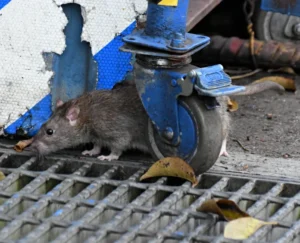
In their free time, rats will chew on wood, cardboard, plastic, fabric, and pretty much anything else they can get their teeth on. They seem to actually enjoy this activity, not just do it out of necessity.
Wild rats will gnaw on tree branches, nuts, and tough plant materials. Pet rats need to be given appropriate chew toys made of safe materials like untreated wood or special chew blocks.
You’ll often see a rat grab something to chew on and settle down in a comfortable spot to gnaw away for several minutes. It seems to be a relaxing activity for them, almost like how some people enjoy chewing gum.
Foraging and Food Hoarding Behavior
Even when rats aren’t hungry, they’ll often spend time foraging for food and hiding it for later. This behavior is hardwired into them from their wild ancestors.
Wild rats will spend hours each night searching for food, and when they find more than they can eat right away, they’ll carry it back to their nest or hide it in secret stashes around their territory.
Pet rats do the same thing, even though they’re fed regularly. If you give a pet rat extra treats or food, it’ll often carry some of it away to hide in its favorite spot. You might find little piles of food tucked into corners of the cage or buried in bedding.
This hoarding behavior serves an important purpose in the wild, where food sources can be unpredictable. By storing food when it’s available, rats ensure they’ll have something to eat during lean times. For pet rats, it’s just an instinct they can’t resist, even when they know more food is coming.
Running, Climbing, and Staying Physically Active
Rats are surprisingly athletic animals, and they need physical exercise to stay healthy. In their free time, you’ll often see them running, jumping, and climbing.
Wild rats can run several miles in a single night as they patrol their territory and search for food. They’re also excellent climbers and can scale vertical surfaces, jump between objects, and even swim when necessary.

Pet rats need the same kind of physical activity. They’ll run laps around their cage, climb on ropes or ladders, and jump from level to level. Many pet rats also love running on exercise wheels, and they can spend 30 minutes or more just running for the fun of it.
This physical activity isn’t just about staying in shape. Rats seem to genuinely enjoy moving around and testing their physical abilities. Young rats especially will spend hours running, jumping, and climbing just because it’s fun.
If a rat doesn’t get enough physical activity, it can become overweight and develop health problems. That’s why it’s important to give pet rats plenty of space and opportunities to exercise during their active periods.
Do Rats Actually Sleep During Their Free Time?
While we’re talking about what rats do in their free time, it’s worth mentioning that rats do sleep quite a bit. But their sleep patterns are different from ours.
Rats are nocturnal, which means they’re most active at night and sleep during the day. But they don’t sleep in one long stretch like humans do. Instead, they take multiple short naps throughout their rest period.
A rat might sleep for 20 or 30 minutes, wake up to groom or snack, then go back to sleep. They can sleep up to 12 to 15 hours total in a 24-hour period, but it’s broken up into lots of little sleep sessions.
When rats do sleep, they prefer to curl up with their family members in a warm, dark nest. This huddling behavior while sleeping helps them feel safe and keeps them warm, since rats can lose body heat quickly due to their small size.
Conclusion
Rats are incredibly active and social animals that fill their free time with a wide variety of behaviors. From grooming and playing to exploring and problem-solving, these intelligent rodents are always busy doing something.
Whether you’re watching a pet rat in its cage or observing wild rats in their natural habitat, you’ll see them engaging in complex behaviors that show just how smart and social they really are. They’re not simple creatures that just eat and sleep. They have rich social lives, they enjoy play and mental challenges, and they need both physical and mental stimulation to thrive.
Understanding what rats do in their free time helps us appreciate these often-misunderstood animals. It also helps pet owners provide better care by making sure their rats have opportunities for all the activities they naturally want to do.
If you have pet rats, make sure they have plenty of enrichment activities, social companions, and space to explore. And if you’re dealing with wild rats, remember that they’re complex creatures with interesting behaviors, even if they’re not welcome in your home.

Hi, my name is Ezra Mushala, i have been interested animals all my life. I am the main author and editor here at snakeinformer.com.