
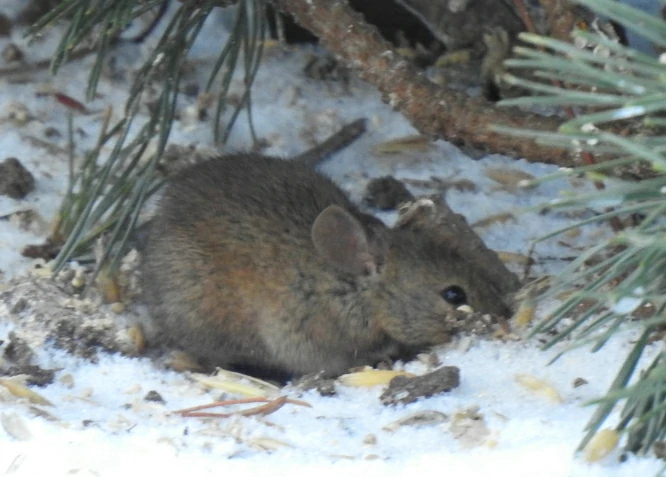
When winter arrives and snow starts falling, you might notice that outdoor wildlife becomes less active. Many animals hibernate or migrate to warmer areas. But what about rats?
These adaptable rodents are known for surviving in almost any environment, and they don’t just disappear when temperatures drop. So what exactly do rats do when winter hits?
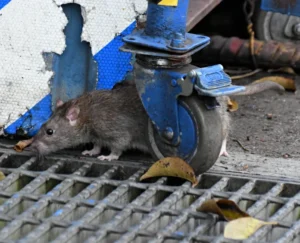
Rats don’t hibernate during winter. Instead, they seek warm shelter indoors or in protected outdoor spots like burrows, sewers, and building foundations. They stay active all winter but reduce their movement to conserve energy, focusing on staying close to reliable food and water sources. Many rats move indoors during winter, which is why home invasions peak in fall and continue through the cold months.
Unlike bears or groundhogs that sleep through winter, rats need to eat regularly to survive. This means they stay active year-round, though their behavior and activity levels change significantly when the weather turns cold.
Rats Don’t Hibernate Like Other Animals
One of the most important things to understand about rats in winter is that they don’t hibernate. Hibernation is when an animal goes into a deep sleep for weeks or months, living off stored body fat until spring arrives.
Rats can’t hibernate because they’re too small. Their bodies don’t store enough fat to survive months without eating. A rat needs to eat food every single day, even in the coldest winter weather.

This is why rats remain active all winter long. They still need to forage for food, find water, and maintain their nests. The cold doesn’t put them into a dormant state. It just makes survival harder.
Some small mammals like chipmunks enter a state called torpor, where they sleep deeply for periods but wake up every few days to eat stored food. Rats don’t even do this. They maintain their normal sleep-wake cycles throughout winter.
Because rats stay active in winter, they’re still a problem for homeowners and businesses. In fact, winter is when rats are most likely to invade buildings looking for warmth and food.
Where Rats Go When It Gets Cold
As temperatures drop, rats actively seek out warm shelter. They start this search in fall before winter fully arrives, which is why September through November sees the biggest spike in rats trying to get into buildings.
Rats that successfully find indoor shelter before winter will spend the cold months living inside human structures. Common hiding spots include attics, wall voids, basements, crawl spaces, garages, and sheds. These areas provide protection from wind, rain, and snow.

Rats living in attics have it particularly good during winter. Heat rises, so attics are often the warmest part of a house. Insulation makes perfect nesting material, and rats can shred it to build cozy nests.
Not all rats make it indoors before winter. Those left outside must find the best shelter they can. They’ll dig deeper burrows below the frost line (the depth where soil doesn’t freeze), or they’ll find existing protected spaces.
Urban rats have good winter options even when they’re outdoors. Sewers and storm drain systems stay relatively warm because they carry water from heated buildings. Subway tunnels in cities are also popular winter homes for rats.
Outdoor rats will huddle in wood piles, under stored materials, inside compost bins, or beneath parked vehicles. Anywhere that blocks wind and provides some insulation from the cold becomes potential rat housing in winter.
How Rats Stay Warm in Cold Weather
Rats have several strategies for keeping warm when temperatures drop. They can’t regulate their body temperature as well as larger animals, so they rely on behavioral adaptations to avoid freezing.
Huddling together is the most important cold-weather behavior. Rats pack into groups, piling on top of each other in their nests. This shared body heat keeps the whole group warm. A nest might contain 5, 10, or even 20 rats all huddled together.

Building well-insulated nests is another key strategy. Rats collect soft materials like shredded paper, fabric, insulation, grass, and leaves to build thick nests that trap heat. They’ll continuously add more material throughout winter to improve insulation.
Rats also eat more food in winter to fuel their bodies. Digesting food generates heat, so eating helps them stay warm. They need about 15 to 30 grams of food per day normally, but this increases in cold weather.
Reducing activity is another way rats conserve energy and stay warm. They move around less in winter, taking shorter trips from their nest and returning quickly. Less movement means less energy used and less heat lost.
Their fur provides some insulation, and rats will grow slightly thicker coats in winter. But this isn’t enough protection on its own. They still need good shelter to survive freezing temperatures.
Finding Food Becomes Harder in Winter
Winter food scarcity is one of the biggest challenges rats face. Many of their normal food sources disappear or become harder to access when cold weather arrives.
Outdoor food sources like insects, seeds, fruits, and vegetables are mostly gone by winter. Plants are dormant, insects are dead or dormant, and any food left outdoors is often frozen solid or buried under snow.
This food shortage forces rats to change their foraging behavior. They stick closer to proven food sources instead of exploring widely. If they find a reliable food supply, they’ll visit it repeatedly rather than searching for new sources.
Rats that live near humans have a huge advantage. Garbage, bird feeders, pet food, and stored grains provide food all winter long. This is another reason why rats move closer to human buildings when winter comes.
Winter is when rats are most likely to go after stored food in garages, sheds, and pantries. They’ll chew through packaging to get at flour, rice, pet food, birdseed, or anything else edible. They can smell food through containers and walls.
Rats also become less picky about food in winter. They’ll eat things they might normally avoid because they can’t afford to be choosy when food is scarce. This makes bait stations more effective during winter months.
How Winter Affects Rat Breeding
Rats can technically breed year-round, including during winter. However, winter conditions do affect their breeding patterns and success rates.
Rats living indoors in warm, comfortable conditions with plenty of food will continue breeding through winter just like they do in summer. A rat in your attic doesn’t know it’s winter outside. From their perspective, conditions are always good for having babies.
Outdoor rats in cold climates breed much less in winter. Female rats might stop going into heat if conditions are too harsh. Even if they do breed, baby rats born in winter have lower survival rates because of the cold.
In mild climates where winter is just cooler rather than freezing, outdoor rats continue breeding at almost normal rates. They might have slightly smaller litters or slightly longer gaps between litters, but breeding doesn’t stop.
This means rat populations living near heated buildings can actually grow during winter while outdoor wild populations shrink. A female rat in your warm basement could have 3 or 4 litters between December and March.
By the time spring arrives, indoor rat populations that bred all winter can be quite large. This is why spring often brings increased rat sightings. The rats that spent winter indoors are now venturing out, and there are more of them than when winter started.
Why You See Fewer Rats in Winter
Even though rats stay active in winter, you might notice you see them less often than in summer. There are several reasons for this.
First, rats move around less in cold weather. They take shorter foraging trips and hurry back to their warm nests. This means they spend less time out in the open where you might spot them.
Snow and frozen ground make it harder for rats to find food outdoors, so outdoor rat populations actually decline in winter. Many rats die from cold exposure, starvation, or both. The rats you do see are the survivors who found good shelter.

People spend less time outside in winter too. You’re not in your garden, you’re not eating on the patio, and you’re not outside at dusk when rats are most active. This means fewer opportunities to spot rats even if they’re around.
Rats also tend to move indoors for winter, and once inside your walls or attic, you can’t see them. You might hear scratching sounds or find droppings, but you won’t see the actual rats moving around like you would if they were in your yard.
In urban areas, rats move underground more in winter. Sewers and subway tunnels provide both warmth and food, so city rats might shift their activity to these underground systems where people don’t see them.
How Cold Temperatures Affect Rat Survival
Rats are more cold-tolerant than you might think, but extreme temperatures can and do kill them. Understanding their limits helps explain their winter behavior.
Adult rats can survive short exposure to freezing temperatures (around 32°F or 0°C), but they can’t handle prolonged cold. If a rat is stuck outside in freezing weather overnight with no shelter, it’ll likely die.
Baby rats are much more vulnerable to cold. They can’t regulate their body temperature well until they’re several weeks old. Baby rats born in winter need constant warmth from their mother and nest mates to survive.

Wind chill makes things worse for rats. Even if the actual temperature is above freezing, strong winds can pull heat away from a rat’s body faster than it can generate new heat. This is why rats seek shelter from wind, not just cold.
Wet conditions are especially dangerous. If a rat gets wet in cold weather, it can die quickly from hypothermia. Their fur loses its insulating properties when soaked, and they lose body heat rapidly.
Different rat species have different cold tolerance. The Norway rat (also called brown rat or sewer rat) handles cold better than the roof rat (also called black rat). This is why Norway rats are more common in northern climates while roof rats dominate in warmer southern areas.
Winter Water Sources for Rats
Finding water in winter is almost as challenging as finding food for outdoor rats. They need water daily to survive, but natural water sources often freeze.
Rats will eat snow and ice to get water, but this isn’t ideal. Eating frozen water requires energy to melt it in their bodies, and it lowers their body temperature. They prefer liquid water when they can find it.
This is another reason rats seek out human habitations in winter. Leaky pipes, dripping faucets, pet water bowls, and condensation all provide liquid water even in freezing weather. Sewers offer flowing water that doesn’t freeze.
Some rats get moisture from their food instead of drinking water separately. Eating fresh produce (if they can find it) or wet garbage provides both food and water. Indoor rats with access to kitchens or bathrooms rarely have water problems.
In heated buildings, rats can drink from toilet bowls, sink drains, water heater drip pans, or any standing water. They’re surprisingly good at finding tiny water sources that people don’t even notice.
Signs of Rats in Your Home During Winter
Winter is when you’re most likely to discover rats have moved into your house. Knowing what signs to look for can help you catch an infestation early.
Scratching sounds in walls or ceilings are often the first sign people notice. These sounds are usually loudest in late evening or early morning when rats are most active. The sounds might seem to move as rats travel through wall voids.
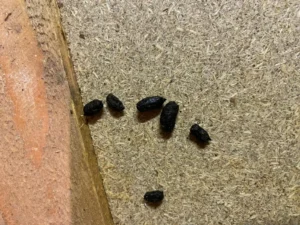
Finding droppings is a clear sign of rats. Rat droppings are dark, pellet-shaped, and about the size of a raisin. Fresh droppings are soft and shiny, while old ones are hard and gray. Check in attics, basements, garages, and along walls.
Gnaw marks on wood, plastic, or cardboard appear as rats chew to keep their teeth worn down and to access food. Fresh gnaw marks are lighter colored and have rough edges. Look for these near food storage areas.
Grease marks along walls show where rats regularly travel. Their oily fur leaves dark smudges on surfaces they rub against repeatedly. These marks are most visible along baseboards and near entry points.
Finding shredded material means rats are building nests. They’ll tear up paper, cardboard, fabric, or insulation to make soft bedding. If you find a pile of shredded material in a hidden spot, there’s probably a rat nest nearby.
A musky odor in certain areas can indicate a heavy rat infestation. This smell gets stronger near nests and in areas with lots of rat activity. It’s a combination of rat urine, droppings, and their natural scent.
How to Prevent Rats from Entering During Winter
The best way to deal with winter rat problems is to prevent them from getting inside in the first place. Late summer and early fall are the best times to rat-proof your home.
Seal all entry points in your home’s exterior. Rats can squeeze through holes as small as a quarter (about the size of their skull).
Check around pipes, vents, cables, foundation cracks, and gaps around doors and windows. Use steel wool, metal mesh, or concrete to block holes.
Trim tree branches away from your roof. Rats are excellent climbers and will use overhanging branches as highways to your roof. Keep branches at least 6 feet away from your house.
Store garbage in metal containers with tight lids. Don’t leave garbage bags outside overnight. Clean garbage cans regularly to remove food residue that attracts rats.
Keep pet food in sealed containers and don’t leave pet food dishes out overnight. Bring bird feeders in at night or switch to feeders that don’t spill seeds on the ground.
Clear yard debris before winter. Remove wood piles, leaf piles, and accumulated junk that rats could use for shelter. Keep grass cut short and vegetation trimmed back from your foundation.
Fix any water leaks around your property. A dripping outdoor faucet can attract rats looking for water in winter. Repair leaky pipes, especially in crawl spaces and basements.
Regional Differences in Winter Rat Behavior
How rats handle winter varies dramatically depending on where you live. Climate plays a huge role in rat behavior and survival.
In northern states with harsh winters and heavy snow, winter is the deadliest season for outdoor rats. Populations drop significantly, with only the strongest and best-sheltered rats surviving. These areas see strong seasonal patterns with low winter populations and rebuilding in spring.

Southern states with mild winters see much less seasonal variation. Rats stay active outdoors all winter in places like Florida, Southern California, or Texas Gulf Coast. They might be slightly less active during occasional cold snaps, but populations don’t crash like they do up north.
In moderate climates (like the Pacific Northwest or Mid-Atlantic states), winter behavior falls in between. Rats seek indoor shelter when it’s cold and rainy but can survive outdoors during milder stretches. Populations decrease but don’t collapse completely.
Urban rats everywhere handle winter better than rural rats because cities are warmer (the urban heat island effect) and have more shelter and food available. A city rat in Minnesota has better winter survival odds than a rural rat in the same state.
Conclusion
Rats remain active throughout winter, but they change their behavior to survive the cold. They don’t hibernate. Instead, they seek warm shelter (often in human buildings), reduce their movement to conserve energy, and focus on finding reliable food and water sources.
Winter is actually when rats become most problematic for homeowners because they actively seek indoor shelter as temperatures drop. Rats that make it indoors can live comfortably and even breed throughout the cold months, while outdoor rats struggle to survive.
Understanding what rats do in winter helps you protect your property. By sealing entry points before fall arrives, eliminating outdoor attractants, and watching for signs of indoor invasion, you can keep rats from choosing your home as their winter residence

Hi, my name is Ezra Mushala, i have been interested animals all my life. I am the main author and editor here at snakeinformer.com.