
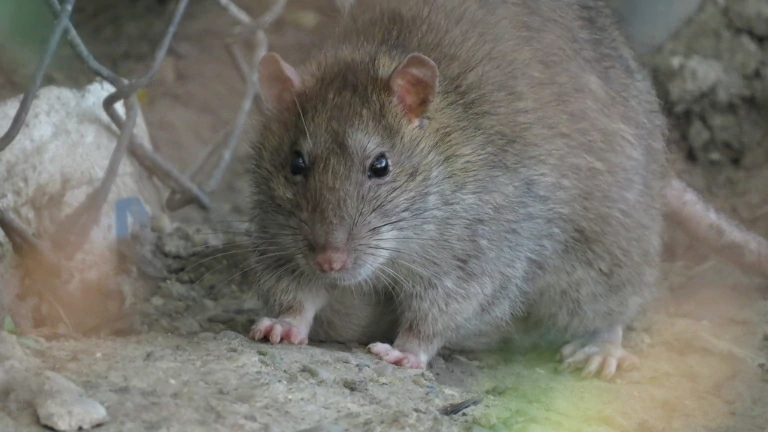
If you’ve ever wondered why you rarely see rats during the day but find evidence of their nighttime activities each morning, you’re not alone.
Most people know rats exist in their area but almost never see them in broad daylight.
These rodents seem to vanish when the sun comes up, leading many to wonder where they go and what they’re actually doing while we’re going about our daily routines. So what exactly are rats up to during daytime hours?
Rats spend most of the daytime sleeping in their nests. As nocturnal animals, rats are inactive during daylight hours and rest in dark, hidden spots like burrows, wall voids, attics, or dense vegetation. They typically sleep in groups, huddled together for warmth and safety, only waking occasionally to groom, shift positions, or respond to disturbances.
This daytime rest period is essential for rats’ survival. After spending the night actively foraging, exploring, and socializing, rats need to recover their energy and avoid predators that hunt during the day.
Understanding what rats do during daylight hours can help you know when and where to look for signs of infestation.
Why Rats Sleep During the Day
Rats are naturally nocturnal animals, which means they’re biologically programmed to be active at night and sleep during the day. This isn’t just a preference. It’s an evolutionary survival strategy that’s been hardwired into them.
In the wild, being active at night helps rats avoid many predators. Hawks, eagles, and other birds of prey hunt during the day and can easily spot a rat moving around in daylight.

By sleeping during the day and coming out at night, rats reduce their chances of becoming someone’s lunch.
Nighttime also offers other advantages. It’s cooler, which is important because rats can overheat easily. There’s less competition from other animals for food sources. And in areas near humans, there’s less activity and fewer people around to spot them.
A rat’s internal body clock (called the circadian rhythm) controls when they feel sleepy or alert. Just like how you naturally feel tired at night, rats naturally feel tired when the sun comes up. Their bodies release hormones that make them drowsy during daylight hours.
This pattern is so strong that even pet rats kept indoors with artificial lighting will usually stick to the same sleep schedule. They’ll be most active from evening through early morning and spend most of the day sleeping.
Where Rats Hide and Sleep During Daylight
When rats settle down for their daytime rest, they don’t just curl up anywhere. They’re very particular about choosing safe, comfortable sleeping spots.
Wild rats living outdoors typically sleep in burrows they’ve dug underground. These burrows can be quite complex, with multiple chambers for different purposes.
There’s usually a sleeping chamber lined with soft materials like grass, leaves, or shredded paper, and separate chambers for storing food and for toileting.

The burrow entrance is usually hidden under dense vegetation, wood piles, debris, or near building foundations. Rats prefer to dig in soil that’s easy to work with and in spots where they won’t be disturbed by people or predators.
Rats living in or near buildings have different hiding spots. They’ll sleep in wall voids, ceiling spaces, attics, crawl spaces, or anywhere dark and secluded. They particularly like insulation material because it’s warm and easy to burrow into.
In urban areas, rats might sleep in sewers, storm drains, abandoned buildings, piles of trash, dense bushes, or under parked cars. Basically, anywhere that’s dark, quiet, and offers protection from predators and weather.
These sleeping spots are always close to food and water sources. Rats don’t like to travel far from their nest, so they set up home base near reliable resources.
How Rats Actually Sleep
Rat sleep patterns are different from human sleep. While we typically sleep for one long stretch, rats take multiple short naps throughout their rest period.
A rat will sleep for 20 to 30 minutes, wake up briefly to groom or adjust position, then fall back asleep. They repeat this cycle many times during the day. In total, rats sleep about 12 to 15 hours in a 24-hour period, but it’s broken up into lots of little sleep sessions.

When rats sleep, they usually curl up in a ball to conserve body heat. Their tail wraps around their body, and they tuck their nose into their fur. This position helps them stay warm and also protects vulnerable areas like their belly.
Rats almost never sleep alone if they can help it. They pile together in groups, with multiple rats huddled in one sleeping mass. This behavior (called huddling) serves several purposes. It keeps them warm, makes them feel safe, and strengthens social bonds within the group.
Even while sleeping, rats remain somewhat alert. They’re light sleepers and will wake up quickly at any unusual sound or vibration. This is another survival mechanism that helps them avoid predators.
What Wakes Rats Up During the Day
Although rats prefer to sleep through daylight hours, several things can wake them up and cause them to become active during the day.
Hunger is the most common reason. If a rat didn’t get enough food during the night, it might wake up during the day to forage. This is especially common when food is scarce or when rat populations are high and competition for food is intense.

Disturbances to their nest will wake them up. If you’re doing construction work, moving things in an attic, or otherwise messing with the area where rats are sleeping, they’ll wake up and might relocate to a quieter spot.
Threats or perceived danger will definitely wake rats. If a predator approaches, if there’s a fire or flood, or if they sense any kind of threat, rats will wake up and either defend themselves or flee.
Temperature extremes can interrupt their sleep. On very hot days, rats might wake up to find a cooler spot. In cold weather, they might wake up to huddle more closely with other rats or to eat more food for energy to stay warm.
Young rats tend to sleep less deeply than adults and wake up more often. Baby rats nursing from their mother will wake her up multiple times during the day to feed.
When Rats Are Active During Daylight Hours
While daytime rat sightings are uncommon, they do happen. Understanding when and why rats break their normal nocturnal pattern is important.
Seeing one rat during the day occasionally isn’t necessarily a huge concern. The rat might’ve been disturbed from its nest, or it might be a young rat that hasn’t learned proper caution yet.
However, if you regularly see rats during daylight, it usually signals a serious infestation. When rat populations get very large, there isn’t enough food for all of them during the night. Some rats are forced to forage during the day when they’d normally be sleeping.
Sick or injured rats might also be seen during the day. Rats that are ill often lose their normal fear responses and their internal clocks get messed up. A sick rat might stumble out during daylight, moving slowly or erratically.

In areas with very low human activity, rats sometimes adjust their schedules. If nobody is around during certain daytime hours, rats might learn it’s safe to come out then. This happens in abandoned buildings, quiet industrial areas, or rural locations.
Mother rats with babies might make quick daytime trips if they need to gather nesting material or if food is urgently needed. But even then, they’ll stick to shadows and covered areas, not venturing out into open spaces.
How Baby Rats Spend Their Daytime
Baby rats have slightly different daytime routines than adults, especially when they’re very young.
Newborn rats (called pups or kittens) are born hairless, blind, and completely helpless. For the first two weeks of life, they don’t have a day-night cycle at all. They sleep most of the time, waking up every couple of hours to nurse from their mother.
The mother rat stays with her babies in the nest during the day, nursing them and keeping them warm. She’ll only leave briefly if she needs to eat or drink. At night, she might leave the babies alone for longer periods to forage.
As baby rats grow older (around 2 to 3 weeks), they start opening their eyes and moving around more. At this stage, they begin to match their sleep schedule to the adults. They’ll sleep during the day and become more active in the evening.
Young rats around 4 to 6 weeks old are very playful and curious. Even during the day when they should be sleeping, you might hear them rustling around, wrestling with siblings, or exploring near their nest. They’re learning important skills and haven’t fully developed the cautious behavior of adult rats.
By the time rats are 2 to 3 months old, they’ve fully adopted the adult schedule and will sleep through most of the day unless disturbed.
Grooming and Maintenance Activities During Rest Time
Although rats spend most of the day sleeping, they don’t sleep continuously. They wake up periodically for grooming and other maintenance activities.
Rats are surprisingly clean animals and spend a lot of time grooming themselves. During their daytime rest period, a rat might wake up several times just to clean its fur, wash its face, and groom its tail.

They use their front paws like little hands, licking them and then using them to wash their face and ears. They’ll also lick and comb through their fur to remove dirt and debris.
This grooming isn’t just about cleanliness. It also helps regulate body temperature and distributes natural oils through their coat.
Social grooming is also common. Rats will groom each other (called allogrooming), especially during rest periods. This strengthens social bonds and helps maintain the group’s hierarchy. Lower-ranking rats often groom higher-ranking ones as a sign of respect.
Between grooming sessions, rats might rearrange their nest, adjusting the bedding material to make it more comfortable. They’re constantly trying to perfect their sleeping area.
Do Rats Eat or Drink During the Day?
Generally, rats do most of their eating and drinking at night when they’re active. But they might snack or drink small amounts during the day if food and water are right near their nest.
Rats that have food stored in their nest might wake up during the day to nibble on their stash. This is especially common in winter or when food is hard to find. They’ll eat just enough to maintain their energy, then go back to sleep.
Water is more critical than food. Rats can survive longer without food than without water. If a rat wakes up thirsty during the day, it’ll drink if water is accessible nearby. But they won’t usually venture far from their nest to find water during daylight.
Pet rats often have food and water available in their cage at all times. These rats might eat and drink periodically throughout the day, though they still consume most of their food at night when they’re most active.
Pregnant or nursing mother rats have higher calorie and water needs. They might eat and drink more frequently during the day than other rats because they’re supporting growing babies.
How Rat Daytime Behavior Changes With Seasons
The amount of time rats spend sleeping and what they do during the day can vary with the seasons and weather conditions.
During summer when nights are shorter, rats might start their evening activity earlier and continue later into the morning. This means their daytime sleep period is a bit shorter. They compensate by sleeping more deeply during the fewer daylight hours.
In winter, rats tend to sleep more overall. Cold weather makes them less active, and they conserve energy by spending more time in their nests. They might sleep 15 to 18 hours a day during winter instead of the usual 12 to 15 hours.
During very hot summer days, rats might wake up multiple times just to find cooler spots or to regulate their body temperature. They can’t sweat like humans, so they have to find other ways to cool down, like lying on cool surfaces or spreading their body out instead of curling up.
Rainy days can change rat behavior too. If it’s raining heavily at night when rats would normally be active, they might adjust their schedule and be more active during dry daytime periods, especially if the rain continues for days.
In areas where seasons are mild and there’s not much variation in temperature or daylight hours, rat daytime behavior stays pretty consistent year-round.
Signs That Rats Are Sleeping Nearby
Even though you can’t see rats during the day, there are signs that tell you they’re sleeping somewhere close to you.
Fresh droppings found in the morning that weren’t there the night before indicate rats were active overnight and are likely sleeping nearby during the day. Rat droppings are dark, pellet-shaped, and about the size of a raisin.

Grease marks along walls, especially near baseboards, show regular rat traffic. Rats’ oily fur leaves dark smudges on surfaces they brush against repeatedly while traveling to and from their nest.
Gnaw marks on wood, plastic, or food packaging that appear overnight mean rats are actively using that area. Fresh gnaw marks look lighter in color and have sharp edges.
Scratching or rustling sounds coming from walls, ceilings, or under floors during late afternoon or early evening might be rats waking up and starting to move around as dusk approaches.
Finding shredded paper, fabric, or insulation means rats have been gathering nesting material. If you find a pile of soft, shredded material in a hidden spot, that’s likely a rat nest where they sleep during the day.
A musky smell in certain areas can indicate a rat nest nearby. Rats have a distinct odor that gets stronger near their sleeping areas, especially if multiple rats are living together.
Best Time to Look for Rats
If you’re trying to confirm a rat problem or you want to see where rats are coming and going, timing matters. You won’t have much luck during the middle of the day.
The best time to spot rats is during twilight hours. Right at dusk when it’s just getting dark, rats start waking up and leaving their nests. This is when they’re most likely to be seen, especially near their nest entrances.

Similarly, just before dawn, you might see rats returning to their nests after a night of foraging. They’re heading home to sleep for the day, so you might spot them near entry points or burrow openings.
Late evening (around 10 PM to midnight) and very early morning (around 3 AM to 5 AM) are when rats are most active outdoors. This is when they do most of their foraging and exploring.
If you want to check for rat activity without staying up all night, set up a camera or motion-activated light near suspected rat pathways. You can review the footage the next day to see when and where rats are active.
Conclusion
During the day, rats are sleeping in hidden, dark locations like burrows, wall voids, attics, or dense vegetation. This rest period is crucial for their survival, allowing them to recover from nighttime activities while avoiding daytime predators.
Rats sleep in short bursts throughout the day, waking periodically to groom, adjust their position, or check for threats. They sleep in groups when possible, huddled together for warmth and security.
Unless disturbed or facing extreme circumstances, rats will remain in their nests from sunrise to sunset.
Understanding what rats do during the day helps you know when and where to look for signs of infestation. It also explains why you rarely see rats despite knowing they’re around. They’re not gone.
They’re just sleeping, waiting for darkness to fall so they can come out and do what rats do best: forage, explore, and survive.

Hi, my name is Ezra Mushala, i have been interested animals all my life. I am the main author and editor here at snakeinformer.com.