
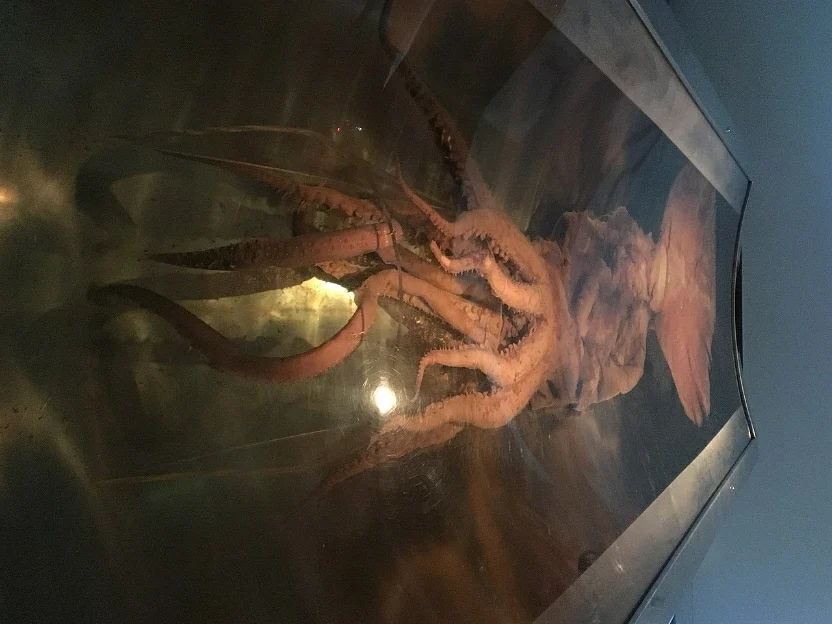
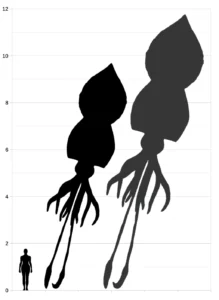
Colossal squid are some of the biggest and most mysterious creatures living in the deep ocean. These massive animals can grow up to 46 feet long and weigh over 1,000 pounds, making them one of the largest invertebrates on Earth.
They live in the dark, freezing waters around Antarctica, where very few humans have ever seen them alive. But what do colossal squid eat?
Colossal squid eat fish and other squid species. They’re active predators that hunt in the deep ocean, using their huge eyes (the largest in the animal kingdom) to spot prey in near-total darkness. Their diet is mostly made up of large fish like the Antarctic toothfish, along with smaller squid species they catch with their powerful tentacles.
Scientists have learned about the colossal squid’s diet by looking at stomach contents from dead specimens and by studying scars found on their predators (mainly sperm whales).
While we don’t know everything about what they eat, the evidence shows they’re skilled hunters that go after substantial prey in the deep sea.
How Colossal Squid Hunt Their Prey
Colossal squid don’t just float around waiting for food to come to them. They’re actually really active hunters that go after their prey with some pretty interesting weapons.
Each colossal squid has eight arms and two longer feeding tentacles. The tentacles can shoot out quickly to grab prey from a distance.

What makes them really dangerous is the hooks. Instead of just having suction cups like most squid, colossal squid have sharp, rotating hooks on their tentacles and arms.
These hooks work kind of like the claws on a cat, but they’re much more deadly.
When a colossal squid grabs a fish or another squid, those hooks dig in and rotate to get a better grip. The prey basically can’t escape once it’s caught.
The squid then pulls the prey toward its mouth, which has a sharp beak that looks similar to a parrot’s beak.
This beak is strong enough to slice through fish flesh and even break through the tough skin of other squid.
The Main Foods Colossal Squid Eat
Scientists have found several types of prey in the stomachs of colossal squid that washed up on shore or were caught by fishing boats. Here’s what we know they eat:
Antarctic Toothfish
This is probably the most important food source for colossal squid. Antarctic toothfish (also called Chilean sea bass in restaurants) are large, slow-moving fish that live in the same deep, cold waters as colossal squid.
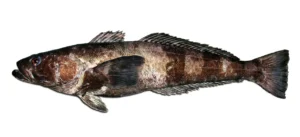
These fish can grow up to 7 feet long and weigh over 200 pounds.
Toothfish are full of fat and oil, which makes them a really good meal for a hungry colossal squid. The fish move slowly, so they’re easier to catch than faster prey.
Scientists have found toothfish remains in the stomachs of several colossal squid specimens.
Other Squid Species
Colossal squid aren’t picky about eating their own kind. They’ll hunt and eat other squid species, including smaller colossal squid.
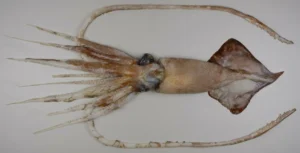
This behavior is called cannibalism, and it’s actually pretty common in the squid world.
Smaller squid species in the Antarctic waters make easy targets. They’re softer than fish and don’t have bones, so they’re easier for the colossal squid to eat and digest.
Deep-Sea Fish
Besides Antarctic toothfish, colossal squid probably eat other types of deep-sea fish too. The problem is that we don’t have a lot of evidence because very few colossal squid have been studied with food still in their stomachs.
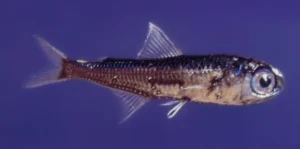
Fish that live at depths of 3,000 to 6,500 feet (where colossal squid hunt) include various species of lanternfish, grenadiers, and other cold-water species.
Any of these could end up as a colossal squid’s dinner.
Here’s a table showing the main prey items scientists have found:
| Prey Type | Size Range | Why They’re Targeted | Evidence Found |
|---|---|---|---|
| Antarctic Toothfish | 3-7 feet | Slow-moving, high in fat, abundant in Antarctic waters | Found in stomach contents, common in squid habitat |
| Other Squid Species | 1-4 feet | Easy to catch and digest, no bones or scales | Squid beaks found in stomachs, evidence of cannibalism |
| Deep-Sea Fish | 6 inches – 3 feet | Available at hunting depths, slower than surface fish | Some remains in stomach contents, inferred from habitat overlap |
| Lanternfish | 2-6 inches | Very common in deep ocean, easy to catch in groups | Suspected but limited direct evidence |
Where Colossal Squid Find Their Food
Colossal squid live and hunt in a really harsh environment. They spend most of their time between 3,000 and 6,500 feet below the ocean surface, where it’s completely dark and freezing cold (around 32-35°F).
At these depths, there isn’t much food compared to the surface waters. This means colossal squid have to be good at finding prey in a place where meals are hard to come by.
They probably spend a lot of energy swimming around looking for their next meal.
The waters around Antarctica are actually more productive than other deep-sea areas. Cold water holds more oxygen, and the Antarctic Circumpolar Current brings nutrients up from the ocean floor.
This supports more fish and squid, which means more food for colossal squid.
Still, life is tough down there. The darkness is so complete that even with their huge eyes, colossal squid have to work hard to spot prey.
Many of the fish they hunt have special light-producing organs called photophores that create a faint glow.
This actually helps the squid see them in the dark.
How Their Huge Eyes Help Them Hunt
Colossal squid have the largest eyes of any animal on Earth. Each eye can be as big as a dinner plate (up to 11 inches across).
That’s about the size of a basketball, and it’s way bigger than a human head.
These massive eyes aren’t just for show. They’re actually really important for hunting in the deep sea where there’s almost no light.
The bigger an eye is, the more light it can gather. This means colossal squid can see things in the darkness that other animals would completely miss.
Scientists think these huge eyes are specifically designed to spot sperm whales (which hunt colossal squid). But they’re also perfect for finding prey.
The squid can probably see the faint bioluminescence that many deep-sea fish produce. They might also be able to detect the silhouettes of prey swimming above them against the slightly lighter water near the surface.
Having such good vision in the dark gives colossal squid a big advantage.
They can spot prey from farther away, which means they don’t have to waste as much energy swimming around looking for food.
What We’ve Learned From Sperm Whales
Most of what we know about colossal squid comes from an unexpected source: sperm whales.
These massive whales are one of the only predators that regularly hunt and eat colossal squid.
When scientists study the stomach contents of dead or hunted sperm whales, they often find colossal squid beaks inside.
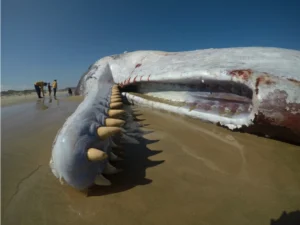
These beaks don’t digest, so they build up in the whale’s stomach over time. By counting and measuring these beaks, scientists can figure out how many colossal squid the whale ate and how big they were.
This tells us something important: if sperm whales are eating lots of colossal squid, then colossal squid must be eating lots of something else to support their own population.
They need to catch enough prey to grow to their massive size and stay healthy enough to reproduce.
Sperm whales have also helped scientists figure out where colossal squid live and hunt.
By tracking where whales dive to catch squid, researchers can map out the squid’s habitat and learn about their behavior.
How Much Do Colossal Squid Need to Eat
Scientists don’t know exactly how much a colossal squid needs to eat to survive, but they can make some good guesses based on the squid’s size and the cold water they live in.
Cold water actually helps in this case. When animals live in cold environments, their metabolism slows down.
They don’t need to eat as much as animals of the same size living in warmer water. This is good for colossal squid because food is hard to find in the deep ocean.
Still, these are huge animals. A 1,000-pound colossal squid probably needs to eat several large fish or squid every week to maintain its size and energy.
When you think about it, that’s a lot of hunting in an environment where prey is spread out over huge distances.
Young colossal squid probably eat more frequently than adults because they’re growing.
As they get bigger and their metabolism slows down, they can probably go longer between meals.
Do Colossal Squid Have Competition for Food
In the deep Antarctic waters, colossal squid aren’t the only predators hunting for food. They have to compete with other animals that want the same prey.
Sperm Whales
These are probably the biggest competitors. Sperm whales dive deep to hunt squid and fish, and they eat a lot.
A single sperm whale can eat over 2,000 pounds of food per day. That’s a huge amount of squid and fish being taken out of the ecosystem.
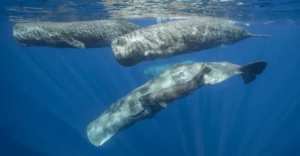
When sperm whales are hunting in an area, there’s less food available for colossal squid. But the ocean is big, and there are plenty of places where the two species might not run into each other often.
Sleeper Sharks
These large sharks live in cold, deep waters and eat fish and squid. They’re slow-moving ambush predators, so they probably don’t catch as much prey as more active hunters.
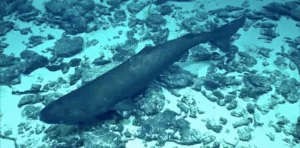
Still, they’re eating some of the same food that colossal squid want.
Other Large Squid
Giant squid (which are different from colossal squid) also live in deep waters and eat similar prey.
The two squid species might compete for food in areas where their ranges overlap.
Elephant Seals
These seals dive really deep to hunt fish and squid. They don’t go as deep as sperm whales usually do, but they can reach depths where colossal squid hunt.
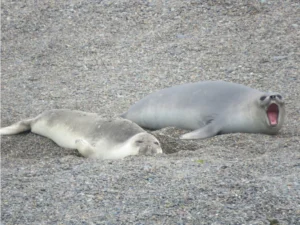
They’re another predator competing for the same limited food resources.
How Colossal Squid Are Adapted for Their Diet
Everything about a colossal squid’s body is designed for catching and eating prey in the deep ocean.
Their arms and tentacles are covered in suckers and hooks that work together. The suckers hold prey in place while the hooks dig in and prevent escape.
This double-grip system is way more effective than just having suckers alone.
The beak is positioned in the center of all the arms, right where the squid can push food into it.
It’s made of hard material (similar to what your fingernails are made of) that stays sharp even after cutting through thousands of fish.
Their digestive system can handle whole fish and squid. They don’t need to chew their food into tiny pieces.
The beak cuts prey into chunks that are small enough to swallow, and the stomach does the rest.
The squid’s body shape also helps with hunting. They’re built for short, powerful bursts of speed when chasing prey.
They have a siphon that shoots out water, pushing them forward quickly when they need to close in on a fish or another squid.
What We Still Don’t Know
Even though scientists have learned a lot about colossal squid in recent years, there’s still a ton we don’t understand about what they eat and how they hunt.
No one has ever seen a colossal squid hunt in the wild. All our knowledge comes from dead specimens and educated guesses.
We don’t know if they hunt alone or in groups, if they’re ambush predators or active chasers, or if they have any special hunting techniques.
We also don’t know how often they need to eat or how long they can go between meals.
Some squid species can survive for weeks without food, but we don’t know if colossal squid can do the same.
Scientists would love to put a camera on a living colossal squid to watch how it behaves, but that’s really difficult.
These animals live so deep and in such a remote location that it’s hard to even find them, let alone study them up close.
Maybe in the future, new technology will let us watch colossal squid in their natural habitat.
Until then, we have to piece together the puzzle using the limited evidence we can find.
Common Questions About Colossal Squid
What does a colossal squid eat?
A colossal squid eats other squid, fish, and sometimes even smaller members of their own species. They’re deep-sea hunters with huge eyes and long tentacles that grab prey quickly, so they can catch fast-moving animals in the dark, freezing waters where they live
What is a colossal squids diet?
A colossal squid’s diet mostly includes large fish and other squid. They’re deep-sea predators with long, hooked tentacles that snatch prey quickly, so they can grab fast, slippery animals in the cold, dark ocean where they live.
Conclusion
Colossal squid eat mostly large fish (especially Antarctic toothfish) and other squid species.
They’re skilled predators that hunt in the deep, dark waters around Antarctica, using their massive eyes to spot prey and their hook-covered tentacles to catch it.
These incredible animals are perfectly designed for life as deep-sea hunters. Their huge eyes can gather the tiny amounts of light available in the darkness.
Their hooks and suckers give them an almost unbreakable grip on prey. Their sharp beaks can cut through tough fish skin and squid flesh.
While we still have a lot to learn about colossal squid and their diet, every new specimen that scientists study teaches us something new.
These mysterious giants of the deep ocean are slowly giving up their secrets, helping us understand how life survives in one of the harshest environments on Earth.
Featured image credit: Scotted400, (CC BY-SA 4.0)

Hi, my name is Ezra Mushala, i have been interested animals all my life. I am the main author and editor here at snakeinformer.com.