

Rats have lived alongside humans for thousands of years, and unfortunately, they’ve brought some unwanted guests with them: diseases.
These rodents can carry and spread various illnesses that can make you seriously sick. Some of these diseases are mild, while others can be life-threatening if you don’t get treatment. So what disease do rats give you?
Rats can give you over 35 different diseases, including leptospirosis, hantavirus, rat-bite fever, salmonellosis, and plague. These diseases spread through rat bites, scratches, contact with their urine or droppings, or through fleas and ticks that have fed on infected rats.
You don’t even need direct contact with a rat to get sick.
Just breathing in dust contaminated with rat droppings or urine can expose you to some of these diseases.
This is why rats in your home or workplace are such a serious health concern, not just a nuisance.
The Most Common Diseases Rats Carry
Let’s break down the main diseases you can catch from rats and how they actually spread.
Understanding these illnesses can help you protect yourself and know when to get medical help if you think you’ve been exposed.
| Disease | How It Spreads | Main Symptoms | How Serious It Is |
|---|---|---|---|
| Leptospirosis | Contact with rat urine in water or soil | High fever, headache, muscle pain, vomiting, jaundice | Can cause kidney damage, liver failure, or death if untreated |
| Hantavirus | Breathing in dust with rat droppings or urine | Fever, muscle aches, fatigue, then severe breathing problems | Can be fatal in 38% of cases |
| Rat-Bite Fever | Rat bites or scratches, sometimes contaminated food | Fever, vomiting, rash, joint pain | Can cause serious infections if not treated |
| Salmonellosis | Contact with rat droppings, contaminated food | Diarrhea, fever, stomach cramps | Usually mild but dangerous for young children and elderly |
| Plague | Bites from fleas that fed on infected rats | Swollen lymph nodes, fever, chills, weakness | Can be fatal without antibiotics |
| Tularemia | Contact with infected rats, tick bites | Skin ulcers, swollen lymph nodes, fever | Serious but treatable with antibiotics |
| Lymphocytic Choriomeningitis (LCMV) | Breathing in dust with rat urine or droppings | Fever, headache, muscle aches, nausea | Usually mild but dangerous for pregnant women |
This table shows just some of the diseases rats carry.
Each one spreads differently and affects your body in different ways, but they all have one thing in common: you’re better off avoiding them completely.
How Leptospirosis Spreads From Rats
Leptospirosis is one of the most common diseases you can catch from rats, and it spreads through their urine.
Rats infected with leptospira bacteria pee out millions of these bacteria every day. When their urine gets into water, soil, or food, the bacteria can survive for weeks or even months.

You can get leptospirosis if you touch contaminated water or soil and have any cuts or scrapes on your skin.
The bacteria enter through these breaks in your skin, or through your eyes, nose, or mouth. This is why people who work in sewers, rice fields, or anywhere with standing water are at higher risk.
The symptoms usually start 2 to 30 days after you’re exposed.
At first, you might feel like you have the flu with a high fever, severe headache, chills, and muscle aches. Some people also get red eyes, a rash, or stomach problems like vomiting and diarrhea.
If you don’t get treatment, leptospirosis can get really serious.
The bacteria can cause your kidneys to fail, damage your liver (turning your skin yellow with jaundice), or even cause bleeding in your lungs. In severe cases, people can die from this disease, though this is rare with proper medical care.
Doctors treat leptospirosis with antibiotics like penicillin or doxycycline.
The earlier you start treatment, the better your chances of avoiding serious complications. If you think you’ve been exposed to rat urine, especially if you develop flu-like symptoms, you should see a doctor right away.
Understanding Hantavirus From Rats
Hantavirus is one of the scariest diseases rats carry because it can kill you.
In the United States, the most common type is called Hantavirus Pulmonary Syndrome (HPS), and it’s carried mainly by deer mice, but other rodents including some rat species can spread different types of hantavirus.
You get hantavirus by breathing in tiny particles contaminated with rat urine, droppings, or saliva.
When dried rat droppings are disturbed (like when you’re sweeping out a shed or attic), they can crumble into dust. If you breathe in this dust, the virus can enter your lungs.
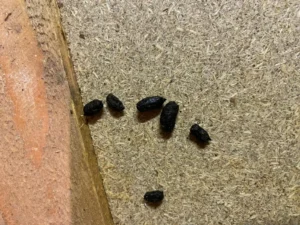
The scary thing about hantavirus is that symptoms can seem mild at first.
You might get a fever, muscle aches, and feel tired, similar to the flu. But then, suddenly, your lungs start filling with fluid, making it really hard to breathe. This can happen quickly, sometimes within just a few hours.
Once hantavirus reaches your lungs, the death rate is about 38%.
There’s no specific treatment or vaccine for hantavirus, so doctors can only provide supportive care like oxygen and breathing assistance. The key to surviving is getting to a hospital quickly when symptoms start.
You can protect yourself from hantavirus by being careful when cleaning areas where rats have been.
Always wet down the area with a bleach solution before cleaning (this kills the virus and keeps dust from becoming airborne). Wear gloves and a proper respirator mask, not just a dust mask. And never sweep or vacuum rat droppings dry.
What Is Rat-Bite Fever?
Rat-bite fever is exactly what it sounds like: an infection you can get from a rat bite.
But you can also get it from a scratch, or even from eating food or water contaminated with rat feces. This disease is caused by bacteria that many rats carry in their mouths and throats.
There are actually two types of rat-bite fever caused by different bacteria.
In North America, it’s usually caused by Streptobacillus moniliformis. In Asia, it’s more often caused by Spirillum minus. Both types make you sick in similar ways, though the symptoms can vary a bit.
Symptoms usually show up 3 to 10 days after you’re bitten or exposed.

You’ll get a sudden fever (often high, around 102-104°F), start vomiting, and develop severe headaches and muscle pain. Within a few days, you’ll probably get a rash on your hands and feet, and your joints might swell up and become really painful.
Without treatment, rat-bite fever can cause serious problems.
The infection can spread to your heart, lungs, or brain. Some people develop abscesses (pockets of pus) in different organs. The disease can even be fatal if left untreated, though this is rare.
The good news is that rat-bite fever responds really well to antibiotics.
Doctors usually prescribe penicillin, and most people recover completely within a few weeks. But you need to start treatment early, so if a rat bites you, clean the wound thoroughly and see a doctor even if it seems like a minor bite.
Salmonella Infections From Rats
Rats are known carriers of salmonella bacteria, which they carry in their intestines and spread through their droppings.
This is one of the easier diseases to catch because you don’t need to be bitten or even see a rat to get it. If rats have been in your kitchen or anywhere near your food, there’s a risk.
Salmonella bacteria can survive for a long time outside a rat’s body.

They can live on surfaces, in dust, and in any areas contaminated with rat feces. If you touch these contaminated areas and then touch your mouth, prepare food, or eat without washing your hands, you can swallow the bacteria.
Symptoms usually start 6 hours to 6 days after you’re infected.
You’ll get diarrhea (sometimes bloody), stomach cramps, and fever. Most people also feel nauseous and might vomit. These symptoms can last 4 to 7 days, and they can be really uncomfortable.
Most healthy adults recover from salmonellosis without needing medical treatment.
Your body fights off the infection on its own, though you’ll feel pretty miserable for a few days. The main concern is staying hydrated since diarrhea and vomiting can cause dehydration.
But salmonellosis can be dangerous for certain people.
Young children, elderly people, and anyone with a weakened immune system can develop serious complications. The bacteria can spread from the intestines into the bloodstream and then to other parts of the body, causing life-threatening infections.
If you have a rat problem in your home, it’s really important to disinfect all surfaces, especially in the kitchen.
Use a bleach solution to clean countertops, floors, and anywhere rats might have been. Always wash your hands before preparing food or eating.
The Plague: Yes, It Still Exists
When you think of plague, you probably picture medieval Europe and the Black Death.
But plague is still around today, and rats (along with their fleas) are still spreading it. In the United States, there are usually a few cases every year, mostly in rural areas of the Southwest.
Plague is caused by bacteria called Yersinia pestis, and it spreads mainly through fleas.
When a flea bites an infected rat, it picks up the bacteria. Then, when that flea bites you, it can pass the bacteria into your bloodstream. You can also get plague by touching an infected rat or breathing in droplets from an infected person.
There are three main types of plague: bubonic, septicemic, and pneumonic.
Bubonic plague is the most common and causes swollen, painful lymph nodes (called buboes) in your groin, armpit, or neck. You’ll also get fever, chills, headache, and feel extremely weak.
Septicemic plague happens when the bacteria spread through your bloodstream.
This causes fever, chills, extreme weakness, and bleeding under your skin or from your mouth, nose, or other openings. Your fingers, toes, and nose can turn black from tissue death.
Pneumonic plague affects your lungs and is the deadliest form.
You can catch this type by breathing in droplets from an infected person’s cough. Symptoms include fever, chest pain, coughing (sometimes with blood), and severe breathing problems. This type can kill you within 24 hours if you don’t get treatment.
The good news is that plague is treatable with antibiotics if caught early.
Doctors use antibiotics like streptomycin, gentamicin, or doxycycline. The key is getting treatment quickly, especially with pneumonic plague. Without treatment, bubonic plague kills about 50% of people, and pneumonic plague is almost always fatal.
Other Diseases You Can Catch From Rats
Beyond the major diseases we’ve covered, rats can carry several other illnesses worth knowing about.
Tularemia, also called rabbit fever, can spread from rats through tick bites, direct contact, or breathing in contaminated particles. It causes skin ulcers, swollen lymph nodes, and can affect your lungs if you breathe in the bacteria.
Lymphocytic choriomeningitis virus (LCMV) is another disease rats carry.

Most people who get infected have mild symptoms like fever, headache, and muscle aches. But pregnant women need to be especially careful because LCMV can cause serious birth defects or miscarriage.
Rats can also spread E. coli bacteria through their feces.
While most E. coli strains are harmless, some can cause severe diarrhea, stomach cramps, and vomiting. In rare cases, certain strains can lead to kidney failure, especially in children and elderly people.
Toxoplasmosis can sometimes spread through rats, though cats are the main source of this parasite.
If you get toxoplasmosis, you might not have any symptoms, or you might feel like you have the flu. But like LCMV, it’s dangerous for pregnant women because it can harm unborn babies.
How Diseases Actually Spread From Rats
Understanding how these diseases spread can help you protect yourself better.
There are several main ways diseases move from rats to humans, and knowing them helps you avoid infection.
Direct contact is one obvious way.
If a rat bites you, scratches you, or you touch a rat and then touch your face, you can get infected. Rat urine is particularly dangerous because many diseases spread this way, and rats pee constantly as they move around.
Indirect contact is actually more common than direct contact.
This is when you touch something a rat has contaminated (like a surface they walked on, food they nibbled, or water they drank from) and then transfer the germs to yourself. You might never see the rat but still get sick.
Airborne transmission happens when you breathe in contaminated dust particles.
This is how hantavirus spreads, and it’s why cleaning up rat droppings is so dangerous if you don’t do it correctly. The dust particles are so small you can’t see them, but they can carry disease.
Vector transmission is when another animal carries the disease from rats to you.
Fleas and ticks are the main culprits here. They bite an infected rat, pick up the disease, and then bite you and pass it along. This is how plague spreads most often.
The amount of rats in an area directly affects disease risk.
More rats mean more droppings, more urine, more fleas, and more chances for you to be exposed. This is why rat infestations need to be dealt with quickly and thoroughly.
Who’s Most at Risk for Rat-Borne Diseases
While anyone can catch diseases from rats, some people are at higher risk because of where they live or what they do.
People living in areas with poor sanitation or lots of rats are obviously at higher risk. This includes some urban areas with old buildings, trash problems, or pest control issues. Rural areas with barns, sheds, or grain storage can also have high rat populations.
Certain jobs put people in contact with rats more often.

Pest control workers, sewer workers, farmers, and anyone who works in warehouses or old buildings face higher exposure. Even cleaning staff in buildings with rat problems are at increased risk.
Homeless individuals face higher risk because they often sleep in areas where rats live and don’t always have access to clean water for hand washing.
They might also eat food that rats have contaminated without knowing it.
Children are more vulnerable to some rat-borne diseases.
They’re more likely to play in areas where rats have been, put dirty hands in their mouths, and their immune systems aren’t as strong as adults. Young kids also tend to get sicker from diseases like salmonella.
People with weakened immune systems need to be extra careful.
This includes people with HIV/AIDS, cancer patients, organ transplant recipients, and anyone taking medications that suppress the immune system. What might be a mild illness for a healthy person can be life-threatening for them.
Pregnant women should avoid any contact with rats or areas where rats have been.
Several rat-borne diseases can cause miscarriage, birth defects, or serious illness in unborn babies. If you’re pregnant and find rats in your home, have someone else handle the cleanup and pest control.
What to Do If You’ve Been Exposed to Rats
If you’ve been bitten by a rat or think you’ve been exposed to rat-borne diseases, there are important steps you need to take right away.
If a rat bites you, wash the wound immediately with soap and water for at least 5 minutes.
This can help flush out bacteria before they cause infection. After washing, apply an antibiotic ointment and cover the bite with a clean bandage. Then see a doctor as soon as possible, even if the bite seems minor.
If you’ve touched rat droppings or urine, wash your hands thoroughly with soap and warm water.
Scrub for at least 20 seconds, making sure to clean under your nails and between your fingers. If the contamination got on your clothes, wash them separately in hot water with detergent.
If you’ve breathed in dust from rat droppings (like when cleaning a garage or attic), watch for symptoms over the next few weeks.
Fever, muscle aches, or breathing problems could be signs of hantavirus or another disease. Don’t wait to see if symptoms get worse. Contact a doctor right away if you feel sick.
Keep track of when the exposure happened and what symptoms you develop.
This information helps doctors figure out which disease you might have and how to treat it. Different diseases have different incubation periods (time between exposure and symptoms), so this timeline matters.
If you develop a fever, rash, or feel seriously ill after rat exposure, go to a doctor or emergency room.
Tell them about the rat exposure right away. Many rat-borne diseases look like the flu at first, so the exposure history helps them diagnose you correctly and start the right treatment.
Conclusion
Rats can give you a wide range of serious diseases including leptospirosis, hantavirus, rat-bite fever, salmonellosis, and even plague.
These diseases spread through bites, contact with rat urine or droppings, or through fleas and ticks. Some can make you mildly sick, while others can kill you if left untreated.
The key to protecting yourself is avoiding contact with rats and their waste, cleaning up contamination safely, and seeking medical help if you’ve been exposed.
If you keep rats out of your living spaces and practice good hygiene, you can greatly reduce your risk of catching these diseases. But if you do encounter rats or their droppings, now you know how to handle the situation safely and when to get medical help.

Hi, my name is Ezra Mushala, i have been interested animals all my life. I am the main author and editor here at snakeinformer.com.