

Rats are incredibly adaptable creatures that can live almost anywhere, from cities to suburbs to rural areas. They’re drawn to places where they can find food, water, and shelter.
If you’ve noticed rats around your home or property, something is attracting them there. Understanding what draws rats in is the first step to keeping them away. So what attracts rats?
Rats are attracted to easy food sources, accessible water, warm shelter, and safe nesting spots. They’re drawn to garbage, pet food, bird seed, clutter, leaky pipes, and any place where they can hide from predators and raise their young.
When your property has these things, rats will move in and start breeding. A single pair of rats can produce hundreds of offspring in just one year, so a small problem can become a massive infestation fast.
The good news is that once you know what attracts rats, you can remove those things and make your space much less appealing to them.
Food Sources That Attract Rats
Food is the number one thing that attracts rats to any location. Rats need to eat every day, and they’ll go wherever food is easiest to find.
Rats aren’t picky eaters. They’ll eat almost anything, from fresh food to rotting garbage. This makes them incredibly adaptable and hard to keep away if you’re not careful about food storage and cleanliness.
Here’s a table showing common food sources that attract rats:
| Food Source | Why Rats Love It | How to Prevent It |
|---|---|---|
| Garbage and trash | Easy to access, plenty of variety | Use sealed trash cans with locking lids |
| Pet food | High in protein and calories | Don’t leave pet food out overnight |
| Bird seed | High in fat and energy | Clean up spilled seed daily |
| Compost piles | Full of food scraps and warmth | Use sealed compost bins |
| Fallen fruit | Sweet and easy to eat | Pick up fallen fruit immediately |
| Grains and cereals | Nutrient-dense and easy to carry | Store in sealed metal or glass containers |
| Grease and cooking oil | High in calories | Clean up cooking spills right away |
| Crumbs and food scraps | Constant food source | Sweep and vacuum regularly |
Garbage is one of the biggest attractors. If your trash isn’t sealed properly, rats will smell it from far away and come looking for a meal. They can chew through plastic bags easily, so you need trash cans with tight-fitting lids.
Pet food is another huge draw. If you leave dog or cat food out all the time, you’re basically setting up a buffet for rats. They love the high protein content, and they’ll come back every night to eat.
Bird feeders might seem harmless, but they attract rats like crazy. Seed that falls on the ground is an easy meal, and rats will clean it up every night. If you feed birds, you need to clean up spilled seed every single day.
Fruit trees can attract rats too. Fallen fruit sitting on the ground will rot and ferment, which rats love. If you have fruit trees, pick up any fallen fruit as soon as you see it.
Even small amounts of food can keep rats fed. Crumbs under your stove, food stuck to dishes in the sink, or grease on your counters can all provide enough food for rats to survive. Rats don’t need much to stay alive, so you have to be really thorough with cleaning.
Water Sources Rats Can’t Resist
Water is just as important as food when it comes to attracting rats. Rats need to drink water regularly to survive, and they’ll seek out any reliable water source they can find.
Leaky pipes are one of the most common water sources for rats. Even a slow drip under your sink or in your basement can provide enough water for multiple rats. They’ll drink from the puddles or catch drips directly.
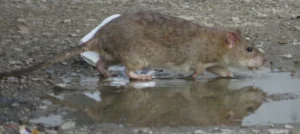
Pet water bowls that you leave out overnight are another easy target. If you have cats or dogs, rats will drink from their bowls when they’re not around. It’s best to put pet water away at night or keep it in a place rats can’t reach.
Standing water in your yard attracts rats too. This includes water in plant saucers, birdbaths, clogged gutters, and low spots in your lawn where puddles form after rain. Rats will drink from any of these sources.
Condensation from air conditioning units, water heaters, and refrigerators can create small puddles that rats will use. Make sure these appliances are draining properly and not creating standing water.
Outdoor water features like ponds, fountains, and decorative pools are also attractive to rats. If you have these, you might notice rats coming around at night to drink. You can’t really remove these features, but you can make your property less attractive in other ways.
Humidity and moisture in basements and crawl spaces can provide rats with enough water to survive. If you have a damp basement, consider using a dehumidifier to reduce moisture levels.
Shelter and Nesting Spots
Rats are always looking for safe, warm places where they can hide from predators and build nests. If your property has good shelter options, rats will move in and stay.
Cluttered areas are perfect for rats. Piles of junk in your garage, stacks of boxes in your basement, or heaps of firewood in your yard all create hiding spots where rats can nest. The more clutter you have, the more attractive your property is to rats.
Overgrown vegetation provides cover for rats to move around safely. Thick bushes, tall grass, and ivy-covered walls give rats places to hide during the day. They’ll use these areas as highways to travel between their nests and food sources.

Woodpiles and leaf piles are especially attractive because they’re warm and protected. Rats will burrow into these piles and build nests inside. If you have to keep firewood, stack it at least 20 feet away from your house and raise it off the ground.
Sheds, garages, and outbuildings often have gaps and cracks that rats can squeeze through. Once inside, they have all the shelter they need. These buildings are often less secure than your main house, making them easy targets for rats.
Attics and crawl spaces are some of the best nesting spots for rats. They’re warm, dark, quiet, and rarely disturbed. Rats can get in through small gaps in your roof, vents, or foundation, and once they’re in, they’ll build nests and start breeding.
Wall voids inside your home are also attractive. Rats can squeeze through tiny holes and live inside your walls where you can’t see them. They’ll chew on insulation to make nests and use the empty space to travel around your house.
Burrows in your yard can house entire rat colonies. Rats dig tunnels underground, especially along foundations, under decks, and around tree roots. These burrows provide protection from weather and predators.
Entry Points That Let Rats In
Even if your property has food, water, and shelter, rats still need a way to get inside your home or buildings. They’re surprisingly good at finding and using even the smallest entry points.
Rats can squeeze through holes as small as a quarter. If you can fit your thumb through a gap, a rat can probably get through it too. This means even tiny cracks and openings can let rats inside.
Gaps around pipes and utility lines are common entry points. Where pipes, cables, and wires enter your home, there are often gaps around them. Rats will use these to get inside, especially if the gaps aren’t sealed properly.
Damaged vents and screens are easy access points. Roof vents, foundation vents, and dryer vents often have screens to keep pests out, but if these screens are damaged or missing, rats will crawl right through.
Cracks in your foundation can let rats into your basement or crawl space. As houses settle over time, cracks develop in the foundation. Rats will find these cracks and use them to get inside.

Gaps under doors are another common entry point. If there’s even a small gap between your door and the threshold, rats can squeeze under it. This includes garage doors, which often have bigger gaps than regular doors.
Broken or missing roof shingles can let rats into your attic. Rats are excellent climbers, and they’ll climb up trees, gutters, or walls to get onto your roof. Once there, they’ll look for any opening to get inside.
Chimneys without caps are like open invitations for rats. They’ll climb down the chimney and end up in your fireplace or somewhere else in your home. A chimney cap with mesh screening can prevent this.
Why Rats Choose Your Property Over Others
Sometimes it seems like rats target certain properties while leaving others alone. There are specific reasons why rats might choose your home instead of your neighbor’s.
Easy access to multiple resources makes your property more attractive. If you have food, water, and shelter all in one place, rats don’t have to travel far to meet their needs. This makes your property ideal for them.
Less human activity makes rats feel safer. If you have areas of your property that you rarely visit, like a back corner of your yard or a storage shed you never use, rats will feel more comfortable nesting there.
Nearby rat populations increase the chance they’ll find your property. If your neighbors have rats, those rats will eventually explore surrounding areas looking for new territory. When they find your property, they’ll move in if conditions are right.
Poor home maintenance creates more entry points. If you don’t keep up with repairs, more gaps and cracks will develop over time. Each new opening is another chance for rats to get inside.
Dense landscaping near your house provides cover for rats to approach safely. If you have bushes, shrubs, or trees touching your walls or roof, rats can use these as cover to reach your home without being exposed to predators.
How Rats Find Your Property
Rats don’t just randomly wander around until they find a good spot. They actively search for food and shelter, and they use their senses to locate promising areas.
Smell is the main way rats find food. They have an incredibly strong sense of smell and can detect food from far away. If you have garbage, compost, or pet food outside, rats can smell it from hundreds of feet away.

Rats follow scent trails left by other rats. When rats travel, they leave behind urine and droppings that other rats can smell. If one rat finds your property, it leaves a trail that other rats will follow.
They explore along walls and edges because it makes them feel safe. Rats are cautious animals that don’t like being exposed in open spaces. They’ll travel along fence lines, walls, and the edges of buildings where they have cover on at least one side.
Rats are more active at night when it’s dark and safer. If you have outdoor lighting that creates dark shadows and hiding spots, rats will use these areas to move around. They avoid well-lit, open spaces where predators could spot them.
Seasonal Changes in What Attracts Rats
What attracts rats can change depending on the season. Understanding these seasonal patterns can help you prevent rat problems before they start.
In fall and winter, rats look for warm places to nest. As temperatures drop, outdoor rats will try to move indoors where it’s warm. They’re especially attracted to heated buildings, basements, and attics during cold months.
Food becomes harder to find in winter, so rats are more aggressive about finding indoor food sources. They’ll take bigger risks to get inside homes where food is stored. This is why rat problems often get worse in late fall and winter.
Spring brings breeding season, and rats need safe nesting spots to raise their young. Female rats will look for quiet, protected areas where they can build nests and have babies. Attics, wall voids, and rarely disturbed storage areas are perfect for this.
Summer means more outdoor activity, and rats will take advantage of gardens, compost piles, and outdoor eating areas. If you have a vegetable garden or fruit trees, rats will feast on these during summer months.
How Pet Owners Accidentally Attract Rats
If you have pets, you might be attracting rats without even realizing it. Pet owners often create ideal conditions for rats by accident.
Leaving pet food out overnight is one of the biggest mistakes. Cats and dogs usually don’t eat at night, but rats do. If you leave a bowl of food out, rats will come and eat it while your pets are sleeping.

Storing pet food in bags that aren’t sealed properly is another problem. Rats can smell pet food through thin plastic bags and will chew through them to get inside. You need to store pet food in metal or thick plastic containers with tight lids.
Pet waste in your yard can attract rats too. Dog poop contains undigested food that rats will eat. If you don’t clean up after your pets regularly, you’re providing another food source for rats.
Outdoor pet housing like dog houses and rabbit hutches can attract rats. These structures provide shelter, and if there’s food or water nearby, rats will move in underneath or nearby.
Why Bird Feeders Are Rat Magnets
Bird feeders are one of the most common things that attract rats to residential properties. People love feeding birds, but they don’t realize they’re also feeding rats.
Seed that falls on the ground is the main problem. Birds are messy eaters and will knock seed out of feeders as they eat. This seed piles up on the ground below, creating an easy meal for rats.
Certain types of seed attract rats more than others. Sunflower seeds, corn, and peanuts are especially attractive because they’re high in fat and calories. Rats love these and will come back every night to eat them.

Feeders that aren’t cleaned regularly can grow mold and bacteria, which doesn’t bother rats at all. They’ll eat moldy seed that birds won’t touch, so even old, gross feeders can attract rats.
Multiple feeders in one area create a concentrated food source. If you have several bird feeders in your yard, you’re basically creating a restaurant for rats. They’ll set up nearby and visit the feeders every night.
If you want to feed birds without attracting rats, you need to clean up fallen seed every single day. Use feeders that catch fallen seed, and only put out as much seed as the birds will eat in one day.
Compost Piles and Gardens
Compost piles and vegetable gardens are great for the environment, but they can also attract rats if you’re not careful.
Food scraps in compost create smells that rats can detect from far away. Rats will dig into compost piles to eat food scraps, and they’ll nest in the pile because it’s warm from decomposition.
Open compost bins are easy for rats to access. If your compost bin doesn’t have a lid or walls that go underground, rats can get in easily. You need a sealed compost bin with a lid and buried edges to keep rats out.

Gardens provide fresh vegetables and fruits that rats love. If you have tomatoes, squash, beans, or other vegetables, rats will eat them right off the plant. They’ll also dig up root vegetables like carrots and potatoes.
Mulch and ground cover in gardens give rats places to hide. Thick layers of mulch, straw, or wood chips provide cover for rats to move around your garden safely. They’ll use these areas to travel between plants and their nests.
Watering your garden regularly creates moisture that attracts rats. While you can’t stop watering your plants, you should make sure water drains properly and doesn’t create standing puddles.
Why Some Homes Get Rats and Others Don’t
If you’re wondering why rats chose your home instead of someone else’s, it usually comes down to a combination of factors that make your property more attractive.
Older homes often have more entry points because they’ve had more time to develop cracks, gaps, and damage. Newer homes are usually better sealed, making it harder for rats to get inside.
Homes near parks, wooded areas, or water sources have more rat pressure. If you live near these areas, there are simply more rats around, and the chances of them finding your property are higher.
Properties with lots of outdoor storage, junk, or clutter provide more hiding spots and nesting areas. If your yard is messy, rats have more places to hide and feel safe.
People who aren’t consistent with cleaning and maintenance create opportunities for rats. If you sometimes leave trash out, sometimes forget to clean up pet food, or let repairs slide, rats will take advantage of these lapses.
Conclusion
Rats are attracted to properties that provide easy access to food, water, and shelter. If you have garbage that isn’t sealed, pet food left out, bird feeders, leaky pipes, standing water, or cluttered areas, you’re creating ideal conditions for rats.
The key to keeping rats away is to remove these attractants. Store food properly, fix water leaks, keep your property clean, and seal up entry points. When you take away what rats need to survive, they’ll move on to somewhere else.
Pay special attention to the things listed in the table earlier in this post. These are the most common attractants, and addressing them will make the biggest difference.
If you already have rats, removing attractants alone might not be enough. You’ll also need to trap existing rats and seal entry points to keep new ones from moving in. But prevention is always easier than removal, so start making changes now before rats become a problem.

Hi, my name is Ezra Mushala, i have been interested animals all my life. I am the main author and editor here at snakeinformer.com.