

When you think of snakes, you might picture quiet, mysterious animals gliding through grass or hiding under a rock. Some people find them scary, but here’s the truth, snakes get scared too.
Snakes are mostly afraid of predators, loud movements, sudden changes, and unfamiliar things. They avoid danger whenever they can.
Let’s take a closer look at what snakes fear and how it shapes the way they live.
Snakes Live Quiet, Careful Lives
To understand snake fears, it helps to know a bit about how they live.
Snakes are reptiles. They’ve been around for millions of years and have adapted to live in all kinds of places, from forests, deserts, wetlands, even near cities.
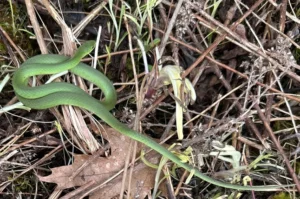
But no matter where they live, snakes mostly keep to themselves. They don’t live in groups or make homes like mammals do.
They live alone and follow their instincts.
Because they can’t control their own body temperature, snakes depend on their environment.
They search for warmth when they’re cold and shade when they’re too hot. This makes them very alert to their surroundings.
They’re always on the lookout, not just for food, but for safety.
They’re Afraid of Being Eaten
Snakes are hunters, but they’re also hunted. Many animals see snakes as food, and this is a big part of what snakes fear most.
Snakes are hunted by:
- Birds like hawks and owls
- Mammals like foxes, raccoons, and mongooses
- Larger snakes
- And of course, humans
To stay safe, snakes try to stay hidden. Their colors often help them blend into the ground or leaves.
If something scary gets too close, they might hiss, coil, or strike, not to pick a fight, but to scare it off. Some snakes even play dead to avoid trouble.
This fear of predators is built into them. It helps them survive.
Weather Changes Can Be Stressful
Because snakes rely on the sun to stay warm, weather has a big effect on how they feel. Sudden change, like a storm, cold front, or heatwave, can stress them out.
If it’s too hot, snakes risk drying out. If it’s too cold, they can’t move properly. Many snakes hide during storms or sleep through winter to stay safe.
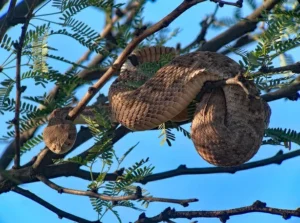
When their hiding places flood or become too exposed, snakes have to move.
That’s not easy for them. Change is stressful, and they’re always searching for calm, safe spaces.
Most Snakes Are Afraid of People
Snakes don’t understand what people are. But to a snake, any big, fast-moving creature is likely a danger. So they stay away.
Snakes can feel vibrations when you walk and may hear loud noises in their own way.
If they catch your scent or see a sudden shadow, they’ll usually try to flee or hide.
Sadly, many people are afraid of snakes, too. This fear leads to a lot of snakes being harmed when all they want is to be left alone.
Pet Snakes Can Get Stressed, Too
Snakes in captivity face different challenges.
In the wild, they can travel, explore, and choose where to rest. In a tank, they’re limited.
If their space is too small or their needs aren’t met, like the wrong temperature, too much noise, or nowhere to hide, they can feel scared and trapped.
Even gentle handling can be scary if the snake hasn’t learned to trust it.
Sudden movements, loud sounds, or unfamiliar people can make a pet snake feel unsafe.
A stressed snake might stop eating, try to escape, or act defensive.
That’s why it’s so important to create a quiet, safe, and steady environment.
Some Fears Are Born, Others Are Learned
Snakes are born with certain instincts. For example, they often react to fast shadows overhead, this helps them avoid birds. Some are wary of bright colors, which can mean danger in nature.
But snakes can also learn fear. If a snake has a bad experience, it may remember it.
A painful bite from prey or a rough handling can make them more cautious the next time.
This shows that snakes are not mindless, they remember what harms them and adjust their behavior to stay safe.
Sometimes Even Food Is Scary
Believe it or not, snakes can be afraid of their own food. If a prey animal is too large, moves aggressively, or fights back, the snake might choose not to attack.
Some frogs have poison in their skin, and some rodents can bite and scratch hard.
A snake would rather skip a meal than risk injury. It’s just another example of how snakes weigh safety above everything else.
Human Changes Create More Stress
As people build more roads, homes, and farms, snakes lose places to hide. Noise, cars, pollution, and pets all create extra stress.
Some snakes now live closer to humans than before, not because they want to, but because they have no choice.
It’s harder for them to stay safe in a world that’s always changing.
This is one reason why conservation matters. We need to protect quiet, wild spaces where snakes can live without fear.
Why It’s Important to Understand Snake Fears
Snakes are an important part of nature. They eat pests like rats and insects. They’re food for other animals. And they help keep ecosystems in balance.
But when they’re scared or stressed, they may act differently. They may strike, hide, or even die earlier than they should.
By learning what scares snakes, we can help protect them. This means building safe spaces, avoiding harm, and teaching others to respect them.
Conclusion
Snakes may seem bold and quiet, but inside, they’re cautious creatures. They fear loud sounds, fast movements, predators, unfamiliar things, and uncomfortable changes.
Their whole life is about survival, and that means being careful.
When you understand what snakes are afraid of, you start to see them differently. They’re not dangerous monsters.
They’re sensitive animals doing their best to live in a fast, changing world.
If you see a snake, give it space. Know that it’s more afraid of you than you are of it.

Hi, my name is Ezra Mushala, i have been interested animals all my life. I am the main author and editor here at snakeinformer.com.