
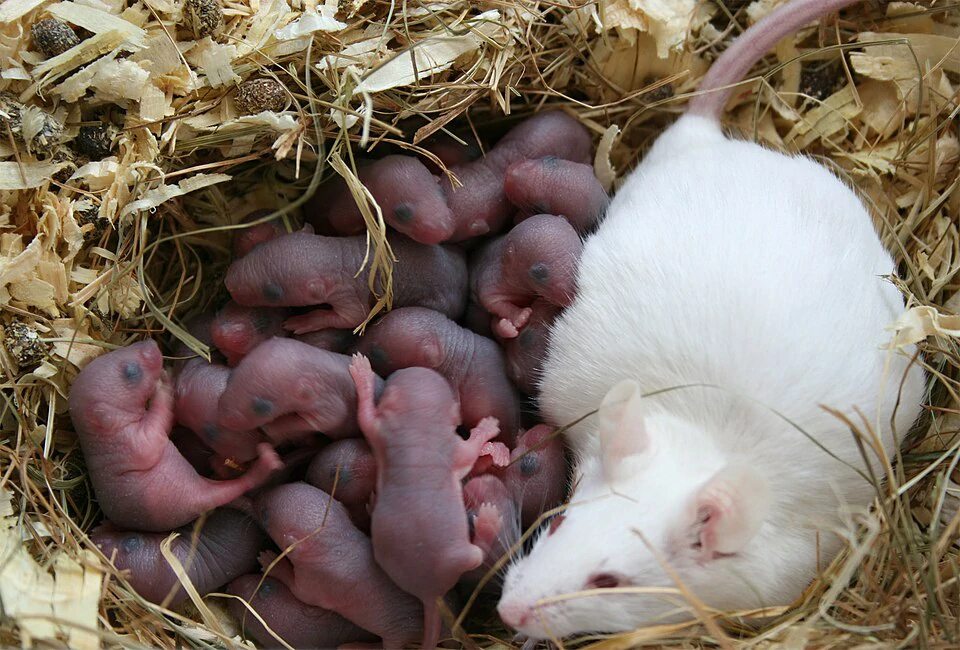
When most people think of getting a pet, they picture dogs, cats, or maybe a hamster or guinea pig.
Rats rarely make the list, and many people are actually disgusted at the idea of keeping rats as pets.
But people who’ve owned pet rats often say they’re among the best pets they’ve ever had, rivaling dogs in terms of companionship and affection. So what are the reasons why rats make good pets?
Rats make good pets because they’re highly intelligent and trainable, form strong bonds with their owners, are affectionate and enjoy cuddling, stay clean through constant grooming, require relatively simple care, display unique personalities, are quiet and don’t need much space, and are inexpensive to buy and maintain compared to most other pets.
Pet rats are completely different from wild rats in terms of temperament and health.
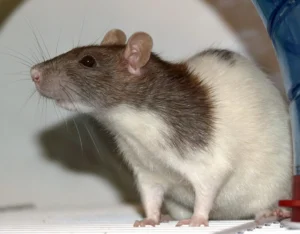
Fancy rats (the kind bred for pets) have been domesticated for over 100 years and are as different from wild rats as dogs are from wolves.
Understanding what makes rats great pets might completely change how you think about these often misunderstood animals.
Rats Are Incredibly Smart and Trainable
One of the most surprising things about pet rats is just how intelligent they are and how much you can teach them.
Rats can learn their names and come when called.
Just like dogs, pet rats recognize their names and will run to you when you call them.

This shows real intelligence and memory that most people don’t expect from small animals.
They can be trained to do tricks using positive reinforcement.
Pet rats learn to stand on their hind legs, spin in circles, jump through hoops, fetch small objects, and navigate obstacle courses. Some owners have taught their rats dozens of different tricks.
Rats understand cause and effect.
They quickly figure out that certain behaviors lead to rewards. If pulling a lever gives them a treat, they’ll remember and repeat that action. This problem-solving ability makes training really fun.
They can learn to use a litter box.
With patience, you can train rats to use a specific corner or litter pan for bathroom needs. While they won’t be 100% perfect like cats, many rats become pretty good at using their designated bathroom area.
Rats solve puzzles and enjoy mental stimulation.

You can give them puzzle toys designed for small animals, and they’ll work to figure them out. They remember solutions to puzzles they’ve solved before, showing good memory and learning ability.
They respond to clicker training just like dogs.
Using a clicker and treats, you can train rats to perform complex behaviors. Some rat owners use clicker training to teach their rats to navigate agility courses or perform tricks on command.
Rats learn from watching and imitating.
If one of your rats learns a trick, others might pick it up just by watching. This social learning makes it easier to train multiple rats at once.
How Affectionate and Social Rats Are
What really surprises people about pet rats is how loving and bonded they become with their owners.
Rats recognize their owners and get excited to see them.
They’ll come to the cage door when you approach, stand up on their hind legs, and show obvious excitement. It’s similar to how a dog greets you when you come home.
They enjoy physical affection and cuddling.
Many rats love to sit on your shoulder, snuggle in your lap, or curl up in your shirt pocket. They’ll often fall asleep on you, which shows they feel safe and comfortable.

Pet rats “groom” their owners as a sign of affection.
They’ll gently nibble your fingers or hands, which is called “grooming.” This is how rats show love to each other, and when they do it to you, it means they consider you part of their family.
They seek out interaction and attention.
Unlike some pocket pets that tolerate handling but don’t really enjoy it, rats actively seek out their owners. They want to be near you and will often come to you for attention.
Rats can sense your emotions and respond to them.
Some rat owners report that their rats seem to know when they’re sad or stressed and will cuddle extra close or stay nearby. While we can’t know exactly what rats are thinking, they do seem to pick up on human emotions.
They bond strongly with their humans.
Pet rats develop deep attachments to their owners. They remember you even after time apart and show preference for their main caregiver over strangers.
Rats are social with both humans and other rats.
They’re happiest when kept in pairs or small groups, and watching them interact with each other adds another layer of enjoyment. They play together, cuddle, and form friendships.
Why Rats Are Cleaner Than You Think
One of the biggest misconceptions about rats is that they’re dirty animals, but pet rats are actually quite clean.
Rats groom themselves constantly throughout the day.
They spend several hours every day grooming, cleaning their faces, washing their paws, and grooming their fur. They’re actually cleaner than many other pets.
They don’t have the strong odor people associate with rodents.
While their cage needs regular cleaning (like any pet), the rats themselves don’t smell bad. If your rat cage smells, it’s because the cage needs cleaning, not because rats are inherently stinky.
Male rats can be trained to groom themselves less often on you.
Some male rats go through phases where they produce oily fur (called “buck grease”), but this is manageable with occasional baths and doesn’t affect all males.
Rats are naturally tidy about their living space.
They often designate specific areas of their cage for sleeping, eating, and using the bathroom. This natural organization makes cage cleaning easier.

You can give rats baths if needed.
While most rats don’t need regular baths (their self-grooming is sufficient), you can bathe them if they get into something messy. Many rats enjoy water and will swim or play in shallow water.
Their waste is small and manageable.
Compared to larger pets like rabbits or guinea pigs, rats produce relatively small amounts of waste. Daily spot-cleaning and weekly deep cleaning keeps the cage fresh.
Fancy rats don’t carry the diseases wild rats do.
Pet rats from reputable breeders or pet stores are born in captivity and don’t carry the diseases associated with wild rats. They’re as safe to handle as any other domestic pet.
The Practical Benefits of Rats as Pets
Beyond personality and intelligence, rats have several practical advantages that make them easier to care for than many other pets.
Rats are inexpensive to buy and maintain.
The initial cost of a rat is usually $10-$30, which is much less than most pets. Food, bedding, and basic supplies are also cheap compared to dogs, cats, or even some other small pets.
They don’t require much space.
A good-sized cage for a pair of rats takes up less room than a large dog crate. You can keep rats in an apartment or small home without space being an issue.
Rats are quiet animals.
Unlike dogs that bark, birds that scream, or hamsters that run on noisy wheels all night, rats are generally quiet. They make soft sounds occasionally but won’t disturb neighbors or keep you awake.
They don’t need to be walked or exercised outside.
Unlike dogs, rats get their exercise through play inside their cage and during supervised out-of-cage time. There’s no need for daily walks in bad weather.
Rats are okay being alone during a work day.
As long as they have a cage mate for company, rats can entertain themselves while you’re at work. They don’t need constant attention like some pets do.
Their diet is simple and inexpensive.
Rats eat commercial rat food (pellets or blocks) supplemented with fresh fruits, vegetables, and occasional treats. You don’t need specialized or expensive food.

Vet care is less common than with some pets.
While rats should see a vet if they get sick, routine vet visits aren’t necessary like they are for dogs and cats. This saves money over the pet’s lifetime.
They’re portable and easy to travel with.
If you need to take your rats somewhere, they travel well in a carrier. You can bring them to stay at a friend’s house much easier than you could with a dog or cat.
The Unique Personalities Rats Display
Each rat has its own distinct personality, which makes them interesting and engaging pets.
Some rats are bold explorers who want to investigate everything.
These adventurous rats will climb all over you, explore new spaces eagerly, and be the first to try new foods or toys. They’re confident and curious.
Other rats are more cautious and observant.
These rats prefer to watch new situations before participating. They might take longer to warm up to you but are often very sweet once they feel comfortable.

Some rats are cuddly lap rats who want constant affection.
These rats will seek you out for cuddles, fall asleep on you, and want to be near you as much as possible. They’re like tiny dogs in their need for physical contact.
Others are more independent and active.
These rats enjoy interaction but also like to explore and play on their own. They’re perfectly friendly but don’t need to be on you all the time.
You’ll notice individual quirks and preferences.
One rat might love a particular treat that another rat ignores. Some rats prefer certain toys or sleeping spots. These individual preferences make each rat unique.
Rats have different energy levels.
Some are always active and playful, while others are more laid-back and relaxed. You’ll notice these differences even between rats from the same litter.
They show preferences for different activities.
Some rats love to wrestle and play-fight with their cage mates. Others prefer gentle grooming sessions. Some are food-motivated while others care more about exploration.
Personalities can change as rats mature.
Young rats tend to be more energetic and playful, while older rats often become calmer and more cuddly. But even within these general patterns, individual personalities shine through.
Why Rats Are Good for Different Types of Owners
Rats work well as pets for various people and situations, which adds to their appeal.
They’re great starter pets for responsible children.
With adult supervision, children as young as 8-10 can learn to care for rats. Rats are sturdy enough to handle gentle interaction and patient enough to tolerate learning owners.
Rats are perfect for apartment living.
They don’t make noise that will bother neighbors, don’t need outdoor space, and won’t damage apartments the way some larger pets might. Many landlords who don’t allow cats or dogs will allow caged pets like rats.
They’re good companions for people with limited mobility.
Unlike dogs that need walks, rats can provide companionship without demanding physical activities their owner can’t manage. Out-of-cage playtime can happen in limited spaces.
Rats work well for people with busy schedules.
They don’t need the time commitment of dogs but provide more interaction than fish or reptiles. An hour or two of daily attention plus basic daily care is sufficient.
They’re ideal for people who want affectionate pets but can’t have larger animals.
If you rent a place with pet restrictions, have allergies to cats or dogs, or just don’t have space for larger pets, rats provide many of the same benefits in a smaller package.
Students can keep rats in dorms where allowed.
Their small size, quiet nature, and low maintenance make them suitable for dorm life where other pets wouldn’t work.
They’re therapeutic for people dealing with anxiety or depression.
The routine of caring for rats, their affectionate nature, and their entertaining personalities can help with mental health. Some people find watching and interacting with rats calming.
How Rats Entertain and Amuse Their Owners
Beyond being affectionate, rats are genuinely entertaining animals to watch and interact with.
Rats are naturally playful and will play with you.
They’ll play chase games, tug-of-war with small ropes, and even play-fight with your hand (gently). This interactive play is fun for both you and the rats.
They have funny quirks and behaviors.
Rats do things like “popcorning” (jumping straight up when happy), teeth grinding when content (like purring), and “boggling” (their eyes bug out and pulse when they’re very happy). These behaviors are amusing to watch.

Rats are curious and will explore everything.
Watching rats explore new areas is entertaining. They’ll investigate every corner, climb on everything they can, and check out any new object with interest.
They interact in funny ways with each other.
Rat play-fighting looks adorable. They’ll wrestle, chase each other, and pile up together to sleep. These social interactions are constantly amusing.
You can set up obstacle courses and watch them navigate.
Creating challenges for your rats and watching them figure out solutions is fun. They’ll learn the course and get faster at completing it.
Rats have different sleeping positions that are hilarious.
They’ll sleep sprawled out, piled on top of each other, hanging from hammocks in weird positions, or curled up in tiny balls. Their sleeping habits are endlessly photographable.
Their curiosity leads to funny situations.
Rats get into everything, which sometimes results in them getting stuck in cardboard tubes, falling asleep in weird places, or discovering things you didn’t mean for them to find.
The Benefits of Having Multiple Rats
Rats are social animals, and keeping at least two actually makes them better pets.
Rats need rat companionship to be truly happy.
In the wild, rats live in large social groups. Pet rats kept alone often become depressed or develop behavioral problems. Having cage mates keeps them mentally healthy.
Multiple rats are more entertaining to watch.

Seeing rats interact with each other is part of the joy of rat ownership. They play, groom each other, sleep together, and communicate in ways they can’t with humans.
Rats teach each other good behavior.
If one rat is well-socialized and comfortable with handling, new rats often learn from watching. This makes introducing new rats easier.
Your rats have company when you’re not available.
Even if you’re at work or busy, your rats aren’t lonely because they have each other. This reduces the guilt some pet owners feel about leaving pets alone.
Multiple rats don’t require significantly more care than one.

They share a cage, eat the same food, and can be handled at the same time. The care requirements don’t double with a second rat.
Different rats will bond with you in different ways.
Having multiple rats means you get to experience different personalities and types of relationships. Each rat will interact with you differently.
What Makes Rats Easy to Care For
Compared to many other pets, rats have straightforward care requirements that don’t demand excessive time or money.
Basic rat care takes maybe 30-60 minutes per day.
This includes feeding, giving fresh water, spot-cleaning the cage, and spending time with them. It’s much less demanding than dogs.
The cage setup is simple once established.
You need a decent-sized cage (bigger is better), bedding, food and water containers, hammocks or hideouts, and a few toys. Once it’s set up, maintenance is just regular cleaning.
Rats eat a variety of foods without needing specialized diets.
Commercial rat blocks or pellets provide complete nutrition. You can supplement with fresh fruits, vegetables, cooked pasta, eggs, and other human foods (in moderation). They’re not picky eaters.
Health problems are usually obvious and treatable.
Rats show clear signs when they’re sick (respiratory issues, lumps, lethargy). Most common rat health problems respond well to treatment if caught early.
You can find rat-savvy vets in most areas.
While not all vets treat rats, “exotic” vets or those who see small animals can usually help. Many rat owners find good vets without too much trouble.
Supplies are readily available and affordable.
Pet stores carry rat food, bedding, and accessories. You can also order supplies online. Nothing you need is rare or expensive.
Cage cleaning is straightforward.
Remove soiled bedding daily, do a full cage clean weekly (wash all items, replace bedding, wipe down surfaces), and you’re done. It’s not complicated or time-consuming.
Why Rats Are Good for Learning Responsibility
For families with children, rats can teach important lessons about pet care and responsibility.
Daily feeding and water changes teach routine responsibility.
Kids can handle these basic tasks, learning that pets depend on them for care. Rats won’t let you forget feeding time because they’ll remind you.
Weekly cage cleaning teaches thoroughness.
Properly cleaning a rat cage requires doing the job completely, not just halfway. Kids learn that shortcuts lead to smelly cages and unhappy rats.
Handling rats gently teaches empathy and care.
Children learn to be gentle and consider the rat’s feelings and comfort. This builds empathy for other living things.
Watching rats’ health teaches attention to detail.
Noticing small changes in behavior, appetite, or appearance teaches observational skills. Kids learn to monitor their pets’ wellbeing.
The financial responsibility is manageable for kids.
Unlike expensive pets, kids can often afford to contribute to or fully cover rat care costs from allowance or chore money. This teaches financial responsibility without being overwhelming.
Dealing with illness or death teaches coping with loss.
Rats live 2-3 years on average, so children will likely experience the death of a pet rat. While sad, this teaches valuable lessons about life, death, and grief in a manageable way.
The Lifespan Consideration
Rats live 2-3 years on average, and while this seems short, it’s actually a benefit in some situations.
The short lifespan means less long-term commitment.
If you’re unsure about a 10-15 year commitment like you’d make with a dog or cat, rats let you experience pet ownership with a shorter commitment.
It’s less devastating for children when rats pass.
While children will be sad, losing a pet after 2-3 years is less traumatic than losing a pet they grew up with for 10+ years. It’s a gentler introduction to pet loss.
You can experience different rat personalities over time.
Because rats don’t live as long, you can meet and bond with many different rats over the years. Each new rat brings new personality traits and experiences.
The shorter lifespan works for people whose circumstances might change.
If you’re in college, planning to move, or have an uncertain future, a 2-3 year commitment is more manageable than a decade-plus commitment.
Conclusion
Rats make good pets because they combine the intelligence and affection of much larger animals with the space efficiency and affordability of small pets, while having unique personalities and genuinely enjoying human interaction.
They’re trainable like dogs, clean like cats, social with their own kind, and require minimal space and expense. For people willing to look past the unfair stigma against rats, these animals provide companionship, entertainment, and affection that rivals any traditional pet.
If you’re considering a pet rat, visit a local breeder or rescue to meet some rats in person.
You’ll probably be surprised by how friendly, curious, and affectionate they are. Many people who were initially hesitant become lifelong rat enthusiasts after getting to know these amazing little animals. The key is getting rats from reputable sources and learning proper care, which sets you up for a rewarding pet ownership experience.

Hi, my name is Ezra Mushala, i have been interested animals all my life. I am the main author and editor here at snakeinformer.com.