
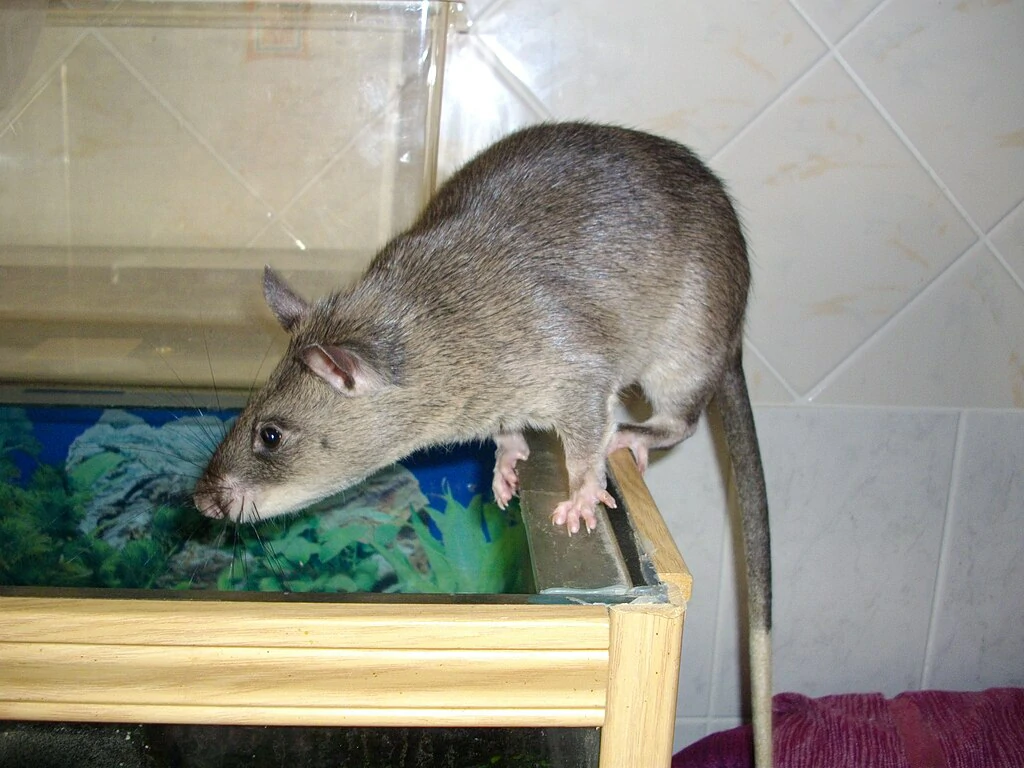
Rats get a bad reputation. Most people think of them as dirty pests that spread disease and destroy property. But people who actually know rats (pet owners, researchers, and wildlife experts) have a completely different view.
Once you learn about what rats can actually do and how they behave, it’s hard not to be impressed. So what are the reasons why rats are cool?
Rats are cool because they’re incredibly intelligent (they can solve complex puzzles and learn their names), highly social animals that form bonds and show empathy, amazingly adaptable to almost any environment, physically impressive with abilities like jumping three feet high and swimming for days, and they’ve contributed massively to medical science by helping develop treatments for diseases. Their survival skills, emotional complexity, and cognitive abilities make them way more interesting than most people realize.
Once you get past the negative stereotypes and actually look at what rats can do, these animals are genuinely amazing creatures that deserve way more respect than they get.
Rats Are Seriously Intelligent
The intelligence of rats is actually shocking when you compare them to other animals. They’re not just smart for rodents – they’re smart period.
Rats can solve complex puzzles and mazes. In laboratory studies, rats learn to navigate complicated maze systems, remember the routes, and find shortcuts.
They can solve multi-step problems that require planning ahead, which shows real reasoning ability.

They can learn their own names. Pet rat owners consistently report that their rats respond when called, just like dogs. They recognize the specific sound of their name and distinguish it from other words.
Rats understand cause and effect. If they pull a lever and food appears, they quickly make the connection.
They can learn to perform sequences of actions to get rewards, showing they understand that their actions have predictable results.
They can even be trained to do tricks. Rats learn to come when called, stand up, jump through hoops, and run obstacle courses. Some owners have trained their rats to play basketball or fetch small objects.
Studies show rats can make decisions based on what they know versus what they don’t know. This metacognition (thinking about thinking) was once thought to be unique to humans and great apes.
Rats can actually assess their own knowledge and make choices based on confidence levels.
Rats Show Real Empathy and Emotional Intelligence
One of the coolest things about rats is their emotional complexity. They’re not just surviving – they’re feeling and responding to emotions in ways that look a lot like human empathy.
Rats will help other rats in distress. In one famous experiment, rats learned to open a cage to free another rat that was trapped. The free rats worked to release their trapped companions, even when there was no benefit to themselves.

Even more impressive, when rats were given a choice between freeing a trapped companion or eating chocolate (which rats love), many rats freed their friend first before going for the chocolate. Some rats even saved half the chocolate to share with the freed rat.
Rats laugh when they’re tickled. Researchers have recorded ultrasonic vocalizations (sounds too high for humans to hear) that rats make when playing or being tickled. These sounds are similar to human laughter and show rats experience joy.
They show visible distress when other rats are in pain. Studies where rats watched other rats receive mild shocks showed the observing rats became stressed and anxious. This suggests they can understand that other rats are suffering.
Rats form strong bonds with their companions. Bonded rats sleep together, groom each other, and show clear preferences for spending time with specific individuals. When separated from bonded companions, rats show signs of depression and stress.
Their Physical Abilities Are Incredible
Rats might be small, but what they can do physically is honestly amazing. Their bodies are perfectly designed for survival.
Rats can jump up to three feet vertically and four feet horizontally. This jumping ability lets them access places that seem impossible for their size. They can leap from ground to counter or from one surface to another with ease.

They’re excellent swimmers. Rats can tread water for three days straight and can swim for half a mile without stopping. Norway rats especially are adapted for water and can even swim up through toilet pipes (which is both impressive and horrifying).
Rats can squeeze through holes the size of a quarter. Their skull is the only rigid part of their body – the rest can compress and contort to fit through incredibly small openings. If their head fits, their whole body can follow.
They can fall from heights of 50 feet and survive. Rats have a high surface-area-to-weight ratio, which means they reach terminal velocity at lower speeds than larger animals. This makes them incredibly resistant to fall damage.
Their teeth are amazingly strong. Rat teeth have a Mohs hardness rating harder than iron and almost as hard as steel. They can chew through concrete, cinder blocks, and even lead pipes. Their bite force relative to body size is incredible.
Rats can climb almost any vertical surface. Brick walls, stucco, rough wood, even the inside of pipes – rats scale surfaces that seem impossible. Their claws and grip strength make them excellent climbers.
Rats Are Survival Experts
The adaptability and survival skills of rats are what make them so successful as a species. They can survive almost anywhere, which is actually really impressive.
Rats live on every continent except Antarctica. They’ve adapted to deserts, cities, farms, islands, sewers, and forests. Few animals are this successful across such diverse environments.
They can eat almost anything. Rats are true omnivores and can survive on diets ranging from grains to meat to garbage. This dietary flexibility is a huge survival advantage. They can switch food sources when one becomes scarce.
Rats can survive without water longer than camels. They get moisture from their food and produce very concentrated urine to conserve water. In dry environments, this ability to survive on minimal water is critical.
They reproduce incredibly fast. A female rat can have 5-10 litters per year with 6-12 babies each time. This rapid reproduction means rat populations can bounce back from almost any setback.
Rats have excellent senses. Their hearing picks up ultrasonic sounds, their sense of smell is incredibly sensitive, and their whiskers can detect air currents and navigate in complete darkness. These senses help them avoid danger and find resources.
They’re neophobic (afraid of new things), which actually helps them survive. Rats are cautious about new foods and objects in their environment. This wariness helps them avoid poisons and traps. They’ll watch other rats try new things first before risking it themselves.
Rats Have Contributed Massively to Medical Science
This might be the most important reason rats are cool. They’ve helped save millions of human lives through medical research.
Rats have been used in research for over 100 years. During this time, they’ve contributed to breakthroughs in understanding cancer, diabetes, heart disease, mental illness, and countless other conditions.
The development of most modern medicines involved rat testing at some point. Before drugs can be tested on humans, they go through animal trials, and rats are often the first mammal tested. This means rats helped develop antibiotics, vaccines, and life-saving treatments.
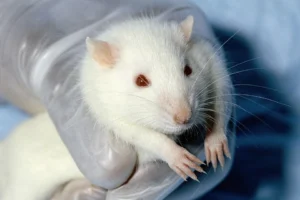
Rats were critical in understanding nutrition. Studies on rats led to the discovery of vitamins and essential nutrients. Research on rat diets helped establish what humans need to eat to stay healthy.
Brain research on rats has helped us understand memory, learning, and neurological diseases. Because rat brains share important similarities with human brains, studying them teaches us about conditions like Alzheimer’s and Parkinson’s.
The rat genome was sequenced in 2004. This complete genetic map helps researchers understand genetics, heredity, and how genes affect health. Comparisons between rat and human genes reveal important information about human biology.
Cancer research relies heavily on rats. Many cancer treatments were developed using rat models. Rats can develop similar cancers to humans, making them valuable for testing potential treatments.
Rats Are Super Social and Form Complex Communities
Watching how rats interact with each other shows just how socially sophisticated they are. They’re not just living together – they’re forming actual communities with social structures.
Rats recognize individuals and remember them. In a group of rats, each one knows who the others are and remembers past interactions with them. This recognition shows cognitive complexity.
They have dominance hierarchies but they’re not overly aggressive about it. Rat groups establish who’s in charge through mostly peaceful interactions. The hierarchy reduces conflict because everyone knows their place.
Rats groom each other as social bonding. Mutual grooming isn’t just about staying clean – it’s how rats maintain relationships and show affection. Rats that groom each other more tend to have stronger bonds.
They communicate through vocalizations, body language, and scent. Rats have complex communication systems with different sounds for different situations. They can warn each other about danger, invite play, or express contentment.
Young rats play-fight to learn social skills. Watching baby rats wrestle and chase each other looks a lot like how puppies and kittens play. This play teaches them social boundaries and physical skills.
Rats show clear mourning behavior when companions die. They become less active, eat less, and show signs of depression after losing bonded companions. This grief response suggests deep emotional connections.
They Learn and Remember Better Than Many Animals
The memory capabilities of rats are actually better than a lot of animals that people consider smarter.
Rats can remember complex routes and locations. Once a rat learns a route to food or shelter, it remembers it for months or even years. They create mental maps of their territory.
They can distinguish between dozens of different smells and remember what each one means. This smell memory helps them identify food sources, recognize individuals, and detect danger.
Rats learn from observation. They watch other rats solve problems and then use those solutions themselves. This social learning means knowledge spreads through rat populations quickly.
They can learn to associate symbols with meanings. In experiments, rats have learned to press buttons with specific symbols to get different rewards. They can tell shapes, colors, and patterns apart.
Long-term memory in rats is surprisingly good. Rats trained to perform tasks can remember how to do them months later without practice. This shows their memories are being stored effectively.
They can learn rules and apply them to new situations. If a rat learns “press the lever when the light is on,” it can apply that rule even in a different box or with different lights. This generalization shows real understanding, not just rote memorization.
Rats Are Cleaner Than Their Reputation Suggests
One of the biggest myths about rats is that they’re dirty. In reality, rats are actually pretty clean animals that groom themselves constantly.
Rats spend several hours a day grooming. They clean their fur, paws, and tail meticulously. A healthy rat is actually very clean – it’s the environments they sometimes live in (sewers, garbage) that are dirty.
They designate bathroom areas away from where they sleep and eat. Pet rat owners notice this immediately – rats will consistently use one corner of their cage for waste and avoid contaminating other areas.
Rats groom each other, which is called allogrooming. This social grooming keeps the whole group clean and also strengthens social bonds. They’re very thorough about cleaning each other’s ears, face, and back.
Their grooming behavior is similar to cats. Watch a rat clean itself and you’ll see it uses the same techniques – licking paws and washing the face, grooming the body, cleaning the tail. They’re meticulous about it.
Wild rats living in clean environments are just as clean as pet rats. The difference is environment, not the rats themselves. Rats that have access to clean living conditions keep themselves clean.
The Variety of Rat Breeds Is Surprising
If you only know about wild brown rats, you’re missing out on the incredible variety of rat types that exist through both natural variation and selective breeding.
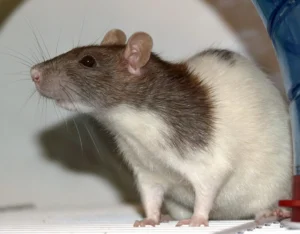
Fancy rats (domesticated rats bred as pets) come in dozens of colors. There are black, white, gray, brown, beige, and even blue-gray rats. Some have patterns like hooded (colored head and shoulders with white body) or spotted.
Coat types vary too. Besides standard smooth fur, there are rex rats with curly fur, hairless rats with no fur at all, and dumbo rats with round ears on the sides of their heads instead of on top.
Size varies significantly. Some rat breeds are larger and stockier, while others are smaller and more slender. Wild rats tend to be smaller than well-fed pet rats.
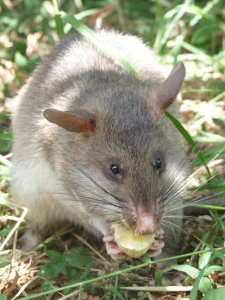
Different species exist naturally. Norway rats are the big brown rats most people think of, but roof rats (black rats) are smaller and better climbers. Giant pouched rats in Africa can weigh over three pounds.
Selective breeding has created rats with different temperaments too. Some lines are bred to be especially calm and friendly, making them better pets. Others are bred for specific research purposes.
The diversity in rats shows how adaptable and variable this species can be. From tiny wild rats to large friendly pets, there’s more variety than most people realize.
Rats in Culture and History
Rats have played interesting roles in human culture and history beyond just being pests. Some of these stories show how connected rats and humans have been.
In Chinese culture, rats are the first animal of the zodiac. People born in the Year of the Rat are considered clever, quick-witted, and resourceful. This is a much more positive view than Western cultures typically have.
Ancient Egyptians sometimes kept rats as pets. Archaeological evidence shows rats living alongside humans in ancient Egypt, and some artwork depicts rats in domestic settings.
The temple of Karni Mata in India houses thousands of rats that are considered sacred. Pilgrims travel there to worship and feed the rats, showing a cultural reverence that’s completely opposite to Western rat attitudes.
Rats in literature often represent cleverness and survival. From the Pied Piper story to “The Amazing Maurice and His Educated Rodents,” rats in stories are typically smart, adaptable characters.
The impact of rats on human history through the plague shaped European culture in profound ways. While the disease was terrible, it changed social structures, economics, and even art and literature. Rats were at the center of one of history’s most significant events.
Why Rats Make Great Pets
For people who’ve never considered it, rats can actually be excellent pets. They combine the best traits of several popular pet species.
Rats are affectionate and bond with their owners. Unlike hamsters or gerbils, rats actively seek interaction and enjoy being handled. They recognize their owners and show genuine excitement when they approach.

They’re easy to train compared to most small pets. Rats learn their names, come when called, and can perform tricks. Training rats is similar to training dogs, just on a smaller scale.
Rats are relatively low-maintenance. They don’t need walks, they groom themselves, and they don’t require huge amounts of space. A decent-sized cage and daily interaction are the main requirements.
They’re playful and entertaining to watch. Rats love toys, obstacle courses, and exploring new things. Watching rats play and solve problems is genuinely fun.
Pet rats are generally healthy if properly cared for. With good genetics, proper diet, and clean living conditions, pet rats can live 2-3 years and stay active throughout their lives.
They’re quiet pets. Unlike dogs that bark or birds that screech, rats make minimal noise. They’re perfect for apartments or situations where noise is a concern.
The social nature of rats means they’re interactive pets. They’ll ride on your shoulder, play games with you, and genuinely enjoy your company rather than just tolerating handling.
Conclusion
Rats are cool for so many reasons that have nothing to do with being pests. They’re incredibly intelligent animals that can solve problems, learn tricks, and even understand abstract concepts.
Their emotional intelligence rivals many animals we consider much smarter – they show empathy, form bonds, and help each other in ways that suggest real understanding of others’ feelings.
Physically, rats are impressive survivors. They can jump three feet high, swim for days, squeeze through impossibly small spaces, and survive falls that would kill most animals.
Their adaptability has let them colonize every continent and survive in environments from deserts to arctic research stations.
The contributions rats have made to medical science can’t be overstated. Millions of lives have been saved because of medical advances developed using rat research. They’ve helped us understand diseases, develop treatments, and improve human health in countless ways.
Socially, rats are complex creatures that form communities, communicate in sophisticated ways, and maintain relationships with individual recognition and memory.
They’re cleaner than their reputation suggests, grooming themselves for hours daily and designating specific bathroom areas.
Whether you’re interested in animal intelligence, physical abilities, emotional complexity, or just looking for an interesting pet, rats have a lot to offer.
Once you get past the stereotypes and learn what they’re actually like, it’s hard not to find rats genuinely cool animals that deserve way more appreciation than they typically get.

Hi, my name is Ezra Mushala, i have been interested animals all my life. I am the main author and editor here at snakeinformer.com.