
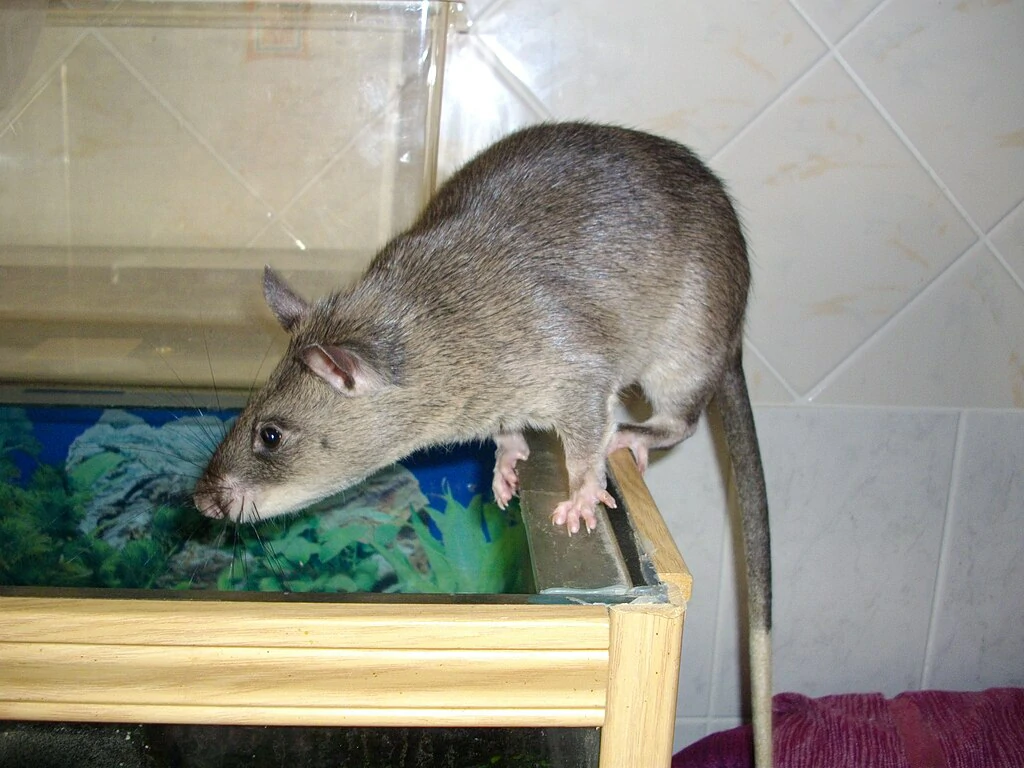
Rats often get praised as wonderful pets. You’ll hear people talk about how smart they are, how affectionate they can be, and how much personality they have packed into their small bodies.
While all of that can be true, there’s another side to rat ownership that doesn’t get talked about as much. Rats come with some real challenges that can make them difficult pets for many people.
Some of these issues might seem small at first, but they can become big problems over time. So what are the reasons why rats are bad pets?
Rats make bad pets for many people because they have very short lifespans (only 2-3 years), need expensive vet care, can carry diseases, produce strong odors, and require daily attention and companionship. They’re also nocturnal, which means they’re noisy at night when you’re trying to sleep.
These challenges don’t make rats bad animals, but they do make them bad fits for a lot of households.
Understanding these downsides before you get rats can save you (and the rats) a lot of trouble.
Their Lifespan Is Heartbreakingly Short
The biggest heartbreak of owning rats is how quickly you lose them. Most pet rats only live two to three years, with some making it to four if they’re really lucky and healthy. This means you’re basically guaranteed to experience the loss of your pet within a very short time.
Compare this to other common pets. Dogs live ten to fifteen years on average. Cats can live fifteen to twenty years. Even hamsters live longer than rats, usually making it to three or four years.

Guinea pigs can live five to seven years. Rats have one of the shortest lifespans of any common pet.
This short lifespan hits harder because rats are so intelligent and affectionate. You form a real bond with them, they learn their names, they come when you call, and then suddenly they’re gone.
Some people can handle this and see it as making every moment more precious. But for others, it’s just too painful to go through every few years.
Vet Care Is Expensive and Hard to Find
Rats need vet care just like any other pet, but finding a vet who actually knows how to treat rats can be really difficult. Not all vets see exotic pets, and even among exotic vets, not all of them have much experience with rats specifically.
When you do find a good exotic vet, the costs can be shocking. A basic checkup might run you $50 to $100. If your rat gets sick (which happens often), you’re looking at more.
Respiratory infections are extremely common in rats and treating them can cost $100 to $200 or more. Tumor removal surgery can easily cost $500 to $1,000 or even higher.
The real problem is that rats get sick a lot, especially as they get older. Respiratory problems, tumors, kidney disease, and heart issues are all common.
You might spend more on vet bills in a rat’s two-year life than you would on a dog over several years. And because rats are small, they can go downhill very quickly when they’re sick, which means you can’t always wait for regular business hours.
They Can Carry Diseases That Spread to Humans
Rats can carry several diseases that can spread to people. The most common concern is salmonella, which lives in their digestive system and comes out in their droppings.
You can pick it up by touching a rat and then touching your mouth, or by touching things the rat has walked on.

Rat bite fever is another disease that rats can carry. Despite the name, you don’t have to be bitten to get it. You can catch it from scratches or even just from handling a rat that carries the bacteria.
Symptoms include fever, vomiting, headaches, and muscle pain. It’s treatable with antibiotics, but you need to catch it early.
Hantavirus is rare but serious. It’s usually spread through breathing in dust contaminated with rat urine or droppings. While this is more common with wild rats, pet rats can potentially carry it too.
The virus can cause severe respiratory problems and can be deadly if not treated.
Lymphocytic choriomeningitis (LCMV) is a viral infection that rats can carry and spread through their urine, droppings, saliva, or nesting materials.
Most healthy adults who get it will only have mild flu-like symptoms, but it can be dangerous for pregnant women and people with weak immune systems.
The Smell Can Be Really Strong
Rats are clean animals that groom themselves constantly, but their urine is incredibly strong-smelling. Male rats especially have very pungent urine that they use to mark their territory.
They’ll mark everything, including you when you handle them.
Even with frequent cage cleaning, a rat cage will develop a smell. Some people describe it as musky or ammonia-like.
If you fall behind on cleaning even by a day or two, the smell can get overwhelming. And if you keep multiple rats (which you should, since they’re social), the smell multiplies.
The smell can stick to furniture, bedding, and clothes in the room where you keep the cage. Some landlords won’t allow rats specifically because of odor complaints.
Even if you keep the cage spotlessly clean, visitors to your home will probably notice the smell.
Some rats also mark with small drops of urine when they’re excited or exploring. This means during playtime outside the cage, they might leave tiny spots of urine on your couch, bed, or clothes.
You can train them to some degree, but the marking behavior is instinctive and hard to completely stop.
They’re Nocturnal and Noisy at Night
Rats are most active at dawn and dusk, and many are active throughout the night. This wouldn’t be a problem except that rats are not quiet animals.
They run on wheels, rearrange their bedding, wrestle with cage mates, chew on cage bars, and move things around constantly.
If you keep the rat cage in your bedroom (which some people do for companionship), good luck sleeping. The noise can be really disruptive.
Even in another room, you might hear them if your walls are thin or your home is small.
Some rats also make vocalizations at night. They might squeak during play fighting, brux (grind their teeth) when they’re happy, or make distress calls if something scares them.
These sounds can wake you up at 2 AM when you have to work the next day.
You can’t really change their nocturnal nature. It’s hardwired into them. You can try to shift their schedule slightly by interacting with them at certain times, but they’ll always be more active at night than during the day.
They Need Companionship (Which Means More Work and Cost)
Rats are extremely social animals that get lonely and depressed when kept alone. Most experts strongly recommend keeping at least two rats together.
Some say three or more is even better. This means you can’t just get one rat, you need to commit to multiple.
Multiple rats mean multiple times the cost. You need a bigger cage, more food, more bedding, and more vet bills when they get sick.
You also need to make sure the rats get along, which isn’t always guaranteed. Sometimes rats fight, and you might need to separate them into different cages.

When one rat dies, you’re left with a lonely rat. Do you get another rat to keep them company? If you do, that new rat will likely outlive your older rat, leaving you with another lonely rat.
This cycle can go on forever if you’re not careful. Many rat owners find themselves constantly having rats because they can’t bring themselves to leave the last one alone.
Introducing new rats to each other also takes time and effort. You can’t just throw two strange rats together. They need proper introductions over days or weeks to make sure they’ll get along. Sometimes introductions fail and the rats have to stay separated.
They Chew Everything
Rats need to chew constantly because their teeth never stop growing. If they don’t wear their teeth down, the teeth can grow so long that they can’t eat properly. This means they’ll chew on anything and everything they can reach.
During playtime outside the cage, rats will chew on furniture, baseboards, carpet, books, electrical cords, clothes, and anything else they find interesting.
You have to watch them constantly and rat-proof any area where they’ll be playing. Even then, they’re sneaky and fast, and they can do a lot of damage in seconds.
Some rats also become bar chewers, which means they chew on the metal bars of their cage. This creates an annoying repetitive noise and can damage their teeth.
It’s usually a sign of boredom or stress, but it can be really hard to stop once they start.
The chewing isn’t malicious. It’s a biological need. But it means you can’t really let rats roam free in your home unsupervised, and you’ll probably lose some belongings to rat teeth over the years.
Cleaning Takes a Lot of Time
Keeping a rat cage clean isn’t a quick task. You need to do spot cleaning daily (removing soiled bedding and uneaten food) and a full cage clean once or twice a week.
A full clean means taking everything out, washing all platforms and toys, replacing all bedding, and wiping down the cage.
For a proper-sized cage for two or three rats, this can easily take an hour or more each week. If you skip cleanings, the smell gets bad and the rats can develop respiratory problems from ammonia buildup in their urine.
You also need to wash their fabric items (hammocks, blankets, fleece liners) regularly. These can get pretty gross and need to be washed separately from your regular laundry.
Some people won’t even put rat bedding in their washing machine and hand wash everything.
Water bottles need daily cleaning to prevent bacterial growth. Food bowls need washing. The whole setup requires consistent maintenance that you can’t skip or put off without consequences.
They’re Fragile Despite Being Rodents
Rats might seem hardy, but they’re actually pretty fragile. They can get respiratory infections from small things like dusty bedding or a draft.
Temperature changes can stress them out and make them sick. Even something as simple as moving their cage to a different room can be stressful.
Their small size means they can hide illness really well. By the time you notice something is wrong, they might already be seriously sick.
This means you need to watch them carefully every day for subtle signs of problems.
They’re also easy to injure accidentally. Dropping a rat from even a low height can cause serious injury. Stepping on one that escaped the cage can kill them. They can get caught in recliners, crushed in couch cushions, or injured by other pets in the house.
Young children often can’t handle rats gently enough, which makes rats a poor choice for families with small kids. Even older kids need close supervision when handling rats to prevent accidents.
Other Pets Can Be a Serious Problem
If you have dogs or cats, adding rats to your home can be complicated and potentially dangerous. Dogs and cats are predators, and rats are prey animals. Even the sweetest, most gentle dog or cat might have a strong instinct to chase or kill rats.
You can never fully trust other pets around rats. Even if your dog or cat seems disinterested, one quick moment is all it takes for tragedy.
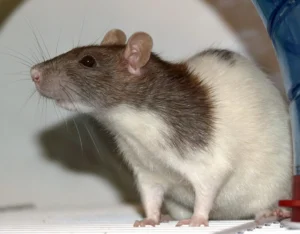
This means you need to be extremely careful about where you keep the rat cage and how you manage playtime.
The stress goes both ways too. Rats can smell and sense predators, and living in the same house as a cat or dog can be stressful for them.
Some rats never fully relax when they can hear or smell a predator nearby.
Birds, ferrets, and some reptiles are also incompatible with rats. Basically, if you already have other pets, you need to think carefully about whether adding rats is realistic or safe.
They’re Not Legal Everywhere
Some cities and states have restrictions on keeping rats as pets. This is more common than you might think. Alberta, Canada has banned all pet rats entirely. Some cities in other areas have similar bans or require special permits.
Even if rats are legal where you live now, what happens if you move? You might find yourself unable to take your pets with you. Or you might need to spend time and money getting special permission or permits.
Rental properties are another issue. Many landlords who accept cats and dogs won’t accept rodents. They worry about the smell, potential damage, or just have a general disgust about rats. This can really limit your housing options.
The Social Stigma Is Real
A lot of people are disgusted by rats. When you tell people you have pet rats, you’ll get reactions ranging from surprise to outright revulsion.
Some friends and family might refuse to visit your home. Others might make rude comments about how rats are dirty or disease-carrying pests.
This social stigma can be isolating. It’s hard to be excited about your pets when people react negatively. Children who have pet rats might get teased at school.
Adults might feel embarrassed to mention their pets at work.
The stigma also extends to dating. Some potential partners will be turned off by the idea of dating someone with pet rats. It might seem shallow, but it’s a real consideration if you’re single.
They Require Daily Interaction
Rats aren’t pets you can ignore for a few days. They need daily interaction and attention or they become depressed, anxious, and can develop behavioral problems. This means you need to commit time every single day to handling and playing with them.
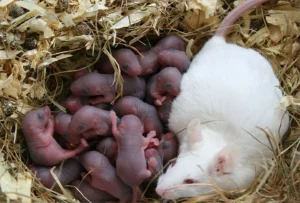
This makes it hard to travel. You can’t just leave extra food and water like you might with a cat. You need to find someone willing to come to your home daily to check on, feed, and interact with your rats. Many pet sitters won’t handle rats, and boarding options are limited.
Even on busy days when you’re tired and just want to relax, the rats still need their time out of the cage. It’s a commitment that doesn’t pause for your schedule or mood.
The Mess Extends Beyond the Cage
Rats kick bedding out of their cage. They drag food around and drop pieces on the floor. During playtime, they leave little poops everywhere they go (rats poop constantly, sometimes dozens of times per hour).
You’ll find yourself constantly sweeping around the cage, vacuuming after playtime, and cleaning up little messes. Some rats also like to stuff food or bedding into corners outside their cage if they can reach through the bars.
If you use fleece bedding or fabric cage liners, you’ll need to shake them out outside because they collect an amazing amount of debris. Paper bedding creates dust that settles on nearby furniture and needs regular wiping.
Health Risks for Certain People
Rats aren’t safe pets for everyone. People with compromised immune systems (from chemotherapy, HIV, organ transplants, or other conditions) shouldn’t keep rats because of disease risk.
Pregnant women need to be careful because some rat-borne diseases can harm unborn babies.
People with asthma or allergies might react to rats, their urine, or the bedding. Some people develop allergies to rats over time, even if they were fine at first. Rat allergies can cause sneezing, itchy eyes, skin rashes, or even breathing problems.
Small children under five shouldn’t handle rats without very close supervision, both for the child’s safety and the rat’s safety. The disease risk is higher for young children who are more likely to put their hands in their mouths after touching rats.
Conclusion
Rats can be wonderful pets for the right person, but they’re definitely not for everyone. Their short lifespans, expensive medical needs, strong odors, disease risks, and high maintenance requirements make them challenging pets.
Add in their nocturnal habits, constant chewing, need for companionship, and the social stigma around them, and you’ve got an animal that demands a lot from its owner.
This doesn’t mean rats are bad animals. It means they’re bad fits for many households and lifestyles. If you work long hours, travel frequently, have other pets, live in a small apartment, or just want a low-maintenance pet, rats probably aren’t the right choice.
Before getting rats, really think about whether you can handle the downsides. Can you afford regular vet care and handle losing your pet in just two or three years? C
an you commit to daily interaction and weekly deep cleaning? Are you prepared for the smell and the mess? If you answered no to any of these questions, you might want to consider a different type of pet.
Being honest about these challenges before getting rats is better for you and much better for the animals.

Hi, my name is Ezra Mushala, i have been interested animals all my life. I am the main author and editor here at snakeinformer.com.