

One of the hardest parts about keeping pet rats is their short lifespans. Most rats only live 2 to 3 years, which means you don’t get nearly enough time with these amazing little creatures.
If you’re looking for a pet rat and want to maximize your time together, you’re probably wondering which type lives the longest. So what rat breed has the longest lifespan?
Standard fancy rats typically have the longest lifespan, living 2 to 3.5 years on average (some reach 4 years). Dumbo rats have similar lifespans. Rex rats usually live 2 to 3 years. Hairless rats have the shortest lifespans at 1.5 to 2.5 years due to their weaker immune systems and health issues.
The variety you choose does affect lifespan, but genetics, care quality, and diet matter just as much. Even the longest-lived varieties need excellent care to reach their maximum potential lifespan.
Standard Fancy Rats Live the Longest
Standard fancy rats consistently outlive most other varieties, and there are good reasons why. These rats have the largest gene pool because they’re the most common variety.
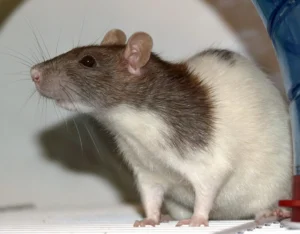
A larger gene pool means less inbreeding, which translates to fewer genetic health problems. Inbred rats tend to have shorter lifespans because harmful genetic traits get concentrated.
Standard fancy rats also have normal fur that protects them from temperature changes and skin injuries. Their normal body structure doesn’t put extra stress on any organs or systems.
Most standard fancy rats live 2 to 3 years, with many reaching 3.5 years if they’re from good genetics and receive excellent care. Some exceptional individuals make it to 4 years, though this is rare.
Average Rat Lifespans by Variety
Here’s a breakdown of expected lifespans for different rat varieties:
| Rat Variety | Average Lifespan | Maximum Lifespan |
|---|---|---|
| Standard Fancy Rat | 2-3.5 years | 4 years |
| Dumbo Rat | 2-3.5 years | 4 years |
| Rex Rat | 2-3 years | 3.5 years |
| Hairless Rat | 1.5-2.5 years | 3 years |
| Tailless Rat | 2-3 years | 3.5 years |
These are averages, and individual rats can live shorter or longer depending on genetics, care, and luck. The quality of breeding stock makes a huge difference in actual lifespans.
Why Dumbo Rats Also Live Long
Dumbo rats have lifespans nearly identical to standard fancy rats. The gene that changes their ear placement doesn’t seem to affect their overall health or longevity.
Like standard rats, Dumbo rats benefit from being popular enough to have good genetic diversity. Responsible breeders have large breeding programs that keep the gene pool healthy.
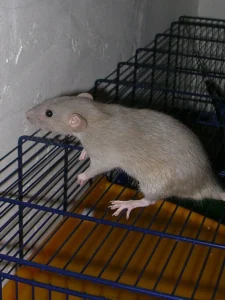
Dumbo rats don’t have any inherent health problems related to their ear placement. Their ears work perfectly fine, they don’t get more ear infections, and their balance isn’t affected.
If you want a rat with a longer lifespan but prefer the look of Dumbo ears, you’re not sacrificing longevity. You’ll get the same 2 to 3.5 year average as a standard rat.
Rex Rats Have Slightly Shorter Lives
Rex rats (with their curly fur and whiskers) typically live around 2 to 3 years. While this overlaps with standard rats, they’re less likely to reach that upper 3.5 to 4 year range.
The genes that create their curly coat can sometimes be linked to weaker immune systems. Rex rats might be slightly more prone to respiratory infections than standard rats.
Their curly whiskers are often shorter and more brittle than normal whiskers. While this doesn’t directly affect lifespan, it can impact their quality of life since rats use whiskers to navigate.
Not all Rex rats have shorter lives, but on average, they don’t quite match the longevity of standard fancy rats.
Hairless Rats Have the Shortest Lifespans
Hairless rats consistently live shorter lives than furred varieties, usually between 1.5 and 2.5 years. Some make it to 3 years, but this is less common.
Without fur for protection and insulation, hairless rats face more health challenges throughout their lives. They’re more prone to skin infections, cuts, and scratches.
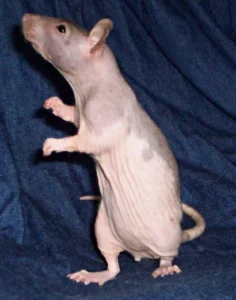
Hairless rats also have weaker immune systems compared to furred rats. They get sick more easily and take longer to recover from illnesses.
Their bodies work harder to maintain body temperature without fur insulation. This constant extra energy expenditure might contribute to shorter lifespans.
What Actually Determines Rat Lifespan?
Variety is just one factor in how long a rat lives. Several other things play equally important or even more important roles.
Genetics from the breeding line matters hugely. Rats from lines bred for health and longevity live longer than rats from lines where nobody pays attention to these traits.
Diet affects lifespan significantly. Rats fed high-quality lab blocks with fresh vegetables live longer than rats fed cheap seed mixes or human junk food.
Living conditions matter too. Rats in properly sized cages with good ventilation, clean bedding, and low ammonia levels live longer than rats in cramped, dirty conditions.
Veterinary care extends lifespans. Rats that get regular checkups and prompt treatment for illnesses obviously live longer than rats that never see a vet.
Male vs Female Lifespan Differences
Interestingly, female rats often live slightly longer than males across all varieties. The difference isn’t huge, but it’s noticeable.
Female rats average about 2.5 to 3 years, while males average 2 to 2.5 years. Again, this varies by individual and depends on care and genetics.

Male rats are more prone to certain health issues. They develop testicular tumors and hormone-related problems more often than females.
However, female rats have their own health challenges. Mammary tumors are extremely common in female rats, especially after 18 months old. Still, they seem to cope with these issues better than males do with theirs.
How Breeding Quality Affects Longevity
Two rats of the same variety can have vastly different lifespans depending on where they came from. Breeding quality is that important.
Responsible breeders track which rats live longest and only breed from lines with good longevity. They also avoid breeding rats with health problems or rats from families with short lifespans.
Feeder rats (bred as snake food) have notoriously short lifespans, often not making it past 18 months to 2 years. Nobody’s selecting these rats for health or longevity.
Pet store rats fall somewhere in between. Some come from decent stock and live normal lifespans, but many have questionable genetics and die young.
Common Health Issues That Shorten Lifespans
Respiratory infections are the number one killer of rats. Rats that develop chronic respiratory disease often don’t make it past 2 years.
Tumors are another major issue, especially in female rats. Mammary tumors can grow huge and eventually compress organs or become cancerous.
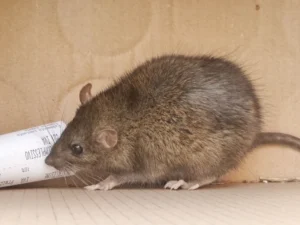
Kidney disease becomes common in older rats (past 2 years). This gradually progressive condition eventually leads to kidney failure.
Heart disease affects some rats, particularly overweight rats or those from lines prone to cardiac issues.
Preventing or managing these health problems through good care and veterinary treatment is key to helping rats reach their maximum lifespan.
Can You Extend Your Rat’s Lifespan?
While you can’t change your rat’s genetics, you can definitely help them live as long as possible through excellent care.
Feed a high-quality diet based on lab blocks with fresh vegetables. Avoid sugary treats, high-fat foods, and anything with artificial colors or preservatives.
Keep their cage impeccably clean. Respiratory health is crucial for rats, and dirty cages with high ammonia levels destroy their lungs.
Provide a large enough cage with multiple levels. Exercise and enrichment keep rats physically and mentally healthy, which supports longer lives.
Get regular vet checkups, especially after your rat turns 18 months old. Catching health problems early makes them much easier to treat.
The Reality of Rat Lifespans
Even with the best care and longest-lived varieties, rats simply don’t live as long as many other pets. It’s just the nature of small rodents to have faster metabolisms and shorter lifespans.
A 3 year old rat is considered elderly. A 4 year old rat is ancient. These ages might seem short compared to dogs or cats, but they represent a full, rich life for a rat.

The short lifespan is one of the hardest parts of rat ownership. You form deep bonds with these intelligent, affectionate animals, and then you don’t get nearly enough time with them.
However, the short lifespan also means you can provide an amazing life for multiple rats over your lifetime. Each one will teach you something new and leave you with wonderful memories.
Why Some Rats Live Much Longer
Occasionally you hear about rats living 5 or even 6 years. These cases are extremely rare but they do happen.
These super old rats usually come from exceptional genetics. They’re the genetic lottery winners who didn’t inherit any of the health problems that plague most rats.
They also received perfect care throughout their lives. Every aspect of their diet, housing, and health management was optimized.
Sometimes there’s just luck involved too. They avoided the respiratory infections, tumors, and other health problems that take most rats before their time.
Choosing Based on Lifespan
If maximizing lifespan is your top priority, go with a standard fancy rat or Dumbo rat from a reputable breeder who tracks health and longevity in their lines.
Ask breeders about the lifespans of their breeding rats and the rats they’ve sold. Good breeders keep records and can tell you if their rats typically live into their third year or beyond.
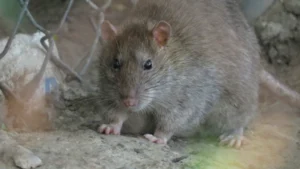
Avoid feeder rats or pet store rats if you want the best chance at a long-lived pet. The difference in average lifespan can be six months to a year.
Remember that variety is just one piece of the puzzle. A hairless rat from an amazing breeder with perfect care might outlive a standard rat from poor genetics with mediocre care.
Making the Most of the Time You Have
Regardless of which variety you choose, rat lifespans are short. The best approach is to make every day count rather than obsessing over squeezing out extra months.
Spend quality time with your rats daily. They’re social creatures who thrive on interaction, and the bonds you form make their lives richer.
Provide them with interesting environments, varied foods (within healthy limits), and opportunities to express natural behaviors like climbing, digging, and foraging.
Take lots of photos and videos. You’ll treasure these memories after your rats are gone.
Consider keeping multiple rats of different ages so you’re not facing all your pets dying around the same time. This makes the heartbreak a bit easier to manage.
Conclusion
Standard fancy rats and Dumbo rats have the longest lifespans of all rat varieties, typically living 2 to 3.5 years with some reaching 4 years. These varieties benefit from genetic diversity, no harmful physical modifications, and generations of breeding for health.
Rex rats live slightly shorter lives at 2 to 3 years, while hairless rats have the shortest lifespans at only 1.5 to 2.5 years due to their weaker immune systems and lack of protective fur.
However, genetics from good breeding lines, excellent care, proper diet, and veterinary attention matter just as much as variety when it comes to lifespan.
A well-bred rat from any variety with perfect care will outlive a poorly-bred rat with mediocre care, regardless of what type they are.
Choose a variety you love, get your rats from a reputable source, and focus on giving them the best life possible for whatever time you have together.

Hi, my name is Ezra Mushala, i have been interested animals all my life. I am the main author and editor here at snakeinformer.com.