Where Are Salamanders Usually Found?

Jefferson Salamander Ambystoma jeffersonianum on a wet floor

Salamanders are amphibians found in many parts of the world, but they often hide from view. Their secretive habits and strong need for moisture make people wonder: where do salamanders usually live? Most salamanders live in moist, cool places like forests, wetlands, streams, ponds, or underground burrows. They need water or humidity to keep their … Read more

Are Salamanders Territorial?

Eastern Red-backed Salamander on forest floor

Salamanders are fascinating amphibians that live in damp forests, wetlands, and along stream banks. They often hide under logs, rocks, or leaves, making them hard to spot. Because you usually see them alone in small, moist patches, you might wonder: are salamanders territorial? Many salamanders are territorial. They defend small home areas to make sure … Read more

Are Salamanders Social Animals?

Group of Ringed Salamander Ambystoma annulatum in a container

When you see a salamander moving quietly under damp leaves or slipping into a pond, it might seem very shy and secretive. You may wonder: do these small amphibians like being with others, or do they prefer to be alone? Salamanders not social animals, they live mostly alone and only meet other salamanders for mating … Read more

Are Salamanders Smart?

Long-tailed Salamander Eurycea longicauda on wet rocky ground

You see a salamander moving slowly through the leaf litter or slipping quietly into a pond. It looks careful, patient. You might wonder, are these little amphibians smart? Or is their survival just luck and instinct? Salamanders are not smart like humans or many mammals, but they have instincts, memory, and behavior that help them … Read more

Are Salamanders Scavengers?

Blue-spotted salamander eating a worm

You see a salamander move slowly under damp leaves, its small head tilting as if searching for something. It’s careful. Patient. You might wonder, does it look for dead animals like a scavenger, or does it only hunt live prey? Salamanders are not true scavengers. They mostly catch and eat live prey, though they might … Read more

Can Salamanders And Geckos Live Together?

Western Slimy Salamander Plethodon albagula on a rock

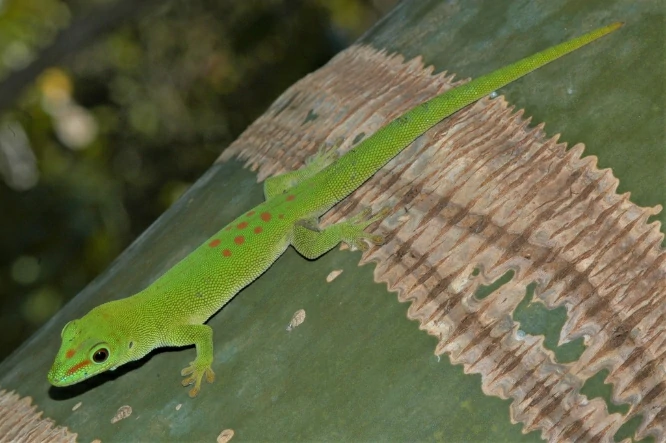
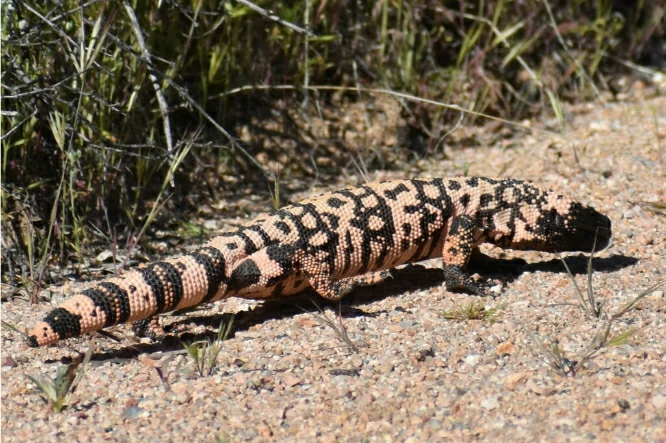
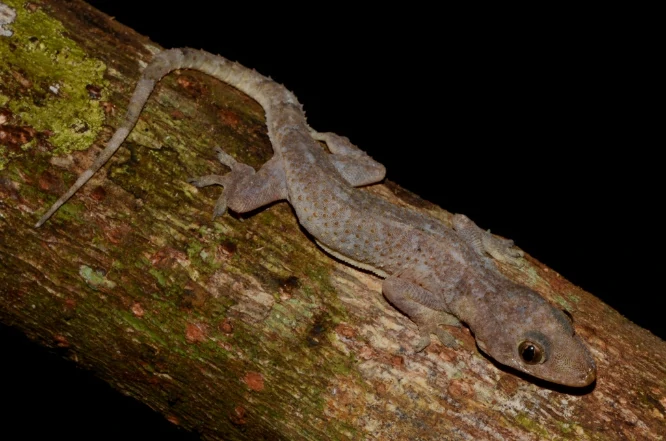
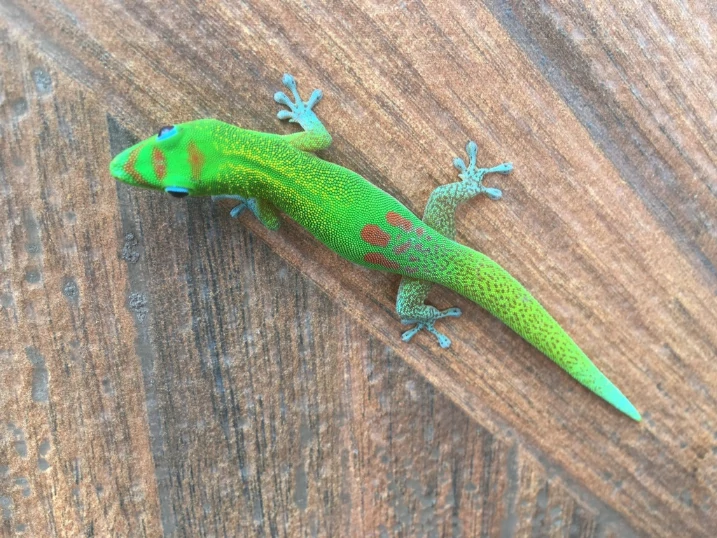
If you enjoy exotic pets, you might like both salamanders and geckos. They are small, quiet animals that often live in similar-looking setups. They both like hiding under rocks or plants, and they seem to enjoy the same kind of space. You might wonder: could a salamander and a gecko live in the same tank? … Read more

Are Salamanders Predators Or Prey?

Wandering Salamander Aneides vagrans

Salamanders are small animals that can be easy to miss in the wild. They look like lizards, but they are not. Their skin is soft and moist, and many spend time both in water and on land. You might wonder: are salamanders predators, or are they the ones being hunted? Salamanders can be both predator’s … Read more

Are Salamanders Protected?

Unisexual Mole Salamande on wet ground 1

Salamanders live in damp environments with clean water. They crawl under leaves, logs, and stones, often hidden from view, but they are very important for keeping these areas healthy. You might wonder: are these quiet, secretive creatures protected by law? Yes, many salamanders are protected, but how much protection they have depends on the species … Read more

Are Salamanders Poisonous To Eat?

Chinese Giant Salamander

Salamanders are secretive amphibians that hide in cool, moist places under rocks or logs. They move slowly and stay quiet, which means many people never see them in the wild. But when someone does come across one, they often wonder: are salamanders poisonous to eat? Most salamanders are not good to eat. Their skin contains … Read more

Are Salamanders Poisonous To Touch?

Eastern Newt Notophthalmus viridescens red eft on a white background 1

Salamanders are quiet, soft-bodied amphibians that live in cool forests, under rocks, or near still water. But some people still hesitate to touch them, wondering if they could be dangerous. Some salamanders produce mild toxins through their skin, but they are not harmful to people if touched with care. Washing your hands after touching a … Read more