
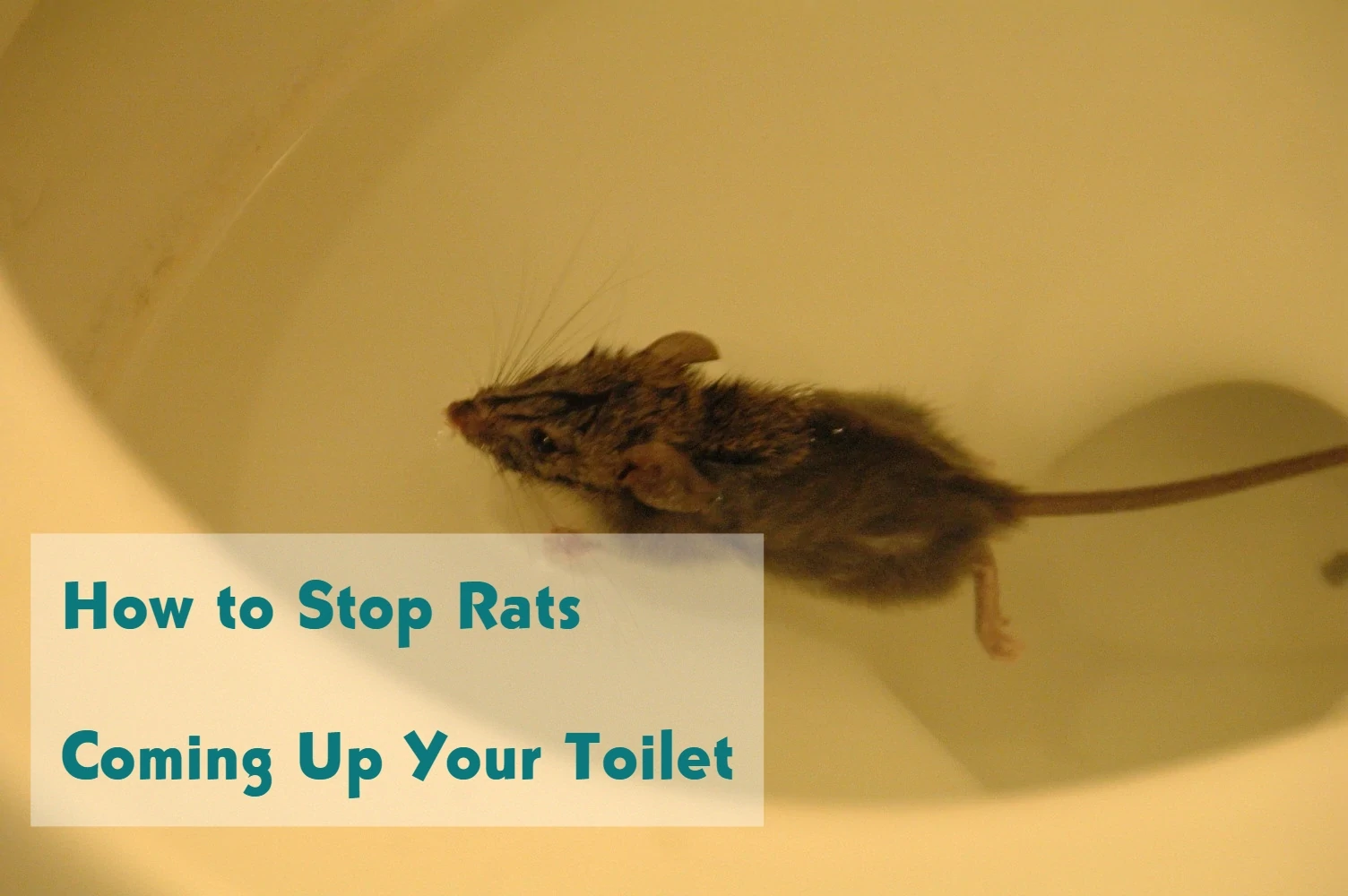
Finding a rat in your toilet is a nightmare scenario that nobody wants to deal with, and once it happens, you’ll do whatever it takes to make sure it never happens again.
Whether you’ve already had a rat come up your toilet or you just want to prevent it from ever happening, you need practical solutions that actually work. So how do you stop rats coming up the toilet?
You can stop rats from coming up your toilet by installing a rat blocker or non-return valve in your main sewer line, keeping toilet lids closed and weighted, maintaining your pipes to fix any cracks or damage, and making your property less attractive to rats overall.
These methods range from simple changes you can make today to bigger investments that provide long-term protection.
The best approach usually combines several strategies to create multiple barriers between the rats in the sewer and your bathroom.
Install a Rat Blocker in Your Sewer Line
The most effective way to stop rats from coming up your toilet is to physically block them from entering your plumbing system in the first place.
A rat blocker (also called a non-return valve or backflow preventer) is a one-way valve that gets installed in your main sewer line.
It lets waste water flow out of your home but prevents anything from swimming back up into your pipes.
These devices are made of metal or heavy-duty plastic and have flaps or gates that only open in one direction. When waste water flows down from your home, it pushes the flaps open.
But when something tries to come back up from the sewer, the flaps stay closed and block the way.
Professional plumbers can install these for you, usually in the main sewer line where it connects to the city system.
The installation typically costs between $400 and $2,000 depending on your plumbing setup and local labor rates.
This is the single most reliable method because it stops rats before they ever get into your building’s pipes. Once installed, it protects every toilet, drain, and fixture in your home.
Keep Your Toilet Lids Down and Weighted
While a closed toilet lid won’t stop a determined rat from pushing through, making it harder for them can discourage them from trying.
Always keep your toilet lids closed when not in use. This creates at least some barrier and means a rat would have to push against the lid to get out, rather than just swimming up into an open bowl.
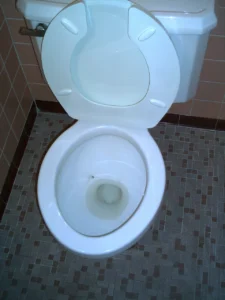
You can add weight to your toilet lid to make it harder to push open. Some people place a brick or heavy book on top of the closed lid at night.
This isn’t foolproof, but it adds resistance that might convince a rat to give up and try an easier route.
There are also toilet lid locks designed for homes with toddlers that can help keep lids secure. These clamp onto the lid and seat, making it much harder for anything to push up from below.
For extra security in high-risk situations, you can temporarily place a heavy object (like a gallon jug filled with water) on top of the closed lid.
This is especially useful if you’re going away for a while and want peace of mind.
Fix Any Cracks or Damage in Your Pipes
Rats usually get into your plumbing system through damage in the pipes, so repairing these entry points is critical.
Have a plumber inspect your sewer line with a camera. This lets them see inside the pipes to find cracks, breaks, tree root intrusions, or loose connections that rats could squeeze through.
Clay and cast iron pipes (common in older homes) are especially prone to cracking and breaking down over time. If your home has these old pipes, consider replacing them with modern PVC pipes that rats can’t crack or gnaw through.

Pay special attention to where your home’s sewer line connects to the city’s main sewer. This connection point is often where problems develop because ground settling can cause pipes to separate slightly.
Even small cracks matter. Rats can squeeze through openings as small as half an inch, so damage that seems minor to you is actually a wide-open door for them.
The cost of pipe repair varies a lot depending on what needs to be fixed. Simple crack repairs might cost a few hundred dollars, while replacing a whole sewer line could run $3,000 to $10,000 or more.
Use Sewer Line Liners
If you have damaged pipes but can’t afford or don’t want to do full pipe replacement, lining the existing pipes can seal up cracks and gaps.
Pipe lining involves inserting a flexible, resin-coated tube into your existing pipe and inflating it. The resin hardens and creates a new, smooth pipe inside the old damaged one.

This process seals any cracks or breaks in the original pipe without having to dig it up. It’s less invasive and usually cheaper than full replacement, typically costing $80 to $250 per foot of pipe.
The new liner is smooth and seamless, giving rats nothing to grab onto and no gaps to squeeze through. It basically creates a brand-new pipe inside your old one.
Professional plumbers can do this relatively quickly, often completing the work in a day or two without tearing up your yard or floors.
Make Your Property Less Attractive to Rats
Even with all the physical barriers, you want to reduce the rat population around your property so there are fewer rats looking for ways inside.
Remove any food sources that might attract rats to your yard or building. Secure garbage cans with tight-fitting lids, don’t leave pet food outside, and clean up fallen fruit from trees promptly.

Eliminate water sources where possible. Fix leaky outdoor faucets, don’t leave standing water in containers, and make sure your gutters drain properly.
Seal any entry points to your building above ground too. Rats that get into your walls or basement can access your plumbing from inside the house, so close gaps around pipes, vents, and foundation cracks.
Keep vegetation trimmed away from your building. Overgrown bushes and vines provide hiding spots and pathways for rats to move around your property undetected.
If you have a serious rat problem in your area, consider working with neighbors on coordinated rat control. Rats don’t respect property lines, so community efforts work better than individual ones.
Install Toilet Rat Guards
Some specialty products are specifically designed to prevent rats from coming up through toilets.
Toilet rat guards are devices that fit inside the toilet drain or in the pipes below. They allow water and waste to pass through but block anything trying to swim up.

These typically have spring-loaded flaps or one-way mechanisms similar to larger rat blockers but sized specifically for toilet drains.
You can buy these online for $50 to $200, and some designs can be installed by homeowners without professional help, though plumber installation is often recommended.
They’re particularly useful for toilets that don’t get used very often (like in a vacation home or basement bathroom) because those are easier targets for rats.
Maintain Regular Water Flow in All Drains
Toilets and drains that sit unused for long periods are more vulnerable to rat intrusion.
When a toilet doesn’t get flushed regularly, the water in the bowl can evaporate, especially in dry climates. Lower water levels make it easier for rats to push through.
The U-bend (the curved part of pipe under your toilet) holds water that acts as a seal. If this water evaporates too much, rats can pass through more easily.
Flush toilets at least once a week even if nobody is using that bathroom. This keeps water levels topped up and maintains the seal in the U-bend.

Run water in all sinks, showers, and floor drains regularly too. Every drain has a trap that holds water, and if it dries out, it creates a pathway for rats (and sewer gases).
If you’re leaving a property vacant for a while, pour a couple cups of vegetable oil into each toilet bowl before you go. The oil floats on top of the water and slows evaporation significantly.
Upgrade Your Toilet’s Trap Configuration
Some toilet designs naturally resist rat intrusion better than others.
Modern toilets with properly designed P-traps or S-traps create more barriers for rats to push through. If you have a very old toilet, upgrading to a newer model can help.
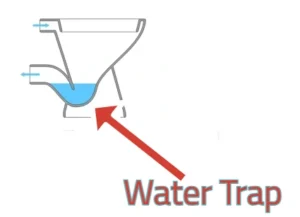
European-style toilets sometimes have deeper water columns and better trap designs that make it harder for rats to swim through.
Toilets with stronger flush mechanisms also help. A powerful flush keeps the U-bend full and can even dislodge rats that might be attempting to climb through.
When you’re replacing a toilet for any reason, ask your plumber about models that have better resistance to backflow and intrusion.
Use Chemical Deterrents Carefully
Some people try using chemicals in their toilets or drains to deter rats, but this approach has serious limitations.
Putting rat poison in your toilet or drains is a bad idea. It pollutes the water system, can harm other animals, and might even violate local regulations about what you can put into sewers.
Some strong-smelling substances like ammonia or peppermint oil are supposed to repel rats, but there’s little evidence they work when placed in toilets. The smell dissipates too quickly in water and moving air.

Enzymatic drain cleaners that break down organic matter might make drains slightly less attractive to rats by removing food smells, but this won’t stop a rat that’s already in your pipes.
The best chemical strategy is really just keeping your drains clean with regular flushing and occasional use of normal drain cleaners to prevent buildup that might attract rats.
Monitor for Warning Signs
Catching problems early lets you stop rats before they actually make it into your toilet.
Listen for unusual sounds coming from your toilet or pipes, especially at night when rats are most active. Scratching, squeaking, or odd gurgling noises can indicate rats moving in your plumbing.
Watch for water level changes in your toilet bowl when nobody has used it. If the water seems lower than normal or you see ripples, something might be moving in the pipes below.
Notice any unusual smells coming from your bathroom drains. Rats have a distinct musky odor that you might smell if they’re in your pipes.
If you spot rat droppings anywhere in your home, take it seriously. Where there’s one rat, there are usually more, and if they’re in your building, they might eventually find the plumbing.
What to Do If Prevention Fails
Even with good prevention, you might still have a rat come up your toilet if you’re in a high-risk area.
If you find a rat in your toilet, don’t flush it. This won’t kill the rat and might just send it back into the pipes where it could try again later or show up in someone else’s toilet.
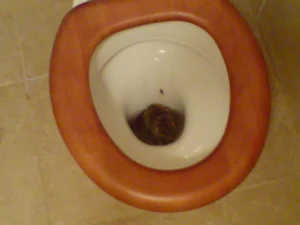
Close the lid immediately and weigh it down with something heavy. This traps the rat and gives you time to figure out what to do next.
Call a pest control professional rather than trying to handle it yourself. They have the right equipment and experience to remove the rat safely and can check for other problems.
After a rat incident, definitely get your pipes inspected. Where one rat got through, others can follow, so find and fix the entry point.
Long-Term Monitoring and Maintenance
Stopping rats from coming up your toilet isn’t a one-time fix. You need ongoing attention to keep the problem from coming back.
Have your sewer lines inspected every few years, especially if you live in an older building. Catch developing problems before they become entry points for rats.
Keep up with any pest control measures around your property. If rat populations in your area grow, your risk goes up even if your pipes are in good shape.
Stay connected with neighbors about rat issues. If people on your street start seeing more rats, that’s your cue to double-check your own defenses.
Document any rat-related incidents and the steps you took to address them. This information is valuable if problems recur and you need to troubleshoot what’s working and what isn’t.
Building-Wide Solutions for Multi-Unit Properties
If you live in an apartment building or condo, individual solutions might not be enough.
Talk to your property manager or homeowners association about installing rat blockers on the main sewer line serving the entire building. This protects everyone at once.

Building-wide pest control programs are more effective than individual tenant efforts. Push for professional pest management services that treat common areas and exterior spaces regularly.
Good communication among residents helps too. If someone in your building has a rat in their toilet, everyone should know so they can take extra precautions and report any issues they’re seeing.
Consider pooling resources with other residents to pay for pipe inspections or repairs to the building’s main sewer line. These shared costs are often more affordable than you’d think when split among many units.
When Should You Call Professional Help?
Some rat prevention is DIY-friendly, but many situations require professional expertise.
Always hire a licensed plumber for anything involving your main sewer line. Working on these pipes requires special tools and knowledge, and mistakes can cause expensive damage.
If you’ve had multiple rats come up your toilet despite taking prevention steps, you need professional pest control to identify and fix whatever’s allowing them access.
Sewer line camera inspections should be done by professionals with proper equipment. They can spot problems you’d never see otherwise.
If your building is old with a history of rat problems, a comprehensive professional assessment is worth the investment. They can create a complete prevention plan tailored to your specific situation.
Conclusion
Stopping rats from coming up your toilet requires a multi-layered approach that addresses both the plumbing pathways rats use and the rat populations around your property.
Installing a rat blocker in your sewer line gives you the most reliable protection, but combining this with good maintenance, reduced attractants, and vigilant monitoring creates the strongest defense.
The key is taking action before you have a problem rather than waiting until you find a rat in your bathroom.
Prevention is always easier and cheaper than dealing with repeated incidents. If you’re in a high-risk area, investing in proper rat-proofing now can save you from one of the most disturbing experiences a homeowner can face.

Hi, my name is Ezra Mushala, i have been interested animals all my life. I am the main author and editor here at snakeinformer.com.