
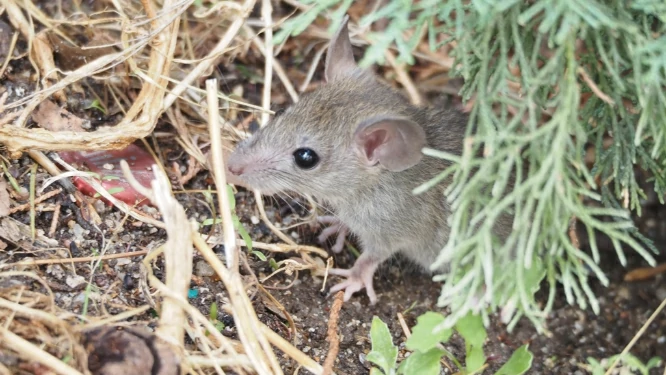
Mice in your yard can quickly become a big problem. They dig up gardens, chew through things, and can eventually find their way into your home.
If you’ve spotted mice scurrying around your yard, you’re probably wondering what you can do to get rid of them and keep them from coming back. So, how do you keep mice out of your yard?
You can keep mice out of your yard by removing food sources, cutting back vegetation, sealing entry points to structures, and removing clutter where mice can hide. Getting rid of what attracts them and where they can nest makes your yard much less appealing to mice.
When you make your yard less comfortable for mice, they’ll move somewhere else. Mice need food, water, and shelter to survive, so if you take these things away, they won’t stick around.
The key is to make your yard as unwelcoming as possible while also blocking their access to any buildings on your property.
Why Mice Come Into Your Yard
Mice don’t just randomly show up in your yard. They’re looking for something specific.
Usually, it’s food. Mice eat seeds, grains, fruits, insects, and just about anything else they can find. If you have bird feeders, fruit trees, or even a vegetable garden, you’re basically setting out a buffet for them.
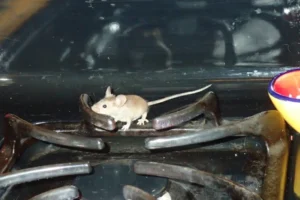
They also need water. Even a small puddle or a leaky outdoor faucet can give them what they need.
But food and water aren’t enough. Mice also need a safe place to hide from predators like cats, hawks, and owls.
Thick vegetation, piles of wood or debris, tall grass, and overgrown shrubs all make perfect hiding spots. If your yard has these things, mice will feel safe there.
Mice are also looking for places to nest, especially when it gets cold. They’ll build nests in dense bushes, under sheds, in compost piles, or anywhere else that’s warm and protected.
Once they’re comfortable in your yard, they’ll start breeding. A single female mouse can have 5 to 10 litters per year, with 5 to 6 babies in each litter.
That means a small mouse problem can turn into a major infestation really fast.
Remove Food Sources From Your Yard
The first thing you need to do is get rid of anything mice can eat.
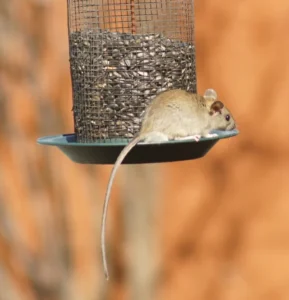
Start with bird feeders. Mice love birdseed, and they’ll climb right up to feeders or eat the seeds that fall on the ground.
If you want to keep your bird feeders, use ones with trays to catch spilled seeds, and clean up any mess on the ground every day. You can also switch to seeds that mice don’t like as much, such as nyjer or safflower seeds.
Fallen fruit is another big attractant. If you have fruit trees, pick up any fruit that falls to the ground as soon as possible.
Don’t let it sit there and rot. Mice will eat it, and it’ll keep bringing them back.
Pet food is also a problem. If you feed your pets outside, don’t leave food bowls out overnight.
Mice will find them. Only put out as much food as your pet will eat in one sitting, and bring the bowls inside when they’re done.
Compost piles can attract mice too, especially if you’re composting food scraps. To keep mice away, use a closed compost bin with a tight lid instead of an open pile.
Don’t add meat, dairy, or oily foods to your compost, as these smell really strong and will draw mice in even faster.
If you have a vegetable garden, harvest your produce as soon as it’s ripe. Don’t leave overripe vegetables sitting on the plants or on the ground.
Also, clean up any plant debris after the growing season ends. Dead plants and leftover vegetables give mice something to eat and a place to hide.
Garbage is another big draw. Make sure your outdoor trash cans have tight-fitting lids, and keep them closed at all times.
If possible, store your garbage cans in a shed or garage until trash day. Mice can chew through plastic bags, so don’t leave bags of trash sitting outside.
Cut Back Vegetation and Remove Hiding Spots
Mice need cover to feel safe. If your yard is overgrown, it’s basically a mouse paradise.
Cut your grass regularly and keep it short. Tall grass gives mice a place to hide and travel without being seen by predators.
Trim back shrubs and bushes, especially ones that are close to your house or other buildings. Mice use dense vegetation as cover, and they’ll nest in it if it’s thick enough.
Keep at least a 2-foot gap between plants and the walls of your house or shed. This makes it harder for mice to sneak up to your buildings without being exposed.
Remove weeds and overgrown plants from your yard. The more open and tidy your yard is, the less attractive it’ll be to mice.
If you have ivy or other ground cover plants growing up the sides of your house, cut them back. Mice can use these plants to climb right up to your roof or attic.
Move firewood piles away from your house. Stack wood at least 20 feet from any buildings, and keep it raised off the ground on a rack or pallets.
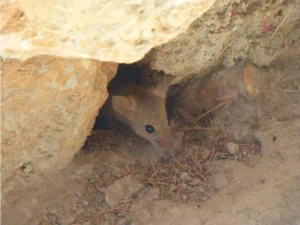
This makes it harder for mice to nest in the pile, and it keeps them farther from your home.
Get rid of debris piles, old equipment, junk, or anything else that’s been sitting around your yard. Mice love clutter because it gives them places to hide and build nests.
If you have a shed or garage, keep it organized. Don’t let boxes, tools, or other items pile up on the floor where mice can hide behind them.
Seal Entry Points to Structures
Even if you make your yard less appealing, mice will still try to get into your house, shed, or garage if they can find a way in.
Mice can squeeze through holes as small as a dime. That’s about 1/4 inch. So even tiny gaps are a problem.
Walk around your house and other buildings and look for any cracks, holes, or gaps. Pay special attention to areas where pipes, wires, or vents go through walls.
These are common entry points. Also check around doors, windows, and the foundation.
Seal any holes you find with steel wool, caulk, or expanding foam. Mice can chew through wood, plastic, and rubber, but they can’t chew through steel wool or metal.
For bigger gaps, use hardware cloth (a type of metal mesh) or sheet metal. Cut it to size and attach it securely over the opening.
Make sure your doors close tightly. If there’s a gap under your door, install a door sweep to block it.
Check your windows too. If the screens are damaged or there are gaps around the frames, fix them.
Don’t forget about vents. Dryer vents, attic vents, and crawl space vents all need to be covered with metal mesh that has small holes (1/4 inch or less).
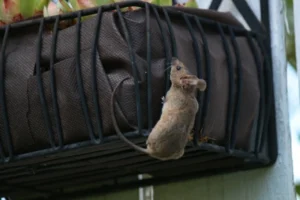
This lets air flow through but keeps mice out.
If you have a chimney, install a chimney cap. Mice can climb down chimneys and get into your house that way.
Remove Water Sources
Mice need water to survive, just like any other animal. If you have standing water in your yard, it’ll attract them.
Fix any leaky outdoor faucets, hoses, or irrigation systems. Even a small drip can provide enough water for mice.
Don’t let water pool in low spots in your yard. If you have areas where water collects after it rains, fill them in with soil or improve drainage.
Empty any containers that collect water, like buckets, flower pots, or old tires. Turn them upside down or store them so water can’t collect in them.
If you have a birdbath, change the water every few days. Standing water attracts mice (and mosquitoes).
Check your gutters and downspouts. If they’re clogged, water can overflow and create puddles near your foundation.
Clean your gutters regularly and make sure downspouts direct water at least 5 feet away from your house.
Use Natural Deterrents
There are some natural things you can use to make your yard less inviting to mice.
Peppermint oil is one option. Mice don’t like the smell. You can soak cotton balls in peppermint oil and place them around your yard, especially near areas where you’ve seen mouse activity.
You’ll need to replace them every few days because the smell fades.
Some people plant mint, lavender, or other strong-smelling herbs around their yard. These plants can help deter mice, though they’re not a guarantee.
Predator urine is another deterrent. You can buy coyote or fox urine online or at garden stores. Spray it around the edges of your yard.
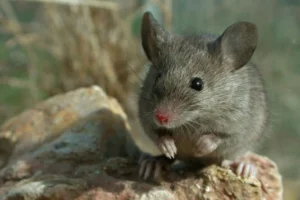
Mice will smell it and think there’s a predator nearby, which might scare them off.
You’ll need to reapply it regularly, especially after it rains.
If you have cats that go outside, they can help keep mice away. Cats are natural hunters, and even just having a cat around can discourage mice from sticking around.
But don’t rely only on cats. They won’t catch every mouse, and you still need to do the other things on this list.
Ultrasonic repellents are devices that make high-pitched sounds that are supposed to bother mice. Some people say they work, but the results are mixed.
If you want to try them, go ahead, but don’t count on them as your only solution.
Set Traps If You Already Have Mice
If you already have mice in your yard, you might need to trap them to get the population under control.
Snap traps are the most common and effective type. They kill mice instantly when they’re triggered.
Place them along walls, near mouse burrows, or anywhere you’ve seen mouse droppings or activity. Bait them with peanut butter, which mice love.
Check the traps every day. If you catch a mouse, dispose of it (wear gloves) and reset the trap.
Live traps are another option if you’d rather not kill the mice. These traps catch mice alive so you can release them somewhere else.
If you use live traps, check them often. A mouse trapped for too long can die from stress or dehydration.
When you release them, take them at least a mile away from your property. If you release them too close, they’ll just come back.
Glue traps are also available, but many people don’t like them because they’re considered inhumane. Mice get stuck on the sticky surface and can suffer for hours.
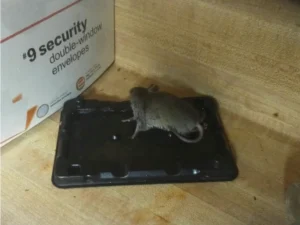
If you want to use traps but you’re not sure where to put them, look for signs of mice first. Mouse droppings are small, dark, and pellet-shaped.
You’ll often find them along walls or near food sources. Mice also leave greasy rub marks along walls where they travel.
If you see burrow holes in the ground, that’s another sign. Place traps near these areas.
Consider Professional Help
If you’ve tried everything and you still have a mouse problem, it might be time to call a pest control professional.
They can inspect your property and find entry points or attractants you might have missed. They also have access to stronger treatments and can set up a comprehensive control plan.
Professional pest control is especially helpful if you have a really bad infestation or if the mice keep coming back no matter what you do.
What Attracts Mice to Your Yard in the First Place?
Understanding what draws mice to your yard helps you prevent them more effectively.
Mice are opportunistic. They go where they can find easy food, water, and shelter.
If your yard has all three, it’s basically mouse heaven. Bird feeders, gardens, compost piles, pet food, and garbage are all major food sources.
Leaky faucets, puddles, and birdbaths provide water. Dense vegetation, wood piles, and clutter give them shelter.
Mice are also more active in certain seasons. In fall and winter, they’re looking for warm places to nest and survive the cold.
This is when they’re most likely to try to get into your house or other buildings.
If you live near fields, woods, or areas with lots of vegetation, you’re more likely to have mice. They naturally live in these areas and can easily move into your yard if conditions are right.
How to Keep Mice Out Long-Term
Getting rid of mice isn’t a one-time thing. You need to keep up with maintenance to make sure they don’t come back.
Keep your yard clean and tidy. Mow the lawn regularly, trim bushes, and remove debris.
Don’t let things pile up. The more organized and open your yard is, the less appealing it’ll be to mice.
Check for new entry points every few months. Weather, settling, and normal wear and tear can create new gaps that mice can use.
Keep food sources locked down. Don’t leave pet food outside, clean up fallen fruit right away, and keep garbage cans sealed.
If you have bird feeders, keep them clean and make sure seeds aren’t spilling everywhere.
Stay on top of water sources too. Fix leaks as soon as you notice them, and don’t let water collect anywhere.
If you see signs of mice again (droppings, burrows, chewed items), act fast. The sooner you address it, the easier it’ll be to get things under control.
Conclusion
Keeping mice out of your yard takes some work, but it’s definitely doable.
Remove food sources, cut back vegetation, seal entry points, and eliminate water sources. These steps make your yard much less attractive to mice.
If you already have mice, set traps to reduce their numbers while you’re making these changes.
Stay consistent with yard maintenance, and check regularly for new problems. When you take away what mice need to survive, they’ll go somewhere else.
Your yard will be cleaner, safer, and mouse-free.

Hi, my name is Ezra Mushala, i have been interested animals all my life. I am the main author and editor here at snakeinformer.com.