
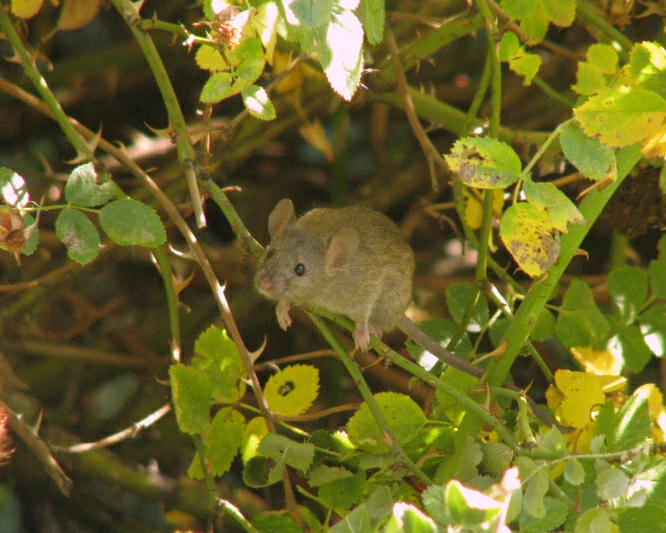
Wood piles are one of the most common places mice nest in your yard. The spaces between logs create perfect hiding spots that protect them from predators and weather.
If you’re storing firewood outside, you’ve probably worried about mice taking up residence in it. So, how do you keep mice out of your wood pile?
You can keep mice out of your wood pile by storing it off the ground on a rack, keeping it away from your house, removing nearby vegetation, and covering the top of the pile. These steps make your wood pile less attractive and accessible to mice.
When you store wood properly, mice can’t easily nest in it. They need dark, protected spaces close to the ground where they feel safe.
If you take away these conditions, they’ll look for shelter somewhere else instead of your firewood.
Why Mice Love Wood Piles
Wood piles are basically mouse apartments. The gaps between logs create dozens of small spaces where mice can hide, nest, and stay safe from predators.
Mice are prey animals, so they’re always looking for places where they can’t be seen by hawks, owls, cats, and other hunters. A wood pile gives them that cover.
The wood also provides insulation. In cold weather, a wood pile stays warmer than the surrounding area because the logs trap heat and block wind.
This makes it an ideal winter shelter for mice.
If your wood pile is sitting directly on the ground, it’s even more attractive. Mice can dig under the bottom logs and create burrows that connect to the pile.
This gives them multiple entry and exit points, which makes them feel even safer.
Wood piles near your house are especially problematic. Mice will nest in the wood, then make short trips to your house looking for food.
If they find a way in, you’ll end up with mice inside your home.
Another issue is that wood piles often have other attractants nearby. If you keep your firewood near your back door, there might be a bird feeder, pet food, or garbage cans close by.
These food sources combined with the shelter of the wood pile make it the perfect spot for mice.
Store Wood Off the Ground
The single most important thing you can do is keep your wood pile off the ground.
When wood sits directly on soil or grass, mice can easily crawl underneath and nest in the bottom layers. They can also dig burrows right next to or under the pile.
Use a firewood rack or build a platform to raise your wood at least 6 inches off the ground. Some people use pallets, concrete blocks, or pressure-treated lumber to create a raised platform.
The point is to create space between the ground and the bottom of your wood pile. This space makes it harder for mice to nest there because it’s more exposed.
Predators like cats can see under the pile, and mice don’t like being visible.
When you stack wood on a rack, make sure the rack is sturdy and level. You don’t want logs rolling off and creating new hiding spots on the ground.
Also, don’t stack the wood too high. A pile that’s too tall can become unstable, and it’s harder to inspect for mice.
Keep Wood Away From Your House
Distance is your friend when it comes to preventing mice in your wood pile.
Store your firewood at least 20 to 30 feet away from your house, garage, shed, or any other building.
When wood is stacked right against your house, mice can nest in it and then easily move into your home. They’ll find cracks in your foundation, gaps around doors, or any other entry point.
The trip from the wood pile to your house is basically a few steps for them.
But if the wood is 20 or 30 feet away, mice are less likely to connect the two locations. They still might nest in the wood, but they’re less likely to bother your house.

If you bring wood inside to burn, only bring in what you’ll use that day. Don’t stockpile firewood inside your house.
Mice can hide in the logs, and when you bring them inside, you’re bringing the mice inside too.
Before you carry wood into your house, knock the logs together or bang them on the ground to dislodge any mice, insects, or debris.
Remove Vegetation Around the Wood Pile
Mice like having multiple layers of cover. If your wood pile is surrounded by tall grass, weeds, or bushes, it’s even more attractive to them.
Clear the area around your wood pile. Cut the grass short and remove any weeds or plants within at least 3 to 4 feet of the pile.
This creates an open zone that mice have to cross to get to the wood. Without cover, they’re exposed to predators and less likely to make the trip.

If you have bushes or shrubs near your wood pile, trim them back or remove them entirely. Dense vegetation gives mice a safe path to the wood.
Also remove any debris, old equipment, or junk near the wood pile. Mice will use these items as additional hiding spots.
The more open and tidy the area is, the less comfortable mice will feel.
Cover the Top of the Wood Pile
Rain, snow, and moisture make your wood pile even more attractive to mice. Wet wood creates a damp environment that’s perfect for insects, and mice eat insects.
Moisture also makes the wood rot faster, creating softer spots where mice can chew and burrow more easily.
Cover the top of your wood pile with a tarp, sheet metal, or a waterproof cover. Make sure the cover slopes so water runs off instead of pooling on top.
Don’t wrap the entire pile in a tarp or plastic. If you cover the sides, you’ll trap moisture inside and create condensation.
This makes the wood rot faster and creates an even better environment for mice.
Only cover the top. Leave the sides open so air can circulate and the wood can dry out.
Some people use corrugated metal roofing panels to cover their wood. This works great because it sheds water and doesn’t trap moisture.
Stack Wood Properly
How you stack your wood matters. Loose, messy piles with lots of gaps and irregular spaces are perfect for mice.
Stack your wood in neat rows with the logs aligned. This reduces the number of hiding spots and makes it easier to spot signs of mice.
Use a crisscross or log cabin stacking method for the ends of the pile to help stabilize it. This creates some airflow while keeping the stack tight.
Don’t mix different sizes of wood randomly. If you have small pieces mixed with large logs, it creates uneven gaps that mice love.
Keep similar-sized pieces together.
Also, stack bark-side up if possible. When the bark faces up, water runs off more easily and the wood dries better.
Some people recommend storing wood bark-side down, but this can trap moisture against the bark and create better conditions for insects and mice.
Inspect Your Wood Pile Regularly
Even if you’ve done everything right, it’s a good idea to check your wood pile every few weeks for signs of mice.
Look for mouse droppings. These are small, dark, pellet-shaped, about the size of a grain of rice.
If you see droppings on or around your wood pile, mice are definitely there.
Check for nests. Mice build nests out of shredded material like grass, leaves, paper, or fabric. If you see a ball of soft material tucked between logs, that’s probably a mouse nest.
Look for chew marks. Mice will sometimes gnaw on wood, though they prefer softer materials.
If you see small tooth marks on the logs, it could be mice (or other rodents like squirrels).
Also check for burrows in the ground near the wood pile. Small holes about 1 to 2 inches wide could be mouse burrows.
If you find signs of mice, take action immediately. Remove any nests you find (wear gloves), set traps, and make sure you’re following all the prevention steps.
Use Natural Deterrents
There are some natural things you can use to make your wood pile less appealing to mice.
Peppermint oil is one option. Mice don’t like the strong smell. Soak cotton balls in peppermint oil and place them around and inside your wood pile.
You’ll need to replace them every few days because the smell fades over time.
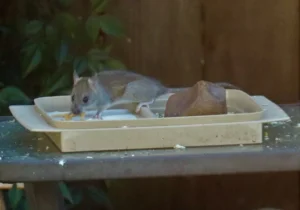
Some people spray peppermint oil mixed with water directly on the wood. This can help, but you’ll need to reapply it regularly, especially after rain.
Cedar wood is naturally repellent to some pests because of its strong smell. If you’re storing firewood, mixing in some cedar logs might help deter mice.
But don’t count on this as your only solution. It’s not a guarantee.
Mothballs are sometimes recommended, but they’re not a great option. They’re toxic to humans and pets, and the chemicals can absorb into your firewood.
When you burn that wood, you could release those chemicals into your home.
Predator urine (like coyote or fox urine) can also deter mice. You can buy it online or at garden stores and spray it around the base of your wood pile.
Mice will smell it and think there’s a predator nearby. Reapply it every few weeks or after heavy rain.
Set Traps If You Have Mice
If mice have already moved into your wood pile, you might need to trap them.
Snap traps are the most effective. Place them around the base of the wood pile and near any burrow holes you find.
Bait the traps with peanut butter. Mice love it, and it sticks to the trap so they have to trigger it to get the food.
Check the traps every day. When you catch a mouse, dispose of it (wear gloves) and reset the trap.
You can also use live traps if you’d rather not kill the mice. These traps catch mice alive so you can release them somewhere else.
If you use live traps, check them several times a day. A mouse trapped too long can die from stress or dehydration.
Release trapped mice at least a mile away from your property. If you release them too close, they’ll just come back.
Place traps along the edges of the wood pile where mice are most likely to travel. They tend to move along walls and edges rather than out in the open.
Don’t Store Wood Indoors
Some people think storing wood inside their garage or basement will keep mice out. Actually, it does the opposite.
If you bring firewood indoors, you’re giving mice a warm, protected place to nest that’s already inside a building.
This makes it much easier for them to move into the rest of your house.
Only bring inside the amount of wood you’ll burn that day or maybe the next day. Don’t stockpile it indoors.
If you must store wood inside temporarily, keep it in a sealed container or bin, and check it carefully before bringing it into your living spaces.
Seal Your House to Keep Mice Out
Even if mice nest in your wood pile, they won’t become a problem in your house if they can’t get inside.
Walk around your house and look for any cracks, gaps, or holes. Mice can squeeze through openings as small as 1/4 inch (about the size of a dime).
Check around doors, windows, pipes, vents, and your foundation. Seal any openings you find with steel wool, caulk, or expanding foam.

Mice can chew through wood, plastic, and rubber, but they can’t chew through steel wool or metal.
Install door sweeps on exterior doors to block gaps at the bottom. Make sure your windows close tightly and that screens are in good condition.
Cover vents with metal mesh that has holes smaller than 1/4 inch. This keeps mice out while still allowing airflow.
What Time of Year Are Mice Most Active?
Mice are active year-round, but they’re more likely to seek shelter in your wood pile during fall and winter.
As temperatures drop, mice look for warm places to nest and hide from the cold. A wood pile provides excellent insulation and protection from winter weather.
In spring and summer, mice are breeding. A single female can have 5 to 10 litters per year, with 5 to 6 babies each time.
If mice nest in your wood pile during spring, the population can explode really fast.
This is why it’s important to prevent mice from nesting in your wood pile before cold weather hits. Once they’ve established a nest, they’re harder to get rid of.
Consider Alternative Wood Storage
If you’re constantly battling mice in your wood pile, you might want to rethink how you store your firewood.
Some people use a firewood shed. This is basically a three-sided structure with a roof that keeps wood dry while allowing airflow.
If you build or buy a firewood shed, make sure it’s raised off the ground and has open sides for ventilation.
Metal storage containers are another option. These keep mice out completely, but they can trap moisture if they’re not ventilated properly.
If you use a metal container, drill ventilation holes and make sure water can drain out.
Some people store wood in wire mesh cages. These allow airflow and keep the wood dry while making it harder for mice to nest inside.
The mesh needs to have small enough holes (1/4 inch or less) to keep mice out.
How Long Should You Season Your Wood?
This might seem off-topic, but it’s actually related to mice.
Freshly cut wood (green wood) has high moisture content and needs to dry out before you burn it. This is called seasoning.
Green wood can take 6 months to 2 years to season properly, depending on the type of wood and how you store it.
The problem is that wet wood attracts insects, and insects attract mice. The longer you store wood, the more time mice have to discover it and move in.
To reduce this risk, buy seasoned wood that’s ready to burn instead of storing green wood for long periods.
If you do need to season wood, follow all the prevention steps in this article. Store it off the ground, away from your house, and in an open area with good airflow.
Check it regularly for signs of mice and deal with any problems immediately.
Conclusion
Keeping mice out of your wood pile isn’t complicated, but it does require some effort and consistency.
Store your wood off the ground on a rack, keep it at least 20 to 30 feet from your house, and remove vegetation from around the pile.
Cover the top to keep it dry, stack it neatly to reduce hiding spots, and inspect it regularly for signs of mice.
If you find mice, set traps and use natural deterrents like peppermint oil or predator urine.
When you take away the conditions mice need to nest comfortably, they’ll find somewhere else to live. Your wood will stay clean and pest-free, and you won’t have to worry about bringing mice into your house when you bring in firewood.

Hi, my name is Ezra Mushala, i have been interested animals all my life. I am the main author and editor here at snakeinformer.com.