

Breeding pet rats can seem like a fun and rewarding project, especially if you love these intelligent little creatures. But before you jump in, there’s a lot more to it than just putting a male and female rat together and waiting for babies.
From understanding genetics and health screening to caring for pregnant females and finding good homes for the babies, breeding rats is a big responsibility that requires time, money, and careful planning. So, how do you breed pet rats at home the right way?
Breeding pet rats at home involves selecting healthy breeding pairs with good temperament and genetics, providing proper nutrition and housing for pregnant females, and ensuring you can care for up to 14 babies per litter. You’ll also need to find responsible homes for all offspring and be prepared for potential health complications.
If you’re serious about breeding rats, you can’t just wing it. You need to understand rat genetics, have a plan for all the babies that will be born, and be ready to handle medical emergencies if something goes wrong during pregnancy or birth.
Why You Should Think Twice Before Breeding Rats
Before you start breeding rats, you really need to ask yourself why you want to do it. If you’re thinking about breeding just because baby rats are cute or because you want to make some extra money, you should reconsider.
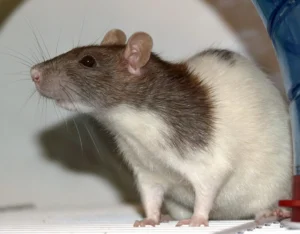
Breeding rats the right way actually costs more money than you’ll ever make selling the babies. You’ll spend money on high-quality food, larger cages, vet visits, and emergency medical care if something goes wrong. Plus, there are already thousands of rats in shelters and rescues waiting for homes.
The only good reason to breed rats is if you’re trying to improve the breed by selecting for good health, temperament, and genetic diversity. Responsible breeders spend years learning about genetics and only breed rats that will produce healthy, friendly offspring.
What You Need to Know About Rat Genetics
Understanding basic genetics is really important before you start breeding. Rats can carry hidden genes for serious health problems like tumors, respiratory issues, and neurological disorders.
Just because a rat looks healthy doesn’t mean it won’t pass on genes for health problems to its babies. You need to know the health history of both parents and ideally their parents too (called the pedigree).
Some coat colors and patterns in rats are linked to health problems. For example, rats with certain dilute colors can have weaker immune systems, and some coat patterns are connected to a higher risk of megacolon (a serious digestive problem).
You should never breed rats that are closely related (like siblings or parent to offspring) because this increases the chance of genetic health problems showing up in the babies.
How to Choose the Right Breeding Pair
When you’re selecting rats to breed, health and temperament should be your top priorities. Both the male and female should be friendly, calm, and easy to handle.
Never breed rats that are aggressive, overly nervous, or have any health problems. You don’t want to pass on bad temperament or health issues to the next generation.

The female (called a doe) should be between 4 to 8 months old for her first pregnancy. Younger than 4 months is too young, and if she’s never had babies before and is older than 8 months, pregnancy can be risky for her.
The male (called a buck) can start breeding around 5 to 6 months old. He should be healthy, active, and have a good body condition (not too thin or too fat).
Both rats should come from lines with good health history. Ask the breeder or previous owner about any health problems in the parents, grandparents, or siblings.
Setting Up the Breeding Cage
You’ll need a separate cage for breeding that’s clean, safe, and has plenty of space. The cage should be at least 2 feet by 2 feet for the breeding pair, but bigger is always better.
Use safe bedding like aspen shavings or paper-based bedding. Never use cedar or pine shavings because they contain oils that can damage rats’ respiratory systems.
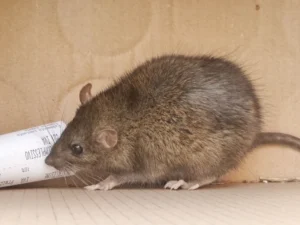
Put in a nesting box where the female can build a nest for her babies. A small cardboard box or wooden hide box works well. Fill it with soft, safe nesting material like shredded paper or tissue (unscented).
Make sure the cage has good ventilation but isn’t drafty. The temperature should stay between 65 to 75 degrees Fahrenheit because baby rats can’t regulate their body temperature well.
The Mating Process
When you’re ready to breed, put the male and female together in the breeding cage. Rats usually mate very quickly, often within minutes of being introduced.
Female rats go into heat (the time when they can get pregnant) every 4 to 5 days, and each heat cycle lasts about 12 hours. You’ll know she’s in heat because she’ll arch her back and vibrate her ears when you touch her lower back.
Once they mate, you can leave them together for a few days to make sure pregnancy happens, or you can separate them right away. Some breeders prefer to separate them to know the exact due date.
Pregnancy in rats lasts between 21 to 23 days, so mark your calendar. The female will start showing signs of pregnancy after about 2 weeks when you’ll notice her belly getting bigger.
Caring for the Pregnant Rat
Once your female is pregnant, she’ll need extra care and a high-quality diet. Increase her protein intake by giving her extra hard-boiled eggs, cooked chicken, or high-quality dog food (in small amounts).
She’ll also need more calcium to support the growing babies and prepare for nursing. You can give her small amounts of yogurt, cheese, or calcium supplements made for rodents.

Make sure she always has fresh water available. Pregnant rats drink more water than usual, especially in the last week of pregnancy.
About a week before she’s due to give birth, stop handling her as much and don’t clean the cage. You want her to feel safe and undisturbed so she can build her nest in peace.
Remove the male from the cage at least a week before birth if you haven’t already. Males can mate with females immediately after birth, which would lead to back-to-back pregnancies that are really hard on the female’s body.
What to Expect During Birth
Rats usually give birth at night or early in the morning. The whole process typically takes 1 to 2 hours, but it can be longer if it’s a large litter.
Most rats give birth without any problems and don’t need help. You should stay away and let her do her thing. Disturbing her during or right after birth can stress her out and she might abandon or harm the babies.
A healthy litter size is usually between 6 to 12 babies, but some rats can have up to 14 or even more. First-time mothers tend to have smaller litters.
The babies (called pups or kittens) are born hairless, blind, and completely helpless. They’re pink and tiny, about the size of a jellybean.
When to Worry and Call a Vet
While most births go smoothly, sometimes problems happen. You should call a vet immediately if the mother seems to be straining for more than 2 hours without producing a baby.
Other warning signs include heavy bleeding, extreme lethargy, refusal to eat or drink after birth, or if the mother is ignoring all her babies.
Sometimes a baby can get stuck during birth. If you notice a baby halfway out for more than 15 minutes, you need emergency vet help right away.
It’s a good idea to find an exotic animal vet (one who sees rats) before you breed, so you know who to call if something goes wrong.
Caring for Newborn Rats
For the first week after birth, leave the mother and babies alone as much as possible. Don’t handle the babies, don’t clean the cage, and don’t disturb the nest.
Just make sure mom has plenty of food and fresh water. She’ll be nursing constantly and needs extra calories to produce milk for all those babies.
You can do a quick visual check from outside the cage to make sure all the babies look pink and have full bellies (milk bands). If babies are cold, scattered around the cage, or look thin, something might be wrong.
After about 5 to 7 days, you can do a quick health check on the babies. Handle them very briefly, count them, check for any problems, and put them right back.
Watching the Babies Grow
Rat babies grow incredibly fast. They’ll start getting fuzzy fur around day 7, their ears will open around day 10, and their eyes will open between day 12 to 15.

By 2 weeks old, they’ll start moving around the cage and trying solid food. You should put some soft foods in the cage like soaked rat pellets, baby food, or mashed banana.
At 3 weeks old, the babies will be running around, playing, and eating solid food regularly. They’ll still nurse from mom but are becoming more independent.
This is a good time to start handling them gently every day so they get used to people. Well-socialized baby rats make much better pets.
When to Separate Males and Females
You need to separate male and female babies by the time they’re 5 weeks old. Male rats can start breeding as young as 5 to 6 weeks, and you definitely don’t want accidental pregnancies between siblings.
It’s usually pretty easy to tell males from females by looking at the distance between their genital opening and anus. Males have a much larger gap than females.
If you’re not sure, you can wait until they’re a bit older (6 weeks) when males will have visible testicles. But don’t wait too long or you might end up with pregnant females.
Put all the males in one cage and all the females in another, or separate them into individual cages if you’re keeping them.
Finding Good Homes for the Babies
Before you even breed your rats, you should have a plan for where all the babies will go. Never breed unless you have people already interested in adopting.
Baby rats are ready to go to new homes at 6 weeks old. They should be eating solid food well, fully weaned from mom, and comfortable being handled.

Screen potential adopters carefully. Ask them about their experience with rats, what kind of cage they have, and if they plan to keep the rat with other rats (rats should always live in pairs or groups).
Never sell baby rats as food for snakes or other animals. These are pets that you brought into the world, and they deserve good homes.
Some babies might have special needs or health issues. You need to be prepared to keep any babies that don’t find homes or have problems that make them harder to adopt out.
The Real Cost of Breeding Rats
Breeding rats isn’t cheap if you do it right. You’ll need to budget for high-quality food, bigger cages, and unexpected vet bills.
A pregnant rat needs more food, and once the babies are weaned, you’ll be feeding up to 14 growing rats for several weeks. That’s a lot of food.
If anything goes wrong during pregnancy or birth, emergency vet visits can easily cost hundreds of dollars. Some complications require surgery, which is even more expensive.
You’ll also need extra cages to separate the males and females once they’re old enough. Proper rat cages aren’t cheap, especially if you need several.
Most responsible breeders barely break even or actually lose money on each litter when you factor in all these costs.
Health Risks for the Mother
Pregnancy and nursing are hard on a female rat’s body. Even healthy females face risks like pregnancy complications, difficult births, and infections.
One common problem is mastitis (an infection in the mammary glands). This can happen when nursing, and it needs immediate vet treatment with antibiotics.
Some females develop calcium deficiency during pregnancy or nursing, which can cause seizures or muscle problems. This is why extra calcium during pregnancy is so important.
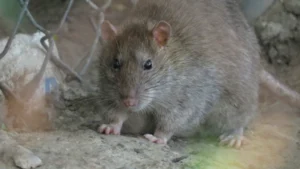
Back-to-back pregnancies are especially dangerous and can shorten a female’s lifespan. You should never breed a female more than 2 to 3 times in her whole life, with several months of rest between litters.
Older first-time mothers (over 8 months old) are at higher risk for problems because their pelvic bones aren’t as flexible. This can lead to difficult births where babies get stuck.
What If Something Goes Wrong
Despite your best planning, sometimes things don’t go as expected. You might have a female who rejects her babies or a baby born with health problems.
If the mother rejects some or all of her babies, you’ll need to hand-raise them, which means feeding them special kitten milk replacer every 2 hours around the clock. It’s exhausting and time-consuming.
Sometimes babies are born with genetic defects or health problems. You’ll need to decide if you can provide the special care they need or if humane euthanasia is the kindest option.
Having a good relationship with an exotic vet before you start breeding is really important. They can guide you through complications and provide emergency care when needed.
Conclusion
Breeding pet rats at home is a huge responsibility that shouldn’t be taken lightly. It requires knowledge about genetics, a commitment to providing excellent care, and the financial resources to handle unexpected problems.
Before you breed, make sure you have homes lined up for all the babies, understand rat genetics and health issues, and have an exotic vet you can call if emergencies happen. If you can’t commit to all of this, it’s better to enjoy rats as pets without breeding them.
Remember, there are already so many rats in shelters and rescues that need homes. Unless you’re breeding to improve the health and temperament of rats, you’re just adding to the problem instead of helping.

Hi, my name is Ezra Mushala, i have been interested animals all my life. I am the main author and editor here at snakeinformer.com.