
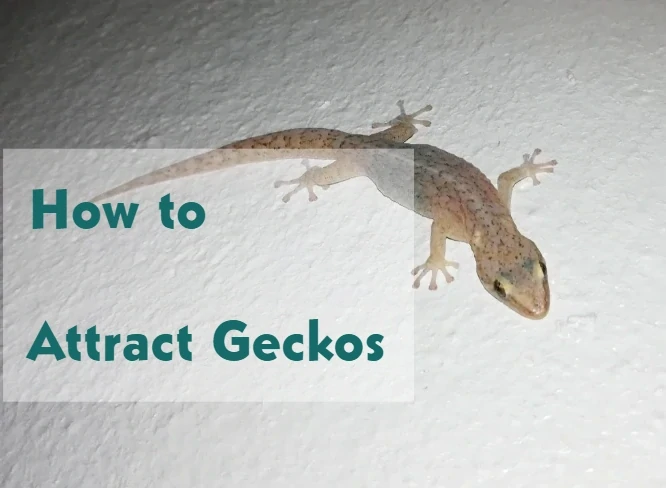
If you’ve ever spent a warm evening watching tiny lizards move across your walls, you might have thought, “I wish more of these little guys would hang out around here.”
Geckos are interesting creatures, small, quick, and full of personality. They can help keep insects under control, and honestly, it’s really fun to watch them in action.
But how do you actually get geckos to make your yard, garden, or even your home a place they like to hang out?
Attracting geckos is really about creating a safe, welcoming space with plenty of food, places to hide, and water. By understanding what geckos need and how they live, you can naturally encourage them to visit and stick around.
Geckos aren’t picky about fancy decorations or complicated setups. They just want to feel safe, have easy access to food, and stay hydrated.
In this post, we’ll go through everything you can do to make your outdoor and indoor spaces friendly to geckos, with tips that actually work.
Why Geckos Are Such Great Garden Guests
Before we get into the “how,” it’s worth talking about why you’d want geckos around. Geckos are natural pest controllers.
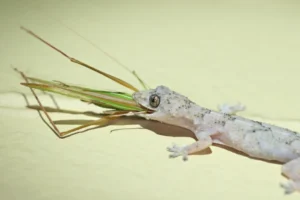
A single gecko can eat dozens of insects each night including mosquitoes, flies, beetles, even small spiders. That means fewer bugs buzzing around your porch or eating your plants.
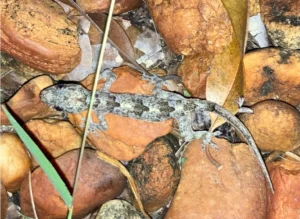
There’s more to it. Geckos are active at night, so you don’t have to worry about them bothering you during the day. They’re also small and blend into your plants or walls.
In other words, you get the benefits without the downsides. And honestly, watching them climb walls or cling to a window can be mesmerizing.
Geckos can even help protect your garden in subtle ways. By keeping insect numbers down, they reduce the chance of your plants getting eaten.
Plus, their presence can encourage a more balanced backyard. Birds, frogs, and other wildlife often coexist with geckos, making your garden feel more alive.
How Geckos Choose Where to Live
Geckos won’t just randomly show up somewhere unless it has what they need. They look for three main things: food, shelter, and safety.
Think about it, if you were a tiny lizard, would you move into a bright, open space with no cover, or somewhere you could hide, hunt, and escape predators easily?
Geckos are especially drawn to places with lots of insects. That could mean a garden full of flowering plants, lights that attract bugs at night, or even a compost pile.
They also love hiding spots: leaf litter, rocks, hollow logs, and nooks around your porch or corners of your house.
Another factor is water. Even small drops, condensation, or morning dew can make a place appealing.
Geckos are very sensitive to their environment, so they often pick areas that naturally combine these things, sometimes avoiding even a good spot if it’s too dry or open to predators.
Creating a Gecko-Friendly Garden
So how do you make your garden irresistible to geckos? It’s simpler than you might think. First, focus on shelter. Geckos like places where they can hide and feel safe during the day.
Rocks in small clusters, dense shrubs, and leaf litter all make perfect hideouts. Even small wooden boxes or flower pots on their side can give them a cozy retreat.
Next, think about food. Plants that attract insects are a magnet for geckos. Night-blooming flowers, herbs, and nectar-producing plants bring in moths, beetles, and other insects geckos love to eat.
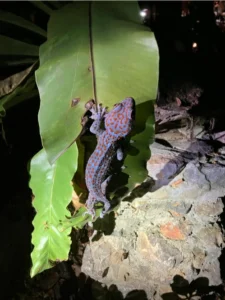
You can also use outdoor lighting that draws bugs at night, just keep the lights low enough so they don’t scare the geckos away.
Water is important too. A shallow dish with fresh water or a small fountain can help geckos stay hydrated.
They don’t need much, but even a little water makes your garden more inviting, especially during hot or dry days.
You can also include natural debris like bark or fallen branches. These provide hiding spots and attract insects for geckos to hunt.
Small logs or a pile of leaves can create mini habitats that geckos find irresistible.
Plants and Garden Setups That Attract Geckos
Here’s a practical guide to the best plants and garden setups for gecko-friendly spaces:
| Category | Plant / Setup | Why It Works for Geckos |
|---|---|---|
| Night-blooming flowers | Jasmine, Evening Primrose, Moonflower | Attract moths and beetles, giving steady food |
| Herbs | Basil, Mint, Oregano | Draw small insects geckos can easily eat |
| Flowering shrubs | Hibiscus, Marigold | Shelter in leaves and extra insect activity |
| Ground cover | Ferns, Moss, Ivy | Hiding spots and small safe areas |
| Rock or log piles | Smooth rocks, driftwood, hollow logs | Daytime shelter, climbing areas, and insect homes |
| Water features | Shallow dish, small fountain, birdbath | Hydration and added humidity in dry areas |
| Lighting | Warm-toned garden lights | Attract insects without scaring geckos away |
| Micro-habitats | Leaf litter piles, overturned flower pots | Natural hideouts and hunting spots |
Mix plants with rocks and logs to make layered spaces. Geckos love climbing and exploring, just like in the wild. Even a few well-placed pots and logs can turn a dull yard into a gecko paradise.
How to Make Your Yard Gecko-Friendly Without Making It a Mess
Some people worry that attracting geckos will mean a messy yard or too many insects. The truth is, geckos usually reduce pest problems.
Still, you want a welcoming but tidy space.
Keep leaf litter controlled: Geckos love hiding in leaves, but too many can attract pests you don’t want. A thin layer works best.
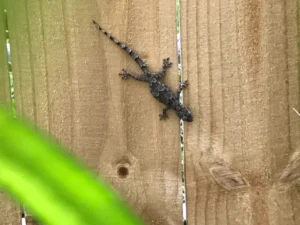
Provide natural cover: Small rock piles, logs, or shrubs give geckos safe spots without cluttering the space.
Use night lights smartly: A single porch light or garden lamp can attract insects for geckos without turning your yard into a bug paradise for people.
Basically, it’s about balance. Give geckos what they need without letting your yard get messy.
Paths and open areas help keep things clean while still offering plenty of hiding spots.
Attracting Geckos to Your House
Geckos don’t just stay outside, they’ll move close to humans if the conditions are right. They like walls, windows, and eaves where insects are plentiful.
Make sure there are safe entry points. Geckos can squeeze through tiny gaps, but they need easy access to food.
Porch lights that attract insects work well, as long as they don’t scare geckos away.
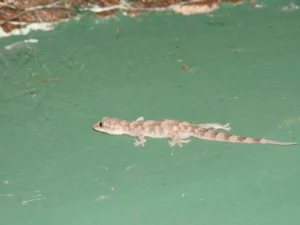
Provide hiding spots. Even indoors, geckos want safe places. Small indoor plants, stacked books, or quiet corners can act as mini shelters.
Keep their environment appealing. Geckos are sensitive to chemicals, so avoid strong insect sprays or cleaning products. They want a clean, safe place with food nearby.
Windows with a bit of humidity attract insects, which attract geckos. A well-placed plant near a sunny window can turn your indoor space into a mini gecko garden.
The Role of Temperature and Humidity in Gecko Attraction
Geckos are cold-blooded, which means warmth and humidity matter. They need heat to stay active and moisture to keep their skin healthy.
In your yard, this means sunny spots to warm up and shaded spots to cool off. A water feature or light misting can help with humidity, especially in dry areas.
Indoors, geckos won’t stay long if it’s too dry or cold. Extra warmth near windows or lamps can make your home more appealing.
Even a small warm spot, like a brick wall, can act as a resting place during cool nights.
Seasonal Considerations for Geckos
Geckos’ activity changes with the seasons. In warmer months, you might see them everywhere, hunting at night.
In cooler months, they hide in warmer spots or indoors. Keeping your garden slightly warm and water available helps them stay through seasonal changes.
Insects are also more abundant in some seasons, so timing your plantings and blooms can give a steady food supply year-round.
Why Some Gardens Attract Geckos Instantly While Others Don’t
If you’ve tried tricks but don’t see geckos, it’s usually about food, shelter, and safety. Even one missing piece can make a place uninviting.
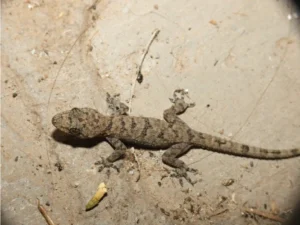
A garden full of insects won’t attract geckos if there’s nowhere to hide. A garden with shelters but few insects won’t hold their attention.
Timing matters. Geckos are active at night, so you’ll notice them more in the evening. Patience is key, they often arrive gradually once the environment meets their needs.
Predators matter too. Gardens with cats or snakes may have fewer geckos. Elevated shelters or dense plants give geckos safer areas and encourage them to stick around.
Watching Out for Potential Problems
Geckos are mostly harmless, but a few things matter. Small pets, like kittens or tiny dogs, may chase them.
Geckos are fast and usually escape, but it’s best to watch interactions.
Be careful with chemicals. Insect sprays, herbicides, and some fertilizers can hurt geckos.
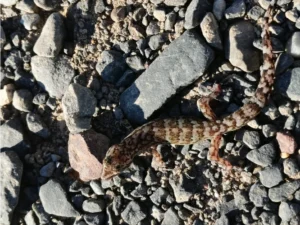
If you want them around, use natural pest control and organic gardening whenever possible.
Pools or ponds? Add gentle ramps or plant-covered edges. Geckos can fall in, and a safe exit keeps them protected.
How to Encourage Geckos Without Feeding Them Directly
It can be tempting to leave food out, but don’t. Geckos are wild animals. Feeding them can create dependency or attract predators. Focus on indirect methods:
-
Plant flowers and herbs that attract insects
-
Keep compost or leaf litter that supports bugs
-
Use low outdoor lighting to draw insects at night
This gives geckos a natural buffet without interfering with hunting.
Avoid sticky traps or bug zappers that can hurt geckos. Use plants and natural insect homes to keep them fed safely.
Signs That Your Yard or Garden Is Gecko-Friendly
How do you know geckos are visiting? Look for:
-
More insects being eaten: fewer mosquitoes and flies at night
-
Sightings at dusk: tiny lizards on walls, fences, or plants
-
Droppings: small, dark pellets in corners or under pots
If you see these signs, congrats, you’ve made a gecko-friendly space!
You might notice more night activity overall. Moths, small spiders, and other creatures interact with geckos, creating a richer backyard ecosystem.
Common Mistakes to Avoid When Attracting Geckos
Even with the best intentions, small mistakes can keep geckos away:
-
Overusing chemicals: Harsh sprays or fertilizers can hurt geckos or their food. Stick to natural methods.
-
Too much clutter: Geckos love hiding spots, but messy yards can attract predators or pests they avoid. Balance is key.
-
Bright, harsh lighting: White or very bright lights scare geckos and mess up hunting. Warm, soft lights work best.
-
Direct feeding: Leaving food out can create dependency or attract predators. Focus on plants and insect habitats.
-
Ignoring water and humidity: Geckos need hydration. Even a few dry nights can make a space unappealing.
-
Frequent changes: Moving plants, logs, or hiding spots too much stresses geckos. Let them settle naturally.
-
Ignoring seasonal changes: Geckos are more active in warm months. Adjust garden care, water, and food sources in cooler months.
Patience is key. Even a perfect setup can take weeks for geckos to find and settle. Avoid over-tweaking.
Keeping Geckos Safe While Encouraging Them
Attracting geckos is fun, but you also need to protect them. Avoid chemicals, give hiding spots, and don’t handle them too much.

A safe environment helps geckos thrive. They repay you by controlling pests and adding life to your garden.
Watch for predators like snakes or birds. Elevated hiding areas or dense plants give geckos escape routes without messing with your yard’s look.
Pro Tips for Attracting Geckos Even Faster
Once you have food, water, and shelter:
-
Layer your garden: Use rocks, logs, and plants to create climbing and exploring space.
-
Add micro-habitats: Small piles of leaves, broken branches, or overturned pots are perfect for hiding and hunting.
-
Rotate plants and flowers: Changing bloom cycles keeps insect food steady.
-
Keep pets in check: Curious cats or dogs can scare geckos. Create gecko-only zones with dense plants or elevated rocks.
-
Observe before interfering: Geckos are sensitive. If they start exploring, don’t move things too much.
Basically, the more natural, varied, and safe your space feels, the more likely geckos will stick around.
Conclusion
Attracting geckos to your yard, garden, or home is really about knowing what they need and making your space meet those needs naturally.
Provide food, shelter, water, and the right environment, and geckos will often show up on their own.
Watching them hunt insects and climb walls is entertaining and helps keep your outdoor spaces healthier.
With patience, a few adjustments, and careful observation, you can make a little gecko paradise in your backyard.
Geckos are interesting, helpful, and surprisingly personable. By inviting them safely, you can enjoy having these lively little visitors nearby, without ever forcing them to come.

Hi, my name is Ezra Mushala, i have been interested animals all my life. I am the main author and editor here at snakeinformer.com.