
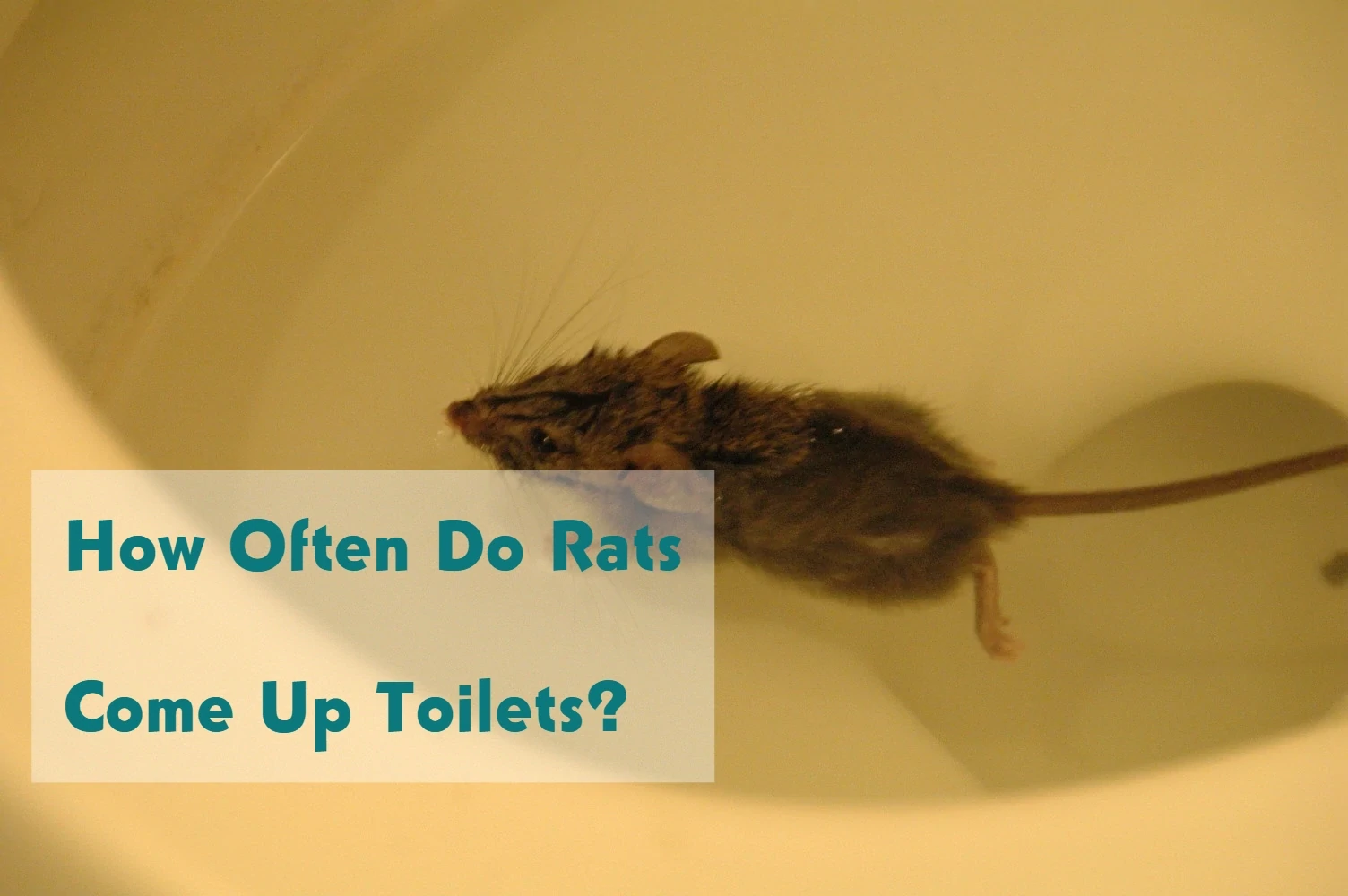
The thought of a rat emerging from your toilet is enough to make anyone uneasy, but how realistic is this fear?
You’ve probably heard urban legends or seen news stories about this happening, and you’re wondering if it’s actually something that occurs regularly. So how often do rats come up toilets?
Rats coming up toilets isn’t an everyday occurrence, but it happens more frequently than most people realize, especially in older buildings and cities with large rat populations. Pest control experts in major cities report handling several cases per month, though the vast majority of homes will never experience this problem.
While it’s not common enough to lose sleep over, it’s also not so rare that you can completely ignore the possibility.
Understanding how often this actually happens can help you figure out if you need to take preventive steps in your own home.
What the Numbers Really Say About Rats in Toilets
Getting exact numbers on how often rats come up toilets is pretty tricky because most incidents aren’t officially reported anywhere.
People usually just deal with it privately or call a pest control company without filing any kind of report.
However, pest control companies do track their service calls, and these give us a decent picture.

In major cities like New York, Chicago, and Los Angeles, large pest control companies report getting calls about rats in toilets anywhere from 5 to 15 times per month per company.
That might sound like a lot, but when you consider these companies serve hundreds of thousands of homes, it’s still a pretty small percentage.
One pest control expert estimated that less than 1 percent of homes in a typical city will ever have a rat come up through the toilet.
The numbers are much higher in certain types of buildings. Older apartment buildings and properties with known plumbing issues see this happen way more often, sometimes multiple times per year in the same building.
Which Cities Deal With Toilet Rats the Most?
Some cities deal with toilet rats way more than others, and the differences are pretty dramatic.
New York City probably has the most reports of any city in the United States. With an estimated 2 million rats and miles of old sewer pipes, pest control companies there stay busy with toilet rat calls.
Some Brooklyn and Manhattan neighborhoods see incidents almost weekly across the whole area.

London deals with this problem a lot too. The city’s Victorian-era sewers are basically highways for rats, and toilet appearances happen regularly enough that it barely makes the news anymore.
Paris has seen an increase in toilet rats over the past decade as their rat population has exploded. Some estimates put the city’s rat population at 4 to 6 million, and sightings in toilets have become much more common.
Smaller cities and suburban areas see this happen much less frequently. In a typical suburban neighborhood, you might go decades without a single reported incident on your entire street.
Rats Come Up Toilets More During Certain Seasons
Rats don’t come up toilets at the same rate all year round. There are definite patterns based on the seasons and weather.
Fall sees a big spike in incidents. When temperatures drop, rats actively look for ways to get indoors where it’s warm. September through November tends to be the busiest time for pest control calls about toilet rats.

Winter stays fairly busy, especially during cold snaps. When it’s really freezing outside, rats will push into any warm space they can find, and your home’s plumbing offers a heated pathway.
Spring brings another smaller spike because that’s when rat populations boom with new babies. Young rats are more likely to explore unusual routes and can end up in weird places, including toilets.
Summer is usually the quietest time, though tropical storms and heavy summer rains can cause temporary increases. Flooding pushes rats out of their normal sewer hiding spots and into pipes they wouldn’t normally explore.
The Type of Building Can Change Your Risk Completely
Where you live dramatically affects how often rats might come up your toilet, and building type is one of the biggest factors.
Old apartment buildings are the highest risk.
Buildings constructed before 1950 often have clay or cast iron pipes that have cracked over decades of use.

Some older buildings in major cities report dealing with toilet rats once or twice a year.
Single-family homes in newer developments rarely see this problem. Modern PVC plumbing with fewer connections and better seals makes it much harder for rats to enter the system.
Basement and ground-floor units in any building are way more vulnerable than upper floors. Rats can’t easily climb through vertical pipes more than a few stories, so if you’re on the 10th floor, your chances are basically zero.
Commercial buildings with restaurants or food service actually see this more often than you’d think.
The combination of food waste going down drains and heavy usage of the plumbing system can attract rats from the sewers.
How Your Neighborhood Matters
Even if your specific building is in great shape, what’s happening in your neighborhood affects your risk.
Neighborhoods with lots of restaurants and food businesses tend to have higher rat populations overall.
These areas see more frequent incidents of rats in toilets simply because there are more rats around to find their way into plumbing.

Areas with old infrastructure are at higher risk regardless of individual building conditions.
If the city sewer lines under your street are from the 1920s, rats can enter those lines easily and then potentially reach any connected building.
Neighborhoods near water (rivers, harbors, beaches) often have more rats. These damp environments are perfect rat habitats, and the animals thrive there in large numbers.
Low-income areas unfortunately see this problem more often, not because of anything residents do but because these neighborhoods often have older infrastructure that doesn’t get maintained as well as it should.
When Do Toilet Rat Incidents Suddenly Spike?
There are certain events and situations that cause temporary increases in how often rats come up toilets, even in areas that don’t normally have this problem.
Major construction or demolition work can disrupt rat populations and push them into sewer systems they weren’t in before.
If your city is doing big infrastructure projects, you might see more toilet rats during that period.
Flooding from storms is a major trigger. When sewers overflow or fill with water, rats get pushed through pipes looking for air pockets.

After Hurricane Sandy in New York, reports of toilet rats jumped significantly for several months.
Building renovations can cause problems too. If workers disturb rat nests in walls or basements, those displaced rats often head into the plumbing system to escape.
Pest control efforts in one building can actually cause temporary problems for neighboring buildings. If rats are being exterminated in one location, survivors often flee through sewer connections to nearby properties.
Daily vs. Weekly vs. Monthly Rates
Looking at how often this happens on different timescales gives you a better sense of your actual risk.
On a daily basis across an entire major city, there are probably several rats entering toilets somewhere. But in a city of 8 million people with maybe 3 million toilets, daily incidents still represent a tiny fraction of homes.
Weekly numbers are easier to track through pest control companies. A large pest control company serving a major metropolitan area might get 3 to 5 calls per week about rats in toilets during peak season.

Monthly totals add up to something that sounds more significant but still isn’t common when you consider the total number of homes.
Even in high-risk cities, you’re looking at maybe a few hundred incidents per month across millions of households.
Yearly, an individual property owner in a high-risk building might have a 5 to 10 percent chance of experiencing this. For the average homeowner in a typical area, the yearly risk is probably less than 1 percent.
First-Time Incidents vs. Repeat Problems
Some homes never have this issue, some have it once and never again, and some deal with it repeatedly. Understanding these patterns matters.
Most toilet rat incidents are one-time events. A rat finds its way up, someone deals with it, and it never happens again at that address. This suggests many incidents are just rats randomly exploring rather than targeting specific locations.
Properties that have it happen once are at higher risk of it happening again if they don’t fix the underlying problem. If there’s a crack in your sewer line or some other vulnerability, multiple rats will eventually find it.

Buildings with repeat incidents (several times per year) almost always have serious plumbing damage that needs professional repair.
Rats are following the same route repeatedly because there’s an easy entry point.
Some buildings develop reputations among pest control professionals as “rat buildings” because they have chronic problems.
These properties need more than just removing individual rats; they need major plumbing and sewer line work.
Comparing Different Countries Around the World
This problem isn’t unique to any one country, but frequency varies a lot based on infrastructure and rat populations.
The United States sees moderate levels overall, with big variations between regions. Southern cities like Houston and Atlanta have fewer reports than northern cities like Chicago and Boston.
The UK deals with this pretty regularly in older cities. London’s problem is well-documented, but cities like Birmingham and Manchester handle plenty of cases too.

Asian cities with dense populations and old sewer systems report high frequencies. Tokyo, Hong Kong, and Singapore all have documented issues with rats in toilets despite otherwise excellent sanitation.
Scandinavian countries see this much less often, partly because of colder climates that limit rat populations and partly because of newer infrastructure in many areas.
Australia has pockets of problems in older neighborhoods of cities like Sydney and Melbourne, but overall rates are lower than in comparably sized European or American cities.
How Reporting Changes the Real Numbers
One reason it’s hard to know exactly how often this happens is that many people don’t report it through official channels.
Some people are too embarrassed to tell anyone except a pest control company. They handle it privately and never mention it to neighbors or landlords.
Landlords might handle incidents quietly to avoid scaring other tenants or damaging the property’s reputation. This means official building records often undercount how often it’s really happening.

In some cities, health departments track pest issues, but in others, there’s no central database. This makes comparing cities and tracking trends really difficult.
Social media has actually helped give a better picture in recent years. People post about these experiences online, and pest control experts say the real numbers are probably higher than official reports suggest.
What Pest Control Professionals Actually See Out There
Pest control professionals who deal with this regularly have insights that statistics don’t capture.
Most exterminators working in major cities say they handle at least one toilet rat call per month during busy season. Some specialists who focus on commercial properties see it multiple times per week.
Plumbers often discover evidence of rats in pipes during routine work even when residents haven’t seen anything.
They find rat droppings, gnaw marks, and signs of passage that suggest rats are using the pipes more often than people realize.
Building inspectors in older cities say a surprisingly high percentage of old buildings have some level of rat access to their plumbing, even if residents haven’t seen rats in toilets yet.
Sewer workers who go down into city sewer systems say rats are incredibly common down there, and the animals regularly investigate pipes that lead to buildings. They’re not surprised at all when rats end up in toilets.
Why the Real Risk Feels Different From the Statistics
There’s often a big difference between how often this could theoretically happen versus how often it actually does.
Many buildings have vulnerabilities that rats could exploit, but the rats just haven’t found those specific routes yet. You could have a cracked pipe for years without ever seeing a rat because the rats in your area simply haven’t discovered that particular pathway.

Population density of rats in your specific sewer section matters more than overall city rat numbers. You could live in a city with a huge rat problem but be on a street where rats are actually pretty rare.
Random chance plays a role too. Two identical buildings next door to each other might have completely different experiences just based on which directions rats happen to explore.
The Warning Signs That Toilet Rat Problems Are Growing
If you’re in an area where toilet rats are starting to happen more often, there are signs the problem is getting worse.
Multiple incidents on the same block within a few months suggest a growing rat population or new damage to the sewer lines. This is when you need to take it seriously and not just write it off as a one-time thing.
Reports moving from older buildings to newer ones in the same area indicate rats are becoming more numerous and bolder in their exploration.

Incidents happening in summer (the typically quiet season) suggest an unusually large rat population that’s running out of space in normal habitats.
Rats appearing during the daytime or acting less scared of humans often means the population is so large that competition is forcing them into situations they’d normally avoid.
What Property Managers Track About Rats and Plumbing
If you manage properties, especially multiple buildings, tracking frequency helps you allocate resources and plan prevention.
Smart property managers keep logs of every pest incident, including dates, locations, and what actions were taken. Patterns in this data can reveal which buildings need pipe repairs or more intensive rat control.

Comparing your properties to others in the same area helps you know if you have a building-specific problem or if you’re just dealing with area-wide issues.
Tracking costs over time shows whether prevention measures are actually saving money.
If you’re spending thousands on repeated emergency pest control calls, investing in pipe repairs might be cheaper.
Tenant complaints about smells, sounds, or rat sightings (even if not in toilets) often predict toilet incidents before they happen.
Taking these early warnings seriously can prevent bigger problems.
How Public Health Departments Look at Rats in Toilets
Public health officials track rat issues as disease risks, and toilet incidents are part of what they monitor.
Most health departments consider any direct contact between rats and human living spaces (including toilets) as a potential health hazard.
Some cities require landlords to report these incidents.

Disease surveillance sometimes picks up clusters of rat-related illnesses (like leptospirosis) that correlate with areas having more frequent toilet rat reports.
Public health inspectors use reports of rats in toilets as indicators of where to investigate sewer infrastructure problems. A cluster of incidents often points to a break in the public sewer system.
Conclusion
Rats coming up toilets happens often enough that it’s a real phenomenon, not just an urban legend, but not so often that you need to worry about it constantly.
Most people will never experience this, but if you live in an older building in a city with lots of rats, your chances are definitely higher than average.
The frequency varies wildly based on location, season, and building conditions. Understanding these patterns helps you assess your actual risk and decide whether prevention measures make sense for your situation.
If you’re in a high-risk category, it’s worth taking this seriously and looking into solutions rather than just hoping it never happens to you.

Hi, my name is Ezra Mushala, i have been interested animals all my life. I am the main author and editor here at snakeinformer.com.