

Rats are known for being tough survivors, but even they have limits. If you’re trying to get rid of rats or you’re worried about pet rats missing meals, you need to know how long they can actually go without eating.
The answer might surprise you because it’s both shorter and more complicated than you’d think. How long can rats live without food?
Rats can only survive about 3 to 4 days without food. Some larger, healthy rats might make it to a week in ideal conditions, but most rats will die within 4 days of total starvation. Rats have fast metabolisms and small bodies, so they burn through their energy reserves really quickly.
This is actually much shorter than many other animals can survive without food. It’s one of the reasons rats are constantly searching for food and why they’re so food-driven in their behavior.
Why Rats Can’t Go Long Without Food
Rats have really fast metabolisms compared to larger animals. Their small bodies burn energy quickly just to maintain their body temperature and keep their organs working.
Think about it like this: a small fire burns through wood faster than a big fire does. Rats are like that small fire, constantly burning energy at a high rate.

An adult rat needs to eat about 15-20 grams of food per day, which is roughly 5-10% of its body weight. That’s like a 150-pound person needing to eat 7-15 pounds of food daily.
When a rat stops eating, its body starts breaking down fat reserves first. But rats don’t have much fat storage to begin with, so this runs out fast.
After the fat is gone, the body starts breaking down muscle tissue for energy. This causes weakness and organ damage, which speeds up the dying process.
Rats Need Food More Often Than Water
Here’s something interesting: rats can actually survive longer without water than without food in some cases. This seems backwards, but there’s a reason.
If a rat is eating food with high water content (like fruits or vegetables), it can get enough moisture from the food to stay hydrated while also getting calories.

But if a rat has water but no food, it’ll die of starvation before it dies of thirst. The body’s need for calories is more urgent than its need for pure water.
That said, rats do need water regularly. We’ll talk more about that in another post, but the key point is that food is the more immediate survival need.
A rat that has access to both food and water will always do better than one that has just one or the other.
Young Rats Starve Faster Than Adults
Baby rats and young rats can’t survive nearly as long without food as adult rats can. Their metabolisms are even faster, and they have almost no energy reserves.
A baby rat might only survive 12-24 hours without food. Young rats that are still growing need constant nutrition to develop properly.

Nursing baby rats depend completely on their mother’s milk. If the mother dies or abandons them, the babies will die within a day or two without intervention.
Even juvenile rats (ones that are weaned but not yet full-grown) can only make it about 2 days without food. They’re still growing and burning energy fast.
If you have pet rats, it’s really important to make sure young rats always have food available. Missing even one meal can be dangerous for them.
Sick or Weak Rats Die Even Faster
A rat that’s already sick, injured, or weak can’t survive as long without food as a healthy rat can. Their bodies are already struggling, and starvation makes everything worse.
Old rats also have a harder time. Their bodies don’t process nutrients as efficiently, and they have less muscle mass to break down for energy.

Pregnant or nursing female rats need even more food than normal. A pregnant rat that stops eating might only survive 2-3 days because she’s supporting multiple bodies, not just her own.
Stress also makes starvation worse. A rat that’s scared, cold, or dealing with other stressors will burn through its energy reserves even faster than normal.
The 3-4 day timeline is for a healthy adult rat in decent conditions. Rats with any kind of health issue will die much sooner.
What Happens When Rats Starve?
The starvation process is pretty brutal, and it happens fast in rats. In the first day without food, the rat starts to get really hungry and will search desperately for anything to eat.
By day two, the rat is getting weak. It moves slower and might start eating things it normally wouldn’t (like paper, cardboard, or even its own droppings).

On day three, the rat is in serious trouble. It’s lethargic, barely moving, and its body is breaking down muscle tissue for energy. The rat might start having seizures or tremors.
By day four, most rats are either dead or very close to it. The organs start failing, and the rat loses consciousness.
If you find a starving rat (wild or pet), it needs food immediately. Even a few hours can make the difference between recovery and death at that point.
Rats Will Eat Almost Anything When Desperate
When rats are starving, they become a lot less picky about what they eat. A well-fed rat might ignore certain foods, but a starving rat will try almost anything.
This includes things like soap, candles, paper, cardboard, leather, and even plastic. These things don’t provide nutrition, but a desperate rat doesn’t know that.

Rats have also been known to eat poisonous plants or spoiled food when they’re starving. This can kill them even faster than the starvation would have.
In really extreme cases, rats will even eat each other. This is called cannibalism, and it happens when there’s absolutely no other food source and the rats are dying.
This desperate behavior is part of why rats can be so destructive in homes and buildings. They’re not being mean, they’re just trying to survive.
Rats in the Wild Face Starvation Regularly
Wild rats deal with food scarcity all the time, especially in winter or during droughts. It’s one of the main reasons wild rats have such short lifespans.
In areas where food is hard to find, rats might go a day or two between meals regularly. This constant near-starvation weakens them and makes them vulnerable to disease and predators.

Rats that live near humans usually do better because there’s more food available. Garbage, compost, pet food, and food waste in buildings provide steady meals.
But even city rats face competition for food. Larger, stronger rats often bully smaller or younger rats away from food sources.
This is why rat populations crash when food sources disappear. If a building gets cleaned up or a food source is removed, the rat population drops fast as rats starve.
Pet Rats Should Never Go Without Food
If you have pet rats, you should never let them go more than 12 hours without food available. Rats need to eat multiple small meals throughout the day.
Missing even one day of food can cause health problems for pet rats. Their blood sugar can drop dangerously low, and they can develop liver problems.
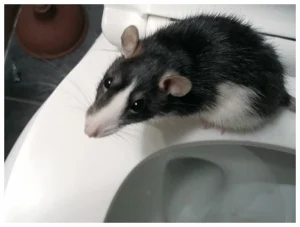
Always leave dry food available for your rats at all times. Fresh fruits and vegetables can be given as treats, but they should always have access to rat pellets or blocks.
If you’re going away for a day or two, make sure someone checks on your rats daily and tops up their food. Don’t assume they can just eat a big meal and be fine for days.
Young pet rats, old pet rats, and sick pet rats need even more careful monitoring. They should never be without food for any length of time.
Fasting vs. Starvation
There’s a difference between a rat choosing not to eat for a few hours and a rat being forced to starve. Rats naturally eat small amounts throughout the day and night.
A healthy rat might go 6-8 hours without eating if it’s sleeping or just not hungry at that moment. This is fine and normal.

But going more than 12 hours starts to become starvation, especially if the rat wants to eat but can’t find food. This is when health problems start.
Some rats will voluntarily fast if they’re sick or stressed, but this is actually a bad sign. A rat that stops eating for more than a day needs to see a vet right away.
Never restrict food from rats as a form of training or punishment. Unlike dogs or cats, rats can’t handle scheduled feeding times. They need constant access to food.
The Role of Food Quality
It’s not just about having food, it’s also about having the right kind of food. Rats need a balanced diet with protein, carbs, and fats to stay healthy.
A rat eating only low-quality food (like just bread or pasta) might technically not be starving, but it can still develop malnutrition and die.

Wild rats that only have access to one type of food (like just grains or just fruits) don’t do as well as rats with varied diets. They might survive longer than rats with no food at all, but they’ll still be weak and sick.
Pet rats fed only seed mixes (which are popular but not ideal) can develop health problems even if they’re eating every day. They need a more complete diet.
The best rat food includes rat pellets or blocks as a base, with fresh vegetables, some fruits, and occasional protein sources like cooked eggs or mealworms.
How to Tell If a Rat Is Starving
If you find a rat (wild or pet) and you’re not sure if it’s starving, there are some signs to look for. A starving rat will have visible ribs and hip bones sticking out.
The rat’s fur will look dull and might be falling out in patches. Starving rats also have sunken eyes and look generally weak and lethargic.

A healthy rat is alert, moves quickly, and has smooth, shiny fur. Its body should have a slight roundness to it, not bony angles.
Starving rats also behave differently. They’re less afraid of humans because they’re too weak to run, and they’ll try to eat anything you offer them immediately.
If you find a starving rat, the best thing you can do is offer small amounts of food frequently. Don’t give it a huge meal all at once because its stomach can’t handle it after days of being empty.
Why Rat Control Methods Consider Starvation
Some pest control methods try to get rid of rats by removing their food sources. This is called “exclusion” or “sanitation,” and it can work, but it takes time.
Rats will search for new food sources for several days before they starve. They might move to a different area or try to get into places they couldn’t before.
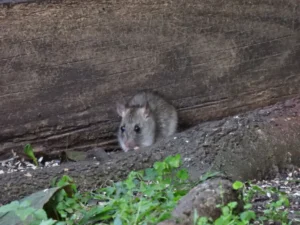
This is why cleaning up food sources needs to be combined with other control methods. Just removing food won’t get rid of rats overnight.
The rats will actually become more desperate and aggressive as they starve, which can make the problem worse in the short term before it gets better.
Humane rat control focuses on prevention (keeping food sources locked away) rather than trying to starve existing rats out. Trapping and removal is usually faster and more effective.
Conclusion
Rats can only survive 3-4 days without food, and that’s for healthy adult rats in good conditions. Young rats, sick rats, or rats dealing with stress will die even faster.
This short survival time is why rats are so focused on finding and hoarding food. They’re always just a few days away from starvation, and their bodies know it.
If you have pet rats, always make sure they have food available. If you’re dealing with wild rats, remember that removing food sources is effective but needs to be part of a bigger control plan.

Hi, my name is Ezra Mushala, i have been interested animals all my life. I am the main author and editor here at snakeinformer.com.