
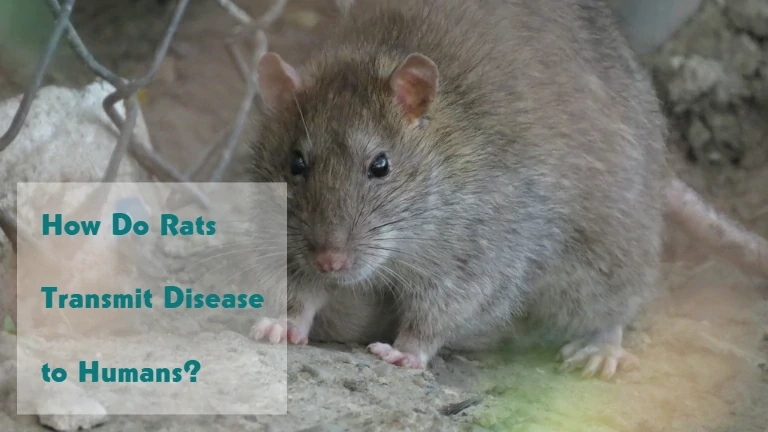
Rats are more than just unwelcome pests in your home. They’re known carriers of various diseases that can make humans seriously sick. If you’ve seen rats around your property or inside your house, you might be worried about the health risks they bring. How do rats transmit disease to humans?
Rats transmit diseases to humans through their urine, droppings, saliva, and bites. They also spread disease indirectly through parasites like fleas and ticks that feed on rats and then bite humans.
Understanding how rats spread disease is important because it helps you protect yourself and your family. Some of these diseases are serious, but knowing the transmission routes means you can take the right steps to stay safe.
Direct Contact with Rat Urine and Droppings
One of the most common ways rats spread disease is through their waste. Rats produce a lot of urine and droppings every day, and both can contain harmful bacteria and viruses.
When rats travel through your home, they leave behind a trail of urine. Rats actually dribble urine constantly as they move around, marking their territory and leaving scent trails for other rats to follow. This means anywhere a rat walks, there’s likely contamination.
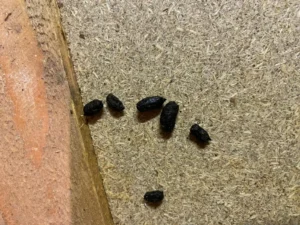
Rat droppings are just as dangerous. A single rat can produce 40 to 50 droppings per day. These pellets dry out over time, and the dried material can break apart into dust that becomes airborne.
You can get sick from rat waste in several ways. If you touch surfaces that have been contaminated with rat urine or droppings, then touch your mouth, nose, or eyes before washing your hands, the bacteria or viruses can enter your body.
You can also breathe in contaminated dust. When you sweep or vacuum areas where rats have been, dried droppings and urine can become airborne. Breathing this in can make you sick, especially in enclosed spaces like attics or basements.
Another way is through contaminated food or water. If rats have access to your kitchen or pantry, they’ll contaminate food with their urine and droppings. Eating or drinking contaminated food or water can lead to serious infections.
Rat urine can also seep into porous surfaces like wood, carpet, and fabric. Even after the visible urine dries, the bacteria remain in the material and can continue to pose a health risk.
Diseases Spread Through Rat Waste
Several serious diseases are transmitted through contact with rat urine and droppings. Understanding these helps you realize why proper cleanup and prevention are so important.
Leptospirosis is one of the most common diseases spread by rat urine. The bacteria that cause this disease can survive in rat urine for months, especially in damp environments.

You can get infected by touching contaminated surfaces or through cuts in your skin. Symptoms include high fever, headaches, muscle pain, and in severe cases, kidney and liver damage.
Hantavirus is another serious disease, though less common. It’s spread when you breathe in dust contaminated with rat urine, droppings, or saliva. This is why cleaning up rat infestations in enclosed spaces is so dangerous. Hantavirus can cause severe respiratory problems and can be fatal.
Salmonellosis is caused by salmonella bacteria found in rat droppings. If you touch contaminated surfaces and then handle food without washing your hands, or if rats contaminate your food directly, you can develop this infection. Symptoms include diarrhea, fever, and stomach cramps.
Rat-bite fever (yes, despite the name, you can get this without being bitten) can be transmitted through contact with rat urine or droppings. It causes fever, vomiting, muscle pain, and a rash.
Transmission Through Rat Bites
Rats can bite when they feel threatened or cornered. While rat bites aren’t super common, they do happen, especially if you’re trying to catch or handle a rat.
Rat bites transmit disease in a couple of ways. First, there’s bacteria in the rat’s mouth that gets injected into your skin when they bite. This can cause infections at the bite site.

Rat-bite fever is the main disease associated with rat bites. Despite what you might think based on the name, most cases actually come from bites. Symptoms usually start within a week of being bitten and include fever, vomiting, headaches, muscle pain, and a rash. If left untreated, it can lead to serious complications.
Rat bites also risk tetanus infection if you’re not up to date on your tetanus shots. The wound itself can become infected with various bacteria, leading to swelling, pain, and pus.
Even small bites from rats need to be taken seriously. Clean the wound immediately with soap and water, apply an antiseptic, and see a doctor right away. Don’t wait to see if it gets infected because some of these diseases need early treatment to prevent serious complications.
Disease Transmission Through Parasites
Rats carry parasites like fleas, ticks, and mites. These parasites feed on rats, pick up diseases from them, and then can bite humans and transmit those diseases to us.
Fleas are the most concerning parasite that rats carry. Rat fleas can spread several diseases, with plague being the most famous (though rare in modern times). Fleas can also spread murine typhus, which causes fever, headache, and rash.

When rats die or leave an area, their fleas need to find new hosts. This is actually when the risk to humans increases. The fleas will jump onto other animals or even humans looking for their next meal.
Ticks that feed on rats can also bite humans. These ticks can carry Lyme disease and other tick-borne illnesses. If rats are living in or around your home, their ticks can end up in your living spaces too.
Mites are another problem. Rat mites are tiny parasites that live on rats and in their nests. When rats are present in your home, mites can spread from the rats’ nesting areas into your living spaces. These mites can bite humans, causing itchy red welts on the skin.
The indirect disease transmission through parasites is particularly tricky because you don’t even need direct contact with a rat to get sick. Just having rats nearby can expose you to their parasites.
Contamination of Food and Water
Rats will eat just about anything, and they’re always on the hunt for food. When they find their way into your kitchen or pantry, they contaminate food in several ways.
Rats gnaw through packaging to get to food. Once inside, they eat some of the food and contaminate the rest with their urine, droppings, and saliva. Even if the food looks untouched, it might be contaminated.

Rats also cache food, which means they carry food items back to their nests. As they carry food through your home, they’re spreading contamination along their travel routes.
Water sources can be contaminated too. If rats have access to open water containers, pet water bowls, or even pipes with leaks, they can contaminate the water with bacteria from their bodies and waste.
The biggest risk here is salmonella and E. coli infections. Both bacteria can be present in rat droppings and can contaminate food and water. Eating or drinking contaminated food or water can cause severe gastrointestinal illness with symptoms like diarrhea, vomiting, fever, and stomach cramps.
Food contamination is especially dangerous because people might not realize the food is contaminated until after they’ve eaten it. By then, the bacteria are already in their system.
Breathing in Airborne Particles
Some diseases rats carry can become airborne, which means you can get sick just by breathing contaminated air in spaces where rats have been.
As mentioned earlier, when rat droppings and urine dry out, they can break down into fine particles. When these areas are disturbed (by sweeping, vacuuming, or even just walking through), the particles become airborne.

Hantavirus is the most serious disease transmitted this way. When you breathe in dust contaminated with hantavirus, it can cause Hantavirus Pulmonary Syndrome, a severe respiratory disease. Early symptoms are similar to the flu, but it can quickly progress to serious breathing difficulties.
This is why cleaning up rat infestations in enclosed spaces like attics, basements, or storage areas is so risky. The more enclosed the space, the higher the concentration of airborne particles you might breathe in.
Even diseases that aren’t typically airborne can become a risk this way. When dried waste becomes dust and you breathe it in, bacteria can enter your respiratory system and potentially cause infections.
Contamination Through Rat Nests
Rats build nests using whatever materials they can find. These nests are concentrated areas of contamination and disease risk.
Rat nests typically contain shredded paper, fabric, insulation, and other soft materials. These materials are soaked with rat urine and mixed with droppings. The nest is basically a concentrated source of bacteria, viruses, and parasites.

Parasites like fleas, mites, and ticks often live in rat nests. Even if the rats leave or die, the parasites remain in the nest looking for new hosts.
When you find a rat nest, you might be tempted to just quickly throw it away. But disturbing a nest can release airborne particles and disturb parasites, putting you at immediate risk.
The bacteria in rat nests can also spread to surrounding materials. If a nest is in your attic insulation or inside your walls, the contamination can spread throughout those materials, making cleanup much more complicated.
Who’s at Higher Risk
While anyone can get sick from rat-transmitted diseases, some people are at higher risk for serious illness.
Young children are at increased risk because they’re more likely to put their hands in their mouths without washing them first. Their immune systems are also still developing, making them more vulnerable to infections.

Elderly people often have weakened immune systems and may have other health conditions that make it harder for their bodies to fight off infections.
People with compromised immune systems (like those with HIV, cancer patients undergoing chemotherapy, or people taking immune-suppressing medications) are at much higher risk for severe illness from rat-borne diseases.
Pregnant women need to be especially careful because some infections can harm the developing baby or cause complications during pregnancy.
People who work in environments where rats are common (like sewers, warehouses, or pest control professionals) have higher exposure and need to take extra precautions.
How to Protect Yourself from Rat-Transmitted Diseases
Knowing how rats spread disease means you can take specific steps to protect yourself and your family.
If you have rats in your home, don’t try to live with them. Get rid of the infestation as soon as possible. The longer rats are present, the more contamination builds up.
Never touch a rat, dead or alive, with your bare hands. If you must handle a dead rat, wear thick gloves and put the rat in a plastic bag before disposing of it.

When cleaning areas where rats have been, wear protective gear. This includes gloves, a mask (N95 respirators are best), and clothing that covers your skin. Regular dust masks aren’t enough for cleaning up rat contamination.
Don’t sweep or vacuum rat droppings directly. This launches particles into the air where you’ll breathe them in. Instead, spray the area with a disinfectant solution (like a mixture of bleach and water), let it soak for at least five minutes, then use paper towels to pick up droppings. Put everything in a sealed plastic bag.
Wash your hands thoroughly with soap and water after being in any area where rats have been, even if you wore gloves. If you can’t wash right away, use hand sanitizer, but still wash with soap and water as soon as possible.
Don’t let children or pets near areas where rats have been until those areas have been thoroughly cleaned and disinfected.
Proper Cleanup of Rat Contamination
If you’ve had rats in your home, proper cleanup is critical to prevent disease transmission.
Before you start cleaning, ventilate the area by opening windows and doors. Let fresh air circulate for at least 30 minutes before you begin. This helps reduce the concentration of airborne particles.

Make a disinfectant solution using one part bleach to nine parts water. Put this solution in a spray bottle.
Spray the contaminated area thoroughly with the disinfectant. This includes droppings, urine stains, nesting materials, and the surrounding area. Let it sit for at least five minutes to kill bacteria and viruses.
Use paper towels to pick up droppings and nesting materials. Put everything directly into a plastic bag. When the bag is full, seal it tightly and put it inside another bag for extra protection.
After removing visible contamination, mop the area with disinfectant solution. For carpets or upholstered furniture that can’t be mopped, steam cleaning with hot water is the best option.
If contamination is extensive (like a large rat infestation), or if it’s in your HVAC system or insulation, consider hiring a professional remediation company. They have the proper equipment and training to handle serious contamination safely.
When to See a Doctor
If you think you’ve been exposed to rat-transmitted diseases, watch for symptoms and know when to seek medical help.
If you’ve been bitten by a rat, see a doctor immediately. Don’t wait for symptoms. Rat-bite fever and other infections need early treatment.

Watch for flu-like symptoms after exposure to rats or their waste. This includes fever, headache, muscle pain, dizziness, and chills. These can be early signs of several rat-borne diseases.
If you develop respiratory symptoms like difficulty breathing, coughing, or chest pain after being in an area with rats, get medical attention right away. These could be signs of Hantavirus or other serious respiratory infections.
Unexplained rashes, especially after known exposure to rats, should be checked by a doctor. Some rat-borne diseases cause distinctive rashes.
Severe gastrointestinal symptoms (like bloody diarrhea, persistent vomiting, or severe stomach pain) after potential exposure to rat contamination need medical evaluation.
Tell your doctor about your rat exposure. This information helps them make the right diagnosis and start treatment quickly.
Prevention Is the Best Protection
The best way to avoid rat-transmitted diseases is to prevent rats from getting into your home in the first place.
Seal all entry points. Rats can fit through holes as small as a quarter, so check your home’s exterior carefully and seal any gaps or cracks.

Remove food sources. Don’t leave pet food out overnight, store all food in sealed containers, and keep your kitchen clean. Take out garbage regularly and use cans with tight-fitting lids.
Eliminate water sources. Fix leaky pipes and faucets. Don’t leave standing water around your home.
Keep your property clean and clutter-free. Remove piles of wood, debris, and vegetation near your home. These provide hiding spots and nesting materials for rats.
If you see signs of rats, act immediately. The longer you wait, the worse the infestation gets and the higher your disease risk becomes.
Conclusion
Rats transmit diseases to humans through multiple routes, including direct contact with their urine and droppings, rat bites, parasites they carry, and contaminated food and water. Some diseases can even be spread through breathing in airborne particles in areas where rats have been.
The health risks are real and can be serious, but they’re preventable. Keep rats out of your home by sealing entry points and removing food sources. If you do have rats, get rid of them quickly and clean up contamination properly using protective gear and disinfectant.
If you’ve been exposed to rats or their waste and develop symptoms, don’t hesitate to see a doctor. Early treatment of rat-borne diseases is important for preventing serious complications. By understanding how rats spread disease, you can take the right steps to protect yourself and your family.

Hi, my name is Ezra Mushala, i have been interested animals all my life. I am the main author and editor here at snakeinformer.com.