
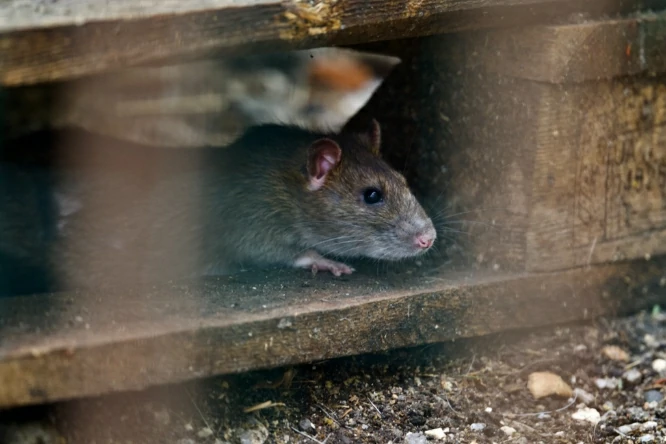
Hearing scratching or scurrying sounds coming from inside your walls is an unsettling experience. When you realize those noises are probably rats living in the space between your walls, the next question that comes to mind is pretty obvious. How did they even get in there in the first place? How do rats get in between walls?
Rats get in between walls through small gaps and openings in your home’s exterior, then travel through wall voids using holes created for pipes, wires, and ductwork. They can squeeze through openings as small as a quarter inch and will follow utility lines that pass through walls, giving them access to the hidden spaces throughout your home.
Once rats find their way into your wall voids, they can move throughout your entire house without you even seeing them. Understanding how they get there is the first step to keeping them out.
Entry Points That Lead to Wall Spaces
Rats don’t start out inside your walls. They first need to get into your home through an opening somewhere on the exterior. Once inside, they make their way to wall voids through various pathways.
Gaps around pipes and utility lines are one of the most common entry points. When plumbers and electricians install pipes, wires, or cables that need to pass through your exterior walls, they drill holes that are usually bigger than the pipe or wire itself. The extra space around these utilities creates openings that rats can squeeze through.
Foundation cracks and gaps give rats direct access to your basement or crawl space. From there, they can easily find their way up into wall voids. Even small cracks in concrete or gaps where the foundation meets the wooden frame of your house are big enough for rats.
Vents and exhaust openings are designed to let air flow in and out of your home, but they can also let rats in if the screens or covers are damaged or missing. Dryer vents, bathroom exhaust vents, and attic vents are all potential entry points.
Roof damage creates openings that rats can use to get into your attic. Missing or damaged roof shingles, gaps where the roof meets the walls, and openings around chimneys all provide access. Once rats are in your attic, they can easily drop down into wall voids.
Gaps under doors, especially garage doors or basement doors, can be large enough for rats to slip through. If there’s even a half-inch gap under a door, a young rat can squeeze through it.
Windows with damaged frames or broken seals can have gaps large enough for rats. Old wooden window frames that have rotted or shrunk can develop spaces around the edges that rats can exploit.
How Rats Travel Through Walls
Once rats get into your home, they don’t just stay in one spot. They explore and use the hidden spaces in your walls to move around. Your home’s construction actually provides them with a network of pathways.
Wall studs are vertical wooden beams that form the frame of your walls, and the spaces between them create vertical channels. Rats can climb up and down these channels pretty easily. Since most homes have studs spaced 16 or 24 inches apart, there are multiple routes rats can take through your walls.
Holes drilled for electrical wiring and plumbing give rats horizontal access between wall spaces. When your home was built, electricians and plumbers drilled holes through the studs to run wires and pipes. These holes create openings that rats can use to move from one wall cavity to another.
The space between floors, often called the rim joist area, connects all your wall voids horizontally. This space runs around the entire perimeter of your home between floors. Rats can travel through this area to access walls in different rooms or different parts of your house.
Drop ceilings and soffits create additional hidden pathways. These are the lowered ceiling areas often found in kitchens, bathrooms, or hallways. The space above them connects to wall voids and gives rats even more routes to travel.
Insulation in walls doesn’t usually block rats. Whether it’s fiberglass batts, blown-in cellulose, or spray foam, rats can push through or tunnel through most types of insulation. In fact, they’ll often use insulation material to build nests.
Why Wall Voids Are Attractive to Rats
You might wonder why rats choose to live in walls instead of other parts of your home. Wall voids actually provide almost everything rats need.
Safety from predators is a huge advantage. Inside your walls, rats are completely hidden from cats, dogs, hawks, owls, and any other animals that might hunt them. They can move around, eat, and raise babies without being exposed.
Protection from humans is another benefit. Most of the time, you can’t see or reach rats that are inside your walls. They can live there for weeks or months without you even knowing, as long as they’re quiet.
Wall spaces stay relatively warm in winter and cool in summer. The insulation in your walls helps regulate temperature, and walls that face the interior of your home benefit from your heating and cooling systems. This makes wall voids comfortable places for rats year-round.
Nesting materials are often readily available. Rats will shred insulation, paper backing on drywall, and any other soft materials they find in walls to build nests. If they can access wall spaces near storage areas, they might also grab fabric or paper from stored items.
Multiple escape routes make walls safe places for rats. Since wall voids connect to many different areas of your home, rats can quickly flee if they sense danger. They’re not trapped in a single space with only one way out.
Signs That Rats Are Living in Your Walls
If rats have made their home in your walls, they’ll leave clues that tell you they’re there. Some signs are obvious, while others are more subtle.
Scratching or scurrying sounds inside walls are the most noticeable sign. You’ll typically hear these noises at night because rats are most active after dark. The sounds might move up and down walls or travel across the space between floors.
Squeaking or chattering noises sometimes come from walls where rats are nesting. Baby rats make high-pitched sounds, and adult rats communicate with various chirps and squeaks. If you hear these vocalizations coming from inside your walls, there’s definitely a rat colony there.
Bad smells can indicate dead rats in your walls. If a rat dies inside a wall void, the decomposition smell is really strong and unpleasant. The odor might last for weeks depending on the size of the rat and the conditions in the wall.
Greasy rub marks might appear along baseboards or in corners where walls meet. Rats have oily fur, and when they repeatedly pass through the same openings, they leave dark smudges. Look for these marks near gaps or holes in your walls.
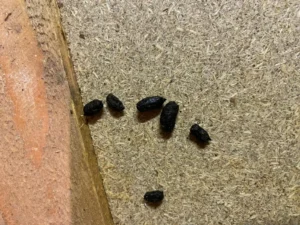
Droppings near wall openings or along baseboards show rat activity. Rat droppings are about half an inch long, dark brown or black, and oval-shaped. Finding fresh droppings means rats are actively moving in and out of your walls.
Chewed holes in drywall indicate rats are creating or enlarging openings to access wall spaces. You might find these holes near floor level or in corners. The edges look rough and torn with visible tooth marks.
Preventing Rats From Getting Into Your Walls
The best way to deal with rats in your walls is to prevent them from getting there in the first place. This means blocking their entry routes and making your home less accessible.
Seal all exterior openings larger than a quarter inch. Walk around your entire home and look for gaps, cracks, and holes. Pay special attention to areas where pipes, wires, or cables enter your house. Use steel wool, metal mesh, copper mesh, or rodent-proof expanding foam to seal these openings.
Fix foundation cracks promptly. Even small cracks in your foundation can let rats in. Use hydraulic cement or concrete patch to repair cracks. For larger gaps, you might need professional foundation repair.
Install or repair vent covers and screens. Make sure all your vents have secure screens or covers that are in good condition. Use heavy-duty metal mesh rather than plastic screens, which rats can chew through.
Maintain your roof and repair damage quickly. Replace missing or damaged shingles, seal gaps around chimneys and vent pipes, and make sure your soffit and fascia are in good shape with no gaps or holes.
Install door sweeps on exterior doors. A good door sweep eliminates the gap under doors and makes it impossible for rats to squeeze through. Replace worn-out sweeps before gaps develop.
Trim trees and shrubs away from your house. Branches that touch or hang close to your home give rats easy access to your roof and upper walls. Keep vegetation at least six feet away from your house.
Keep your home’s exterior in good repair. Rats look for weak spots and damage. Regular maintenance helps you spot problems before rats can exploit them.
Getting Rats Out of Your Walls
If rats are already living in your walls, you need to remove them. This can be tricky because you can’t easily access the spaces where they’re hiding.
Setting traps inside wall voids is one approach. You can use snap traps or enclosed trap stations, but you need to find access points where you can place them. Look for larger gaps or openings where you can slide traps into the wall space.
Creating access holes might be necessary if there’s no way to reach the rats. Cut small inspection openings in drywall in areas where you hear rat activity. After you’ve solved the rat problem, you can patch these holes.
Trapping rats in rooms adjacent to wall voids can work if rats are coming out of the walls to find food and water. Place traps along baseboards and in corners where you see signs of activity.
Avoiding poison inside walls is really important. If you use poison and rats die inside your walls, you’ll deal with terrible smells for weeks and won’t be able to remove the carcasses easily. Stick with traps instead.
Using exclusion methods lets rats leave walls but not get back in. Install one-way doors at openings rats are using. These devices let rats exit but prevent them from returning. Once all rats have left, seal the openings permanently.
Professional pest control might be your best option for rats in walls. Professionals have tools like inspection cameras to find rat activity, experience locating all entry points, and methods for getting rats out without causing excessive damage to your home.
What Happens If Dead Rats Are Stuck in Walls
Sometimes rats die inside wall voids, whether from natural causes, poison, or getting trapped. This creates problems that can be difficult to solve.
The smell from decomposing rats is intense and unpleasant. It starts strong after a few days and can last for two to three weeks or longer depending on temperature and humidity. The odor might spread throughout your home if your HVAC system pulls air from the affected wall cavity.
Finding the exact location of a dead rat in walls is challenging. The smell might seem to come from multiple places. You can’t always tell exactly where the carcass is without opening up the wall.
Removing dead rats from walls usually requires cutting into drywall. If the smell is unbearable and you can narrow down the location, you might need to cut an access hole, remove the carcass, disinfect the area, and then repair the wall.
Waiting out the smell is sometimes the only option. If you can’t find or access the dead rat, you might have to live with the odor until decomposition is complete. Opening windows, using fans, and placing odor absorbers near the affected area can help make it more bearable.
Professional help is available for dealing with dead rats in walls. Wildlife removal services have experience locating carcasses, know where to cut access holes to minimize damage, and can clean and disinfect the space properly.
Long-Term Prevention After Removing Rats
After you’ve gotten rats out of your walls, you need to make sure they don’t come back. This means addressing the conditions that attracted them initially.
Keep your entire home sealed. Rats can squeeze through amazingly small spaces, so you need to stay vigilant about sealing potential entry points. Do a thorough inspection of your home at least twice a year.
Eliminate food sources that attract rats. Store all food in sealed containers, clean up crumbs and spills promptly, don’t leave pet food out overnight, and keep garbage in sealed bins. Without food, rats have less reason to target your home.
Remove water sources around your property. Fix leaky faucets, eliminate standing water, and make sure gutters and downspouts direct water away from your foundation. Rats need water to survive, so limiting access makes your property less attractive.
Reduce clutter in storage areas. Cluttered spaces give rats places to nest and hide. Keep basements, attics, and garages organized with items stored in sealed plastic or metal containers off the floor.
Monitor for signs of rat return. Stay alert for droppings, gnaw marks, sounds, or smells that indicate rats are back. Catching a new infestation early makes it much easier to deal with than waiting until rats have established themselves in your walls again.
Conclusion
Rats get in between walls by first finding openings in your home’s exterior, then traveling through the network of spaces created by your home’s construction. Gaps around pipes and wires, foundation cracks, damaged vents, and roof openings all provide entry points. Once inside, rats use the vertical spaces between wall studs and horizontal paths created for utilities to move throughout your walls.
Wall voids provide rats with safety, warmth, and nesting materials, which is why they’re so attracted to these hidden spaces. Preventing rats from accessing your walls starts with sealing all exterior openings and maintaining your home’s structure in good repair.
If rats are already living in your walls, removing them requires patience and the right approach. Use traps rather than poison, seal entry points after rats are gone, and address the conditions that attracted them to prevent future problems. Taking these steps will help you keep your walls rat-free and give you peace of mind.

Hi, my name is Ezra Mushala, i have been interested animals all my life. I am the main author and editor here at snakeinformer.com.