
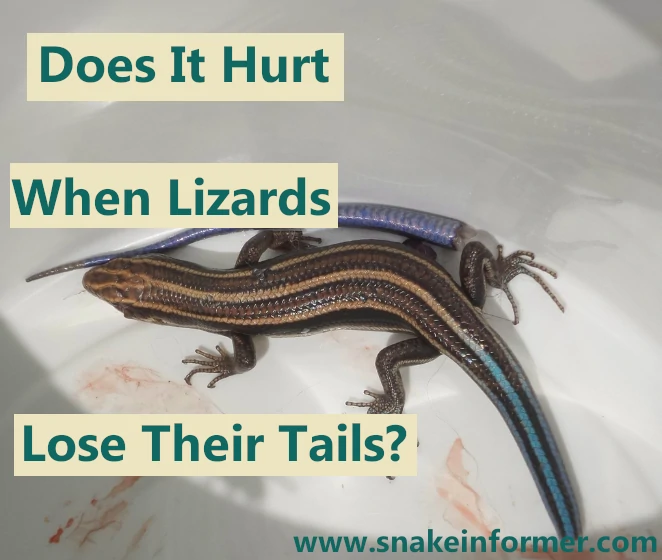
If you’ve ever seen a lizard drop its tail, either in person or in a video, you’ve probably wondered what it feels like for the lizard.
The tail keeps wiggling on the ground while the lizard runs away, and it can look pretty shocking. Many people, especially kids, want to know if the lizard feels pain when this happens. So does it hurt when a lizard loses its tail?
Yes, it probably does briefly hurt when a lizard loses it its tail, but it’s designed to be much less painful than other injuries. The tail has special breaking points called fracture planes where it detaches cleanly with minimal damage. Blood vessels close quickly to stop bleeding, and the lizard can still move normally. While not pain-free, it’s far less traumatic than it looks.
The lizard’s body is specially built to reduce discomfort so it can escape predators immediately after dropping its tail.
From a human perspective, it looks dramatic. The tail wriggles violently, the lizard darts away, and it seems like a serious injury.
But in reality, the lizard’s body and nervous system are specially adapted to make this process efficient and survivable.
How Tail Autotomy Actually Works
Tail autotomy (which is what lizards dropping their own tail is called), is a highly specialized process that evolved to minimize harm.
The tail doesn’t just tear off randomly. Lizards that can drop their tails have built-in breaking points along the tail bones called fracture planes.
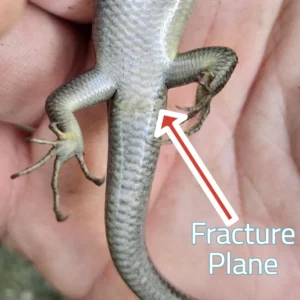
These fracture planes are weak spots in the bones where the tail is designed to separate. They’re located between the bones, not through them, which matters for pain.
When a predator grabs the tail or the lizard experiences extreme stress, muscles contract strongly and the tail breaks cleanly at one of these points.
The break happens incredibly fast, usually in less than a second. This speed gives the lizard the best chance to escape.
Blood vessels in the tail have special muscles that contract to stop blood flow almost immediately when the tail detaches.
How Do Lizards Perceive Pain?
Understanding whether it hurts means looking at how lizards feel pain.
Lizards definitely can feel pain. They have nerve endings and pain receptors throughout their bodies, including in their tails.
However, their pain is probably different from what mammals feel. The emotional part of pain, like suffering, might be less developed in reptiles.

During extreme stress, like a predator attack, many animals (including humans) feel less pain. This is an advantage that helps prey animals get away.
The lizard’s nervous system is built to prioritize survival. When the tail drops, the focus is on running, not thinking about pain from the detached tail.
What Lizards Feel Immediately After Losing Their Tails
So what’s happening from the lizard’s point of view at that moment?
There’s probably a sharp sensation when the tail separates, like any injury. The nerve endings at the break point are being cut.
But this pain is likely brief and quickly overwhelmed by the stress and the instinct to flee. The lizard isn’t stopping to think about how much it hurts.
The minimal bleeding means there’s less damage than you’d expect from losing a whole body part. Clean separation with immediate blood vessel closure prevents shock from blood loss.
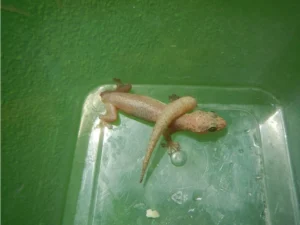
The lizard can still move normally right after losing its tail. There’s no limping or obvious pain behavior. They run at full speed, which suggests the pain isn’t stopping them.
Comparing Tail Loss to Other Injuries
Losing a tail is less harmful than many other injuries.
If a predator caught the lizard’s body instead of its tail, the injury would be much worse. Bites to the body can cause infection, broken bones, or fatal wounds.
The tail is meant to be expendable. Losing it hurts the lizard’s survival chances in some ways, but not nearly as much as serious body injuries would.
Even among tail injuries, autotomy is cleaner than forced breaks. If something tears a tail off without the natural process, it’s messier, bleeds more, and probably hurts worse.
What Happens After the Tail Drops?
The immediate aftermath tells us more about pain.
Lizards that just lost their tails usually behave normally within minutes. They hide, rest, and then resume normal activities like eating and basking.
There are no behaviors that suggest severe ongoing pain. The lizard doesn’t guard the wound, cry out, or show other pain signs that mammals do.
The wound forms a scab within hours. Most lizards show no infection if they were healthy to start with.
They start eating normally right away, which is important. Animals in severe pain usually won’t eat.
How Lizards’ Bodies Make Tail Loss Hurt Less Than You’d Think
The fracture planes reduce pain cleverly.
They are located where there are fewer nerve endings compared to other parts of the tail. It’s like the tail is designed to break where it’ll hurt least.
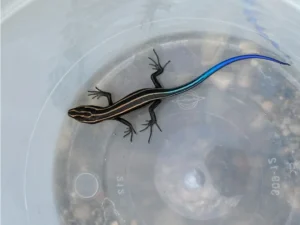
When the tail separates, many nerve endings are in the dropped tail, not in the wound on the lizard’s body. The dropped tail keeps moving partly because these nerves are still firing.
The rapid blood vessel closure also stops pain signals from bleeding. Less ongoing tissue damage means less pain.
Stress vs. Pain
It’s important to separate stress from pain.
Tail loss is definitely stressful. The whole situation, like a predator attack, activates the stress response.
But stress and pain aren’t the same. An animal can be stressed without severe pain, and vice versa.
Behavior shows that tail loss causes stress and mild pain, but not the extreme agony of losing a limb without natural breaking points.
Every Lizard is Different: How Species Handle Tail Loss
Not all lizards drop tails the same way.
Some species drop tails easily with little provocation. These species probably experience it as minor trauma.
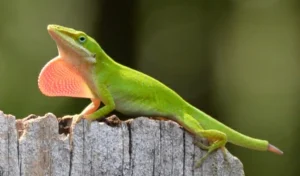
Other species only drop their tails in extreme situations. For them, it might be more significant.
Species that can’t regrow their tails at all, like chameleons, don’t have this adaptation. If they lose a tail, it’s from traumatic injury and probably much more painful.
Why Does the Dropped Tail Continue Moving?
The wiggling tail is part of the pain-reduction strategy.
The tail keeps moving for several minutes after separation because nerve and muscle activity continues in the severed tail.
This movement distracts predators. While the predator focuses on the wiggling tail, the lizard escapes.
The fact that the tail keeps moving after separation suggests the injury doesn’t destroy all function. It’s a clean break, not devastating trauma.
Losing a Tail Isn’t Painful, But It’s Definitely Costly for the Lizard
Tail loss might not hurt much, but it has costs.
Regrowing a tail uses a lot of energy. The lizard needs to eat more and might grow more slowly while building a new tail.
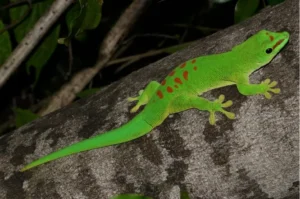
During regrowth, the lizard is more vulnerable to predators because it lacks this defense. It can’t drop its tail again while the new one grows.
The energy needed to regrow the tail is probably a bigger problem than the pain from losing it.
Watching Lizards After Tail Loss Shows It’s Not That Bad
Watching lizards after tail loss gives clues about pain.
They don’t show obvious pain behaviors like mammals. They don’t vocalize, limp, or favor the injured area.
They go back to normal behaviors quickly. Within hours, most lizards are basking, hunting, and moving normally.
If you compare this to a lizard with a broken leg, the difference is clear. Other injuries cause obvious distress, tail loss doesn’t.
Lizards Can Drop Their Tails Many Times, Without Lasting Trauma
Some lizards drop tails multiple times in life, which shows it’s not unbearably traumatic.
If it were extremely painful, lizards would avoid doing it again. But lizards that have dropped and regrown tails will drop them again if threatened.
This repeated behavior shows the experience is manageable, not causing lasting trauma.
How to Keep Your Pet Lizard from Dropping Its Tail
Even though it’s not agonizing, you still want to avoid making your pet lizard drop its tail.
- Never grab a lizard by the tail. This is the most common way owners accidentally trigger tail loss.
- Don’t chase or corner your lizard in ways that make it feel trapped. Extreme stress can make it drop its tail.
- Provide hiding spots and respect your lizard’s need for security. A stressed lizard is more likely to drop its tail.
Handle gently and infrequently. Lizards handled roughly or too often might drop tails as a last resort.
Signs of Problems After Tail Loss
Tail loss usually isn’t a medical emergency, but watch for issues.
- Excessive bleeding means something went wrong with the autotomy. This needs a vet.
- Signs of infection, like swelling, discharge, or bad smell, need treatment.
- If the lizard seems lethargic or stops eating, it might have complications or more stress than normal.
Any unusual behaviors lasting more than a day or two should be checked by a vet.
What Happens to the Tail That Grows Back?
The new tail is different from the original in ways that matter.
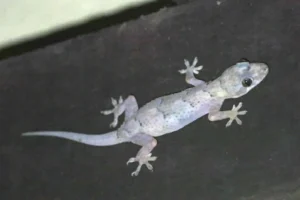
Regrown tails don’t have the same bone structure. Instead of vertebrae with fracture planes, they have a cartilage rod.
This means the new tail can’t drop at precise points like the original. If it needs to drop again, the break will be messier.
The new tail often lacks the original scale pattern and coloring. It might be smoother and a different color.
Just Because It Doesn’t Hurt Much Doesn’t Mean We Should Make Them Do It
Knowing tail loss isn’t extremely painful doesn’t make it okay to cause it.
Some people, especially kids, might think tail dropping is fun. They might try to make a lizard drop its tail on purpose.
This is not okay. Even if it’s not agonizing, it’s stressful and costly. It uses energy that could go to growth, reproduction, or staying healthy.
In captivity, a dropped tail is almost always unnecessary. Your pet shouldn’t need this defense because you’re not a predator.
Wild vs. Captive Lizards
Tail loss has different meanings depending on where the lizard lives.
In the wild, tail loss is a survival strategy. The temporary pain and energy cost are worth it if the lizard escapes being eaten.
In captivity, tail loss usually means something went wrong in care. The lizard felt threatened enough to use its last-resort defense.
Wild lizards balance the risk of tail loss against other dangers. Captive lizards shouldn’t face these threats if cared for properly.
Tail Dropping Isn’t Just a Lizard Trick, Other Animals Do It Too
Tail autotomy exists in other animals, giving more perspective.
Some salamanders can drop tails similarly. The process is about the same and seems to have similar pain levels.
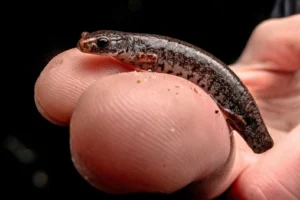
Certain mammals, like some rodents, can shed tail skin if grabbed, though not the whole tail. This is probably more painful than lizard autotomy.
Arthropods like crabs can drop limbs at specific points too. These breaks are clean and the animals continue normal behavior afterward.
The fact that tail dropping evolved independently in multiple groups suggests it’s an effective, manageable strategy.
How to Explain Tail Loss to Kids Without Freaking Them Out
If a child asks if it hurts when a lizard loses its tail, here’s how to explain it.
Yes, it probably hurts a little, like scraping a knee. But lizards have special bodies for this.
The tail is built to come off easily at spots that don’t hurt as much as other places.
The lizard can still run away right after losing its tail, so it can’t hurt too badly or the lizard wouldn’t escape.
Even though it doesn’t hurt terribly, we should never make a pet lizard drop its tail. It’s stressful and takes energy to regrow.
Conclusion
Does it hurt when a lizard loses its tail? Probably yes, but not as much as you’d think.
The tail is designed to detach at points that minimize damage, bleeding, and probably pain too.
The speed of separation, the quick blood vessel closure, and the lizard’s ability to move normally right afterward all suggest tail autotomy causes brief, manageable pain rather than severe agony.
This doesn’t mean we should be careless. Even if it’s not extremely painful, tail loss is stressful and costly.
In captivity, it’s almost always preventable with proper care.
The amazing thing about tail autotomy is that evolution made a defense that lets lizards sacrifice a body part with surprisingly little immediate harm.
The lizard feels some pain, but not so much it can’t escape and survive. That’s pretty remarkable when you think about it.

Hi, my name is Ezra Mushala, i have been interested animals all my life. I am the main author and editor here at snakeinformer.com.