
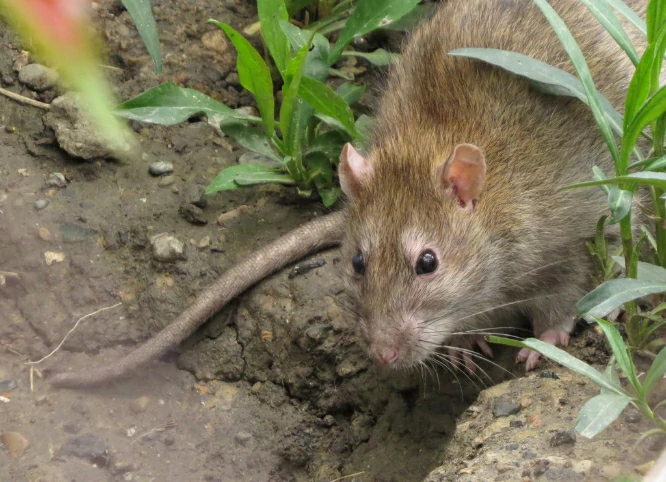
Suburban neighborhoods feel like they should be safe from rats. You’ve got nice houses, manicured lawns, and quiet streets. It’s not a city with garbage-filled alleys, and it’s not the countryside with barns full of grain.
But if you’ve noticed signs of rats in your garage, heard scratching in the walls, or spotted one in your yard at night, you’re probably wondering if rats actually live in the suburbs. Do rats live in the suburbs?
Yes, rats absolutely live in the suburbs. Suburban areas provide rats with food from garbage, pet food, bird feeders, and gardens, plus plenty of shelter in homes, garages, sheds, and yards. Rats thrive in suburbs because they combine the resources of cities with the space and cover of rural areas.
Suburbs aren’t immune to rats. In fact, many suburban neighborhoods have serious rat problems, and homeowners are often surprised when they discover them. Rats are adaptable, and suburbs give them everything they need.
Why Rats Are Common in Suburbs
Rats live in suburbs for the same reasons they live anywhere else: they’ve got access to food, water, and shelter.
Suburban homes produce plenty of garbage. Trash cans, recycling bins, and compost piles all provide meals for rats. Even if you’re careful with your trash, your neighbors might not be.
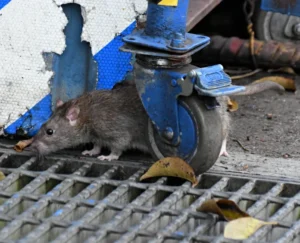
Pet food is another big draw. If you leave dog or cat food outside, rats will find it. Bird feeders are magnets for rats too. Seeds that fall on the ground attract them, and they’ll even climb feeders to get at the food.
Gardens and fruit trees give rats fresh produce. Vegetables, fruits, and seeds are all on the menu. If you’ve got a garden, rats will help themselves.
Water sources are easy to find. Leaky outdoor faucets, puddles, pet water bowls, and even decorative ponds give rats all the water they need.
Shelter is plentiful in suburbs. Homes have attics, basements, and wall voids. Garages and sheds are full of clutter that creates hiding spots. Yards have bushes, woodpiles, and junk piles where rats can nest.
Finally, suburbs are quieter than cities. There’s less noise and activity, which makes rats feel safer. They can move around at night without as much disturbance.
What Types of Rats Live in Suburbs?
The types of rats you’ll find in suburbs depend on where you are, but two species are most common.
Norway rats (brown rats) are the most widespread. They’re big, heavy, and love to burrow underground. You’ll find them in yards, under decks, and in basements. They’re excellent diggers and will create tunnel systems in your lawn or garden.
Roof rats (black rats) are common in warmer climates. They’re smaller and more agile than Norway rats, and they love to climb. You’ll find them in attics, trees, and along fences or power lines. If you’ve got rats in your roof, they’re probably roof rats.
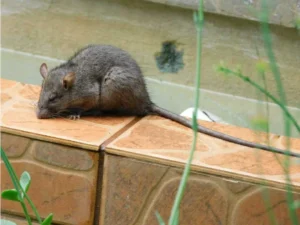
Both species can live in the same area, but they usually don’t compete directly because they prefer different spaces. Norway rats stick to the ground, while roof rats stay high up.
Where Rats Hide in Suburban Neighborhoods
Rats are experts at finding hiding spots in suburbs, and they’re often right under your nose.
Attics are one of the most common places. Rats (especially roof rats) love attics because they’re warm, dark, and undisturbed. They’ll nest in insulation, chew through wires, and leave droppings everywhere.
Basements and crawl spaces are popular too. Norway rats prefer these lower areas because they’re cool and close to the ground. They’ll nest in boxes, old furniture, or piles of clutter.

Garages and sheds are magnets for rats. These spaces are usually full of stuff, which creates perfect hiding spots. Rats will nest behind boxes, in stored items, or in the corners.
Wall voids (the empty spaces inside walls) are another favorite. Rats can squeeze through tiny gaps and build nests inside walls. You’ll hear them scratching and scurrying at night.
Yards have plenty of hiding spots too. Rats will burrow under decks, patios, or sheds. They’ll nest in woodpiles, compost bins, or thick bushes. Overgrown areas with tall grass or weeds are especially attractive.
Sewer systems in suburbs connect to homes through pipes and drains. Rats can travel through these systems and come up into yards or even into houses through drains.
How Rats Get Into Suburban Homes
Rats don’t just magically appear inside your home. They find ways in, and they’re surprisingly good at it.
Gaps and cracks are the main entry points. Rats can squeeze through holes as small as a quarter. Common entry points include gaps under doors, cracks in the foundation, openings around pipes and vents, and damaged window screens.
Roof vents and soffits are easy access points for roof rats. If there’s a gap or hole, they’ll climb up and get inside.
Chimneys without caps are like open invitations. Rats can climb down chimneys and end up in your home.
Garage doors that don’t seal properly leave gaps that rats can squeeze through. If your garage is attached to your house, rats can get from the garage into the main living areas.
Overgrown trees and bushes that touch your house give rats a bridge. They’ll climb the branches and jump onto your roof, then find a way inside.
Damaged siding or rotting wood creates gaps that rats can chew through. They’ve got strong teeth and can gnaw through a lot of materials.
What Rats Eat in Suburban Areas
Rats in suburbs have access to a wide variety of food, and they’re not picky.
Garbage is the main source. Even if you keep your trash cans sealed, rats will chew through plastic bags or tip over bins to get at the food inside.
Pet food is a huge draw. If you leave dog or cat food outside, rats will eat it. Even if you bring the bowl inside at night, spilled kibble on the ground is enough to attract them.
Bird feeders are another favorite. Seeds that fall on the ground create a buffet for rats. They’ll also climb feeders to get at the food directly.

Gardens provide fresh produce. Rats will eat tomatoes, lettuce, carrots, zucchini, and pretty much any vegetable you’re growing. They’ll also munch on fruits like strawberries, apples, and grapes.
Fruit trees drop fruit on the ground, and rats will feast on it. Even rotting fruit is fine by them.
Compost bins are magnets for rats if they contain food scraps. Rats will dig through compost looking for vegetable peels, fruit scraps, and other edibles.
Nuts and seeds from trees also attract rats. If you’ve got oak trees, walnut trees, or other nut-bearing plants, rats will collect and eat the nuts.
Signs of Rats in Your Suburban Home or Yard
If you’re not sure whether you’ve got rats, here are some signs to look for.
First, check for droppings. Rat droppings are dark, pellet-shaped, and about the size of a grain of rice. You’ll find them in basements, attics, garages, along walls, and near food sources.
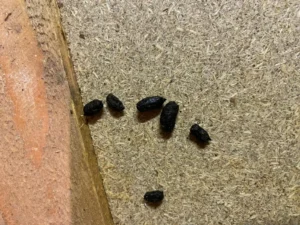
Second, listen for sounds. Rats are most active at night, and you might hear scratching, scurrying, or squeaking in walls, ceilings, or attics.
Third, look for gnaw marks. Rats chew on everything, including wood, plastic, wires, and cardboard. If you see bite marks, rats are probably nearby.
Fourth, check for burrows in your yard. Rat burrows are usually 2-4 inches wide and located near cover like bushes, decks, or sheds. The entrance might have fresh dirt piled around it.
Fifth, look for runways. Rats use the same paths over and over, which creates visible trails in the grass or along walls. You might also see grease marks (dark, oily smudges) where rats rub against surfaces.
Sixth, watch for damage. Rats chew through bags, boxes, and containers to get at food. If you find ripped bags of pet food or chewed packaging, rats might be the culprit.
Finally, pay attention to your pets. Dogs and cats can sense rats and might act strangely, like barking at walls or staring at certain areas.
How Rats Affect Suburban Neighborhoods
Rats in suburbs cause a bunch of problems for homeowners.
The biggest issue is property damage. Rats chew through wires, insulation, wood, and pipes. This can lead to electrical fires, water leaks, and expensive repairs.
They contaminate food. If rats get into your pantry, garage, or anywhere food is stored, they’ll eat and poop on it. You’ll have to throw everything out.
Rats spread diseases. They carry bacteria and viruses like salmonella, leptospirosis, and hantavirus. Their urine and droppings can contaminate surfaces, and they can spread disease to pets and humans.
They’re a threat to gardens. Rats will destroy vegetable gardens, eat fruit from trees, and dig up bulbs and seeds.
Rats stress out pets. If you’ve got a dog or cat, they’ll probably sense the rats and get anxious or aggressive. Some pets might even get into fights with rats and get bitten.
Rats can also lower property values. If a neighborhood gets a reputation for having a rat problem, it can affect home sales and make the area less desirable.
How to Keep Rats Out of Your Suburban Home
If you want to keep rats out of your home, you’ve got to make it harder for them to get in and less attractive once they’re there.
First, seal up entry points. Walk around your house and look for gaps, cracks, and holes. Seal them with steel wool, caulk, or metal mesh. Pay special attention to areas around pipes, vents, doors, and windows.
Second, store food properly. Keep pantry items in sealed containers, don’t leave pet food outside, and clean up crumbs and spills right away.
Third, manage your trash. Use bins with tight-fitting lids, don’t leave garbage bags sitting outside, and take trash out regularly.
Fourth, remove bird feeders or switch to rat-proof designs. If you’ve got bird feeders, clean up spilled seeds regularly. Better yet, take the feeders down for a while if you’ve got a rat problem.
Fifth, keep your yard clean. Mow the lawn, trim bushes, and remove piles of junk, wood, or debris. Don’t let vegetation get overgrown.

Sixth, fix leaky faucets and pipes. Eliminate standing water and don’t leave pet water bowls outside overnight.
Seventh, harvest fruits and vegetables as soon as they’re ripe. Pick up fallen fruit from the ground and don’t leave produce rotting in the garden.
Eighth, compost carefully. If you’ve got a compost bin, use a sealed design and don’t put meat, dairy, or oily foods in it.
Ninth, trim trees and bushes away from your house. Don’t let branches touch your roof or walls.
How to Get Rid of Rats in Your Suburban Yard
If rats are already in your yard, you’ll need to take action to get rid of them.
First, remove their food sources. Take down bird feeders, clean up fallen fruit, and don’t leave pet food outside. The less food available, the less attractive your yard will be.
Second, eliminate shelter. Clear out brush piles, woodpiles, and junk piles. Mow tall grass and weeds. Fill in burrows with dirt or gravel.
Third, use traps. Snap traps and live traps can work if you place them near burrows or along runways. Use bait like peanut butter, bacon, or dried fruit.
Fourth, consider using bait stations with poison, but be careful. Poison can harm pets, wildlife, and children. If you use it, place it in tamper-resistant bait stations and follow the instructions carefully.
Fifth, encourage predators. Natural predators like owls, hawks, and snakes can help keep rat populations down. Install owl boxes to attract owls to your yard.
Sixth, install fencing. If rats are coming from a specific area, you can use hardware cloth or metal mesh to block their access. Make sure the fence goes underground too, because rats will dig under it.
Should You Call a Professional?
If you’ve got a serious rat problem, it might be time to call a pest control professional.
Professionals have access to tools and techniques that homeowners don’t. They can identify entry points, set up effective trapping systems, and use commercial-grade bait and poison.

They’ll also inspect your home and yard to find the source of the problem and recommend solutions.
If you’ve tried DIY methods and the rats keep coming back, a professional can help break the cycle.
Just make sure you hire a reputable company. Check reviews, ask for references, and get a clear estimate before signing a contract.
Can Suburban Rats Spread to Neighbors?
Absolutely. Rats don’t respect property lines.
If you’ve got rats in your yard, there’s a good chance your neighbors do too. Rats will move from one yard to another looking for food, water, and shelter.
This is why neighborhood-wide rat control is so effective. If everyone works together to remove food sources, seal up homes, and keep yards clean, the whole area becomes less attractive to rats.
On the flip side, if one house has a serious rat problem and isn’t doing anything about it, the rats can spread to nearby homes.
If you’re dealing with rats, it’s a good idea to talk to your neighbors and see if they’re having the same issue. Working together makes it easier to control the problem.
Are Suburban Rats Less Aggressive Than City Rats?
Not really. Rats are rats, whether they’re in the city or the suburbs.
That said, suburban rats might be slightly more cautious because they’re not as used to humans as city rats. They’re more likely to avoid you and stay hidden.
But if a rat feels cornered or threatened, it’ll defend itself no matter where it lives. Rats can bite, and their bites can carry disease.
The best approach is to avoid handling or cornering rats. If you see one, leave it alone and focus on getting rid of it through traps or professional help.
Conclusion
So, do rats live in the suburbs? Yes, absolutely. Suburban neighborhoods provide rats with food from garbage, pet food, bird feeders, and gardens, plus plenty of shelter in homes, garages, sheds, and yards.
Rats thrive in suburbs because they get the best of both worlds: the resources of cities and the space and cover of rural areas.
If you live in the suburbs, the key to keeping rats away is removing what attracts them. Store food properly, seal up your home, keep your yard clean, and eliminate water sources. With the right approach, you can keep your home and neighborhood rat-free.

Hi, my name is Ezra Mushala, i have been interested animals all my life. I am the main author and editor here at snakeinformer.com.