
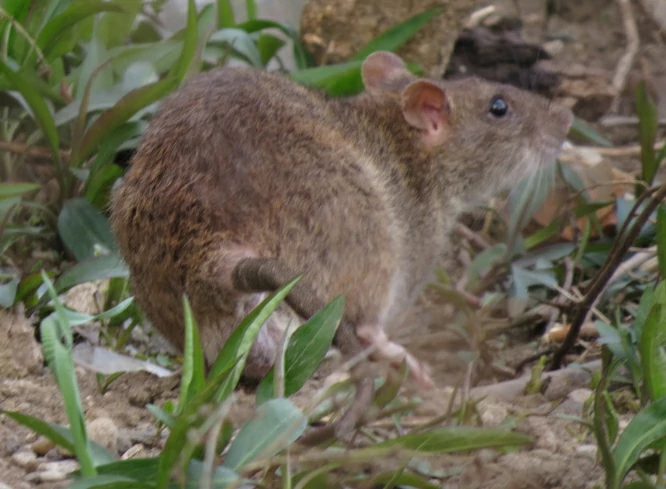
When you think of rats, you probably picture them in cities, scurrying through alleys or hiding in sewers. But what about the countryside?
Wide-open fields, farms, and rural areas seem like they’d be too quiet and spread out for rats. If you live in the country or you’re thinking about moving there, you might wonder if you’ll still have to deal with these pests. Do rats live in the country?
Yes, rats definitely live in the country. Rural areas, farms, and countryside locations provide rats with plenty of food, water, and shelter. They’re common around barns, grain storage, animal pens, fields, and anywhere else that offers what they need to survive.
The country isn’t a rat-free zone. In fact, some rural areas have just as many rats as cities, they’re just spread out differently. Rats are adaptable, and they’ve figured out how to thrive in the countryside just like they do everywhere else.
Why Rats Are Common in the Country
Rats live in the country for the same basic reasons they live anywhere: food, water, and shelter.
In rural areas, farms provide tons of food. Grains, crops, animal feed, and even livestock create a buffet for rats. They’ll eat seeds, corn, wheat, vegetables, and anything stored in barns or silos.

Water sources are plentiful too. Ponds, streams, irrigation ditches, and animal water troughs give rats all the water they need.
Shelter is easy to find. Barns, sheds, abandoned buildings, woodpiles, and fields with tall grass all provide safe places for rats to nest and hide.
The countryside also tends to have fewer people around, which means less disturbance. Rats can move freely without worrying about constant human activity.
What Types of Rats Live in the Country?
The types of rats you’ll find in the country depend on where you are, but a few species are especially common in rural areas.
Norway rats (also called brown rats) are the most common. These are the big, chunky rats that live in burrows and love farmland. They’re excellent diggers and will set up shop near barns, grain storage, or fields.
Roof rats (also called black rats) can live in the country too, especially in warmer climates. They prefer to climb and nest in trees, attics, or high places, so you’ll find them around buildings or wooded areas.
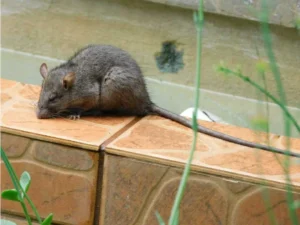
In some regions, you’ll also find wild rat species like wood rats or cotton rats. These are more native to certain areas and aren’t the same as the invasive city rats most people know. They live in forests, grasslands, and rural areas naturally.
Farms Are Perfect for Rats
If you’ve got a farm, you’ve probably got rats. Farms are basically rat paradises.
First, there’s the food. Grains like wheat, corn, and barley are stored in barns and silos, and rats love them. Animal feed for chickens, cows, pigs, and horses is another easy meal. Vegetable gardens and fruit trees provide even more options.
Second, farms have livestock, and rats will eat spilled feed, drink from water troughs, and even scavenge around animal pens. If there are chickens, rats might steal eggs or eat chicks.
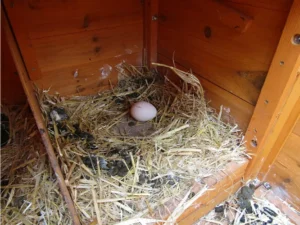
Third, farms have tons of shelter. Barns, sheds, grain silos, and equipment storage areas all provide warm, safe places for rats to nest. Hay bales, woodpiles, and stacks of supplies create perfect hiding spots.
Fourth, farms usually have water sources like ponds, streams, or irrigation systems. Rats don’t have to go far to find a drink.
Finally, farms tend to have less human activity in certain areas, especially at night. This gives rats the freedom to move around and feed without being disturbed.
Where Rats Hide on Farms and in the Country
Rats are sneaky, and they’re good at finding places to hide in rural areas.
Barns are one of the most common places. Rats will burrow into hay bales, nest in lofts, and hide in the corners or under equipment. They’ll chew through bags of feed and build nests near food storage.
Grain silos and storage bins attract rats because they’re full of food. Rats can chew through wood, plastic, and even some metals to get inside. Once they’re in, they’ll eat and contaminate the grain.
Animal pens are another favorite. Rats will burrow under pens, hide in straw bedding, and scavenge for spilled feed. They’ll also hang out near chicken coops because of the eggs and feed.
Fields and pastures might seem too open, but rats will burrow underground in fields, especially near the edges where there’s cover from bushes or crops. They’ll use these burrows as home base and come out at night to forage.
Woodpiles, brush piles, and junk piles are magnets for rats. These piles create shelter and hiding spots, and rats will build nests inside them.
Abandoned buildings or old sheds are perfect for rats because there’s no human activity. They’ll take over these structures and use them as nesting sites.
What Rats Eat in the Country
Rats in the country have access to a wide variety of food.
On farms, they’ll eat grains like wheat, corn, oats, and barley. They’ll chew through storage bags, contaminate silos, and steal from animal feed bins.
They’ll also eat vegetables from gardens. Potatoes, carrots, tomatoes, squash, you name it. If it’s growing, rats will find it.

Fruits are another favorite. Apples, berries, and any other fruit growing on trees or bushes will attract rats.
Rats will eat animal feed too, whether it’s for chickens, cows, pigs, or horses. They’ll also scavenge around livestock areas for spilled food or scraps.
In fields, rats eat seeds, grass, and insects. If there’s a crop growing, rats will munch on it before harvest.
They’ll even eat eggs if they can get into a chicken coop. And in some cases, rats will kill and eat baby chicks or other small animals.
In wild areas, rats eat nuts, berries, fungi, insects, and whatever else they can find. They’re opportunistic, so they’ll take advantage of whatever’s available.
How Rats Affect Farms and Rural Areas
Rats can cause serious problems in the country, especially on farms.
The biggest issue is crop and feed damage. Rats eat and contaminate grains, which can lead to huge financial losses. A rat infestation in a grain silo can ruin an entire harvest.
They also damage buildings. Rats chew through wood, plastic, insulation, and wiring. This can weaken structures, create fire hazards, and lead to expensive repairs.
Rats spread diseases too. They carry bacteria like salmonella, leptospirosis, and hantavirus, which can infect livestock and humans. Their urine and droppings contaminate food and water.
They’re also a threat to chickens and other small animals. Rats will kill chicks, steal eggs, and stress out adult birds. They can even attack rabbits, ducks, or other small livestock.
Rats can mess up equipment too. They chew through hoses, wires, and insulation in tractors, barns, and other machinery.
Finally, rats can spread to nearby homes. If you’ve got rats on your farm or property, they might eventually move into your house, especially when the weather gets cold.
Do Rats Stay in the Country Year-Round?
In most cases, yes, but their behavior changes with the seasons.
In spring and summer, rats are very active. There’s plenty of food from crops and wild plants, the weather is warm, and they’re breeding like crazy. You’ll see the most rat activity during these months.

In fall, rats start preparing for winter. They’ll stockpile food in their burrows and nests, and they’ll look for warmer places to stay.
In winter, rats in the country face challenges. If you live somewhere with cold winters, rats will move closer to buildings, barns, or other structures where it’s warmer. They might even try to get into your house.
In areas with mild winters, rats might stay in fields or burrows year-round. They’ll just burrow deeper underground to stay insulated.
Harvest time also affects rats. When crops are cut down, rats lose their cover and have to relocate. You’ll often see them move to the edges of fields, into barns, or closer to homes.
Signs of Rats in the Country
If you’re not sure whether you’ve got rats, here are some signs to look for.
First, check for burrows. Rat burrows are usually 2-4 inches wide and located near cover like bushes, buildings, or piles of debris. The entrance might have fresh dirt piled around it.

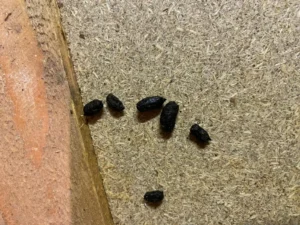
Second, look for droppings. Rat droppings are dark, pellet-shaped, and about the size of a grain of rice. You’ll find them along runways, near burrows, or around food sources.
Third, watch for gnaw marks. Rats chew on everything, including wood, plastic, bags of feed, and wires. If you see bite marks, rats are probably nearby.
Fourth, listen at night. Rats are most active after dark, and you might hear scratching, squeaking, or rustling sounds in barns, walls, or attics.
Fifth, check for runways. Rats use the same paths over and over, which creates visible trails in the grass or dirt. These runways are usually a few inches wide.
Sixth, look for grease marks. Rats have oily fur, and when they rub against walls or beams, they leave dark, greasy smudges.
Finally, pay attention to your animals. If your chickens are acting stressed, if eggs are disappearing, or if livestock seems agitated, rats might be the cause.
How to Keep Rats Away from Your Country Property
If you live in the country and want to keep rats away, there are some practical steps you can take.
First, store food properly. Keep grains, animal feed, and other food in sealed metal or heavy-duty plastic containers. Don’t leave bags sitting around where rats can chew through them.
Second, clean up spills. If animal feed gets spilled, clean it up right away. Don’t leave food scraps or waste sitting around.
Third, remove shelter. Clear out brush piles, junk piles, and woodpiles near buildings. Mow tall grass and weeds to eliminate hiding spots.
Fourth, seal up buildings. Check barns, sheds, and your home for cracks, gaps, and holes. Rats can squeeze through spaces as small as a quarter, so even tiny gaps matter. Use metal mesh or concrete to seal openings.
Fifth, manage water sources. Fix leaky pipes, hoses, and troughs. Don’t leave standing water sitting around.
Sixth, use traps. Snap traps and live traps can work if you place them near burrows or along runways. Check them regularly and rebait them.
Seventh, consider predators. Natural predators like owls, hawks, snakes, and cats can help keep rat populations down. Some farmers install owl boxes to encourage owls to hunt on their property.
Eighth, don’t use poison carelessly. Poison can work, but it’s risky. Poisoned rats can die in hard-to-reach places and attract other pests. Plus, poison can harm pets, livestock, and wildlife.
Are Country Rats Different from City Rats?
Country rats and city rats are often the same species, but they behave a bit differently.
City rats are used to humans. They’re bold, adaptable, and comfortable living near people. They eat garbage, live in sewers, and aren’t afraid of noise or traffic.
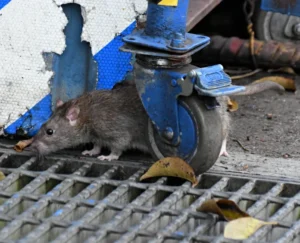
Country rats are more cautious. They’re used to avoiding predators like hawks, owls, and snakes, so they’re more alert and less likely to come out during the day.
Country rats also rely on natural food sources like crops, seeds, and wild plants, while city rats eat mostly human garbage.
That said, if a country rat wanders into a city, it’ll adapt quickly. And if a city rat ends up in the countryside, it’ll figure it out. Rats are smart and flexible, which is why they’re so successful in all kinds of places.
Can Country Rats Spread to Nearby Homes?
Absolutely. If you’ve got rats on your property, there’s a good chance they’ll try to get into your house, especially when the weather gets cold.
Rats look for warm, safe places to nest in winter, and your home is perfect. They’ll look for gaps under doors, cracks in the foundation, or openings around pipes and vents.
Once they’re inside, they’ll nest in attics, basements, or wall voids. They’ll chew through insulation, wires, and wood to make themselves comfortable.
To keep country rats out of your home, seal up any entry points, keep food stored properly, and don’t leave pet food or birdseed sitting out.
Predators Help Control Rats in the Country
One advantage the country has over cities is more natural predators.
Owls, hawks, and eagles hunt rats at night and during the day. Snakes, foxes, weasels, and bobcats also prey on rats.
Cats can help too, especially barn cats that are good hunters. Not all cats will hunt rats, but some are excellent at it.
These predators don’t eliminate rats completely, but they help keep populations under control. If you can encourage predators to hang out on your property (like installing owl boxes), it can make a difference.
Conclusion
So, do rats live in the country? Definitely. Rural areas, farms, and countryside locations provide everything rats need to survive: food, water, and shelter.
Rats are common around barns, grain storage, animal pens, and fields. They’ll eat crops, animal feed, and just about anything else they can find. They’re just as much of a problem in the country as they are in cities, they’re just spread out differently.
If you live in the country, the key to managing rats is removing what attracts them. Store food properly, clean up spills, seal up buildings, and eliminate hiding spots. With the right strategies, you can keep rat populations under control and protect your property.

Hi, my name is Ezra Mushala, i have been interested animals all my life. I am the main author and editor here at snakeinformer.com.