
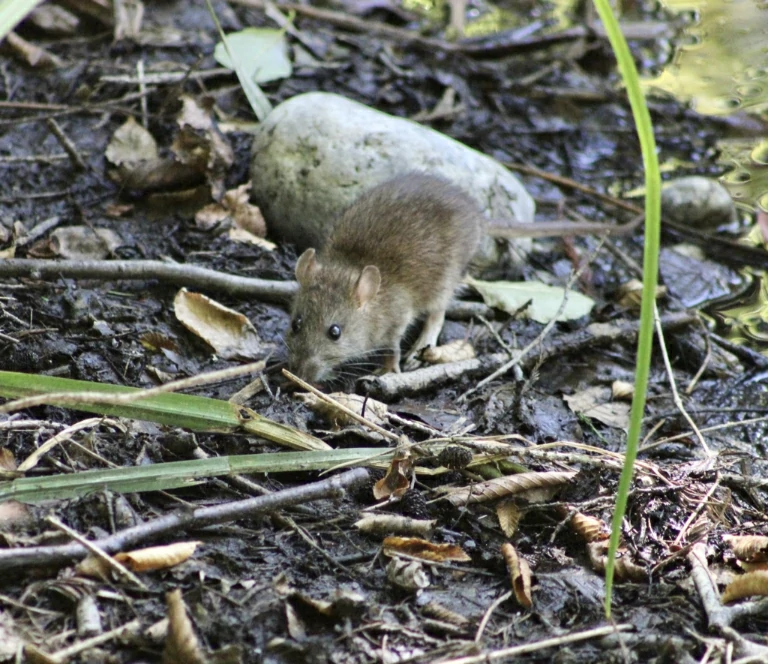
When you think about rats, you probably picture them scurrying through city streets or hiding in basements. But what about wide-open spaces like fields and farmland?
If you’ve ever walked through a field and spotted movement in the grass, you might wonder if rats actually make their homes out there. Do rats live in fields?
Yes, rats do live in fields. Both wild rats and common species like Norway rats and roof rats can be found in fields, especially areas near farms, crops, or water sources. Fields give them food, shelter, and safe places to build nests away from predators.
Fields aren’t just empty spaces for rats. They’re actually really good habitats because they offer everything a rat needs to survive. You’ll find them in grain fields, vegetable farms, and even wild grasslands if there’s enough food and cover.
Why Rats Are Drawn to Fields
Rats don’t just randomly end up in fields. They’re there because fields give them what they need.
First, there’s food. If you’ve got a wheat field, corn field, or any kind of crop, that’s basically a buffet for rats. They’ll eat seeds, grains, vegetables, and even insects they find in the soil. Wild rats will also munch on grass seeds and whatever plants are growing.
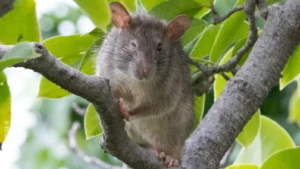
Second, fields give them cover. Tall grass, crop rows, and bushes create hiding spots where rats can move around without being seen by hawks, owls, or other predators. They’re not out in the open like sitting ducks.
Third, fields often have water nearby. Farms usually have irrigation ditches, ponds, or streams, and rats need water to survive. If there’s a field next to a water source, you can bet rats will set up camp there.
What Types of Rats Live in Fields?
Not all rats are the same, and the type you’ll find in a field depends on where you are.
Norway rats (also called brown rats) are the most common in fields, especially in North America and Europe. These guys are big, chunky, and love to burrow underground. You’ll find them in fields near farms, garbage dumps, or anywhere with lots of food.
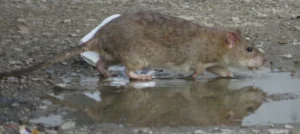
Roof rats (also called black rats) can live in fields too, but they’re more likely to climb trees and buildings. Still, if a field has tall crops or bushes, roof rats might hang out there.
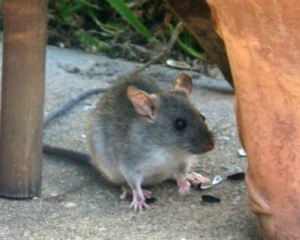
In some places, you’ll also find wild rats like cotton rats or wood rats. These species are more native to certain areas and aren’t the same as the city rats you’re used to. Cotton rats, for example, love grassy fields in the southern United States.
How Rats Build Homes in Fields
When rats move into a field, they don’t just sleep on the ground. They build actual homes, and they’re pretty good at it.
Norway rats dig burrows underground. These burrows can be simple tunnels or complex systems with multiple entrances, nesting rooms, and food storage areas. You’ll usually find the entrances hidden under plants, rocks, or crop debris.
The burrows go down a few feet and can spread out over several feet underground. Rats line the nesting areas with grass, leaves, and shredded plant material to keep warm.
Roof rats, on the other hand, might build nests above ground if there are bushes, dense crops, or piles of straw. They’ll use whatever materials they can find to create a cozy spot.
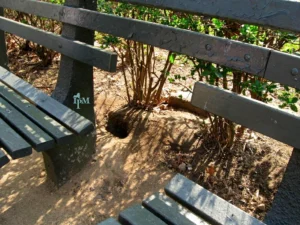
If you walk through a field and see small holes in the ground (about 2-4 inches wide), that’s probably a rat burrow. You might also notice runways, which are paths rats use over and over that look like little trails in the grass.
What Rats Eat When They Live in Fields
Rats living in fields have plenty to eat, and they’re not picky.
If the field has crops, rats will go straight for those. Corn, wheat, barley, soybeans, you name it. They’ll eat the seeds, nibble on the stalks, and even stash food in their burrows for later.
In vegetable fields, rats will munch on potatoes, carrots, lettuce, and pretty much any produce they can get their teeth on. Farmers hate this because rats can destroy a lot of crops in a short time.
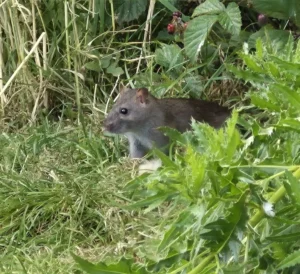
When crops aren’t available, rats eat wild plants, grass seeds, insects, snails, and even small animals if they’re desperate. They’re opportunistic, which means they’ll eat whatever’s easiest to find.
Rats also scavenge. If there’s a farm nearby with animal feed, compost piles, or garbage, rats will leave the field at night to grab an easy meal.
Do Rats Stay in Fields Year-Round?
It depends on the season and the type of field.
In warm months, fields are great for rats. There’s plenty of food, water, and cover. You’ll see the highest rat activity in spring and summer when crops are growing and the weather is nice.
But when winter comes, things change. If you live somewhere with cold winters, rats might leave fields and move closer to buildings, barns, or homes where it’s warmer. They’re not fans of freezing temperatures, and fields don’t offer much protection from the cold.
In places with mild winters, rats might stay in fields all year. They’ll just burrow deeper underground or find better insulated spots to nest.
Harvest time also affects where rats live. When farmers cut down crops, rats lose their cover and have to relocate. You might see them move to the edges of fields, into nearby woods, or closer to human structures.
How Rats Affect Farms and Fields
Rats living in fields can cause real problems, especially for farmers.
The biggest issue is crop damage. A single rat doesn’t eat that much, but when you’ve got a whole colony, they can destroy a significant portion of a harvest. They’ll eat seeds before they even sprout, nibble on growing plants, and ruin stored grain.
Rats also contaminate food. They pee and poop everywhere they go, and their droppings can carry diseases. If rats get into stored grain or animal feed, the whole batch might have to be thrown out.
Another problem is , and those burrows can mess up irrigation systems, damage equipment, and create holes that animals or people can trip in.
Rats can also spread diseases to livestock. If you’ve got chickens, pigs, or other farm animals, rats can pass along illnesses through their urine, droppings, or bites.
Signs That Rats Are Living in Your Field
If you’re not sure whether rats are in a field, there are some telltale signs to look for.
First, check for burrows. Rat holes are usually 2-4 inches wide and located near cover like bushes, rocks, or crop debris. The entrance might have fresh dirt piled around it.
Second, look for runways. Rats use the same paths over and over, which creates visible trails in the grass. These trails are usually a few inches wide and look like little highways through the field.
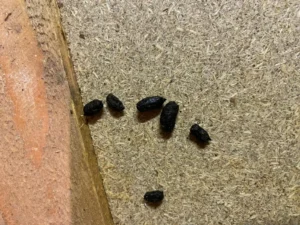
Third, watch for droppings. Rat poop is dark, pellet-shaped, and about the size of a grain of rice. You’ll find it along runways, near burrows, or around food sources.
Fourth, check for gnaw marks. Rats chew on everything, including crop stalks, wooden posts, and plastic irrigation lines. If you see bite marks, rats are probably nearby.
Finally, listen at night. Rats are most active after dark, and if you stand quietly in a field at dusk, you might hear rustling or squeaking.
How to Keep Rats Out of Fields
If you’ve got rats in a field and want to get rid of them, there are a few things you can do.
First, remove cover. Rats love tall grass, weeds, and piles of debris. If you mow the edges of the field, clear out brush, and get rid of junk piles, you’ll make the area less attractive to rats.
Second, control the food supply. Harvest crops as soon as they’re ready, clean up any spilled grain, and don’t leave produce rotting in the field. The less food available, the fewer rats you’ll have.
Third, use traps. Snap traps and live traps can work if you place them near burrows or along runways. You’ll need to check them regularly and rebait them.
Fourth, consider predators. Natural predators like owls, hawks, snakes, and cats can help keep rat populations down. Some farmers install owl boxes to encourage owls to hunt in their fields.
Fifth, use barriers. If rats are coming from a specific area, you can install fencing or hardware cloth to block their access. Just make sure the barrier goes underground too, because rats will dig under it.
Poison is an option, but it’s risky. Poisoned rats can die in hard-to-reach places and attract other pests. Plus, poison can harm non-target animals like birds, pets, or wildlife.
Are Field Rats Different from City Rats?
Field rats and city rats are often the same species, but they behave a bit differently.
City rats are used to humans. They’re bold, adaptable, and comfortable living near people. They eat garbage, live in sewers, and aren’t afraid of noise or traffic.
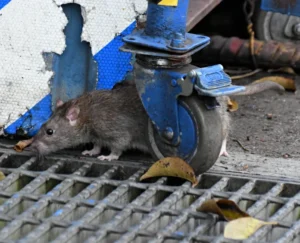
Field rats, on the other hand, are more cautious. They’re used to avoiding predators like hawks and owls, so they’re jumpier and less likely to come out during the day. They also rely on natural food sources instead of human trash.
That said, if a field rat wanders into a city, it’ll adapt pretty quickly. Rats are smart and flexible, which is why they’re so successful in all kinds of places.
Can Rats in Fields Spread to Homes?
Yes, rats living in fields can definitely move into nearby homes, especially when the seasons change.
When crops are harvested or when winter comes, rats lose their food and shelter. If your house is close to a field, rats might see it as the next best option.
They’ll look for ways inside, like gaps under doors, cracks in the foundation, or openings around pipes. Once they’re in, they’ll nest in attics, basements, or wall voids.
To keep field rats out of your home, seal up any entry points, keep garbage in sealed bins, and don’t leave pet food outside. If you’ve got a barn or shed, make sure it’s rat-proofed too.
Conclusion
So, do rats live in fields? Absolutely. Fields give rats food, shelter, and everything they need to thrive. Whether it’s a farm field full of crops or a wild grassland, rats can make themselves at home.
If you’ve got rats in a field, you’ll probably notice signs like burrows, runways, and droppings. They can cause problems for farmers by damaging crops and spreading disease, but there are ways to manage them.
The key is understanding why rats are there in the first place. Take away their food and cover, and they’ll move on to somewhere else. But if you leave things as they are, you can bet those rats aren’t going anywhere.

Hi, my name is Ezra Mushala, i have been interested animals all my life. I am the main author and editor here at snakeinformer.com.