
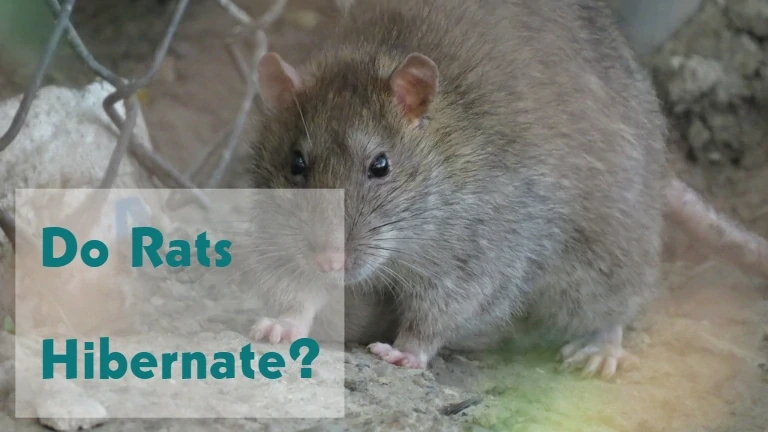
Winter brings cold temperatures and shorter days, which makes many animals slow down or disappear completely. You’ve probably noticed that some creatures seem to vanish when the weather gets cold, while others keep showing up no matter how freezing it gets outside.
Rats are active all year long, and you might wonder if they take a break during the coldest months like some other animals do. Do rats hibernate?
No, rats don’t hibernate. They stay active throughout the entire year, including winter. Rats keep searching for food, building nests, and breeding even when temperatures drop below freezing.
Unlike animals that hibernate and sleep through winter, rats just adapt to the cold by finding warm places to live.
They’ll move into your home, garage, shed, or any other spot that protects them from harsh weather while giving them access to food and water.
Why Rats Don’t Hibernate Like Other Animals
Rats have a really high metabolism, which means their bodies burn through energy fast. They need to eat constantly to keep their body temperature stable and stay alive.
If a rat tried to hibernate like a bear or groundhog, it would actually starve to death. Their small bodies can’t store enough fat to survive months without eating.
Animals that hibernate spend weeks or months preparing by eating huge amounts of food to build up fat reserves. Rats can’t do this because their bodies are too small and burn energy too quickly.
Instead of hibernating, rats have developed different ways to survive cold weather. They’re really good at finding warm places and food sources year-round.
Rats are also really good at adapting to their environment, which makes hibernation unnecessary.
Their smarts let them figure out the safest spots to stay warm and find food even when the weather gets brutal.
Unlike hibernating animals, they stay alert all year, so they can dodge predators and other dangers while keeping their energy up.
How Rats Survive Winter Without Hibernating
When temperatures drop, rats don’t slow down. They just change where they spend their time and become even more focused on finding warm shelter.
Rats will move closer to human buildings and homes when it gets cold outside. Your house provides everything they need: warmth, food, water, and protection from predators.

They’re incredibly good at squeezing through tiny openings to get inside. A rat can fit through a hole the size of a quarter, so even small gaps around pipes, vents, or doors can let them in.
Once inside, rats will build nests in hidden spots like wall voids, attics, basements, or behind appliances. These areas stay warm and give them easy access to your kitchen and pantry.
Rats are sneaky when it comes to finding warmth. They don’t just look for cozy hiding spots, they’ll use heat coming from water pipes, furnaces, or even electrical wiring.
These warm spots make their nests much more comfortable and let them stay active even when it’s freezing outside.
In cities, rats often use subways or sewers as hidden highways to move between buildings without being seen, which helps them find food and shelter all winter long.
Do Rats Store Food for Winter?
You might wonder if rats stash food for the winter like squirrels do. The truth is, they usually don’t.
Rats rely on constantly finding food rather than saving it for later. Their bodies burn energy so quickly that they need to eat every day to stay alive.

If they tried to hoard food, it could spoil or attract other pests, which makes it useless.
Instead, rats focus on learning where food is most reliable. In your home, this could be your pantry, kitchen counters, or even pet bowls.
They’ll come back to the same spots again and again, making it seem like they’re everywhere at once.
Rats Actually Breed More in Winter
Here’s something that surprises most people: rats don’t just survive winter, they actually thrive during cold months. Rat populations can explode in winter because they move indoors where conditions are perfect for breeding.
A female rat can have up to 12 babies in a single litter, and she can get pregnant again just hours after giving birth. In the warm environment of your home, rats can breed continuously throughout winter.

This means a small rat problem in fall can turn into a major infestation by spring if you don’t deal with it quickly.
The warmth and steady food supply in human buildings create ideal breeding conditions. Rats that live outdoors might have slower reproduction in winter, but rats that get inside your home face no such limitations.
Winter can actually turn into the perfect breeding season for indoor rats.
Female rats can have several overlapping generations, so one small pair of rats in the fall can become hundreds by spring.
The warm conditions inside homes mean there’s plenty of food, which reduces baby rat deaths and lets populations grow quickly.
Winter doesn’t slow them down at all. It just makes their breeding even more successful.
Where Do Rats Go When It’s Cold Outside?
Rats don’t disappear in winter. They just relocate to warmer spots where they can stay comfortable and find food easily.
Common places rats hide during cold weather include:
- Your attic (where heat rises and insulation provides nesting material),
- Basement or crawl space (protected from wind and often has access to the rest of your house)
- Garage (usually has gaps for entry and stored items to hide in), and
- Behind your walls (where pipes and wiring create warm pathways through your home).
Outdoor rats that don’t get inside will burrow deeper underground or move into sewer systems, compost piles, or dense vegetation. But they’re always looking for a chance to get indoors where it’s warmer.
You might also find rats in outbuildings like sheds, barns, or detached garages. Any structure that blocks the wind and provides hiding spots can become a winter home for rats.
If they can’t get inside immediately, they sometimes make temporary outdoor nests from leaves, straw, or other debris until they find a safer spot.
Signs Rats Are Active in Your Home During Winter
Just because you don’t see rats doesn’t mean they’re not there. Rats are nocturnal, so they’re most active at night when you’re sleeping.
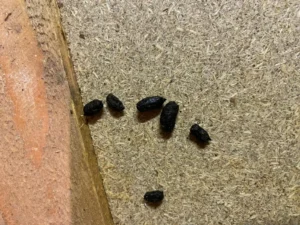
Watch for droppings in cabinets, drawers, or along walls.
Rat droppings look like dark rice grains and are usually found near food sources or along their travel paths.
Listen for scratching, scurrying, or squeaking sounds in your walls or ceiling, especially at night. These noises often get louder in winter when rats are more active indoors.
Check for gnaw marks on food packages, wood, wires, or plastic.
Rats have to constantly chew to keep their teeth from growing too long, so they’ll gnaw on almost anything.
Look for grease marks along walls and baseboards.
Rats have oily fur that leaves dark smudges along their regular travel routes.
You might also notice a strong musky odor, especially in enclosed spaces like cabinets or closets. This smell comes from rat urine and gets stronger as the infestation grows.
You might also notice shredded insulation or paper tucked into corners or hidden spots.
Rats use these materials to make their nests soft and warm.
If you feed pets indoors, watch how quickly the food disappears.
Rats need more calories in winter, so they’ll raid pantries and pet bowls more often than in summer.
How Cold Weather Changes Rat Behavior
While rats don’t hibernate, cold temperatures do affect how they act. They become more desperate to find food and shelter, which can make them bolder and more likely to enter your home.
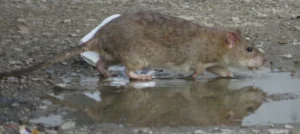
Rats that normally stay outside during warmer months will actively search for ways inside when winter hits. They’ll test every possible entry point and can be really persistent about getting in.
Once inside, rats tend to stay put rather than going back outside. Why would they leave when they’ve found the perfect spot with food, water, and warmth?
Cold weather also makes rats eat more. They need extra calories to maintain their body temperature, so they’ll raid your pantry more frequently and consume larger amounts of food.
The Difference Between Hibernation and Staying Dormant
Some people confuse hibernation with torpor, which is a short-term state where animals slow down for a few hours or days. Rats don’t do either of these things.
Hibernation is a long-term survival strategy where an animal’s body temperature drops dramatically, their heart rate slows way down, and they sleep for weeks or months. Bears, groundhogs, and some bat species hibernate.

Torpor is similar but only lasts for short periods, usually just overnight or during the coldest part of the day. Hummingbirds and some small mammals use torpor to conserve energy.
Rats maintain their normal body temperature and activity level throughout winter. They don’t slow down at all, which is why they can be such a problem in cold months.
Even when it’s freezing, they keep moving, eating, and searching for shelter.
What Happens to Wild Rats in Extreme Cold?
When temperatures drop really low, outdoor rats face serious challenges. They can’t survive for long in extreme cold without shelter.
Rats that can’t find warm places to hide will die from exposure if temperatures stay below freezing for extended periods. Their small bodies lose heat quickly, and they can develop hypothermia or frostbite.

This is why rat populations in harsh climates are often concentrated around human buildings and infrastructure. Cities and towns provide the warmth and resources rats need to survive brutal winters.
In rural areas with extreme cold, you’ll find rats near farms, grain storage facilities, or any location that offers both shelter and food. They’re really good at finding these spots and moving in before winter gets too harsh.
How to Prevent Rats From Moving Into Your Home in Winter
The best way to deal with winter rats is to stop them from getting inside in the first place. Once they’re in, they’re much harder to remove.
- Seal all gaps and cracks larger than a quarter inch around your home’s foundation, walls, and roof. Pay special attention to areas where pipes and wires enter your house.
- Install door sweeps on exterior doors and make sure your garage door closes completely. Even a small gap at the bottom can let rats squeeze through.
- Keep your yard clean and remove potential nesting materials like piles of wood, leaves, or debris. Store firewood at least 20 feet from your house and keep it off the ground.
- Don’t leave pet food outside overnight, and keep your garbage in sealed containers. Remove bird feeders or clean up fallen seeds regularly, since these attract rats.
- Trim tree branches that hang over your roof. Rats are excellent climbers and can use branches as highways to reach your attic.
Why Winter Rat Infestations Are More Common
Pest control companies report that rat calls spike dramatically in fall and winter. This isn’t because rats are more active, it’s because they’re moving indoors where people actually notice them.
During warmer months, rats are happy living outside where food is plentiful. But when cold weather hits and outdoor food sources disappear, they’re forced to look elsewhere.

Your home becomes really attractive when temperatures drop. It’s warm, protected from the elements, and usually has plenty of food available.
Many people also store more food in their homes during winter, which makes the problem worse. Bulk purchases, holiday baking, and stored pantry items create even more opportunities for rats to find meals.
Why DIY Winter Rat Control Often Fails
Many people try to get rid of rats in winter by setting traps or leaving out poison, but they forget one key thing: sealing the gaps they use to get inside.
Rats are smart, and even if you catch a few, the rest will keep coming through holes and cracks. Winter makes it even harder because rats are breeding indoors and looking for food more aggressively.
A few traps or a little poison won’t stop them. The most effective approach is a combination: block entry points, remove food sources, set traps carefully, and check them often.
If you skip any of these steps, a small problem in fall can turn into a major infestation by spring.
Conclusion
Rats don’t hibernate, and they won’t disappear when winter arrives. Instead, they’ll work even harder to find warm shelter and steady food sources, which often means moving into your home.
Unlike hibernating animals that sleep through winter, rats stay fully active and can actually breed more when they find ideal conditions indoors.
This makes winter one of the most important times to protect your home from rat infestations.
If you seal entry points, remove food sources, and stay alert for signs of rats, you can keep these pests outside where they belong.
And if you do find evidence of rats in your home during winter, deal with the problem quickly before a few rats turn into a major infestation.

Hi, my name is Ezra Mushala, i have been interested animals all my life. I am the main author and editor here at snakeinformer.com.