

Rabies is one of the most feared diseases in the world. It’s almost always fatal once symptoms appear, and many animals can carry it.
If you’ve been bitten by a rat or are worried about rats in your home, you might be concerned about rabies. Do rats have or carry rabies?
No, rats almost never carry rabies. While it’s technically possible for a rat to get rabies, it’s extremely rare. Rats are too small to survive the initial attack from a rabid animal, and there are no documented cases of rats transmitting rabies to humans.
This might come as a surprise since rats carry so many other diseases. But rabies just isn’t one of the things you need to worry about with rats.
Still, a rat bite is serious for other reasons. Rats carry plenty of dangerous diseases, even if rabies isn’t one of them.
Why Rats Almost Never Carry Rabies
There are good scientific reasons why rats almost never have rabies. It’s not just luck or coincidence.
Rabies is usually spread through the bite of an infected animal. For a rat to get rabies, it would need to be bitten by a rabid animal like a dog, raccoon, or bat.

Here’s the problem: When a larger rabid animal attacks a rat, the rat almost always dies from the physical injuries. Rats are small and fragile compared to the animals that typically carry rabies.
A rabid dog or raccoon that bites a rat isn’t just giving it a little nip. These attacks are violent and usually fatal to the rat.
Even if a rat somehow survived the initial attack, it would likely die from its injuries before the rabies virus had time to spread through its body.
Rabies needs time to replicate in the body before the infected animal can pass it to others. Rats just don’t live long enough after being bitten to reach this stage.

Another factor is the rat’s immune system. Rats have relatively strong immune responses for their size, which can sometimes fight off infections before they become deadly.
Even if a rabid animal bit a rat, the rat’s body might neutralize some of the virus before it spreads.
This is why there are no confirmed cases of rats transmitting rabies to humans anywhere in the world. It’s just not something that happens in real life.
Which Animals Are Actually Likely to Carry Rabies?
If rats don’t carry rabies, which animals should you actually worry about? Several species are known rabies carriers.
Dogs are one of the most common rabies carriers worldwide, especially in countries where rabies vaccination isn’t common. In the United States, domestic dog rabies is rare thanks to vaccination programs

Bats are a major rabies carrier in North America. Even a small scratch from a bat can transmit rabies, and bat bites can be so tiny you might not notice them.

Raccoons are the most common wildlife rabies carrier in the eastern United States. They’re curious animals that sometimes come close to homes looking for food.

Skunks frequently carry rabies, especially in the central United States. If you see a skunk acting strangely or coming out during the day, stay away from it.

Foxes can carry rabies, particularly in rural areas. Like skunks, a fox that’s acting unusual or isn’t afraid of people might be rabid.

Coyotes sometimes carry rabies, though it’s less common than in raccoons or skunks. Still, you should always avoid wild coyotes.

Cats and other pets can get rabies if they’re bitten by a rabid wild animal. This is why it’s so important to keep your pets’ rabies vaccinations current.

It’s also worth noting that rabies can vary geographically.
In some countries, wild animals like mongooses or civets are major rabies carriers, whereas in others, domestic dogs remain the primary source of human cases.
This shows why local wildlife knowledge is very important when determining risk.
Other Dangerous Diseases Rats Can Actually Give You
Just because rats don’t have rabies doesn’t mean they’re safe. Rats carry a bunch of other diseases that can make you really sick.
Leptospirosis is one of the most serious diseases rats spread. It’s caused by bacteria found in rat urine, and you can get it through contact with contaminated water or surfaces.
Symptoms of leptospirosis include high fever, severe headache, chills, muscle aches, and vomiting. Without treatment, it can cause kidney damage, liver failure, and even death.

Rat-bite fever is exactly what it sounds like. You get it from being bitten or scratched by an infected rat.
This disease causes fever, vomiting, headaches, and muscle pain. It can also cause a rash and joint pain. If not treated, it can lead to serious heart and brain infections.
Hantavirus is carried by rats and spread through their droppings, urine, and saliva. When these materials dry and become airborne, you can breathe in the virus.
Early symptoms include fever, muscle aches, and fatigue. In severe cases, hantavirus causes a lung disease called Hantavirus Pulmonary Syndrome, which can be fatal.
Salmonella bacteria live in rats’ digestive tracts. Rats spread it through their droppings, and you can get sick if you touch contaminated surfaces and then touch your mouth.
What to Do If a Rat Bites You
Even though you don’t need to worry about rabies from a rat bite, you still need to take it seriously. Here’s what you should do right away.
- Wash the wound immediately with soap and warm water. Scrub for at least five minutes to remove as much bacteria as possible.
- After washing, apply an antiseptic like hydrogen peroxide, rubbing alcohol, or an antibiotic ointment. This helps kill bacteria that might be in the wound.

- Cover the bite with a clean bandage. Change the bandage at least once a day and watch the wound for signs of infection.
- See a doctor as soon as you can. Don’t wait to see if the bite gets worse. Early treatment with antibiotics can prevent serious infections.
- Your doctor will probably prescribe antibiotics to prevent rat-bite fever and other bacterial infections. Take the full course of antibiotics even if you feel fine.
- Make sure your tetanus vaccination is up to date. If it’s been more than five years since your last tetanus shot, you’ll need a booster.
- Watch for symptoms over the next few weeks. If you develop fever, swelling, redness, pus, persistent warmth, streaks running up your arm or any unusual symptoms, contact your doctor immediately.
Early intervention with medical care can prevent complications like sepsis.
Why Do So Many People Think Rats Have Rabies?
If rats don’t carry rabies, why do so many people think they do? There are a few reasons for this common misconception.
Rats have a bad reputation in general. They’re associated with disease and filth, so people assume they carry every disease including rabies.
In movies and TV shows, rats are often portrayed as disease-ridden creatures. This creates fear and spreads misinformation about what rats actually carry.
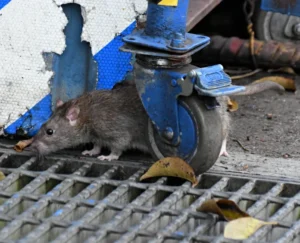
People might confuse the symptoms of other rat-borne diseases with rabies. Rat-bite fever can cause behavioral changes that people mistake for rabies.
There’s also confusion between rats and other small animals that can carry rabies. People might hear about rabies in small mammals and assume that includes rats.
In reality, small rodents like rats, mice, squirrels, and chipmunks almost never carry rabies. The same reasons that apply to rats apply to these animals too.
They’re too small to survive an attack from a rabid animal, and they die too quickly from injuries to spread the disease.
Small Animals Like Rats That Also Almost Never Carry Rabies
Rats aren’t the only small animals that don’t carry rabies. Several other rodents are also extremely unlikely to have the disease.
Mice are basically smaller versions of rats when it comes to rabies risk. The same logic applies to them. They’re too small to survive attacks from rabid animals.

Squirrels rarely carry rabies for the same reasons. While they’re a bit larger than rats, they’re still too small to typically survive a rabid animal attack.

Chipmunks are another rodent that almost never has rabies. Again, their small size means they usually die from attack injuries before the virus can spread.

Hamsters, gerbils, and guinea pigs are also on the list of animals that don’t carry rabies. These are all small rodents with the same size disadvantage.

Rabbits, while not rodents, also rarely carry rabies. They’re slightly larger but still vulnerable to fatal injuries from rabid predators.

The Centers for Disease Control (CDC) specifically states that small rodents and rabbits are almost never found to be infected with rabies.
Interestingly, some slightly larger rodents like porcupines or beavers also rarely carry rabies. Their size makes them more resilient, but they’re generally not involved in rabies transmission to humans.
This backs the idea that rabies in small mammals is an exceptional, not typical, scenario.
When Should You Really Worry About Rabies?
While you don’t need to worry about rabies from rats, there are situations where rabies is a real concern. Knowing when to worry can save your life.
If you’re bitten by a dog, cat, or any wild animal, rabies should be taken seriously. These animals can carry and transmit rabies to humans.

Bat bites or scratches are a major rabies concern. Even if you don’t think you were bitten, any direct contact with a bat requires medical attention.
If you wake up and find a bat in your room, see a doctor. You might have been bitten while sleeping without realizing it.
When an animal is acting strange or unusual, it could have rabies. Rabid animals often lose their fear of humans and might approach you.
Other signs of rabies in animals include excessive drooling, difficulty swallowing, paralysis, and aggressive behavior. Nocturnal animals coming out during the day is also a warning sign.
Keep in mind that rabies can also spread through scratches or open wounds contaminated with saliva.
Even minor contact with a wild animal should be treated seriously, especially in areas where rabies is more common.
If you have any potential exposure to rabies, get medical help immediately. Rabies is almost always fatal once symptoms appear, but treatment before symptoms start is nearly 100% effective.
Getting Rabies Shots After Animal Bites
Understanding when you need rabies shots can help you make informed decisions after an animal bite or exposure.
If you’re bitten by a dog or cat, whether you need rabies shots depends on the animal’s vaccination status. If the pet is current on rabies vaccines and appears healthy, you probably don’t need shots.
The animal can be observed for 10 days. If it stays healthy during this time, it didn’t have rabies when it bit you.
If you’re bitten by a wild animal like a raccoon, bat, skunk, groundhog, or fox, you’ll almost always need rabies shots. These animals are common rabies carriers.

Don’t wait for test results on the animal. Rabies shots need to start as soon as possible after exposure. Waiting could be deadly.
The rabies vaccine series involves several shots given over a few weeks. It’s not as bad as it used to be (they’re no longer given in the stomach), but it’s still a serious medical treatment.
Modern rabies vaccines are very effective, but they work best when started immediately after exposure.
Delays reduce effectiveness significantly, which is why doctors act quickly even if the animal’s rabies status isn’t confirmed.
For rat bites specifically, the CDC doesn’t recommend rabies shots. The risk is so low that it’s not worth the time, expense, or side effects of the vaccine.
Simple Ways to Keep Rats Out and Avoid Their Diseases
The best way to avoid diseases from rats is to keep rats away from your home in the first place. Prevention is always easier than dealing with an infestation.
- Seal up any holes or gaps in your home’s exterior. Rats can squeeze through openings as small as a quarter, so check carefully.
- Use steel wool or hardware cloth to block entry points. Rats can chew through wood, plastic, and even soft metals, but they can’t chew through steel.
- Keep your home clean and don’t leave food out. Store food in sealed containers and clean up crumbs and spills right away.
- Take out your garbage regularly and use bins with tight-fitting lids. Garbage attracts rats from long distances.
- Remove clutter from your yard and around your home. Piles of wood, debris, or unused items provide hiding spots for rats.
- Trim bushes and trees so they don’t touch your house. Rats can use branches as highways to get onto your roof and into your attic.
- If you see signs of rats, deal with the problem immediately. The longer you wait, the worse the infestation will become.
What to Tell Others About Rats and Rabies
Now that you know rats don’t carry rabies, you can help correct this common misconception when you hear it from others.
If someone expresses fear about rabies from rats, you can explain that it’s extremely rare. Share the fact that rats are too small to survive attacks from rabid animals.
Let people know that there are no documented cases of rats giving rabies to humans. This isn’t just unlikely, it’s essentially unheard of.
However, make sure to mention that rats do carry other serious diseases. You don’t want people thinking rats are completely harmless.
Explain that rat-bite fever, leptospirosis, and other diseases are the real concerns with rats. These are actual risks that people should take seriously.
If someone has been bitten by a rat, reassure them that they don’t need rabies shots. But emphasize that they do need to see a doctor for other reasons.
Help people understand which animals do carry rabies. Bats, raccoons, skunks, and foxes are the real rabies concerns in most areas.
Sharing accurate information can also reduce unnecessary fear. People often overreact to rat sightings because they associate them with rabies.
Educating friends and family helps focus attention on real risks, like rat-bite fever or leptospirosis, instead of myths.
Conclusion
Rats don’t carry rabies, and there are no documented cases of rats transmitting rabies to humans. They’re too small to survive attacks from rabid animals, and they die too quickly to spread the disease.
However, rats do carry many other serious diseases like rat-bite fever, leptospirosis, and hantavirus.
If you’re bitten by a rat, you should still see a doctor right away for treatment.
The best approach is to prevent rat problems in the first place by keeping your home sealed, clean, and free of food sources that attract them.
This way, you don’t have to worry about any rat-related diseases at all.

Hi, my name is Ezra Mushala, i have been interested animals all my life. I am the main author and editor here at snakeinformer.com.