

If you’ve been dealing with rats during the warmer months, you might hope that winter weather will make them leave or die off. But do cold temperatures actually get rid of rats? Do rats go away in the winter?
No, rats don’t go away in the winter. They stay active year-round and actually try harder to get into homes and buildings when it’s cold outside. Rats seek warm shelter, food, and water during winter, which makes them even more likely to invade your home during the colder months.
Rats are warm-blooded mammals just like us, and they need to stay warm to survive. When winter comes, they don’t hibernate or leave the area. Instead, they look for warm places to ride out the cold.
Why Rats Don’t Hibernate or Migrate
Unlike some other animals, rats stay active throughout the entire year.
Rats are active year-round and don’t hibernate. They need to eat every day to survive, so they can’t just sleep through the winter like bears or groundhogs do.
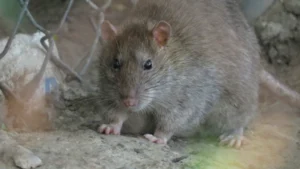
Rats don’t migrate to warmer areas either. They’re not like birds that fly south for the winter. Rats stay in the same general area where they’ve established their territory.
Cold weather doesn’t kill rats unless it’s really extreme. Rats have fur coats that provide some insulation, and they’re good at finding sheltered spots to escape the worst cold.
Rats actually breed year-round, even in winter. While they might have fewer babies during the coldest months, they don’t stop breeding completely. This means your rat problem can actually get worse during winter if rats are breeding inside your warm home.
What Rats Do When It Gets Cold
When temperatures drop, rats change their behavior to survive the winter.
Rats seek out warm places to nest. Your home, garage, shed, or any heated building becomes really attractive to rats when it’s cold outside.
They look for places inside walls, attics, and basements. These areas in your home are protected from wind and weather, and they’re usually warmer than the outside.
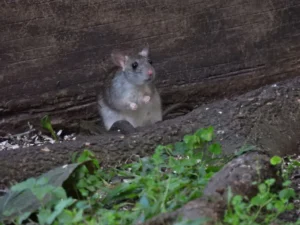
Rats move their nests from outdoor locations to indoor ones. A rat that was happy living under your shed in summer will try to move into your house when winter comes.
They become more aggressive about getting into buildings. Rats will chew harder and try more entry points when they’re desperate to escape the cold.
Rats also huddle together for warmth. You might have multiple rats nesting together in your home during winter, whereas they might have nested separately during warmer months.
Why Winter Actually Increases Rat Problems in Homes
Most people see more rat activity inside their homes during winter, not less.
Rats are more motivated to get inside when it’s cold. The temperature difference between outside and inside is huge in winter, which makes your warm home incredibly attractive.
Your home provides everything rats need during winter: warmth, food, water, and shelter. It’s like a five-star hotel for rats.
Outdoor food sources become scarce in winter. Gardens aren’t producing, garbage might be frozen, and other natural food sources are limited. This pushes rats to look for food inside human structures.
Water can freeze outside, but your home has running water. Rats need water to survive, and your pipes, drains, and leaky faucets provide it year-round.
Many people close up their homes tighter in winter, which can actually trap rats inside. If a rat gets into your house in early winter, it might stay there until spring because all the entry points are now sealed by weather stripping and closed windows.
How Cold Does It Have to Be to Kill Rats?
You might wonder if extreme cold will at least reduce the rat population, even if they don’t all go away.
Rats can survive in pretty cold temperatures if they have shelter. They can handle temperatures down to about 20°F if they’re in a protected spot and have food and water.

Without shelter, rats start to have problems below freezing (32°F). Exposed rats can develop hypothermia and frostbite on their tails, feet, and ears.
Really extreme cold (below 0°F) can kill rats, especially if it lasts for days. But rats are good at finding shelter before it gets this cold.
Baby rats and sick or old rats are more vulnerable to cold. They might die in temperatures that healthy adult rats can survive.
In most populated areas, it never gets cold enough long enough to actually kill off the rat population. There are too many warm places (buildings, sewers, underground tunnels) where rats can shelter.
Where Rats Go in Winter
If rats aren’t in your home, they’re probably in one of these other winter shelters.
Sewers stay relatively warm year-round. The underground location and flowing water keep sewers at stable temperatures, making them great winter homes for rats.
Storm drains and utility tunnels provide shelter from weather. These underground spaces don’t freeze, and rats can travel through them to access different areas.
Commercial buildings, especially restaurants and grocery stores, are warm and full of food. Rats love these places year-round, but even more so in winter.
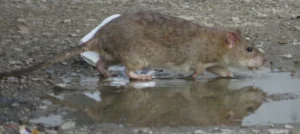
Garages and sheds on your property might house rats in winter. Even if these buildings aren’t heated, they’re warmer than being fully exposed outside.
Under decks, porches, and foundations, rats can dig burrows that stay warmer than the surface. The ground provides insulation from cold air.
Inside car engines, rats might nest for warmth. The engine compartment stays warm after you drive, and rats can squeeze into these spaces. This is why you might find chewed wires in your car during winter.
Signs of Winter Rat Activity in Your Home
You need to watch for these signs during the colder months.
Scratching or scurrying sounds in walls or ceilings at night are really common in winter. Rats are most active when you’re trying to sleep.
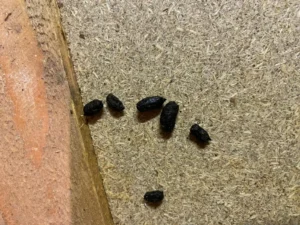
Droppings in your kitchen, pantry, basement, or attic mean rats are living in or regularly visiting your home. Fresh droppings are dark and shiny.
Chew marks on food packages show that rats have found your food. Check your pantry carefully for boxes or bags with gnawed corners.
Grease marks along baseboards and walls appear where rats travel regularly. Their oily fur leaves dark smudges on surfaces they rub against.
Unusual pet behavior can signal rats. If your dog or cat is suddenly really interested in a particular wall, cabinet, or area, they might hear or smell rats.
Nesting material in hidden spots means rats have moved in. If you find shredded paper, fabric, or insulation in your attic, basement, or behind appliances, rats are building nests.
How to Keep Rats Out During Winter
You can take extra precautions during cold months to keep rats from moving into your home.
Seal all entry points before winter arrives. Check your home’s exterior in late fall and seal any cracks, gaps, or holes. Rats only need a space the size of a quarter to squeeze through.
Pay special attention to areas where pipes and wires enter your home. These are common entry points, and the gaps around utilities might be bigger than you think.
Install door sweeps on exterior doors. The gap under your door is an easy entry point, and door sweeps close this gap completely.
Keep your home clean, especially the kitchen. Crumbs and spills attract rats. Clean up after meals, don’t leave dirty dishes out, and store food in sealed containers.

Take out garbage daily and use bins with tight-fitting lids. Don’t let garbage sit in your garage or near your house where rats can smell it.
Remove outdoor food sources. Bring pet food bowls inside at night, clean up under bird feeders, and secure compost bins with tight lids.
Trim tree branches away from your house. Rats can use branches as bridges to get onto your roof, where they might find entry points.
What to Do If Rats Get Into Your Home in Winter
If rats have already moved into your home for winter, you need to act fast.
Start trapping immediately. Don’t wait until spring to deal with the problem. Set multiple snap traps (at least 6-12) in areas where you’ve seen signs of rats.
Place traps along walls where rats travel. Rats prefer to run along edges rather than crossing open spaces, so position traps with the trigger end against the wall.
Bait traps with peanut butter, which rats love and which sticks to the trap. Check and reset traps daily.
Find and seal entry points while you’re trapping. This prevents new rats from coming in while you’re getting rid of the ones already inside.
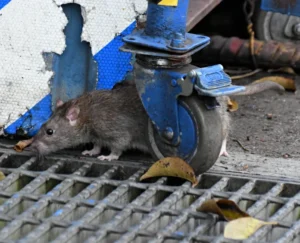
Clean up any messes rats have made. Rats contaminate areas with their droppings and urine, which can spread disease. Wear gloves and a mask when cleaning rat droppings.
Check your insulation in the attic and walls. Rats often damage insulation when they nest, and damaged insulation needs to be replaced.
Consider calling a pest control professional if the problem is serious. They have experience dealing with winter rat infestations and can help you eliminate the rats and prevent new ones from entering.
Do Rats Die Off in Winter Anywhere?
Even in the coldest climates, rats usually survive winter in decent numbers.
In northern states and Canada, outdoor rat populations might decrease in winter. Some rats do die from cold exposure, especially when combined with lack of food.
But enough rats survive by moving indoors or underground that the population bounces back quickly in spring. The surviving rats start breeding as soon as weather warms up.
In warmer climates (the southern U.S., for example), there’s basically no winter die-off at all. Rats breed year-round in these areas.
Cities rarely see rat population decreases in winter. Urban rats have too many warm buildings, sewers, and food sources to shelter in.
Rural rats might have a harder time in winter if they can’t find human structures to invade. But most rural areas still have enough barns, sheds, and other outbuildings to shelter rat populations.
The Difference Between Rats and Mice in Winter
Both rats and mice stay active in winter, but their behavior is slightly different.
Mice are more likely to move indoors in winter than rats are. Mice are smaller and more vulnerable to cold, so they seek shelter earlier and more aggressively.

Rats are more adaptable and can survive outdoors longer. They have more body mass than mice, which helps them handle cold better.
Both will invade your home if given the chance. Don’t assume that rats will stay outside just because they’re tougher than mice.
Mice can fit through even smaller gaps than rats (a hole the size of a dime). This makes it harder to completely mouse-proof your home.
The prevention methods for both are basically the same: seal entry points, remove food sources, and keep your home clean.
What Happens to Outdoor Rat Nests in Winter
Rats that were nesting outside during summer have to adapt when winter comes.
Outdoor burrows become less comfortable in winter. The ground gets cold, and rain or snow can flood burrows or make them damp and freezing.
Rats might insulate their outdoor nests better by adding more nesting material. They’ll collect leaves, grass, fabric, paper, or anything else they can find.
Many rats abandon outdoor nests and move to better locations. A rat isn’t loyal to a particular nest if it finds somewhere better.
Rats might take over abandoned animal burrows or nests. A groundhog burrow or bird nest might become a rat home in winter.
Communal nesting is more common in winter. Multiple rats from the same colony might huddle together in one nest to share body heat.
Commercial Buildings and Rat Problems in Winter
Businesses often see increased rat problems during cold months.
Restaurants are prime targets year-round, but especially in winter. They’re warm, full of food, and often have lots of small entry points.
Warehouses and storage facilities provide shelter without much human activity. Rats love these quiet spaces where they won’t be disturbed.

Grocery stores have everything rats need, and the loading docks often have gaps that rats can exploit.
Office buildings might seem like odd places for rats, but break rooms with food and warm mechanical spaces make them attractive in winter.
Retail stores, especially those that sell food, see rat problems increase in winter. The combination of warmth and food is irresistible to rats.
Long-Term Winter Rat Prevention
You need to think about rat prevention as a year-round effort, not just a winter problem.
Do a thorough inspection of your home every fall before cold weather arrives. Find and seal entry points before rats start looking for winter shelter.
Keep your property maintained year-round. Don’t let wood piles, junk, or overgrown vegetation pile up where rats can nest.
Store firewood away from your house, not right next to it. Rats might nest in wood piles, and if the pile is against your house, they have easy access to your home.
Clean gutters regularly. Clogged gutters can overflow and create moisture problems that attract rats.
Fix any plumbing leaks immediately. Rats need water, and winter leaks create ice and moisture problems that can damage your home while attracting rats.
Consider getting a cat if you’re in a rural area. Outdoor cats can help keep rat populations down, though this isn’t a complete solution by itself.
Conclusion
Rats don’t go away in winter. They stay active year-round and actually become more aggressive about getting into homes when cold weather arrives.
Your warm home provides everything rats need to survive winter: heat, food, water, and shelter. This makes winter the most common time for rats to invade houses, not the time when they go away.
You can prevent winter rat problems by sealing all entry points before cold weather starts, keeping your home and property clean, removing food and water sources, and doing regular inspections. If rats do get in, start trapping immediately and seal entry points while you’re eliminating the rats that are already inside.
Don’t wait for cold weather to kill rats or make them leave. It won’t happen. The only way to get rid of rats is to actively remove them and prevent new ones from entering your home.

Hi, my name is Ezra Mushala, i have been interested animals all my life. I am the main author and editor here at snakeinformer.com.