
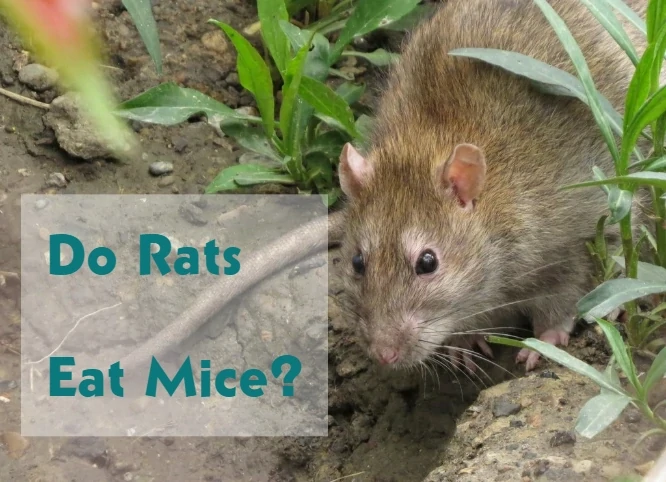
Rats and mice look similar and often live in the same areas, which leads people to think they’re basically the same animal. You might assume these two rodents get along fine since they’re close relatives.
But the relationship between rats and mice is actually much more complicated than most people realize. Do rats eat mice?
Yes, rats do eat mice. Rats are opportunistic predators and will kill and eat mice when they get the chance, especially if other food is scarce or if they feel their territory is being threatened.
This might surprise you since rats and mice are both rodents. But rats are much larger and more aggressive than mice, and they see smaller rodents as both competition and potential food.
Why Rats Hunt and Eat Mice in the First Place
Rats are omnivores, which means they eat both plants and animals. While they mostly eat grains, fruits, and vegetables, they’ll also eat meat when it’s available.
Mice are an easy protein source for rats. They’re smaller, weaker, and can’t defend themselves well against a rat attack.
When a rat comes across a mouse, it sees a competitor for food and shelter. By killing the mouse, the rat eliminates competition and gets a meal at the same time.

This behavior is really common when food is limited. If a rat is hungry and finds a mouse, it won’t hesitate to attack and eat it.
Even when food is plentiful, rats will still hunt mice to protect their territory. Rats are territorial animals and don’t like sharing their space with other rodents.
Rats also learn this behavior early in life. Young rats that grow up around other rodents quickly associate mice with both food and competition.
Over time, this makes hunting mice a learned, reinforced behavior rather than a rare accident.
Stress plays a role too. Crowded environments, loud noise, or frequent human disturbance can make rats more aggressive.
In these situations, rats are even more likely to attack mice as a way to reduce stressors in their territory.
How Do Rats Kill Mice?
Rats are much larger and stronger than mice, which gives them a huge advantage in any fight. An adult rat can weigh 10 to 20 times more than an adult mouse.
When a rat attacks a mouse, it uses its powerful jaws and sharp teeth to bite the mouse’s neck or head. This usually kills the mouse quickly.

Rats don’t usually play with their prey the way cats do. Once they commit to an attack, they aim to end it fast. This reduces the risk of injury and prevents the mouse from escaping and alerting other rodents nearby.
In some cases, rats won’t eat the mouse right away. If the rat is defending a nest or food cache, it may kill the mouse simply to remove it as a threat and return later to eat it.
Rats have a bite force that’s strong enough to crack nutshells and chew through wood, so killing a small mouse isn’t difficult for them.
After killing the mouse, the rat will usually eat it right away. Rats aren’t picky eaters and will consume almost the entire mouse, including bones and organs.
The Huge Size Difference Between Rats and Mice
Understanding the size difference helps explain why rats can easily overpower mice. These aren’t evenly matched animals.
An adult house mouse typically weighs between 0.5 to 1 ounce and measures about 2.5 to 4 inches long (not including the tail).
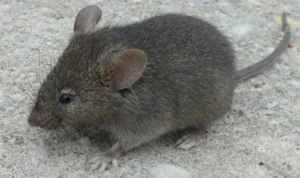
An adult Norway rat weighs between 7 to 18 ounces and measures 7 to 9 inches long (not including the tail). That’s a massive difference in size and strength.
The roof rat is slightly smaller than the Norway rat but still much larger than any mouse. Even young rats are often bigger than adult mice.
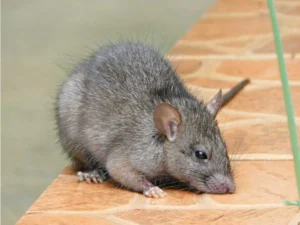
This size advantage means mice can’t fight back effectively. Their only real defense is to avoid rats completely.
Can Rats and Mice Ever Live Together Peacefully?
You might have both rats and mice in your home, but they’re not living together peacefully. They’re just avoiding each other as much as possible.
Mice will typically stay away from areas where rats are active. If mice smell rat urine or droppings, they’ll often find somewhere else to live.
In a house with both rats and mice, the mice usually end up in smaller, harder-to-reach spaces that rats can’t access easily. They might live in wall voids, behind appliances, or in other tight spots.
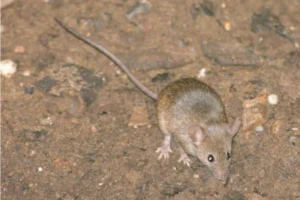
In some cases, the presence of rats actually changes mouse behavior long-term. Mice exposed to rats become more nocturnal, more secretive, and less likely to explore new food sources.
This constant pressure can weaken mouse populations over time, even without direct attacks. The stress alone reduces breeding and increases abandonment of nests in areas where rats are active.
The rats will dominate the main areas and food sources. Mice only venture into these spaces when rats aren’t around, usually by learning the rats’ activity patterns.
This isn’t really coexistence. It’s more like mice desperately trying to avoid getting eaten while still finding food in the same building.
What It Means If You Have Rats and Mice in Your Home
If you have rats in your home, you might actually have fewer mice than you would otherwise. The rats’ presence naturally keeps mouse populations down.
But this isn’t a good thing. Don’t think of rats as a solution to a mouse problem. Rats cause way more damage than mice and pose greater health risks.

Rats chew through electrical wires, wooden beams, and pipes. They can cause fires, flooding, and structural damage that costs thousands of dollars to repair.
They also carry more diseases than mice and produce more waste. A rat infestation is significantly worse than a mouse infestation in almost every way.
If you’re dealing with rodents, you need to get rid of all of them, not hope that one species controls the other.
Other Animals Rats Will Eat Besides Mice
Rats don’t just eat mice. They’re opportunistic predators that will eat a wide variety of small animals when they get the chance.
Baby birds and eggs are common targets. Rats are excellent climbers and will raid nests to eat eggs or helpless chicks.
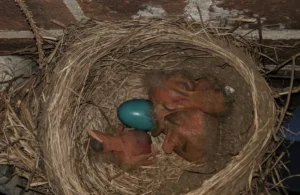
Rats will also eat carrion regularly, especially in cities. Dumpsters, drains, and alleyways provide a steady supply of dead animals and food waste that rats take full advantage of.
This scavenging behavior helps rats survive in harsh environments but also increases their exposure to parasites and pathogens, which they can spread throughout homes and buildings.
Small lizards, frogs, and insects are all on the menu. Rats living near water will even catch and eat small fish or tadpoles.

Rats have been known to attack and eat baby rabbits, small snakes, and even other rats if food is scarce. They’re not picky about where their protein comes from.
In urban areas, rats will scavenge dead animals they find. This includes roadkill, dead birds, or any other carcass they come across.
Can Mice Defend Themselves Against Rats?
Mice have very few defenses against rats. Their best strategy is to run and hide before a rat even knows they’re there.
Mice are faster and more agile than rats, which helps them escape if they spot a rat early enough. They can squeeze through much smaller holes than rats can, giving them escape routes that rats can’t follow.
But if a rat catches a mouse in the open or corners it, the mouse has almost no chance of survival. Mice don’t have the strength or weapons to fight back effectively.
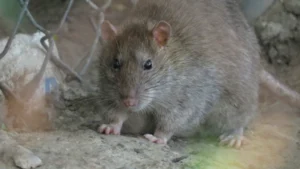
Some people wonder if mice travel in groups for protection, but this doesn’t really help against rats. Rats are bold enough to attack even when multiple mice are present.
The only real protection for mice is to live somewhere rats aren’t. This is why mouse populations are often higher in areas without rats.
Do All Rats Eat Mice?
Both Norway rats and roof rats (the two most common rat species in homes) will eat mice. This behavior isn’t limited to one species.
Individual rats might vary in how often they hunt mice based on their personality and circumstances. Some rats are more aggressive hunters, while others might ignore mice if they have plenty of other food.
But given the opportunity, most rats will kill and eat mice. It’s a natural behavior that’s been observed in rats around the world.
Environmental factors matter too. Rats living in rural areas with abundant natural food may hunt mice less often than city rats living on scraps and waste.

Urban rats tend to be more aggressive hunters because competition is higher and food availability changes quickly. This makes mouse predation far more common in homes, apartments, and commercial buildings.
Baby rats probably won’t hunt mice since they’re too small and inexperienced. But once a rat reaches a certain size, mice become potential prey.
Female rats with babies might be even more aggressive toward mice to protect their nest and food supply.
How to Tell If You Have Both Rats and Mice
If you’re not sure whether you’re dealing with rats, mice, or both, look at the droppings. This is the easiest way to tell them apart.
Mouse droppings are small, about the size of a grain of rice, with pointed ends. You’ll usually find lots of them scattered around.
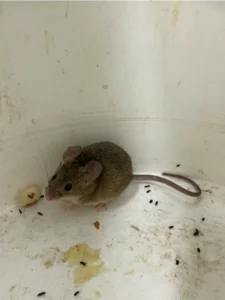
Rat droppings are much larger, about 3/4 inch long, with blunt ends. They look like small pellets and are usually found in groups.
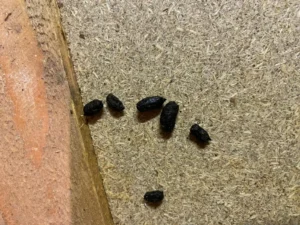
If you see both sizes of droppings, you’ve got both rats and mice in your home. Though over time, the rats might reduce the mouse population by hunting them.
Listen for different sounds too. Mice make light, quick scurrying sounds. Rats make heavier, slower sounds and might even make thumping noises as they move around.
Rats Sit at the Top of Your Home’s Food Chain
Your home has its own mini ecosystem when rodents move in. It’s not pleasant to think about, but understanding this helps you see why getting rid of rodents matters.
Rats sit at the top of this food chain. They’ll eat mice, insects, and anything else they can catch or scavenge, in addition to your food.

Mice sit in the middle. They’ll eat insects and your food but have to constantly watch out for rats.
Both rats and mice attract other predators too. Snakes, cats, owls, and hawks will all come around if they know rodents are present.
This creates a cascade effect where one rodent problem can lead to multiple pest issues in and around your home.
What Happens When Rats Run Out of Food?
When food becomes scarce, rats get more aggressive and desperate. This is when they’re most likely to hunt mice actively.
During food shortages, rats also become more territorial toward their own species. This creates violent competition within nests and colonies.
This aggressive environment makes smaller rodents like mice even more vulnerable, as rats are already primed for conflict and hunting behavior.
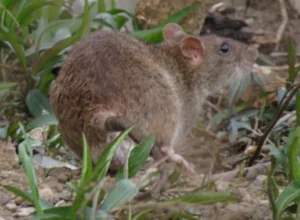
Rats will also become more willing to take risks to find food. They might come out during the day, enter occupied rooms, or even approach humans if they’re hungry enough.
Starving rats will turn on each other too. Larger rats will kill and eat smaller or weaker rats when no other food is available.
This shows just how opportunistic and survival-focused rats are. They’ll eat whatever they need to in order to stay alive, including other rodents.
Proof That Rats Eating Mice Isn’t Rare or Unusual
Scientists have documented rats eating mice in laboratory settings, in the wild, and in urban environments. This isn’t just something that happens occasionally.
Researchers studying rat behavior have observed that rats will preferentially hunt mice over some other prey animals because mice are easier to catch and kill.
In areas where rat and mouse populations overlap, the presence of rats consistently reduces mouse populations. This has been documented in cities, farms, and natural habitats.
Pest control experts regularly find evidence of rats killing mice when treating infestations. It’s a well-known behavior in the industry.
Why Knowing This Matters for Pest Control
Understanding that rats eat mice changes how you should approach rodent control in your home.
- You can’t just focus on one species and ignore the other. Even if you mostly see signs of mice, rats might be present and just harder to detect.

- Poison and traps need to be appropriate for the rodents you’re targeting. Rat poison won’t work well on mice, and mouse traps usually can’t catch rats.
- If you’re using pest control services, make sure they’re checking for both rats and mice. A thorough inspection should reveal which rodents you’re dealing with.
Getting rid of rats first might actually cause a temporary increase in mice since the predator pressure is removed. But you still need to eliminate both species completely.
Conclusion
Rats absolutely do eat mice, and they’ll hunt them actively when given the chance.
This predator-prey relationship exists because rats are larger, stronger, and more aggressive than their smaller rodent cousins.
If you have rodents in your home, don’t assume rats will solve a mouse problem. Both species need to be removed completely to protect your home, health, and safety.
The fact that rats eat mice just shows how opportunistic and adaptable these pests are.
They’ll eat almost anything to survive, which is one reason they’re so successful at living near humans and so difficult to get rid of once they move in.

Hi, my name is Ezra Mushala, i have been interested animals all my life. I am the main author and editor here at snakeinformer.com.