
If you keep backyard chickens, you’ve probably noticed that something is raiding your nesting boxes. Maybe you’re finding broken shells or eggs that have completely disappeared overnight.
Rats are common around chicken coops, and they can cause all kinds of problems for chicken keepers. But do rats actually eat chicken eggs?
Yes, rats definitely eat chicken eggs. They’ll bite through the shell to get to the nutritious contents inside. Rats are attracted to chicken coops because they provide easy access to eggs, chicken feed, and shelter.
Eggs are actually one of a rat’s favorite foods. They’re packed with protein and fat, which makes them perfect for a rat’s diet.
If you’re losing eggs from your coop, there’s a good chance rats are the culprits.
They’re sneaky, mostly active at night, and really good at getting into places you wouldn’t think possible.
Why Chicken Eggs Are Ideal Food for Rats
Rats need a lot of protein and fat to survive and reproduce. Eggs provide both in a convenient package that doesn’t fight back.
A single chicken egg contains about 6 grams of protein and 5 grams of fat. For a rat, that’s like hitting the jackpot.
In the wild, rats eat a varied diet that includes seeds, grains, fruits, and small animals when they can catch them. But domesticated settings like chicken coops offer much easier meals.
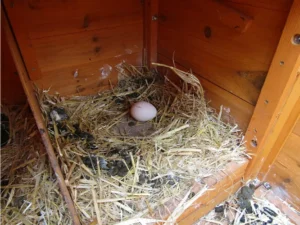
Eggs don’t run away, they don’t bite, and they’re usually sitting in an easy-to-reach nest box. From a rat’s perspective, this is the ultimate convenience food.
Rats also have an excellent sense of smell. They can detect the scent of eggs from a distance, which helps them find chicken coops in the first place.
Once a rat discovers that your coop has eggs, it’ll keep coming back. Rats are creatures of habit and will return to reliable food sources night after night.
How Rats Crack Open Eggs So Easily
You might wonder how a rat actually gets into an egg. The shell seems pretty tough, but rats have powerful jaws and sharp teeth that make quick work of it.
Rats have four front teeth called incisors that never stop growing. This means they’re constantly chewing on things to keep their teeth worn down.
These teeth are incredibly strong. They can chew through wood, plastic, and even some metals. An eggshell doesn’t stand a chance.
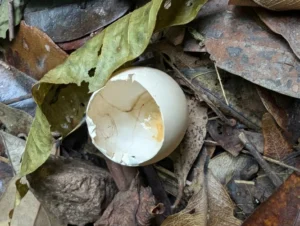
When a rat finds an egg, it’ll usually bite a hole in the shell. Sometimes they’ll make several small holes, other times they’ll crack it open more aggressively.
Once there’s an opening, the rat laps up the liquid contents. They’re pretty messy eaters, so you’ll usually find evidence of their meal in the form of broken shells and yolk residue.
Smaller rats might struggle with larger eggs at first. But they quickly figure out the technique and get better with practice.
Clear Signs Rats Are Stealing Eggs from Your Coop
If rats are raiding your chicken coop, you’ll notice several telltale signs. Missing eggs are the most obvious clue, but there are others.
Look for eggs with holes chewed in them.
These holes are usually rough and irregular, not clean like a puncture from a sharp object.
You might find broken shells scattered around the nesting boxes.
Rats aren’t careful eaters, and they’ll leave a mess behind.
Check for rat droppings near the nesting boxes or anywhere else in the coop.
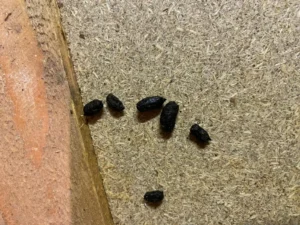
Rat droppings are about the size of a raisin and are dark brown or black.
You might also notice smudge marks along walls or beams where rats travel.
These marks come from the oils in their fur rubbing against surfaces.
Listen for sounds at night.
If you go out to your coop after dark, you might hear scratching, squeaking, or movement that indicates rats are present.
Look for gnaw marks on wood, especially around openings or entry points.
Rats will chew to make holes bigger so they can get in more easily.
Rats Also Eat Chicken Feed
Eggs aren’t the only thing attracting rats to your chicken coop. Chicken feed is actually an even bigger draw for most rats.
Commercial chicken feed is made from grains, which rats absolutely love. It’s nutritious, easy to eat, and usually stored in large quantities.
If you’re keeping feed in bags, rats can easily chew through them. Even plastic bins aren’t always rat-proof unless they have tight-fitting, secure lids.
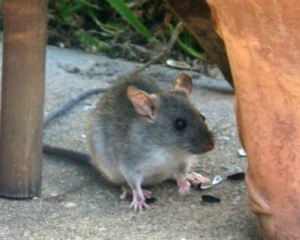
Many chicken keepers make the mistake of leaving feed out all day. This is like setting up an all-you-can-eat buffet for rats.
Spilled feed on the ground is especially problematic. Rats will come looking for these easy pickings, and once they find your coop, they’ll investigate everything else it has to offer.
The combination of feed and eggs makes chicken coops incredibly attractive to rats. It’s basically a perfect habitat with everything they need to survive.
The Real Danger Rats Pose to Chickens and Chicks
Rats don’t just steal eggs. They can actually harm your chickens too, especially young chicks.
Adult rats will attack and kill baby chicks if they get the chance. Chicks are small, defenseless, and easy prey for a hungry rat.
Even full-grown chickens aren’t completely safe. While rats typically won’t attack healthy adult chickens, they will go after sick or injured birds.
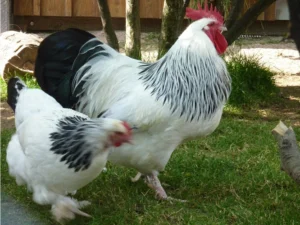
Rats also spread diseases that can make your chickens sick. They carry things like salmonella, which can infect your flock and potentially make eggs unsafe to eat.
When rats infest a coop, they create stress for your chickens. Chickens can sense predators, and having rats around can make them nervous and less productive.
Stressed chickens lay fewer eggs, which means the rats are costing you in multiple ways. You’re losing eggs to theft and losing production from stressed birds.
Where Do Rats Usually Hide In and Around Chicken Coops?
Rats are really good at finding hiding spots. If you have rats in your coop, they’re probably living somewhere nearby during the day.
Check under the coop if it’s raised off the ground.
The space underneath provides shelter and is often close to food sources.
Look in piles of straw or bedding.
Rats will burrow into these materials to create nests where they feel safe.
Inspect any stored items near the coop.
Stacks of wood, unused equipment, or piles of debris all make great rat hideouts.
Rats will also dig burrows in the ground near the coop.
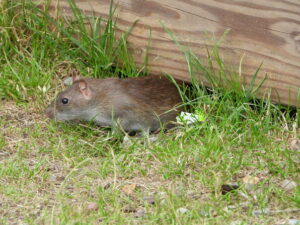
Look for holes about 2-3 inches in diameter around the perimeter of your chicken area.
Inside the coop, check dark corners, especially in areas where chickens don’t usually go.
Rats prefer spots where they won’t be disturbed.
Any gaps in walls or floors can become rat highways.
They’ll travel through these spaces between their hiding spots and food sources.
How to Protect Your Chicken Eggs from Rats
The good news is you can take steps to protect your eggs and keep rats out of your coop. It takes some effort, but it’s definitely possible.
1. First, Collect Eggs Frequently.
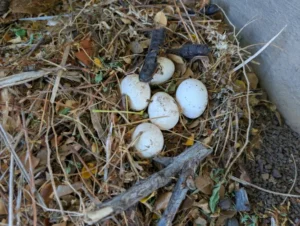
The less time eggs sit in nesting boxes, the less opportunity rats have to steal them. Try to collect at least twice a day.
2. At Night, if Possible, Move Nesting Boxes Inside or to a Secure Location.
This isn’t practical for everyone, but it’s the most effective way to keep eggs safe.
3. Make Your Coop Rat-Proof.
Walk around and look for any holes or gaps larger than a quarter. Rats can squeeze through surprisingly small openings.
4. Use Hardware Cloth Instead of Chicken Wire.
Chicken wire keeps chickens in but doesn’t keep rats out. Hardware cloth with half-inch or quarter-inch openings is much more effective.
5. Seal Gaps With Steel Wool or Hardware Cloth.
Rats can chew through wood and plastic, but they can’t chew through steel.
6. Elevate Your Coop off the Ground if Possible.
This makes it harder for rats to get in and eliminates ground-level hiding spots.
How to Store and Manage Chicken Feed Without Attracting Rats
Controlling the feed situation is just as important as protecting the eggs.
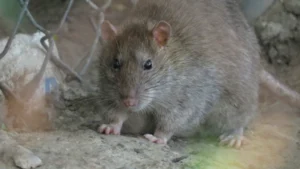
If you eliminate the feed source, rats will be less interested in your coop overall.
- Store feed in metal containers with tight-fitting lids.
Plastic bins can work, but make sure the lids lock or seal securely.
- Don’t leave feed out overnight.
Give your chickens only what they’ll eat during the day, and remove feeders at night.
- Use treadle feeders if possible.
These feeders only open when a chicken steps on them, which keeps rats from accessing the feed.
- Clean up spilled feed every day.
Sweep or rake around feeders to remove anything that’s fallen on the ground.
- Keep the area around your coop clean.
Don’t let old feed, straw, or debris accumulate where rats can use it for food or shelter.
- Consider feeding your chickens earlier in the day.
This gives them time to eat while it’s light out, and you can remove any leftovers before dark.
Using Traps to Get Rats Out of Your Coop
If you already have rats in your coop, you’ll need to actively get rid of them. Traps are one of the most effective methods.
Snap traps work really well for rats.
They’re quick, effective, and relatively inexpensive. Place them along walls where you’ve seen rat activity.
Bait traps with something irresistible like peanut butter, bacon, or dried fruit.
Don’t use cheese, despite what cartoons show. Rats actually prefer other foods.
Place traps perpendicular to walls with the trigger end facing the wall.
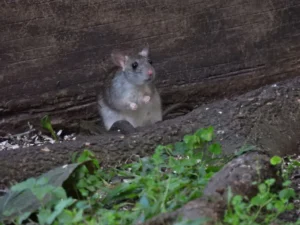
Rats naturally run along walls, and this placement increases your chances of catching them.
Check traps daily.
You don’t want dead rats sitting around in your coop. Remove and dispose of caught rats, then reset the traps.
Use multiple traps.
If you’re seeing signs of rats, there are probably more than you think. Setting out just one or two traps won’t be enough.
Live traps are another option if you don’t want to kill the rats.
But you’ll need to relocate them far from your property, or they’ll just come back.
Is Rat Poison a Good Idea Around Chickens?
Many people’s first instinct is to use rat poison, but this isn’t always the best choice, especially around chickens.
Poison can be dangerous to your chickens if they accidentally eat it. Even if you place it carefully, chickens are curious and might peck at bait stations.
There’s also the problem of secondary poisoning. If a rat eats poison and then dies in an accessible location, a chicken or other animal might eat the poisoned rat.
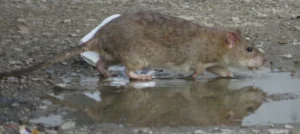
Poisoned rats often die in walls or hidden spaces where you can’t reach them. This leads to terrible smells that can last for weeks.
If you do decide to use poison, use tamper-resistant bait stations that chickens can’t access. Place them outside the coop in areas where only rats can reach.
Follow all label directions carefully. Use only products labeled for use around livestock or poultry.
Consider poison a last resort. Traps are usually safer and more effective when dealing with rats near chickens.
How to Stop Rats from Coming Back in the Future
Once you’ve dealt with your current rat problem, you’ll want to make sure it doesn’t happen again. Prevention is key.
1. Maintain Your Coop Regularly.
Fix any damage to walls, floors, or roofing right away. Even small holes can become rat entryways.
2. Keep Vegetation Trimmed Back From the Coop.
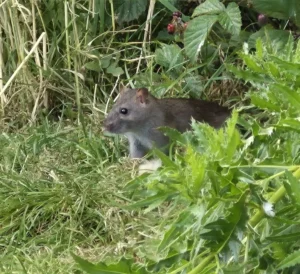
Overgrown grass, bushes, or weeds provide cover for rats traveling to and from your coop.
3. Don’t Store Things Right Next to the Coop.
Stacks of wood, equipment, or debris create hiding spots that rats love.
4. Use Proper Composting Techniques if You Compost Chicken Waste.
Don’t let manure pile up near the coop where it attracts pests.
5. Consider Getting a Barn Cat or Two.
Cats are natural rat predators and can help keep populations down. Just make sure your chickens are large enough not to be bothered by the cats.
6. Monitor Your Coop Regularly for Signs of Rats.
Catching a problem early makes it much easier to deal with.
Conclusion
Rats absolutely eat chicken eggs, and they’ll keep coming back for more once they discover your coop. They’re attracted by the combination of eggs, chicken feed, and safe shelter.
To protect your eggs, collect them frequently, secure your coop, and store feed properly. Use traps to eliminate any rats that are already present.
Prevention is your best strategy. Keep your coop maintained, eliminate food sources, and seal up entry points. With consistent effort, you can keep rats away from your chickens and eggs for good.

Hi, my name is Ezra Mushala, i have been interested animals all my life. I am the main author and editor here at snakeinformer.com.