
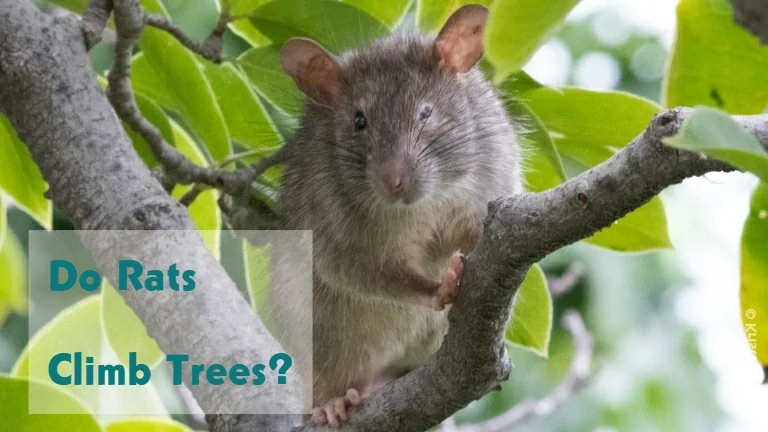
If you’ve ever spotted a rat scurrying around your yard, you might wonder just how far these rodents can go to find food and shelter. You’ve probably seen them on the ground, but what about up high? Can, or do rats climb trees?
Yes, rats can climb trees. Some rat species, like roof rats (also called black rats), are really good climbers and spend a lot of their time up in trees. Norway rats (brown rats) can also climb trees, but they’re not as skilled at it and usually stay on the ground.
Rats are surprisingly athletic animals. They have sharp claws, strong legs, and a great sense of balance that helps them climb all sorts of surfaces. But not all rats are equally good at climbing, and some prefer to stay close to the ground.
Why Some Rats Are Better Climbers Than Others
Roof rats are built for climbing. They’re lighter and more agile than their ground-dwelling cousins, the Norway rats. Their bodies are sleek, and their tails are longer than their bodies, which helps them balance when they’re up high.

These rats originally lived in trees in their native habitats, so climbing is just natural for them. When they moved into cities and towns, they brought those skills with them. That’s why you’ll often find roof rats living in attics, upper floors of buildings, and yes, up in trees.
Norway rats, on the other hand, are heavier and bulkier. They can climb if they need to, but they’re not graceful about it. They prefer to dig burrows and stay at ground level where they feel more comfortable.

Another factor is age and experience. Younger rats that grow up in trees tend to become more skilled climbers over time.
Observational studies show that roof rats learn the best routes and branch patterns by following older, experienced rats, which improves their climbing efficiency and helps them avoid predators.
Which Trees Do Rats Prefer?
Rats don’t climb just any tree. They’re picky about which ones they choose, and it usually comes down to what they can get from it.
Fruit trees are a favorite. If you have citrus trees, avocado trees, or any tree that produces nuts or fruit, you’re basically offering rats a buffet. They’ll climb up to eat the fruit right off the branches, and they’re not shy about it either.

Palm trees are another hot spot for rats, especially in warmer climates. The dense fronds at the top provide perfect shelter, and rats will build nests right up there. It’s warm, hidden, and safe from ground predators.
Trees with dense foliage or ivy growing on them also attract rats. The thick leaves and vines give them cover as they climb, so they feel protected from hawks, owls, and other predators that might be watching from above.
Rats are also attracted to trees that are close to human structures, like sheds, garages, or fences.
Even if a tree doesn’t produce food, its proximity to a roof or porch can make it a convenient travel route, especially in urban areas where natural food sources are limited.
How Rats Use Trees to Get Into Your Home
Here’s where things get concerning for homeowners. Rats don’t just climb trees for fun or food. They use them as highways to get into your house.
If you have tree branches that hang over your roof or touch your home, rats can use them as bridges. A roof rat can easily scamper along a branch, jump onto your roof, and then look for ways to get inside.

They’re looking for gaps in your roofline, vents, or any small opening they can squeeze through.
Even if the branch doesn’t quite reach your house, rats are good jumpers. They can leap several feet from a tree branch to your roof if they’re motivated enough. And trust me, if there’s food or shelter involved, they’re motivated.
Once they’re on your roof, it’s just a matter of time before they find a way in. Rats can squeeze through holes as small as a quarter, so even tiny gaps around pipes, vents, or roof edges are fair game.
Signs That Rats Are Climbing Your Trees
You might not see the rats themselves (they’re usually active at night), but there are signs you can look for.
Gnaw marks on tree bark or fruit are a dead giveaway. Rats have to constantly chew to keep their teeth from growing too long, so they’ll gnaw on branches, bark, and fruit.
If you see partially eaten fruit or nuts on the tree or scattered on the ground below, rats are probably visiting.
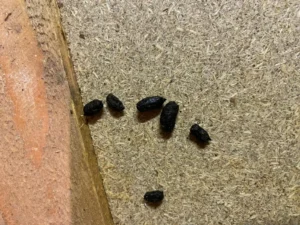
Droppings around the base of the tree or on branches are another clue. Rat droppings are dark, pill-shaped, and about half an inch long. If you spot them near your trees, you’ve got climbers.
Nests in the tree canopy are harder to spot, but if you look closely, you might see clumps of leaves, twigs, and other debris wedged into the branches. Roof rats build these nests high up where they feel safe.
Another subtle sign is flattened or worn paths along branches.
If rats frequently travel up and down the same route, you may notice a clear path through leaves or twigs where movement has compressed the foliage.
Listening carefully at night, you might also hear squeaks or tiny scurrying noises above just before sunrise, which is a sign of early activity.
Scratching or scurrying sounds at night can also tip you off. If your bedroom is near a tree and you hear movement in the branches after dark, it’s probably rats on the move.
What Attracts Rats to Trees in the First Place
Rats climb trees for three main reasons: food, water, and shelter.
Food is the biggest draw. As I mentioned earlier, fruit and nut trees are like restaurants for rats. But even trees that don’t produce food can attract them if there are bird feeders nearby or if other animals drop food scraps around the area.

Water sources near trees also help. If you have a birdbath, pond, or even a leaky hose near your trees, rats will stick around. They need water every day, so having it close by makes your yard even more appealing.
Shelter is the final piece. Trees with thick branches, dense leaves, or lots of ivy provide great hiding spots. Rats feel safer when they’re hidden from predators, and a leafy tree gives them exactly that.
Even seasonal changes can influence rat activity. In colder months, rats may climb trees less often because they’re conserving energy and focusing on burrows or sheltered spots. During warmer months, abundant fruit and increased water availability make trees much more attractive.
Rats and the Season
Rats change how they climb depending on the season. Warm months are their prime time.
They’ll spend hours hopping from tree to tree collecting fruit and nuts, and checking on nests.
In cooler months, they slow down and stick more to burrows, attics, or other warm spots to save energy. Seasonal patterns also mean which trees they visit can change.
A tree full of ripe fruit in summer is like a rat buffet, but in winter it might just be a place to hide.
How to Keep Rats Out of Your Trees
The good news is that you can make your trees a lot less appealing to rats with some simple steps.
- Trim tree branches so they don’t touch your house or roof.

You want at least a six to eight-foot gap between your trees and your home. This cuts off their highway into your attic.
- Pick fruit as soon as it ripens.
Don’t let it sit on the tree or rot on the ground. Fallen fruit is basically an open invitation for rats to move in.
- Remove ivy and dense vines from your trees.
These give rats cover and make it easier for them to climb without being seen. Keeping your trees clean and well-pruned reduces hiding spots.
- Thin out the canopy if your trees are really thick.
This won’t stop rats completely, but it makes them more visible to predators, which can discourage them from hanging around.
- Install metal guards around tree trunks.
You can buy sheet metal or specialized tree guards that wrap around the trunk and make it too slippery for rats to climb.
Make sure the guard is at least two feet tall and positioned a few feet off the ground so rats can’t just jump over it.
What About Bird Feeders and Other Attractants?
If you have bird feeders in your yard, you might be feeding more than just birds. Rats love birdseed, and they’ll climb trees to get to feeders or scavenge seeds that fall to the ground.
Use feeders with trays that catch spilled seeds, or switch to seed types that birds eat completely (like hulled sunflower seeds). You can also bring feeders in at night when rats are most active.

Pet food left outside is another problem. If you feed your dog or cat outside, don’t leave the bowls out overnight. Rats will find them and keep coming back for more.
Compost piles near trees can also attract rats, especially if you’re composting food scraps. If you compost, use a sealed bin and avoid adding meat, dairy, or oily foods that rats find irresistible.
How Rats Remember Their Favorite Routes
Rats have an amazing memory for where to go. They remember which trees and branches are safe, which have food, and which spots might have predators lurking.

Think of it as their own little map. A roof rat might climb up one side of a tree to reach a bird feeder, then take the same path back at night, avoiding branches that are too exposed.
They even tend to stick to the same “highways” through trees, fences, and wires for weeks, which is why once they figure out a route into your attic, they keep using it.
Can You Stop Rats From Climbing Trees Completely?
Honestly, it’s tough to stop rats from climbing trees altogether. They’re persistent, adaptable, and really good at what they do. But you can make it much harder for them and way less rewarding.
The key is to remove the reasons they’re climbing in the first place. No food, no water, no shelter means no reason to stick around. Combine that with trimmed branches and tree guards, and you’ll see a lot fewer rats hanging around your yard.

Using natural predators can also help. Encouraging owls, hawks, or even neighborhood cats can make rats more cautious and less likely to frequent your trees.
While this won’t eliminate them completely, it adds a layer of deterrence that works alongside pruning, guards, and removing attractants.
If you’ve already got a rat problem and they’re using your trees as a highway into your attic, you might need to call in a professional. Pest control experts can help you figure out where the rats are getting in and seal up those entry points so they can’t come back.
Do Rats Climb Trees During the Day?
Rats are mostly active at night, so you probably won’t see them climbing trees during the day. They’re nocturnal animals, which means they do most of their foraging, climbing, and exploring after the sun goes down.
That said, if a rat is desperate, hungry, or feels safe enough, it might venture out during daylight hours. This is more common in areas where rats have become really bold because there’s not much human activity or predators around to scare them off.

If you do see a rat climbing a tree in broad daylight, it could mean the population is getting large and they’re running out of food. It might also mean the rat is sick or injured, which makes it less cautious than usual.
Another reason you might see daytime activity is competition. If food is scarce, rats may climb trees in daylight to beat other rats or animals to a food source.
Similarly, in urban areas with fewer predators, they can afford to take more risks, which sometimes leads to unusual daytime sightings.
Other Animals That Climb Trees and Look Like Rats
Sometimes people see an animal climbing a tree and assume it’s a rat, but it might actually be something else.
Squirrels are the most common case of mistaken identity. They’re similar in size to rats and are expert climbers, but they have bushy tails and are active during the day.
Rats have long, scaly tails and usually stick to nighttime.

Opossums also climb trees, and from a distance, they can look rat-like because of their pointed faces and long tails. But opossums are much bigger than rats (about the size of a cat), and they move slower.
Mice can climb too, but they’re much smaller than rats. If you see a tiny rodent climbing your tree, it’s probably a mouse, not a rat.
In some regions, small weasels or young martens can also climb trees and resemble rats from a distance. They are faster and often hunt rodents, so spotting them could actually indicate a natural predator keeping your rat population in check.
Conclusion
Rats absolutely can climb trees, and some species (like roof rats) are incredibly skilled at it. They use trees to find food, build nests, and get access to your home if branches are close enough to your roof.
The best way to deal with tree-climbing rats is to make your yard less inviting. Trim branches away from your house, pick fruit before it falls, and remove dense foliage that gives rats cover. Metal tree guards can also help keep them from climbing in the first place.
If you’re seeing signs of rats in your trees or hearing them on your roof at night, don’t ignore it. The sooner you take action, the easier it’ll be to keep them out of your home for good.

Hi, my name is Ezra Mushala, i have been interested animals all my life. I am the main author and editor here at snakeinformer.com.