
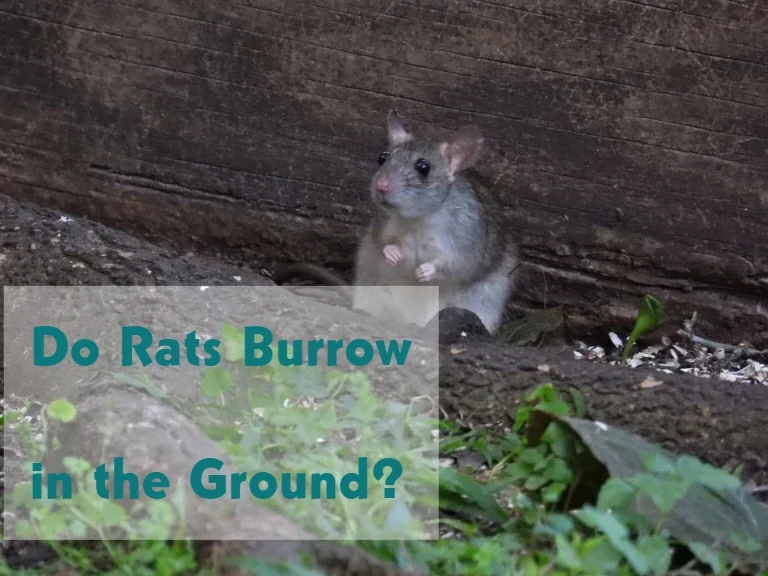
When you think about rats, you might picture them scurrying through alleys, living in sewers, or hiding in the walls of buildings.
But rats are more versatile than most people realize, and they’ve developed different strategies for finding shelter depending on where they live.
If you’ve noticed holes in your yard or mysterious tunnels near your foundation, you might be wondering whether rats are responsible. Do rats burrow in the ground?
Yes, rats burrow in the ground. Norway rats are especially skilled at digging complex tunnel systems underground where they nest, store food, and raise their young. These burrows can extend several feet deep and may have multiple entrances.
While not all rat species burrow, Norway rats (also called brown rats) are expert diggers.
They create underground homes that protect them from predators and harsh weather while giving them easy access to food sources.
Why Rats Dig Burrows
Rats burrow underground for the same reasons humans build houses: they need shelter, safety, and a place to raise their families.
Underground burrows protect rats from extreme temperatures. The soil keeps them cool in summer and warm in winter, which is especially important for survival.
Burrows also hide rats from predators like hawks, owls, cats, and dogs. When danger appears, rats can quickly disappear into their tunnels where larger predators can’t follow.
Female rats need safe, hidden places to have their babies. Underground burrows provide the perfect nursery where young rats can grow without being exposed to threats.
Rats also use their burrows to store food. They’ll drag food items into their tunnels to eat later or feed to their young.
Which Rat Species Burrow Underground and Which Ones Don’t
Norway rats are the primary burrowing species you’ll encounter. These are the large brown rats commonly found in yards, gardens, and around building foundations.
Norway rats prefer to live at ground level or below, which makes them natural diggers.
They’re the rats you’re most likely to find creating tunnel systems in your yard.
Roof rats (also called black rats) rarely burrow. These rats prefer to live above ground in trees, attics, or upper parts of buildings.
They’re excellent climbers but not good diggers.
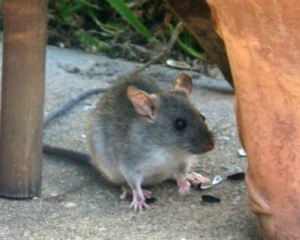
If you’re seeing burrows in your yard or near your home, you’re almost certainly dealing with Norway rats rather than roof rats.
What Do Rat Burrows Look Like?
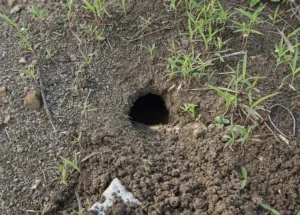
Rat burrows are surprisingly easy to identify once you know what to look for. The entrance holes are typically 2 to 4 inches in diameter, which is large enough for a full-grown rat to enter comfortably.
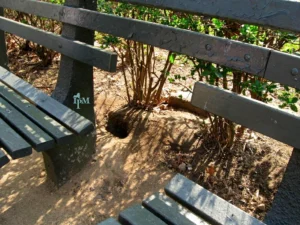
The holes are usually smooth and well-maintained. Rats keep their burrow entrances clear of debris and cobwebs, so fresh holes look clean and recently used.
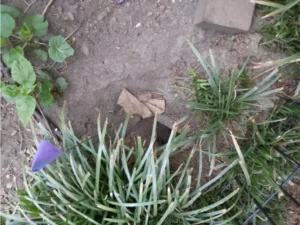
You’ll often find burrows along walls, under concrete slabs, beneath buildings, or in areas with thick vegetation.
Rats like to dig where they have some protection from above.

Look for worn paths leading to and from the burrow entrance. Rats use the same routes repeatedly, which creates visible trails in grass or dirt.
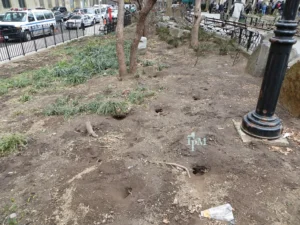
You might see loose dirt piled near the entrance, especially if the burrow is newly dug. As rats excavate, they push soil out of the tunnel.
How Deep Rat Burrows Go and How Complex They Get
Rat burrow systems can be surprisingly elaborate. A single burrow might have multiple chambers connected by tunnels, with several different entrance and exit holes.
The main tunnel usually extends 12 to 18 inches below the surface, though some burrows go even deeper.
Rats will dig as deep as they need to reach below the frost line or avoid detection.
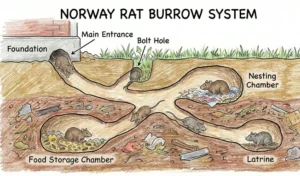
A typical burrow system includes a main nest chamber where rats sleep and raise young. This chamber is usually the deepest part of the burrow.
You’ll also find food storage areas where rats stockpile food they’ve gathered. These chambers help rats survive when food is scarce.
Most burrows have at least two entrance holes. This gives rats an escape route if a predator finds one entrance. Some large burrow systems have five or more openings.
The tunnels connecting these chambers can stretch 10 to 20 feet or more.
Large rat colonies might have interconnected burrow systems that cover significant areas.
Where Are Rats Most Likely to Burrow?
Rats choose burrow locations carefully. They want spots that offer food, water, and protection all in one place.
You’ll commonly find rat burrows along the foundation of buildings. The structure provides overhead protection, and rats can easily access the building through cracks or gaps.

Garden areas are popular burrowing spots because they offer loose soil for digging, vegetation for cover, and often a steady food supply from plants, seeds, or compost.
Under sheds, decks, and porches are ideal locations. These structures give rats a roof over their burrows while keeping them hidden from view.
Near garbage areas or compost bins, you’ll often find burrows. Rats dig where food is readily available, and trash provides an endless supply.
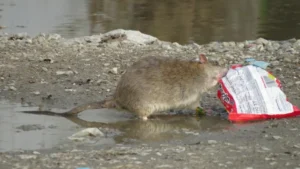
Along fence lines and in thick vegetation, rats feel protected while digging. The plants hide their activities and provide cover when they come and go.
How to Tell If a Rat Burrow Is Active or Abandoned
Not all holes in your yard are rat burrows. Here’s how to tell if rats are actually living in those holes you’ve found.
Active burrows have smooth, clean entrances without cobwebs or debris blocking them. Rats constantly use their burrows, which keeps the entrances clear.
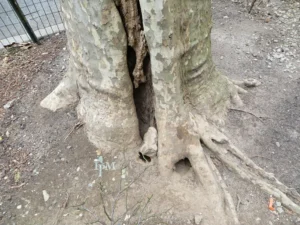
Look for fresh dirt near the opening. If you see loose soil that looks recently disturbed, rats are probably still digging or maintaining the burrow.
Check for tracks or tail marks in the dirt around the entrance. Rat feet leave small prints, and their tails sometimes drag, leaving distinctive marks.
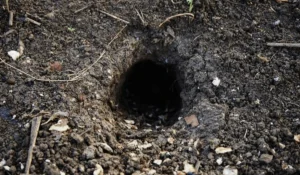
You might see rat droppings near burrow entrances. Fresh droppings are dark and moist, while old droppings are gray and crumbly.
Try the flashlight test at dusk. Shine a light into the hole. If rats are active, you might see movement or hear scurrying sounds.
How Rat Burrows Differ From Holes Made by Other Animals
Many animals dig holes in yards, so it’s important to identify what you’re dealing with before taking action.
Rat holes are 2 to 4 inches wide with smooth, clean edges. Chipmunk holes are only about 1 inch wide and often have small piles of shells or seeds nearby.
Groundhog holes are much larger than rat holes, typically 10 to 12 inches across. They also have large mounds of dirt at the entrance.
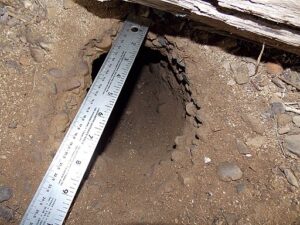
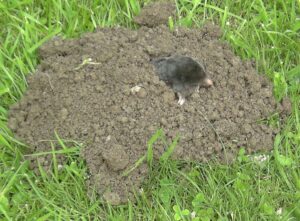
Mole tunnels create raised ridges in your lawn but don’t usually have obvious entrance holes. Moles dig just beneath the surface, pushing up soil as they go.
Snake holes are usually existing burrows that snakes have moved into rather than dug themselves. They won’t show signs of fresh digging like rat burrows do.
How Many Rats Live Can in One Burrow?
A single rat burrow doesn’t mean you have just one rat. Rats are social animals and often live in colonies.
A typical rat burrow might house a family group of 5 to 10 rats. This usually includes a breeding pair and their offspring from multiple litters.
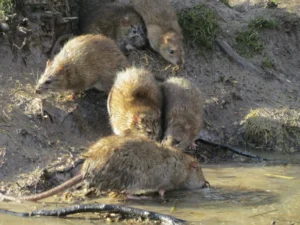
Large, established burrow systems can support colonies of 50 or more rats. These extensive networks develop over months or years as rat populations grow.
When food is plentiful, rat populations can explode quickly. A female rat can have up to 12 babies in a litter and can get pregnant again almost immediately after giving birth.
This means one small burrow in spring can turn into a major infestation by fall if left unchecked.
What Happens Inside Rat Burrows?
Rat burrows aren’t just simple holes. They’re complex homes with different areas for different purposes.
The nest chamber is lined with soft materials like shredded paper, fabric, grass, or insulation. Rats make their sleeping areas as comfortable as possible.
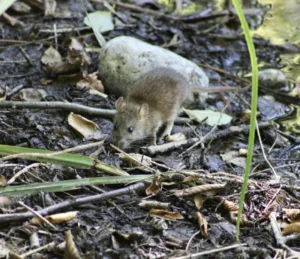
Food storage chambers hold seeds, grains, and other items rats have collected. They’ll bring food back to the burrow rather than eating everything where they find it.
Some burrows even have separate bathroom areas. Rats are actually quite clean animals and prefer to keep waste away from their sleeping and eating spaces.
Rats maintain their burrows constantly. They’ll dig new tunnels, repair collapsed sections, and keep entrances clear of obstacles.
Why Rats Burrow Near Your Home
Your home provides everything rats need to thrive, which is why they dig burrows as close to houses as possible.
Foundations offer solid overhead protection for burrow systems. Rats feel safe digging against a structure because it limits the directions predators can approach from.
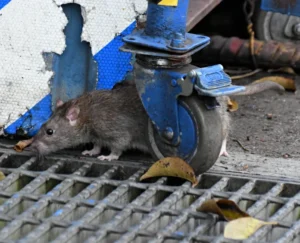
Buildings leak heat, especially around foundations and basement walls. This warmth makes nearby burrows more comfortable, particularly in winter.
Your home also means easy access to food. Rats can travel from their burrows into your house through tiny gaps, cracks, or holes in the foundation.
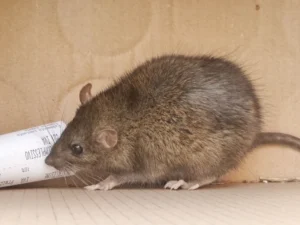
Gardens and landscaping around homes provide excellent cover for burrow entrances. Rats can come and go without being seen, hidden by bushes, mulch, or decorative plants.
The Real Damage Rat Burrows Can Cause Over Time
Rat burrows aren’t just unsightly. They can actually damage your property in several ways.
Burrows under foundations can compromise structural integrity over time.
The tunnels remove soil support and can lead to settling, cracks, or even foundation failure in extreme cases.
Sidewalks, patios, and driveways can sink or crack when rats burrow underneath them. The empty space created by tunnels eventually causes the surface to collapse.
Burrows can damage underground utilities.
Rats sometimes dig through irrigation lines, electrical conduits, or even crack sewer pipes while excavating their tunnels.
In gardens, rat burrows can damage plant roots and create entry points for water to collect. This can lead to soggy spots and plant death.
The holes themselves are tripping hazards.
People and pets can step into burrow entrances and injure themselves, especially if the holes are hidden by grass or vegetation.
How to Find Hidden Rat Burrows in Your Yard
If you suspect rats are burrowing on your property, a systematic search will help you locate their tunnels.
1. Walk your property line and foundation carefully.
Look along walls, fences, and anywhere structures meet the ground. These are prime burrowing spots.
2. Check under bushes, in dense vegetation, and around the base of trees.
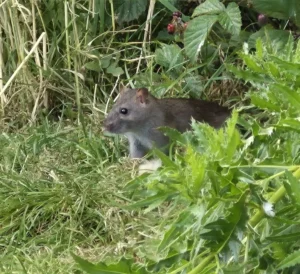
Rats like cover while they dig, so they often burrow where plants provide concealment.
3. Inspect areas near water sources like hoses, fountains, or drainage areas.
Rats need water daily and prefer to burrow near reliable sources.
4. Look around storage areas, compost bins, and anywhere you keep garbage.
Food sources attract rats, and they’ll burrow nearby for easy access.
5. Early morning or dusk are the best times to spot active burrows.
Watch for rats entering or leaving holes during their most active hours.
What Attracts Rats to Burrow in Your Yard?
Understanding what draws rats helps you make your property less appealing for burrowing.
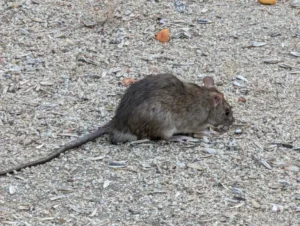
- Food availability is the biggest factor. If you have bird feeders, vegetable gardens, fruit trees, or accessible garbage, rats will move in.
- Water sources like leaky hoses, pet water bowls, or ponds provide the hydration rats need. They can’t survive long without water.
- Shelter opportunities like thick vegetation, brush piles, or stacked materials give rats places to hide while they dig their burrows.
- Loose, easy-to-dig soil makes burrowing simpler. Sandy or loamy soil is easier for rats to excavate than hard clay or rocky ground.
- Lack of predators makes your yard feel safe. If rats don’t see or smell natural predators like cats or dogs, they’re more likely to settle in.
How Fast Can Rats Dig Burrows?
Rats are surprisingly quick diggers when they want to be. A single rat can excavate a simple burrow with one entrance in just a few hours.
More complex burrow systems with multiple chambers and tunnels take longer.
A small colony might take several days to a week to create an elaborate tunnel network.
Rats dig faster in soft, loose soil.
Hard-packed clay or rocky ground slows them down considerably.
They typically dig most actively at night when they feel safer from predators.
You might not notice a new burrow until it’s already well-established.
Once a burrow system exists, rats constantly expand and modify it.
They’ll add new tunnels, create additional exits, or dig deeper chambers as needed.
How to Stop Rats From Burrowing in Your Yard
The best approach is stopping rats from digging in the first place. Prevention is always easier than elimination.
- Remove food sources by securing garbage in sealed bins, cleaning up fallen fruit, and taking down bird feeders if you have a rat problem.
- Eliminate hiding spots by keeping vegetation trimmed, removing brush piles, and clearing away junk or stored materials where rats might hide.
- Fix water leaks and remove standing water. If rats can’t find water easily, your yard becomes less attractive.
- Fill existing holes immediately with steel wool and concrete or expanding foam. Don’t just cover them with dirt, as rats will simply re-dig.
- Install hardware cloth barriers around foundations, under decks, and along fence lines. Bury the mesh at least 12 inches deep to prevent rats from digging under it.
- Keep your lawn mowed short. Rats prefer tall grass and weeds that hide them while they move around. Short grass exposes them to predators.
Conclusion
Rats definitely burrow in the ground, and Norway rats are particularly skilled at creating complex underground tunnel systems.
These burrows provide rats with shelter, safety, and a place to raise their young while staying close to food and water sources.
If you find burrows in your yard, don’t ignore them. Rat populations grow quickly, and a small problem can become a major infestation in just a few months.
The key is acting fast when you spot signs of burrowing, removing what attracts rats to your property, and making your yard less suitable for digging.
If you’re dealing with established burrows and active rat colonies, professional pest control might be your best option for complete elimination.

Hi, my name is Ezra Mushala, i have been interested animals all my life. I am the main author and editor here at snakeinformer.com.