
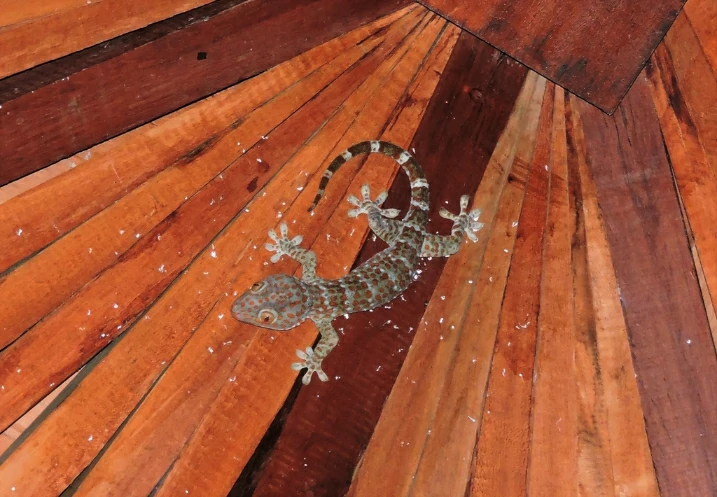
You’ve probably seen a gecko dart across a wall and disappear before you can even blink. It’s almost like it teleported, right? But just how fast are geckos, really? Can these little lizards actually run fast?
Most geckos can move surprisingly fast for their size, some reaching about 5 to 6 feet every second. They use strong legs, sticky toes, and lightning-fast reflexes to escape predators or catch insects before they get away. That might not sound super fast compared to a cheetah, but for a tiny lizard, it’s actually pretty amazing.
How Geckos Use Speed to Stay Safe in the Wild
Out in the wild, being fast can mean the difference between life and death. Geckos are small, so snakes, birds, and even bigger lizards see them as a snack.
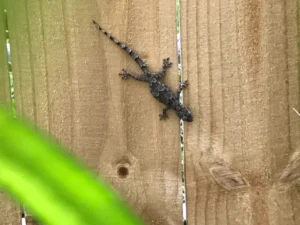
When a predator spots one, a gecko’s first move is to run. Its body tenses, legs push hard against the surface, and in a flash, it’s gone.
And geckos don’t just run straight, they zigzag, stop suddenly, and dash off again. This confuses predators that follow movement to catch prey.
Sometimes geckos use speed to reach safety, like diving into cracks or hiding under leaves.
Other times, they rely on it to grab insects that jump or fly away fast. So being quick isn’t just about running, it’s about reacting faster than almost anything around them.
How Fast Are Geckos, Really?
You might be wondering, if geckos look that fast, what’s their actual speed?
Researchers have measured many geckos moving around 1.5 to 2 meters per second. That’s about 5 to 6.5 feet every second.
To put it in perspective, if a human could move that fast compared to their body size, they’d sprint at over 60 miles per hour. That’s faster than Usain Bolt!
Of course, geckos don’t run at full speed all the time. House geckos, for example, usually move in short bursts, quick runs followed by pauses.
This stop-and-go pattern helps them stay alert and ready to react if danger suddenly appears.
What Makes Geckos So Fast?
Geckos may look small and fragile, but their bodies are built for quick movement. A few things give them their speed:
-
Lightweight Bodies: They’re small and light, so they can speed up quickly.
-
Strong Leg Muscles: Even if their legs look thin, they pack a lot of power for short sprints.
-
Flexible Joints: Their legs move easily, letting them grip and release surfaces fast.
-
Sticky Toes: Those famous toe pads aren’t just for climbing, they help them hold on while running, even on walls.
Basically, their bodies are like tiny sports cars built for short bursts of speed, not long races.
Do All Geckos Run at the Same Speed?
Not at all. Some geckos are natural sprinters, while others move slower and rely on hiding instead of running.
For example:
-
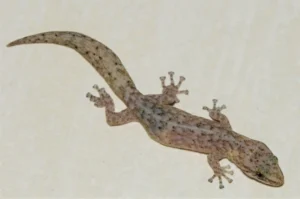
House Geckos (Hemidactylus): Very fast on walls and ceilings, often chasing insects.
-
Leopard Geckos (Eublepharis macularius): Mostly on the ground, slower but steady.
-
Day Geckos (Phelsuma): Move quickly through trees, using speed and agility to avoid birds.
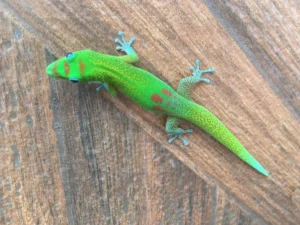
So it depends on the type of gecko. Tree-living geckos tend to be faster and more agile than ground-dwelling ones.
How Geckos Keep Their Grip While Running
Here’s something amazing: geckos don’t slow down when they run up walls or even across ceilings.
How do they stay stuck? Their toes are covered in millions of tiny hair-like structures called setae. Each seta splits into hundreds of smaller ends that create a weak electric force called van der Waals force. It’s kind of like static cling, but much stronger.

This tiny grip works so well that a gecko can run upside down without slipping.
Even at high speed, they lift and place their feet quickly so the grip stays. Scientists have studied this for years, and engineers have copied it for climbing robots.
How Fast Reflexes Help Geckos Stay Alive
It’s not just about running, it’s also about reacting. Geckos have incredibly fast reflexes.
When something moves near them, their muscles react almost immediately, even before the brain fully processes it. This split-second edge helps them dart away or turn mid-run.
If you’ve ever tried to catch a house gecko, you know how tricky it is. You move your hand, and by the time you blink, it’s already under the table or behind the curtain. That’s how fast their reflexes are.
What Happens When Geckos Run on Different Surfaces?
Geckos can handle a surprising range of surfaces, smooth glass, rough bark, even dusty walls. But each one changes how they move.
On smooth surfaces like glass, their sticky toes do most of the work. On rough surfaces, they rely more on claws and muscles. On sandy or dusty areas, they move slower since traction drops.
Even if their feet get a little dirty, geckos can clean them mid-run by rubbing one foot against another. That keeps their grip strong so they can stay fast in tricky spots.
Can Geckos Get Tired From Running Too Fast?
Yes, they can. Geckos are built for short bursts of speed, not long runs.
After a few seconds of sprinting, they usually stop to rest. Their muscles heat up fast, and since they’re cold-blooded, they can’t cool down easily without pausing.
In the wild, this works fine, they rarely need to run long. A quick dash into cover or up a wall is usually enough.
Once the threat is gone, they flatten their body and stay still until it’s safe to move again.
How Baby Geckos Compare to Adults in Speed
Baby geckos, or hatchlings, are smaller but still move fast. Right after hatching, they’re agile enough to escape predators.
Their legs are shorter, but their light bodies help them speed up quickly.
As they grow, muscles get stronger and coordination improves. Adults are a bit heavier, which can slow them slightly, but both young and adult geckos rely on quickness to survive.
How Geckos Use Their Tails When Running
If you watch closely, a gecko’s tail moves side to side when it runs. That helps with balance.
Tails act like a counterweight, especially when making sharp turns or climbing fast.
If a predator grabs the tail, many geckos can drop it (a process called autotomy) and keep running. The tail keeps moving, distracting the predator while the gecko escapes.
Growing a new tail takes time and energy, but for a gecko, staying alive comes first.
Are Some Geckos Faster in Hotter Climates?
Yes, temperature matters. Geckos are cold-blooded, so their muscles work faster when they’re warm. In cooler weather, they slow down.
Researchers found that tropical geckos almost double their speed when their body temperature reaches about 30–32°C (86–90°F).
Too much heat can be harmful, so they stick to a comfortable range.
Basically, a warm gecko is a fast gecko.
Do Geckos Use Speed to Hunt Insects?
Yes, absolutely.
Many geckos hunt at night and rely on short bursts of movement to catch insects. They’ll stalk quietly for a few seconds, eyes on the target, tail twitching.
Then, with a sudden dash, they pounce, mouth open, aiming precisely. The whole move happens in less than a second. That short burst helps them surprise fast insects like moths or crickets.
How Geckos Compare to Other Lizards in Speed
Compared to other lizards, geckos are moderate sprinters. Some, like whiptail lizards, run faster on flat ground. But geckos win when it comes to climbing or moving upside down.
A whiptail might outpace a gecko on the ground, but it can’t climb a wall at full speed. Geckos’ raw speed might not break records, but their ability to move anywhere gives them an edge.
Do Geckos Ever Fall While Running?
It happens, but rarely. Their grip is strong.
Accidents can occur, especially if the surface is wet or dusty. When they fall, geckos spread their limbs wide, which slows them down before landing.
Most small geckos can survive short drops easily because of their light bodies and flexible joints.
Some even twist midair to land on their feet, like cats do. Falling is possible, but rarely dangerous unless it’s from extreme heights.
How Humans Have Learned From Gecko Speed and Grip
Scientists have been fascinated by geckos for years, especially their sticky toes. Engineers have copied this to make robots and sticky materials.
One robot design uses a structure like gecko toes to climb walls. Others copy how geckos lift and place their feet quickly, using tiny fibers to grip and release surfaces.
It’s amazing that a small lizard can inspire climbing technology for humans.
The Role of Speed in Gecko Behavior
Speed isn’t just physical, it’s part of how geckos act. When threatened, they don’t stop to think; they react. Their instincts are built for sudden bursts of action.
Even during fights, males may chase each other in quick dashes, showing off how fast and strong they are. That burst of movement often decides who wins and who backs down.
Conclusion
Geckos might not run for miles, but when it comes to speed, quick reflexes, and agility, they’re some of nature’s fastest movers.
Their light bodies, strong legs, and sticky toes let them sprint across almost any surface (from walls to ceilings)without slowing down.
Whether escaping predators, catching insects, or darting away from a curious human hand, their speed is what keeps them alive.
So, the next time you see one vanish up a wall before you can even react, remember, it’s not magic. It’s just pure, perfectly evolved speed in a tiny package.

Hi, my name is Ezra Mushala, i have been interested animals all my life. I am the main author and editor here at snakeinformer.com.