
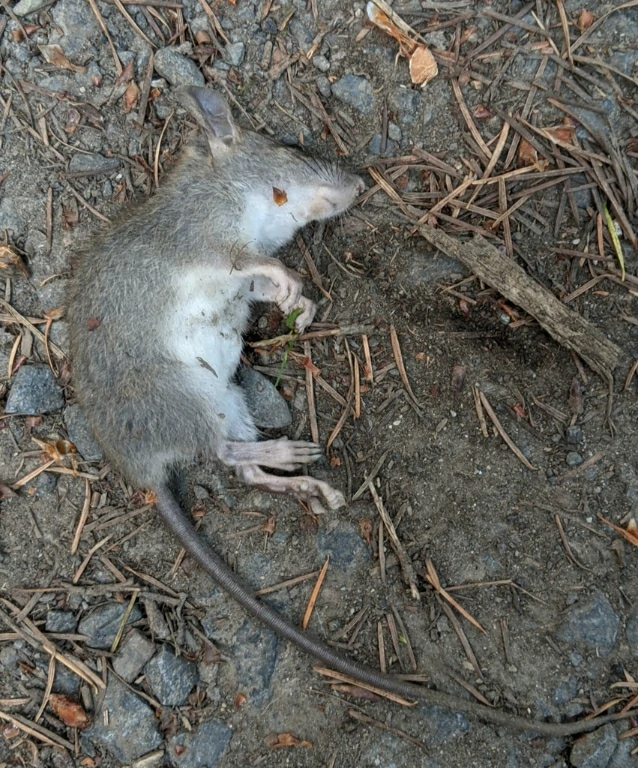
If you’ve found a dead rat in your home or yard, you might be worried that it’ll bring even more rats to your property. This is a common concern, especially if you’re already dealing with a rat problem. The smell of a dead animal can be really strong, and it’s natural to wonder if that smell is like a dinner bell for other rats. So, do dead rats actually attract more rats?
Dead rats don’t usually attract more rats. In fact, rats typically avoid areas where they smell dead rats because it signals danger. However, the conditions that led to the rat’s death (like available food, water, and shelter) will continue to attract other rats to the same area.
While the dead rat itself isn’t a magnet for other rats, you’re not out of the woods yet. The real problem is that if one rat found your property attractive enough to live (and die) there, other rats probably will too.
Why Rats Usually Avoid Dead Rats
Rats are actually pretty smart when it comes to survival. When they smell a dead rat, their first instinct is usually to stay away, not move closer.
This makes sense when you think about it. A dead rat means something dangerous happened in that spot. It could’ve been a predator, poison, a trap, or disease. Rats don’t know exactly what killed their buddy, but they know it’s not a safe place to hang around.
In the wild, rats use scent signals to communicate danger to each other. The smell of a dead rat is basically a warning sign that says “something bad happened here, stay away.” This survival instinct has kept rats alive as a species for thousands of years.
Still, this doesn’t mean rats will never come near a dead rat. If the dead rat is blocking the only path to food or their nest, they might just hold their breath and run past it. But they won’t be happy about it.
When Dead Rats Might Attract Other Pests
Even though dead rats don’t usually attract more rats, they can definitely attract other unwanted visitors to your property.
Flies are often the first to show up. They can smell a dead rat from really far away and will come to lay their eggs on the body. Within days, you could have a maggot problem on top of your rat problem.
Other scavengers might also be interested. Depending on where you live, animals like opossums, raccoons, or even neighborhood cats might be drawn to the smell. These animals see a dead rat as an easy meal.
Beetles and other insects that feed on dead animals will also show up. While these bugs are just doing their job in nature, you probably don’t want a bunch of them hanging around your home.
The Real Problem: What Attracted the Rat in the First Place
Here’s the thing you really need to worry about. That dead rat didn’t just randomly pick your property to die on. It was living there because it found everything it needed to survive.
Rats need three basic things: food, water, and shelter. If your property has all three, you’re basically running a rat hotel. The dead rat might be gone, but the welcome mat is still out for the next one.
Food sources can include pet food left outside, bird seed that falls from feeders, fruit that drops from trees, garbage that isn’t properly secured, or even grease around outdoor grills. Rats aren’t picky eaters. If it has calories, they’ll eat it.
Water is just as important. Leaky outdoor faucets, pet water bowls, bird baths, clogged gutters, or even puddles that form after rain can all provide the water rats need.
Shelter is the third piece of the puzzle. Rats love cluttered areas where they can hide and build nests. This includes piles of wood, dense bushes, tall grass, storage sheds, spaces under decks, and gaps in your home’s foundation.
What Happens If You Don’t Remove a Dead Rat
Leaving a dead rat to decompose on its own is a really bad idea for several reasons.
The smell is the first thing you’ll notice. A dead rat can produce an incredibly strong, nasty odor that gets worse over time. This smell can seep into your walls, floors, and belongings. Even after you remove the rat, the smell might stick around for weeks.
Then there’s the health risk. Dead rats can carry diseases that spread through the air or through contact. As the body breaks down, bacteria and pathogens can contaminate the area around it.
The decomposition process also attracts all those other pests we talked about earlier. You’ll end up with a secondary infestation of flies, maggots, and beetles. These insects can then spread throughout your home.
If the rat died inside your walls or ceiling, the problem gets even worse. You might not be able to reach it easily, but you’ll definitely smell it. The odor can fill your entire house and make it really unpleasant to live there.
How to Properly Handle a Dead Rat
If you find a dead rat, you need to remove it quickly and safely. Don’t just grab it with your bare hands.
First, put on protective gear. You should wear rubber or latex gloves, and ideally a face mask too. This protects you from any diseases the rat might be carrying.
Use a plastic bag to pick up the rat. Turn the bag inside out over your hand like a glove, grab the rat, then pull the bag right-side out so the rat is inside. Tie the bag closed tightly.
Put that bag inside a second bag for extra protection. This is called double-bagging, and it helps contain the smell and any bacteria.
Throw the sealed bags in your outdoor trash can. Don’t put them in your kitchen trash or anywhere inside your home.
After you’ve removed the rat, clean the area where it was. Use a disinfectant cleaner or a bleach solution (one part bleach to ten parts water). Spray the area thoroughly and let it sit for at least ten minutes before wiping it up.
Wash your hands really well with soap and hot water, even though you wore gloves. It’s better to be extra careful when dealing with dead animals.
Signs That More Rats Are Still Around
Just because you found one dead rat doesn’t mean your rat problem is solved. You need to look for signs that other rats are still living on your property.
Rat droppings are one of the most obvious signs. Fresh droppings are dark, shiny, and soft. Old droppings are gray, dull, and crumbly. If you’re seeing fresh droppings, you definitely have active rats.
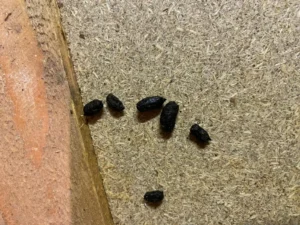
You might also notice gnaw marks on wood, plastic, or even electrical wires. Rats need to constantly chew to keep their teeth from growing too long. These marks usually look like parallel grooves.
Listen for sounds, especially at night when rats are most active. You might hear scratching, scurrying, or squeaking in your walls, ceiling, or attic.
Look for greasy rub marks along walls and baseboards. Rats have oily fur, and when they repeatedly use the same paths, they leave behind dark, greasy smears.
Check for rat runs or paths in your yard. Rats are creatures of habit and use the same routes over and over. These paths might look like narrow trails through grass or vegetation.
How to Actually Keep Rats Away
If you want to make sure more rats don’t move in after one dies, you need to make your property less attractive to them.
Remove all food sources. Store pet food in sealed containers and don’t leave it outside overnight. Clean up any fruit that falls from trees. Keep your garbage in bins with tight-fitting lids. Clean your grill after each use.
Get rid of water sources. Fix any leaky faucets or pipes. Empty standing water from containers. Keep gutters clean so water doesn’t pool. Bring pet water bowls inside at night.
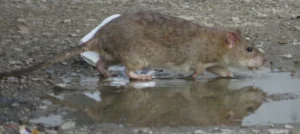
Eliminate hiding spots and shelter. Trim bushes and trees away from your house. Keep your grass cut short. Remove piles of wood, leaves, or debris. Store items in your shed or garage on shelves, not on the floor.
Seal up entry points to your home. Rats can squeeze through holes as small as a quarter. Check your foundation, walls, and roof for gaps and seal them with steel wool and caulk. Make sure your door sweeps fit tightly.
Consider setting traps if you think you still have rats. Snap traps work well if you place them along walls where rats travel. Bait them with peanut butter or dried fruit.
When to Call a Professional
Sometimes a rat problem is too big to handle on your own. There’s no shame in calling in the experts.
If you keep finding dead rats or see live rats frequently, you probably have a serious infestation. One or two rats can quickly turn into dozens because rats breed really fast.
If you can’t find where rats are getting into your home, a professional can do a thorough inspection. They have the experience to spot entry points you might miss.
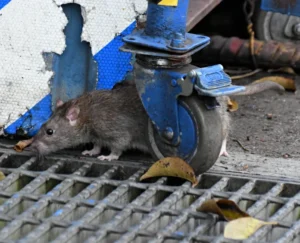
When rats have died in your walls or other hard-to-reach places, professionals have the tools and knowledge to remove them safely. They can also clean and decontaminate the area properly.
If you’ve tried everything and rats keep coming back, there might be something you’re missing. A pest control expert can identify the problem and come up with a long-term solution.
The Bottom Line on Dead Rats and Attraction
Dead rats themselves don’t typically attract more rats. In fact, they usually do the opposite and scare other rats away because they signal danger.
But here’s what you need to remember: if one rat found your property attractive enough to live there, more rats will probably feel the same way. The dead rat isn’t the problem. The real problem is whatever made your property seem like a good place for rats to live in the first place.

Your job is to figure out what attracted that rat and fix it. Remove food sources, eliminate water, get rid of shelter, and seal up entry points. Only then can you be confident that you won’t have more rats showing up.
Conclusion
A dead rat on your property is definitely not pleasant, but it’s not going to attract a swarm of new rats. Rats actually tend to avoid areas where they smell dead rats because it signals danger to them.
The bigger concern is addressing why that rat was on your property to begin with. If you had one rat, you probably have the conditions that attract them, which means more could show up.
Remove the dead rat quickly and safely, then focus on making your property less attractive to rats. Clean up food sources, eliminate water, remove hiding spots, and seal entry points. If you do all of this, you can break the cycle and keep your property rat-free.

Hi, my name is Ezra Mushala, i have been interested animals all my life. I am the main author and editor here at snakeinformer.com.