Do Copperhead Snakes Really Smell Like Cucumbers?
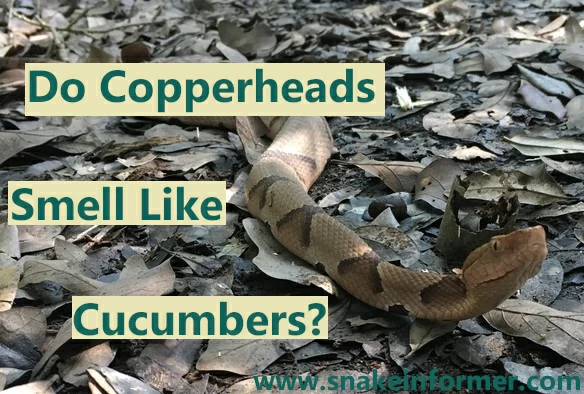
Do Copperhead Snakes Smell Like Cucumbers?

Copperheads are heavy-bodied snakes found in the eastern and central portion United States. A common belief about these snakes is that they smell like cucumbers, but is there any truth to this? Copperhead snakes do not really smell like cucumbers. While they can produce a musk as a defensive measure, that musk does not smell … Read more
Do Copperhead Snakes Climb Trees?

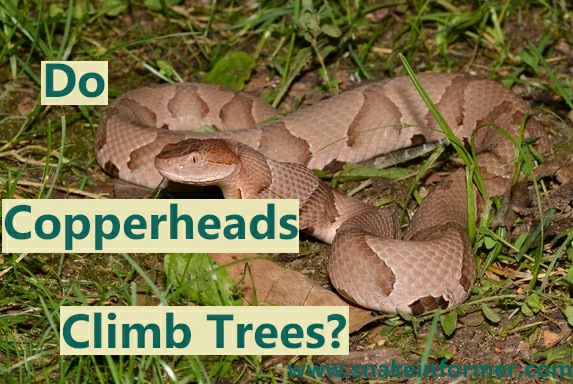
Do Copperhead Snakes Climb Trees?

Copperheads are thick-bodied snakes found in the eastern portion of North America. These snakes spend most of their time on the ground, but they can utilize a broad range of habitats, at least occasionally. Copperhead snakes can and do climb low trees or shrubs for various reasons, such as hunting, thermoregulation, escaping predators on the … Read more

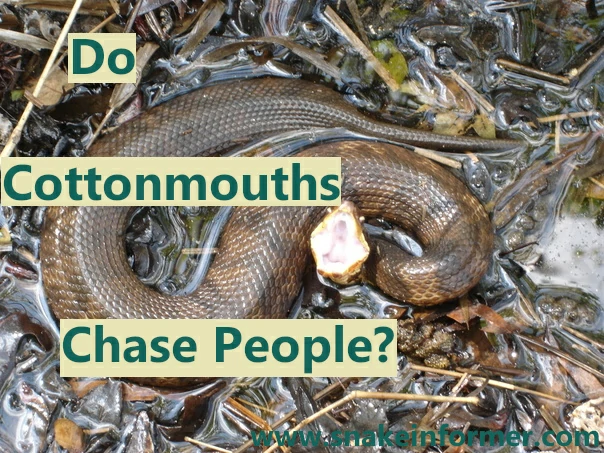
Do Cottonmouth Snakes Really Chase People?

Do Cottonmouth Snakes Chase People?

Cottonmouths ( also known as water moccasins ) are stocky snakes, found in the southeastern United States. One common belief about these snakes is that they are very aggressive, even to the point of “chasing” people. But is there any truth to this? Cottonmouths do not actually chase people. These snakes are defensive, but not … Read more

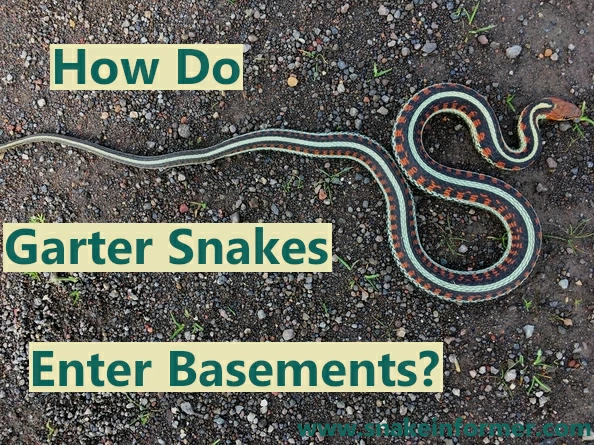
How Do Garter Snakes Get In Your Basement?

How do garter snakes enter basements?

Garter snakes are medium-sized snakes easily recognizable by the distinctive stripes running lengthwise along their scales. They are usually found in forest areas but often wander into people’s backyards and basements. Garter snakes can not dig, so the only way they can enter basements is through open spaces. This could be through cracks or openings … Read more

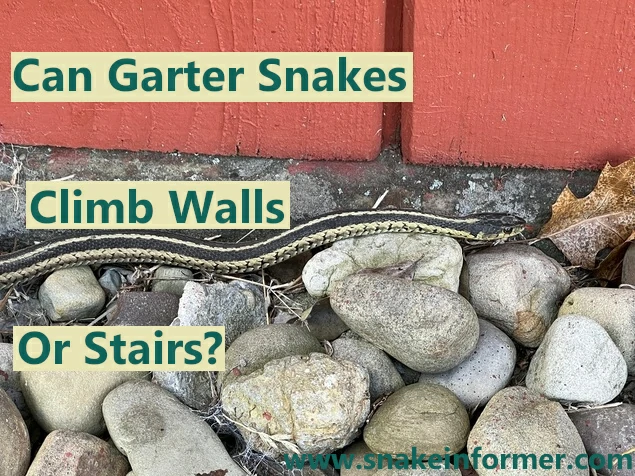
Can Garter Snakes Climb Up Walls Or Stairs?

Can Garter Snakes Climb Up Walls Or Stairs?

Garter snakes are among the most widespread snakes in North America. They prefer to live in grassy forest areas, often near water – but sometimes wander into people’s backyards. Garter snakes can climb short walls, and even stairs, as long as they have gaps, rough surfaces, or small footholds to grab onto. Snakes do not … Read more

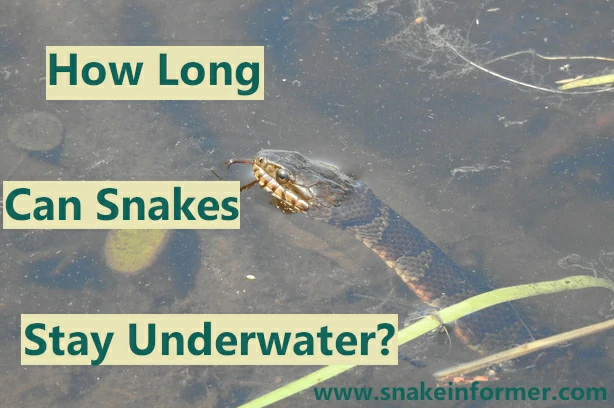
How Long Can Snakes Stay Underwater?

How Long Can Snakes Stay Underwater?

All snakes can swim to some extent, and many can dive underwater to hunt for food. But how long can snakes stay underwater? Generally, most terrestrial snakes can stay underwater for 1 to 10 minutes, while more aquatic snakes such as water snakes can stay submerged for up to 30 minutes. Sea snakes have specialized … Read more

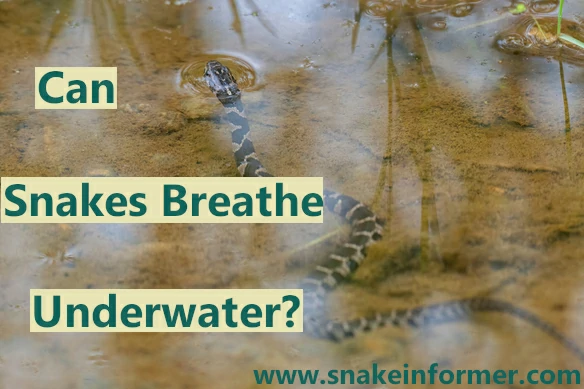
Can Snakes Breathe Underwater?

Can Snakes Breathe Underwater?

Snakes are among the most common reptiles in the world, and can be found on every continent, except Antarctica. These animals will occasionally venture into the water to hunt for prey, or even just to move around their environments. Generally, snakes can not breathe underwater. They are air-breathing reptiles, and can only stay underwater for … Read more

Can All Snakes Climb Trees?

Snakes are the most abundant reptiles after Lizards and can be found in various habitats. But have you ever wondered if all snakes can climb trees? Many snakes can climb trees to some extent, but some are better climbers than others. A snake’s ability to climb trees is mainly influenced by its body structure and … Read more

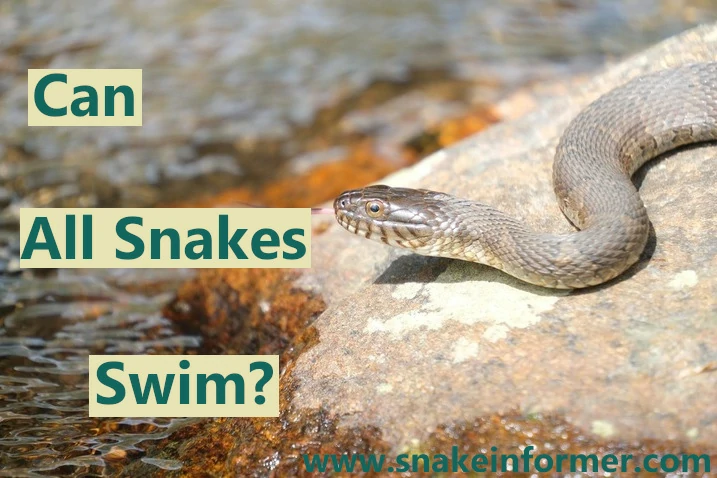
Can All Snakes Swim?

There are over 4,000 identified snake species worldwide, found in a wide variety of habitats, from rain forests to mountainous areas to dry regions. Different snake species have adapted to their environments and specialize in moving over the terrain most common in their habitats. Generally, all snakes can instinctively swim from the moment of their … Read more

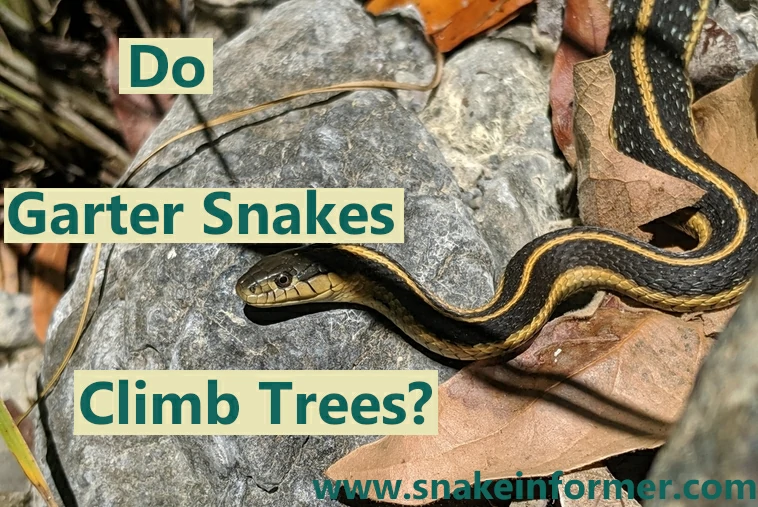
Do Garter Snakes Climb Trees?

Do garter snakes climb trees?

Garter snakes are among the most common snakes in North America. They are usually found in forest areas but can exploit many habitats. Although largely terrestrial, garter snakes occasionally climb low trees or shrubs for various reasons, such as hunting, basking in the sun, escaping predators, and avoiding dangers on the ground such as flooding. … Read more