Do Salamanders Burrow?

Do Salamanders Burrow?
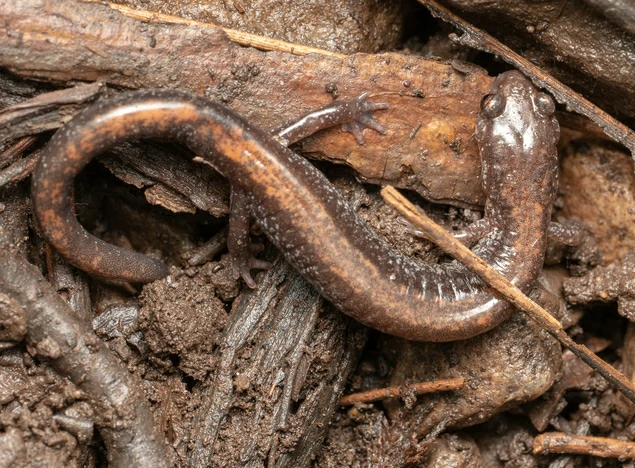
Salamanders are fascinating little animals that often spark curiosity. These creatures belong to the amphibian family, just like frogs and toads. And one common question many people ask is whether salamanders burrow underground like moles. Yes, some salamanders do burrow, but not all of them. Many species of salamanders dig into the ground or use … Read more
Do Salamanders Breathe Through Their Skin?

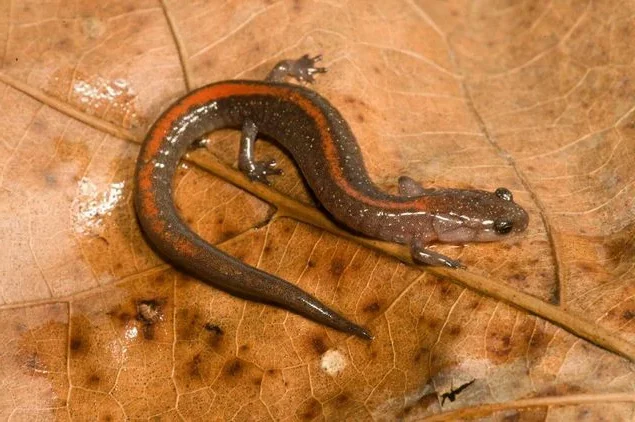
Ozark Zigzag Salamander on a brown leaf

Salamanders are some of the most unusual animals on Earth. These small, slippery creatures belong to a group called amphibians, just like frogs and toads. But salamanders are different in many ways. Salamanders can breathe in four different ways: with lungs, with gills, through their skin, and even through the lining of their mouth and … Read more

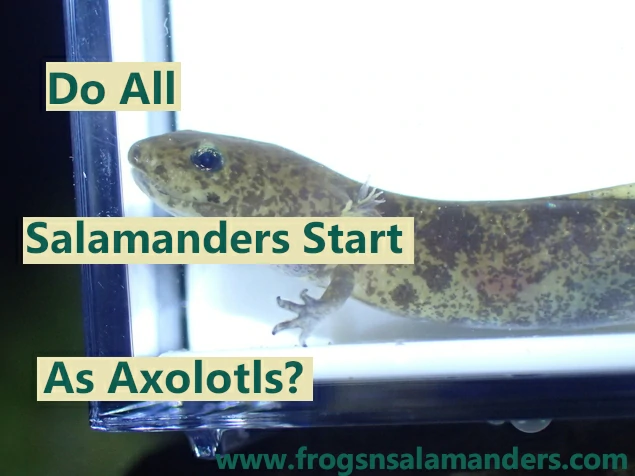
Do All Salamanders Start As Axolotls?

Do All Salamanders Start As Axolotls?

Salamanders are small, slimy animals that many people find fascinating. They live quiet lives, mostly in damp places, and they don’t make much noise, but they certainly get attention. One salamander in particular, the axolotl, has become very popular. Because of how unusual it looks and how different it acts, many people believe something that … Read more

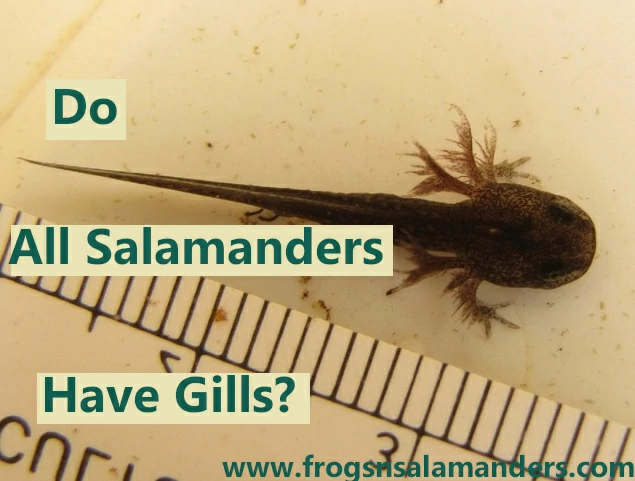
Do All Salamanders Have Gills?

Salamanders are amazing little animals that many people find interesting. They belong to a group called amphibians, just like frogs and toads. But salamanders look quite different from frogs. They have long bodies, tails, and smooth, wet skin. You’ll find them in places that stay damp, like forests, ponds, and streams. No, not all salamanders have … Read more

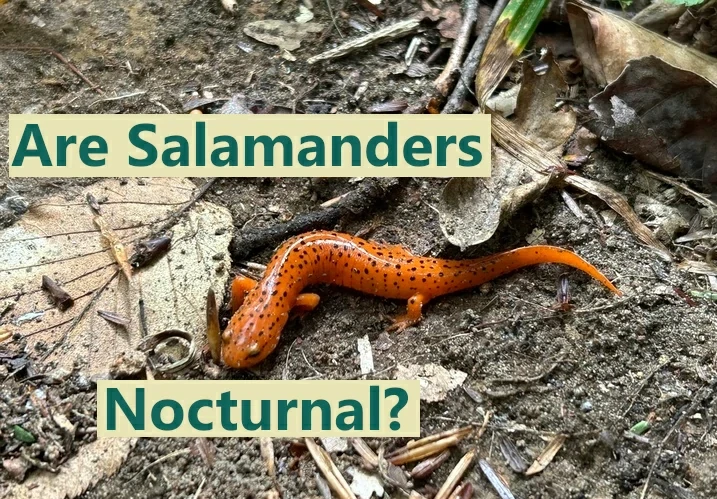
Are Salamanders Nocturnal?

Are salamanders nocturnal?

On warm rainy nights in the spring, it is common to see salamanders and other frogs migrating to breeding sites, or hunting for food. However, when the daytime comes, salamanders become harder to find. Most salamander species are either nocturnal or crepuscular and are most active at night or in the low-light hours right before … Read more

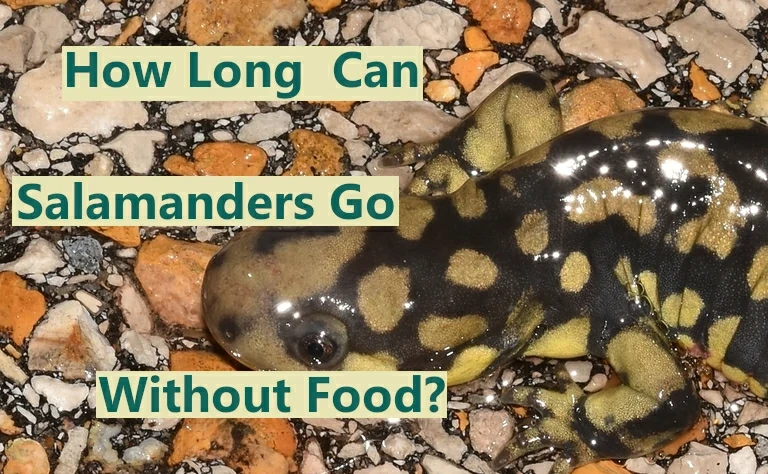
How Long Can A Salamander Go Without Eating?

How Long Can a Salamander Go Without Eating? (Explained)

Salamanders are carnivores that aren’t very picky with what they eat. Their generalist diet means salamanders can find food in the variety of habitats they live in However, despite their diverse diets, salamanders still sometimes find themselves in environments where food sources are scarce.​ So, how long can a salamander go without eating? Generally, healthy … Read more

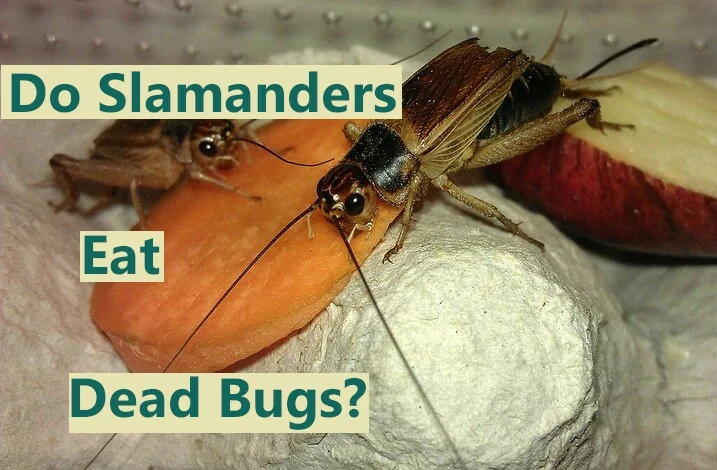
Do Salamanders Eat Dead Bugs?

Do salamanders eat dead bugs?

Salamanders are generalist carnivores that feast on worms and a wide variety of bugs. These amphibians are not picky eaters and will eat almost any prey they can catch and fit into their mouths. Salamanders are ambush predators and are instinctively attracted to movement while hunting for food. For this reason, most salamanders do not … Read more

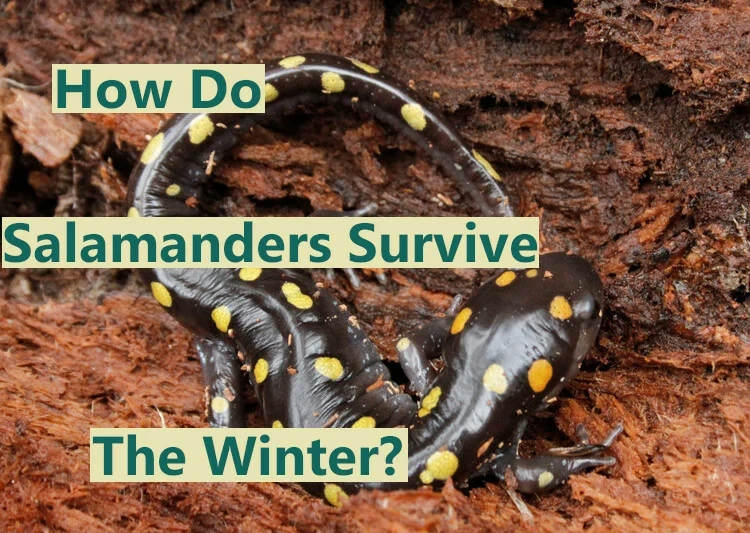
How Do Salamanders Survive Winter?

It’s common to encounter salamanders and other amphibians during the wet, warm season, but they seem to disappear during the winter. So how do these creatures survive the winter? Salamanders survive the winter by hibernating. Terrestrial salamanders hibernate in logs or underground burrows below the frost line. Many aquatic salamanders hibernate by burying themselves in … Read more

Why Do Salamanders Need Water?

Why do salamanders need water?

Many people know that most salamanders love to hang around in or near freshwater bodies, such as ponds, lakes, or streams. But have you ever wondered why salamanders need water? Salamanders need water to keep their skin moist, rehydrate, regulate their temperature, and reproduce. Salamanders are amphibians, which means they live part of their lives … Read more

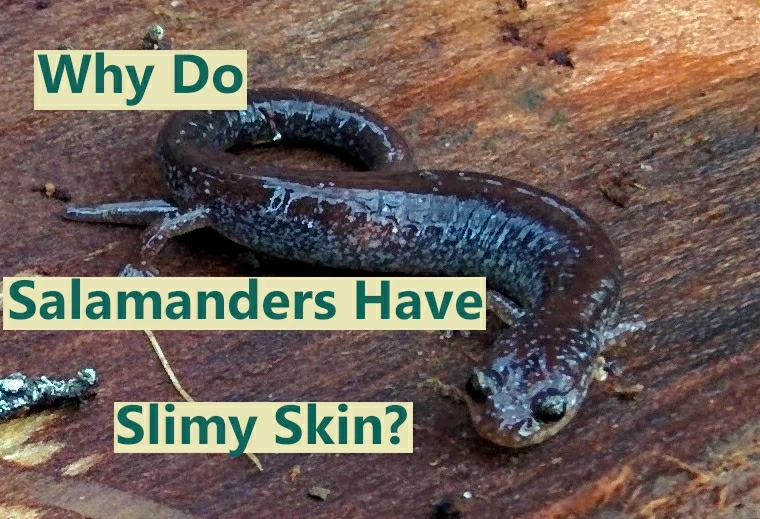
Why Do Salamanders Have Slimy Skin?

Why do salamanders have slimy skin?

Amphibians have unique skin compared to that of many other vertebrates. They use their skin to breathe, and also to ‘drink’ water.   Many salamanders feel slimy because their skin is covered in a mucous coating, which helps them keep their skin moist, enabling them to efficiently breathe through their skin. The slime also creates an environment … Read more