
If you’re breeding rats (whether for pets, feeders, or research), you’ll eventually face the question of whether siblings can breed together.
Maybe you have a great litter and want to continue the line, or you’re managing a small breeding colony and wondering about your options. Can you breed rats from the same litter?
Yes, you can physically breed rats from the same litter (siblings), and they will produce offspring. However, inbreeding like this increases the risk of genetic problems, birth defects, smaller litters, health issues, and reduced lifespan in the offspring. While one generation of sibling breeding might not show major problems, continued inbreeding over multiple generations compounds these risks significantly.
Breeding siblings is called inbreeding, and while it’s possible and sometimes done for specific purposes, it comes with risks that breeders need to understand and manage carefully.
What Happens When Siblings Breed
Rats from the same litter share approximately 50% of their DNA with each other.
When siblings breed, their offspring end up with less genetic diversity than they would from unrelated parents. This is because both parents are passing down similar genes.
The immediate offspring might look and act perfectly normal. Many first-generation inbred rats don’t show obvious problems.
But here’s the issue. When rats share so much DNA, harmful recessive genes are more likely to pair up in their offspring. Everyone carries some harmful recessive genes, but they usually don’t cause problems because they’re paired with normal versions of those genes.
In inbred offspring, both parents might pass down the same harmful recessive gene, causing it to actually express in the babies. This leads to health problems, defects, and other issues.
Common Problems from Inbreeding
Inbreeding rats from the same litter can cause various problems in the offspring.
Birth defects are more common. You might see kinked tails, missing toes, cleft palates, eye problems, or skeletal deformities.
Smaller litter sizes happen because some embryos die during pregnancy when they inherit lethal gene combinations.
Health problems increase. Inbred rats are more prone to respiratory infections, tumors, and immune system problems.

Fertility issues can develop. Inbred rats might have trouble getting pregnant, or males might have reduced sperm quality.
Behavioral problems sometimes show up. Some inbred rats are more aggressive, anxious, or have neurological issues.
Reduced lifespan is common. Inbred rats often die younger than rats from diverse genetic backgrounds.
Weaker immune systems make inbred rats more susceptible to diseases and infections.
Why People Sometimes Breed Siblings
Despite the risks, there are situations where people intentionally breed siblings.
Lab researchers sometimes use inbreeding to create genetically uniform rat lines. When all rats are genetically identical, experiments give more consistent results.
Some breeders use limited inbreeding to “fix” desired traits. If you have a litter with particularly good temperament or coloring, breeding siblings might help preserve those traits.
Feeder breeders sometimes breed siblings when they’re establishing a colony and don’t have access to unrelated rats. This is less than ideal but might be done out of necessity.
Small breeding operations with limited stock might breed siblings temporarily while they’re acquiring new, unrelated breeding rats.
The key is that intentional inbreeding is usually done with a plan to introduce new genetics later, not as a long-term strategy.
First Generation vs. Multiple Generations
The problems with inbreeding compound over generations.
First-generation inbreeding (breeding two siblings) carries some risk but might not show major problems immediately. Many of the offspring will seem normal.
Second-generation inbreeding (breeding the offspring of siblings back to each other or to their parents) significantly increases problems. You’ll start seeing more defects, health issues, and smaller litters.
Third generation and beyond is where things get really bad. Continued inbreeding over multiple generations can create rats with serious health problems, poor fertility, and shortened lifespans.
This is why even breeders who use sibling breeding once will introduce unrelated genetics within 1-2 generations. Continuous inbreeding leads to what’s called “inbreeding depression” where the overall quality of the line declines.
Coefficient of Inbreeding
Scientists measure inbreeding using something called the coefficient of inbreeding (COI).
The COI represents the probability that both copies of a gene in an individual came from the same ancestor.
For siblings, the COI of their offspring is about 25%. This means there’s a 25% chance any random gene in the baby came from the same ancestor on both sides.
A COI of 0% would be completely unrelated parents. 50% would be extremely inbred (like parent-offspring breeding repeated over generations).
Most breeders try to keep COI below 5-10% to minimize inbreeding problems. Sibling breeding immediately puts you at 25%, which is quite high.
Understanding COI helps breeders make informed decisions about which rats to breed together.
Alternatives to Breeding Siblings
If you want to continue a line without breeding siblings, there are better options.
Breed each sibling to unrelated rats from different litters. This preserves the good traits from your original litter while adding genetic diversity.
Acquire rats from other breeders and mix those genetics with your line. This is the best way to maintain diversity.
Keep detailed records of your breeding pairs so you always know which rats are related. This helps you avoid accidental inbreeding.
If you have a small colony, rotate in new breeding stock every few generations. Replace retired breeders with unrelated rats.
Outcrossing (breeding to completely unrelated rats) is the healthiest approach for most breeding programs.
Signs of Inbreeding Problems
If you’ve bred siblings, watch the offspring for signs of inbreeding issues.
Physical defects are the most obvious. Kinked tails, missing toes, misshapen skulls, or eye problems indicate genetic problems.
Failure to thrive in babies (they’re smaller, weaker, or die young) suggests lethal gene combinations.
Fertility problems in adults from inbred litters show up as difficulty breeding, small litters, or high infant mortality in their offspring.
Unusual aggression or bizarre behaviors might indicate neurological issues from inbreeding.
Increased health problems (constant respiratory infections, early tumors, chronic issues) can be inbreeding-related.
If you see these signs, definitely don’t breed those rats further. Introduce completely unrelated genetics to improve your line.
Intentional Inbreeding for Specific Purposes
Some experienced breeders use controlled inbreeding as a breeding tool.
Linebreeding is a form of mild inbreeding where you breed somewhat related rats (like cousins instead of siblings) to preserve desired traits while minimizing risks.
Inbreeding to “fix” traits involves breeding related rats for one or two generations to make certain characteristics more consistent, then outcrossing to restore vigor.
Creating distinct lines might involve some inbreeding to establish consistent characteristics, but responsible breeders always maintain multiple lines and cross between them.
The important thing is these breeders know what they’re doing, track genetics carefully, cull rats with problems, and regularly introduce new genetics.
Beginner breeders should avoid intentional inbreeding. It’s a tool for experienced people who understand genetics and can manage the risks.
Accidental Sibling Breeding
Sometimes siblings breed accidentally, especially if you don’t separate males and females early enough.
Young rats can breed as early as 5-6 weeks old, though 8-12 weeks is more common. If you don’t separate litters by sex before this, accidental breeding can happen.
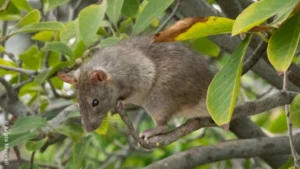
If siblings do breed accidentally, it’s not the end of the world for one litter. Watch the offspring carefully for problems, but many will be fine.
The key is not to let it happen repeatedly. Separate the siblings immediately, and don’t breed the resulting offspring back to each other or their parents.
Treat it as a one-time mistake, not the start of an inbreeding program.
Long-Term Effects on a Breeding Colony
Inbreeding affects the overall health and viability of a breeding colony over time.
A colony with too much inbreeding will gradually decline. You’ll see smaller litters, more health problems, higher infant mortality, and shorter lifespans.
Fertility problems accumulate. You might find that breeding pairs aren’t producing as many litters or that pregnancy rates drop.
Immune system problems mean disease can sweep through an inbred colony more easily.
Eventually, an inbred colony might collapse entirely as fertility drops and health problems mount.
This is why maintaining genetic diversity is so important for sustainable breeding programs.
How Wild Rats Avoid Inbreeding
In nature, rats have mechanisms to reduce inbreeding.
Young rats disperse from their birth colony once they mature. This reduces the chance of breeding with siblings.
Rats can recognize relatives by smell and often (though not always) avoid mating with close relatives when other options are available.
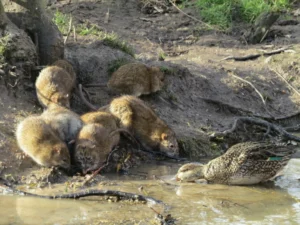
Male rats often roam between colonies, introducing new genetics.
In large wild populations, the sheer number of rats means individuals are more likely to encounter unrelated potential mates than siblings.
However, in small isolated populations (like rats on an island or in a single building), inbreeding does occur in the wild and leads to the same problems.
Genetic Rescue
If you’ve accidentally created an inbred line, you can fix it through genetic rescue.
Introduce completely unrelated rats to your breeding program. The more genetically different, the better.
Breed your inbred rats to these new, unrelated rats. The offspring will have much better genetic diversity.
Continue breeding to unrelated rats for several generations to fully restore genetic health to your line.
Cull rats that show inbreeding problems. Don’t use them for further breeding.
Within 2-3 generations of outcrossing, you should see improvement in health, litter sizes, and overall vigor.
Record Keeping Is Essential
To avoid accidental inbreeding, keeping good records is really important.
Track which rats came from which litters. Use tags, cage cards, or a computer database.
Note the parents of every litter. This lets you trace relationships and avoid breeding relatives.
Mark rats clearly so you always know who they are. Ear notches, cage cards with photos, or other ID methods work.
Plan breeding pairs in advance by checking your records to make sure they’re not related.
Good records are especially important if you have multiple generations of rats at the same time.
Legal and Ethical Considerations
While it’s legal to breed sibling rats in most places, there are ethical considerations.
Intentionally creating animals with health problems or suffering is ethically questionable. If inbreeding causes defects and suffering, it raises ethical concerns.
Responsible breeders prioritize animal welfare over convenience. If you need unrelated rats, you should acquire them rather than breed siblings.
If you’re breeding for feeders, ethics might be viewed differently than breeding pets, but animal welfare still matters.
Some breeding organizations and clubs have guidelines against excessive inbreeding.
When Sibling Breeding Might Be Acceptable
There are limited situations where breeding siblings might be considered acceptable.
Emergency situations where you’re trying to save a genetic line and have no other options (like rare color varieties).
Controlled breeding programs with specific goals (like research) where you’re carefully monitoring and managing the outcomes.
One-time accidental breeding where you take steps to prevent it happening again.
As part of a larger breeding strategy where you’re immediately outcrossing in the next generation.
But even in these cases, it should be done carefully with full understanding of the risks.
What to Do If You Must Breed Siblings
If you find yourself in a position where you’re breeding siblings, minimize the harm.
Only do it for one generation. Immediately acquire unrelated rats for the next breeding.
Watch the offspring extra carefully for health problems and defects.
Don’t breed any offspring that show problems. Cull them from your breeding program.
Keep the best, healthiest offspring and breed them to unrelated rats.
Be prepared for smaller litters and potentially more losses.
Consider this a temporary situation while you work on getting better genetic diversity.
Conclusion
You can physically breed rats from the same litter, and they will produce offspring. However, inbreeding increases risks of birth defects, health problems, smaller litters, reduced fertility, and shorter lifespans.
While one generation of sibling breeding might not cause severe problems, repeated inbreeding over multiple generations leads to serious genetic issues. Most responsible breeders avoid sibling breeding and instead maintain genetic diversity by breeding rats from different litters or acquiring unrelated breeding stock.
If you must breed siblings (due to accidents or limited stock), treat it as a one-time event and immediately introduce unrelated genetics in the next generation. Keep detailed records to prevent accidental inbreeding, and always prioritize the health and welfare of your rats over convenience.

Hi, my name is Ezra Mushala, i have been interested animals all my life. I am the main author and editor here at snakeinformer.com.