

Hornworms are fat, squishy caterpillars that are sometimes sold as feeder insects. They’re bright green, slow-moving, and full of moisture, which makes them look like an easy snack for a lot of reptiles and amphibians. But what about salamanders? Can they eat hornworms too?
Yes, salamanders can eat hornworms, but only if the worm is the right size and fed in moderation. Hornworms are soft-bodied and easy to digest, but they grow fast and can get too big for some salamanders. Also, wild hornworms might eat toxic plants, which makes them risky.
So it really depends on the size of the salamander and where the hornworm came from.
What Are Hornworms?
Hornworms are the caterpillar stage of hawk moths. You usually see two kinds, tomato hornworms and tobacco hornworms. Most of the ones sold as feeder insects are tobacco hornworms, even if the label says “tomato.”
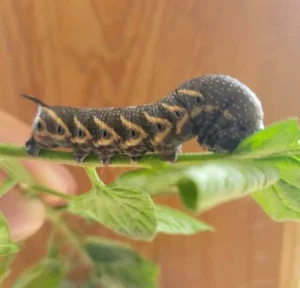
They’re called hornworms because of the harmless little spike at the end of their bodies. It looks like a stinger, but it’s not.
In pet stores, they’re usually bright green and raised on special food that’s safe for reptiles and amphibians to eat. That’s important, because wild hornworms are a different story.
Are Hornworms Safe for Salamanders?
They can be, but only under the right conditions.
If a hornworm is small, soft, and raised on clean food, it’s a great treat for larger salamanders. It has no hard shell, no sharp parts, and it moves slowly enough to be caught with ease.
But if the hornworm is too big, it can cause trouble. Some get huge in just a few days. A worm that was the right size yesterday might be too large today. Salamanders don’t chew their food, so if they can’t swallow it whole, they’ll struggle.
Also, wild hornworms are never safe. If they’ve been eating plants like tomato, tobacco, or deadly nightshade, those toxins stay in their bodies. Feeding a wild hornworm could poison your salamander, even if the worm looks fine.
Why Some Keepers Like Hornworms
Hornworms have a few things going for them.
They’re very moist, so they help keep a salamander hydrated. This is useful if the animal has been dry or sluggish. They’re also soft, which makes them easy to digest.
Their bright green color and slow movements make them easy targets, even for picky eaters. Some salamanders that ignore crickets or roaches will lunge right at a hornworm.
But hornworms aren’t perfect. They’re low in calcium and protein, and they can cause problems if overfed. They’re best used as a treat, not a staple.
Which Salamanders Can Eat Hornworms?
Large salamanders usually have no problem with small hornworms. Tiger salamanders, fire salamanders, and adult axolotls can all handle them, as long as the worm isn’t too big.

Axolotls especially seem to enjoy them. You can drop the hornworm into the tank and watch the axolotl swim over and grab it. Since axolotls swallow their food underwater, the soft body of the hornworm makes things easier.
Medium-sized salamanders like marbled salamanders might also be able to eat smaller hornworms. But for smaller species, hornworms are usually too large and need to be avoided or cut into pieces.
How Big Is Too Big?
A good rule of thumb is this: the hornworm should be no wider than the space between your salamander’s eyes. Anything bigger could cause choking or be spit out halfway.
Young salamanders should only be given tiny hornworms, less than half an inch long. Fully grown adults can usually handle worms around one inch, depending on the species. If the hornworm gets longer than that, it’s safer to skip it or cut it into smaller chunks.
Always watch the feeding closely. If your salamander struggles or backs away, the worm might be too large.
Should You Cut Hornworms?
Yes, you can.
Hornworms are very soft and easy to slice. If one gets too big, you can cut it into smaller pieces using clean scissors or a sharp knife. This way, your salamander still gets the benefits of the food without the risk of choking.
Just make sure you feed the cut pieces right away. They dry out fast and may lose their appeal once they stop wiggling.
What About Salamander Larvae?
Larvae are too small for hornworms. Even a tiny hornworm would be a choking hazard.

Larvae should stick to much smaller foods like baby brine shrimp, micro worms, or daphnia.
As they grow and begin to hunt more actively, you can slowly introduce larger prey. But hornworms usually don’t make sense until the salamander is near full size.
If you’re not sure, skip the hornworm. There are safer starter foods for growing salamanders.
How Often Can You Feed Hornworms?
Hornworms should be used sparingly.
They’re high in moisture, but they don’t offer much protein or calcium. Feeding too many can cause loose stools, bloating, or disinterest in other foods.
A healthy adult salamander can have a hornworm once or twice a week as a treat. But it should never be the main food source. Make sure your salamander is still eating earthworms, crickets, or other balanced feeders.
If you feed a hornworm, give your salamander a day or two to digest before feeding another one.
Why Wild Hornworms Are a Bad Idea
You might see big green hornworms crawling on tomato plants and think about offering one to your pet. Don’t.
Hornworms in the wild feed on nightshades. This includes tomato, tobacco, and other plants that are toxic to amphibians. Even if the worm looks healthy, the toxins in its body can make your salamander sick (or worse).
Wild hornworms also carry a risk of parasites or pesticides. They haven’t been raised in clean, controlled environments, so you never really know what’s inside them.
Stick with hornworms from a trusted breeder or pet store that specializes in reptile-safe feeders.
How to Prepare a Hornworm for Feeding
Most store-bought hornworms come in a cup with food paste and ventilation. If the worm is the right size, you can offer it straight to your salamander with tongs or your fingers.
You can also drop it into the enclosure and let your salamander hunt. Just make sure the area is moist and the salamander sees the movement.
If you want to boost nutrition, you can gut-load the hornworm a day or two before feeding. Try offering it slices of carrot or a small amount of squash. Avoid anything sticky or hard to clean.
Some keepers also dust hornworms with a bit of calcium powder before feeding. This adds extra value to the meal, especially for salamanders that don’t get UVB lighting.
Do Salamanders Like Hornworms?
Most do.
Hornworms are soft, colorful, and slow, which makes them an ideal target for ambush predators like salamanders. Even salamanders that usually go for nightcrawlers or crickets might lunge at a hornworm without hesitation.
Still, not every salamander will go for it right away. Some individuals are picky or shy. If your salamander ignores the hornworm the first time, try again later or offer a smaller piece.
Once they try it, many seem to come back for more.
Are There Any Risks?
Yes, but they’re easy to avoid.
The most common problem is overfeeding. Too many hornworms in a short time can cause bloating, diarrhea, or food refusal. Some salamanders may become lazy and only want hornworms if offered too often.
Another issue is size. Large hornworms can be hard to swallow and might get stuck. Always check the worm size before feeding.
Finally, hornworms spoil quickly once they die. Never leave uneaten hornworms in the tank for long. Remove them within 15 minutes if your salamander doesn’t show interest.
What Are Good Alternatives?
If you can’t find hornworms or want to mix things up, there are plenty of other feeders that work well.
Earthworms are one of the best all-around foods for most salamanders. They’re soft, nutritious, and easy to find.
Other options include crickets, black soldier fly larvae, silkworms, and small roaches. For aquatic salamanders, bloodworms and brine shrimp also work.
The key is variety. No one food should be used all the time.
Conclusion
Salamanders can eat hornworms if the worms are small, clean, and raised on safe food.
These bright green caterpillars are a fun, juicy treat that many salamanders enjoy. They’re soft, easy to digest, and good for hydration.
But they don’t offer everything a salamander needs. They grow fast, and large worms can be too much for smaller mouths.
Hornworms work best when used in moderation, alongside a balanced diet. Never use wild ones, and always check the size before feeding.
If you offer one and your salamander snaps it up, great. If not, there are plenty of other feeders to try.

Hi, my name is Ezra Mushala, i have been interested animals all my life. I am the main author and editor here at snakeinformer.com.