
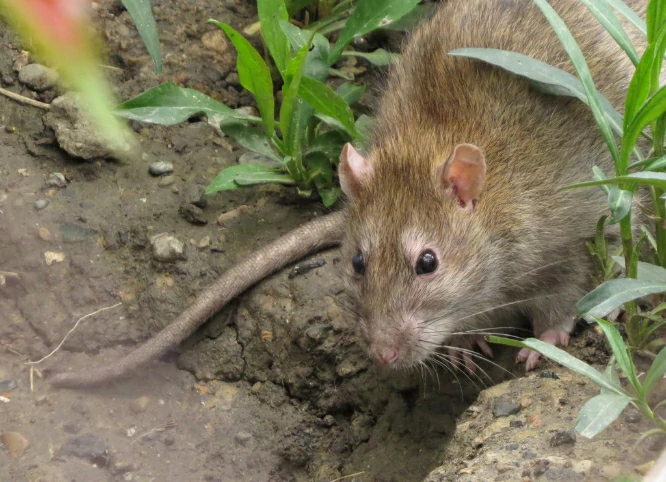
If you’ve ever dealt with rats or are trying to control them, you might wonder about their biology and how their bodies work. One question that comes up is whether rats can vomit like humans and many other animals do. Can rats throw up?
No, rats can’t throw up. They physically lack the ability to vomit because their diaphragm and stomach structure don’t allow food to move back up through their esophagus. This is why rat poison works so effectively.
This inability to vomit is actually one of the most important things to know about rats, especially if you’re trying to control them or if you have rats as pets.
Why Rats Can’t Vomit
The reason rats can’t throw up is because of how their bodies are built.
Rats have a really strong barrier between their stomach and esophagus. This barrier keeps food moving in only one direction (down), and it can’t move backwards.
Their diaphragm (the muscle that helps with breathing) doesn’t work in a way that allows vomiting. In animals that can vomit, the diaphragm contracts to force stomach contents back up. Rats’ diaphragms just don’t function this way.
The connection between a rat’s esophagus and stomach is also structured differently than in animals that can vomit. It’s too tight and doesn’t have the flexibility needed for reverse movement of food.
Also, rats don’t have the neurological pathways that trigger vomiting. Their brains and nervous systems aren’t wired to make vomiting happen.
Other Animals That Can’t Vomit
Rats aren’t the only animals with this limitation.
Mice also can’t vomit, which makes sense since they’re closely related to rats.
Horses can’t throw up either, which is actually a serious problem for them. If a horse eats something toxic or gets colic, it can be life-threatening because they can’t expel the bad food.
Rabbits and guinea pigs can’t vomit. Like rats, they have a one-way digestive system.
Some other rodents also lack the ability to vomit, though not all rodents have this limitation.
Why This Matters for Rat Control
The fact that rats can’t throw up is really important when you’re trying to get rid of them.
This is exactly why rat poison works. When a rat eats poison, it can’t vomit it back up. The poison stays in its system and does its job. If rats could vomit, poison wouldn’t be nearly as effective because they could just throw it up when they started feeling sick.
Different types of rat poison take advantage of this. Some poisons work slowly over several days, and the rat keeps eating the poison because it doesn’t immediately feel sick. By the time symptoms appear, it’s too late, and the rat can’t expel the poison.
This also means rats are more vulnerable to food poisoning in general. If they eat something bad, they’re stuck with it in their system. Their only option is to let it pass through their digestive system.
How Rats Handle Bad Food Instead
Since rats can’t vomit, they’ve developed other ways to deal with potentially dangerous food.
Rats are extremely cautious eaters. They’ll try a tiny amount of new food first, then wait to see if they feel sick. This behavior is called “neophobia” (fear of new things). If they don’t get sick, they’ll eat more. If they do get sick, they’ll avoid that food in the future.
This is why it can be hard to poison rats. If the poison acts too quickly, a rat might eat just a little, feel sick, and then avoid that bait forever. This is called “bait shyness.”
Rats also have really good senses of smell and taste. They can often detect poisons or spoiled food and avoid it before eating enough to cause problems.
Their digestive systems are pretty good at handling a wide variety of foods, including some things that would make other animals sick.
What Happens When a Rat Eats Something Toxic
When a rat eats something poisonous and can’t vomit, what actually happens?
The poison gets absorbed through the rat’s digestive system into its bloodstream. Different poisons work in different ways (some cause internal bleeding, others shut down organs, some disrupt the nervous system).
The rat will start feeling sick, but there’s nothing it can do about it. It can’t expel the poison, so it just has to endure the effects.
Depending on the type of poison, the rat might die within hours or it might take several days. Slow-acting poisons give the rat time to eat more poison before it realizes something’s wrong.
This is why rat poison is effective, but it’s also why it can be dangerous to other animals. If a dog or cat eats rat poison (or eats a poisoned rat), they might be able to vomit it up if you catch it quickly and induce vomiting, but rats can’t do this.
Pet Rats and the Inability to Vomit
If you have pet rats, knowing they can’t vomit is really important for their care.
You need to be extremely careful about what your pet rats eat. Don’t give them foods that could make them sick because they can’t throw them up.

Avoid foods that are toxic to rats, like chocolate, caffeine, raw sweet potato, raw dry beans, green potatoes, and moldy food. Since they can’t vomit, even a small amount of toxic food can be dangerous.
If your pet rat eats something it shouldn’t, you can’t make it throw up. You need to call a vet immediately. Treatment will focus on other methods like activated charcoal to absorb toxins or supportive care to help the rat’s body process the toxin.
Watch your pet rats carefully for signs of illness. Since they can’t vomit when they feel sick, other symptoms (lethargy, diarrhea, loss of appetite, difficulty breathing) are important warning signs.
The Evolutionary Reason Behind This
Why did rats evolve to not be able to vomit? It seems like a disadvantage.
Some scientists think it’s actually an advantage for rats’ lifestyle and eating habits. Rats eat a huge variety of foods and often eat small amounts from many different sources. Having a simple, one-way digestive system might be more efficient for this eating style.
The energy and body resources needed to maintain the ability to vomit might not be worth it for rats. Evolution tends to favor efficiency, and if vomiting didn’t provide enough benefit, rats might have lost this ability over time.
Also, rats’ cautious eating behavior (tasting small amounts first) might be enough to protect them from eating large amounts of bad food. They don’t need to vomit because they’re careful about what they eat in the first place.
How Rat Digestion Actually Works
Since rats can’t vomit, their digestive system has to handle everything that goes in.
Food goes down the esophagus into the stomach in one direction only. The stomach breaks down food with acid and digestive enzymes.
From the stomach, partially digested food moves into the small intestine where nutrients are absorbed.
Then it goes to the large intestine where water is absorbed and waste is formed.
Finally, waste exits through the rectum. This is the only way for anything to leave a rat’s digestive system (besides burping, which they can do).
This one-way system is really efficient, but it means rats have to be careful about what they eat because there’s no “undo” button.
Rats Can’t Vomit But They Can Burp
Just because rats can’t vomit doesn’t mean they can’t release gas from their stomachs.
Rats can burp (release gas through their mouth). This is different from vomiting because only gas comes up, not food or liquid.
This ability to burp is actually important for rats. If they couldn’t release stomach gas, they could develop painful and dangerous gas buildup.
So while rats can’t bring up food or liquid, they can release air and gas from their stomachs.
The Connection to Rat Behavior Around Food
The inability to vomit affects how rats behave around food in interesting ways.
Rats are famous for being willing to eat almost anything, but they’re actually very careful about new foods. This caution makes sense when you realize they can’t undo their food choices.
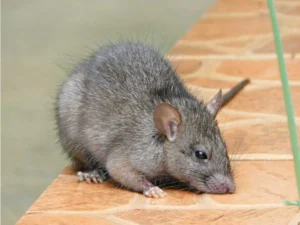
When rats find a new food source, one or two rats from a group will try it first. The others wait to see if those rats get sick. If the test rats are fine, the whole group will eat the new food. This social learning helps protect the group from eating something dangerous.
Rats also tend to eat many small meals throughout the day rather than a few big meals. This might be another safety strategy. Eating small amounts means if something is bad, they won’t have consumed a dangerous amount.
Why Slow-Acting Poisons Are Used for Rats
The rat control industry has designed poisons specifically around the fact that rats can’t vomit.
Fast-acting poisons cause symptoms quickly. A rat might eat a small amount, feel sick immediately, and then avoid that poison forever. The rat survives because it only ate a small amount.
Slow-acting poisons (like anticoagulants that cause internal bleeding over several days) are much more effective. The rat eats the poison and doesn’t feel sick right away, so it keeps eating more poison over multiple days. By the time it feels sick, it’s already consumed a lethal dose and can’t throw it up.
This is why modern rat poisons usually work over several days rather than immediately.
The Ethical Questions About Poison
Knowing that rats can’t vomit raises some ethical questions about using poison.
When a rat eats poison, it’s going to suffer and die without any way to expel the poison. Some people feel this is cruel and prefer other control methods like traps that kill instantly.
Others argue that poison is necessary for large infestations where traps aren’t practical.
There’s no easy answer, but it’s worth thinking about. If you choose to use poison, at least understand what you’re doing to the rats.
What This Means for Baiting Strategies
If you’re trying to bait rats with poison, their inability to vomit affects your strategy.
You want to use baits that taste good enough that rats will eat them willingly. If the bait tastes bad or suspicious, rats will only eat a tiny amount, and even though they can’t vomit, the small dose might not be lethal.
Pre-baiting (putting out unpoisoned bait for a few days first) helps rats get used to the food and builds trust. Once they’re eating it regularly, you switch to poisoned bait. By then, they’re not being cautious, and they’ll eat enough to get a lethal dose.
The fact that rats can’t vomit means once you get them to eat a good amount of poison, you’ve succeeded. They can’t undo that choice.
Health Issues That Can Look Like Vomiting
Pet rat owners sometimes see things that look like vomiting, but it’s actually something else.
Red discharge around a rat’s nose or mouth is called porphyrin and comes from their tear ducts. This isn’t vomit. It’s a sign of stress, illness, or respiratory problems.
Sometimes rats expel food or liquid from their mouth, but this is usually regurgitation or drooling, not true vomiting. It might happen if something is stuck in their throat or if they’re having a medical emergency.
If you see your pet rat appearing to “throw up,” it’s a serious emergency because it means something is very wrong. Get to a vet immediately.
Research Uses of This Trait
Scientists who study rats in labs know about their inability to vomit and factor this into their research.
When testing drugs or chemicals for toxicity, researchers know that rats can’t vomit out the substance. This affects how they interpret results compared to animals that can vomit.
Rat models are often used for studying digestive diseases and treatments, partly because their one-way digestive system is simple and well-understood.
The inability to vomit is considered when designing studies. Researchers have to be really careful about what they give rats because there’s no safety valve if something goes wrong.
Comparing Rats to Other Rodents
Not all rodents share the rat’s inability to vomit, which is interesting.
Squirrels can vomit, which is one reason they’re less susceptible to certain poisons than rats are.

Beavers also can vomit, even though they’re rodents.
But most small rodents (mice, hamsters, gerbils, guinea pigs) can’t vomit, similar to rats.
This shows that the inability to vomit isn’t a trait of all rodents, but rather something specific to certain rodent species.
What Happens in Poison Emergencies
If a pet rat eats something poisonous, what can a vet do since they can’t make it vomit?
Vets might give activated charcoal to absorb the toxin in the rat’s digestive system before it’s absorbed into the bloodstream.
Supportive care like IV fluids can help the rat’s body process and eliminate the toxin through normal waste elimination.
Some specific poisons have antidotes that can be given to counteract the effects.
Pain medication and other supportive treatments can help the rat survive while its body deals with the toxin.
But the bottom line is that prevention is crucial because treatment options are limited when the animal can’t vomit.
Conclusion
Rats can’t throw up due to their unique digestive anatomy and physiology. Their stomach and esophagus are structured in a way that only allows one-way movement of food, and they lack the muscles and neurological wiring needed for vomiting.
This inability to vomit is why rat poison is so effective. Once a rat eats poison, it can’t expel it, and the poison stays in its system until it either causes death or is processed out through normal digestion.
For anyone dealing with rats (whether as pests or pets), understanding this limitation is really important. It explains rat behavior around food, why certain control methods work, and what precautions you need to take with pet rats.

Hi, my name is Ezra Mushala, i have been interested animals all my life. I am the main author and editor here at snakeinformer.com.