
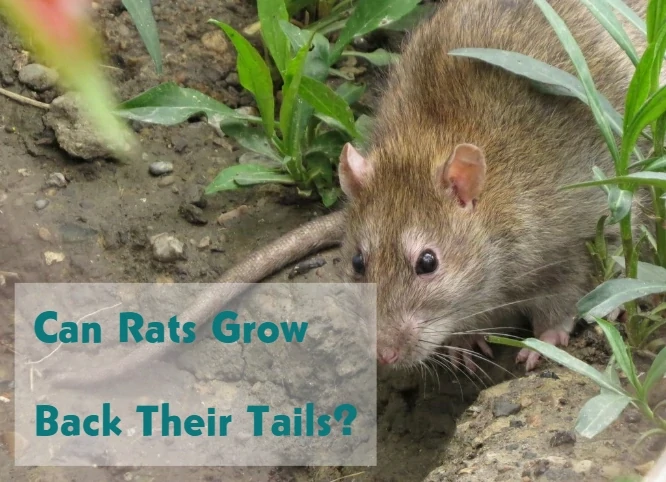
Rats can lose their tails from all sorts of accidents, like getting caught in traps, attacked by predators, or injured in fights with other rats. If you have pet rats, you might worry about what happens if one loses part of its tail.
Or if you’re dealing with wild rats, you might wonder if an injured rat will just grow a new tail and keep being a problem. Can rats grow back their tails?
No, rats can’t grow back their tails. Once a rat loses part or all of its tail, it’s gone permanently. The tail won’t regenerate or regrow, no matter how much time passes. The rat will have to adapt and live with whatever portion of tail remains.
This is true for all mammals. Unlike some reptiles (like lizards and geckos) that can regrow lost tails, mammals don’t have this ability. A rat’s tail contains bones, blood vessels, nerves, and muscle, and once these structures are damaged or lost, the body can’t rebuild them.
Why Mammals Can’t Regrow Tails
The ability to regrow body parts is called regeneration, and it’s actually pretty rare in the animal kingdom. Only certain animals have this superpower, and mammals aren’t on that list.
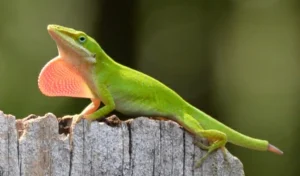
Lizards and some other reptiles can drop their tails as a defense mechanism (called autotomy) and then regrow them over time. The new tail has cartilage instead of bone and looks a bit different, but it works well enough.
Some amphibians like salamanders can regrow all sorts of body parts, including tails, limbs, and even parts of their hearts and brains. It’s pretty amazing, but mammals just didn’t evolve this ability.
The problem with mammals is that our bodies are too complex. Regrowing a tail would require rebuilding bones, blood vessels, nerves, muscles, skin, and all the connections between these structures.
Mammal bodies can heal wounds and repair some tissues, but they can’t regenerate entire structures.
The cells in adult mammals aren’t programmed to regrow lost body parts. In animals that can regenerate, special cells at the injury site organize and multiply to rebuild what was lost. Mammals don’t have these cells, or at least not in a form that can do this kind of major rebuilding.
What Happens When a Rat Loses Its Tail
When a rat loses part or all of its tail, the injury goes through normal healing processes, just like any other wound.
The bleeding stops first. Blood vessels in the tail constrict and clotting happens at the injury site. If the wound is clean (like from a quick cut), this happens pretty fast. If it’s a messy injury (like from being bitten), bleeding might take longer to stop.
The wound scabs over within a day or two. The body forms a protective covering over the exposed tissue to prevent infection and further damage.
Over the next week or two, the wound heals from the outside in. New skin grows over the injury site. The end of the tail might look rounded or irregular, depending on how the injury happened.
Eventually, the tail tip is fully healed with a covering of skin. There’s usually a scar or a different texture where the injury was. The remaining tail looks normal up to the point where it was injured.
But that’s it. No tail regrowth happens. What the rat has left is what it keeps.
Can Rats Survive Without Their Full Tails?
Yes, rats can survive and even thrive without a complete tail. It’s not ideal, but it won’t kill them.
The tail is used primarily for balance. A rat with a shortened tail or no tail at all will be clumsier, especially when climbing, jumping, or walking on narrow surfaces. In the first days or weeks after losing the tail, the rat has to relearn how to move.
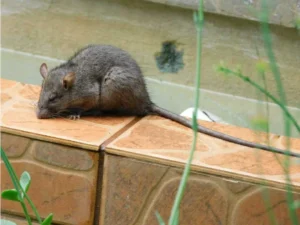
Wild rats without tails are at a disadvantage. They might have trouble escaping predators because they can’t run and climb as well. They might also struggle to compete with other rats for food and territory.
Pet rats with shortened tails usually adapt pretty well. Since they’re not dodging predators or competing for survival, the main issue is just getting used to moving differently. Most pet rats figure it out within a few weeks.
The tail also helps with temperature control. Rats release heat through their tails when they’re hot. A rat without a full tail might have a slightly harder time cooling down, but it’s not a major problem.
Social interactions might be affected because rats use tail position and movement to communicate with other rats. A rat with a damaged or missing tail might not be able to send the same signals, which could lead to misunderstandings with other rats.
Common Ways Rats Lose Their Tails
Understanding how rats lose their tails can help you prevent these injuries, especially if you have pet rats.
Traps are a major cause of tail injuries in wild rats. Snap traps and glue traps can catch a rat by the tail instead of killing it quickly. The rat might pull free and escape, but leave part of its tail behind.

Predator attacks happen when cats, dogs, hawks, owls, or other animals grab a rat by the tail. If the rat struggles hard enough, the tail might tear or break off, allowing the rat to escape.
Fights with other rats can result in tail injuries. Rats will bite each other during territorial disputes or fights over food and mates. A bite to the tail can sever it partially or completely.
Getting the tail caught in doors, cages, or other tight spaces is common with pet rats. If a rat’s tail gets pinched and the rat yanks hard to get free, the tail can be injured or even torn.

Cage mate aggression in pet rats sometimes targets tails. If you have multiple rats and they’re not getting along, one might bite another’s tail. This is more likely in overcrowded cages or when introducing new rats.
Frostbite can damage the tips of rat tails in extremely cold conditions. The tail tip is far from the body’s core, so it’s vulnerable to freezing. Severe frostbite can cause the tail tip to die and fall off.
What to Do If Your Pet Rat Loses Part of Its Tail
If you have a pet rat and it loses part of its tail, you need to act quickly to help it heal and prevent infection.
Stop the bleeding first. Apply gentle pressure with a clean cloth or gauze. If bleeding doesn’t stop within a few minutes, or if it’s heavy, get to a vet immediately.
Keep the rat calm and contained. Stress makes bleeding worse and slows healing. Put the rat in a quiet, comfortable space where it can rest.
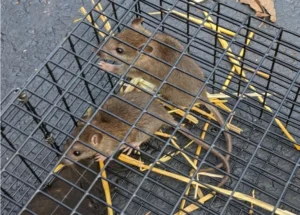
Don’t try to bandage the tail unless a vet tells you to. Bandages on tails are tricky because rats will usually chew them off, and improper bandaging can cut off circulation.
Clean the wound gently if there’s dirt or debris. Use warm water or saline solution. Don’t use hydrogen peroxide or alcohol because these can damage tissue and slow healing.
Watch for signs of infection over the next few days. Swelling, redness, pus, a bad smell, or the rat acting sick are all red flags. If you see any of these, get to a vet right away.
A vet visit is a good idea even if the wound looks okay. The vet can assess the injury, prescribe antibiotics if needed, and give you specific care instructions. Sometimes what looks minor on the outside is actually more serious.
Provide a clean environment while the rat heals. Use paper towels or fleece instead of regular bedding to keep the wound clean. Wood shavings or dusty bedding can irritate the injury.
Give the rat plenty of food and water. Healing takes energy, so make sure your rat is eating well. Soft foods might be easier if the rat is stressed or in pain.
How Long Does It Take for a Tail Injury to Heal?
The healing timeline depends on how severe the injury is and whether any complications develop.
Minor injuries (small cuts or scrapes on the tail) usually heal within a week or two. The rat might barely seem bothered by it.
Moderate injuries (partial amputation or deep wounds) take about two to four weeks to fully heal. The rat might be careful with its tail during this time and less active than usual.

Severe injuries (complete amputation or crushing injuries) can take four to six weeks or longer. The rat needs to not only heal the physical wound but also adapt to life with a changed tail.
Complications like infection can add weeks to the healing process. If the wound gets infected, the rat needs antibiotics and extra care, which slows everything down.
The rat’s age and overall health also matter. Young, healthy rats heal faster than old or sick rats. Good nutrition speeds up healing too.
Can Tail Injuries Cause Long-Term Problems?
Most rats recover from tail injuries without lasting issues, but there can be complications.
Chronic pain is possible if nerve damage occurred. Rats can’t tell us when they’re hurting, but you might notice behavior changes like reduced activity, reluctance to be touched, or aggression.
Infection can become chronic if not treated properly. A poorly healed tail wound might develop recurring infections that need ongoing treatment.

Balance problems are common immediately after losing part of a tail, but most rats adapt. However, some rats (especially those who lost a large portion) might remain clumsier than they were before.
Phantom pain might occur, similar to what humans experience with amputated limbs. We don’t know for sure if rats feel this, but it’s possible that nerve endings at the injury site send confusing signals to the brain.
Social problems with other rats can develop. Other rats might be more aggressive toward an injured rat, or the injured rat might become defensive because it feels vulnerable.
Preventing Tail Injuries in Pet Rats
If you have pet rats, there are steps you can take to protect their tails.
Choose the right cage. Wire floors and walls with large gaps can trap tails. Make sure any wire surfaces have small spacing (no more than half an inch between bars).
Don’t slam cage doors. Close them slowly and check that no rat parts (tails included) are in the way. This seems obvious, but it’s one of the most common causes of tail injuries.
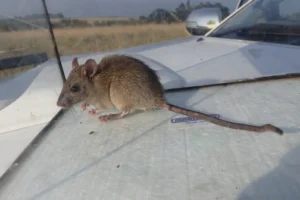
Introduce new rats carefully. Don’t just throw a new rat into an established group. Use proper introduction methods over several days to prevent fighting.
Provide enough space. Overcrowded cages lead to stress and aggression. Each rat needs at least two cubic feet of space, and more is better.
Watch for bullying. If one rat is picking on another, separate them before serious injuries occur. Not all rats get along, and that’s okay.
Keep rats warm in winter. If your home gets really cold, make sure your rats have extra bedding and their cage isn’t in a drafty area where tails could get frostbitten.
Handle rats gently. Never pick up a rat by its tail. Always support the body with your hands. Teach children who interact with your rats to do the same.
Do Wild Rats With Damaged Tails Survive in Nature?
Wild rats with tail injuries face tougher challenges than pet rats, but many do survive.
Rats are adaptable creatures. Even with a disadvantage like a shortened tail, they can often adjust their behavior to compensate. They might avoid climbing as much or stick to safer routes.
The injury itself might be fatal if it’s severe and the rat can’t stop the bleeding or if infection sets in. Wild rats don’t have access to veterinary care, so serious injuries can become deadly.
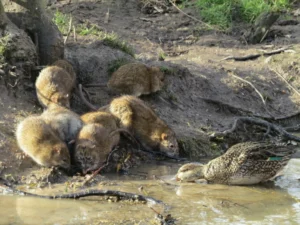
Predation risk increases for rats with balance problems. A rat that can’t climb or run as well becomes easier prey for cats, owls, hawks, and other predators.
Competition with other rats might push injured rats to less desirable territories. If a rat can’t defend its turf as well, stronger rats will push it out.
Despite these challenges, you’ll sometimes see wild rats with damaged or missing tails surviving just fine. They’ve figured out how to work with what they have.
Conclusion
Rats can’t grow back their tails. Once lost, a tail is gone for good. The injury will heal, but no regeneration happens because mammals don’t have the biological ability to regrow complex body parts like tails.
Rats can survive without their full tails, though they might struggle with balance and movement at first. Most rats adapt over time, especially pet rats in safe environments. Wild rats face bigger challenges, but many still manage to survive.
If your pet rat loses part of its tail, focus on helping the injury heal properly and preventing infection. With proper care, most rats recover well and go on to live normal lives, just with a shorter tail than they started with.

Hi, my name is Ezra Mushala, i have been interested animals all my life. I am the main author and editor here at snakeinformer.com.