
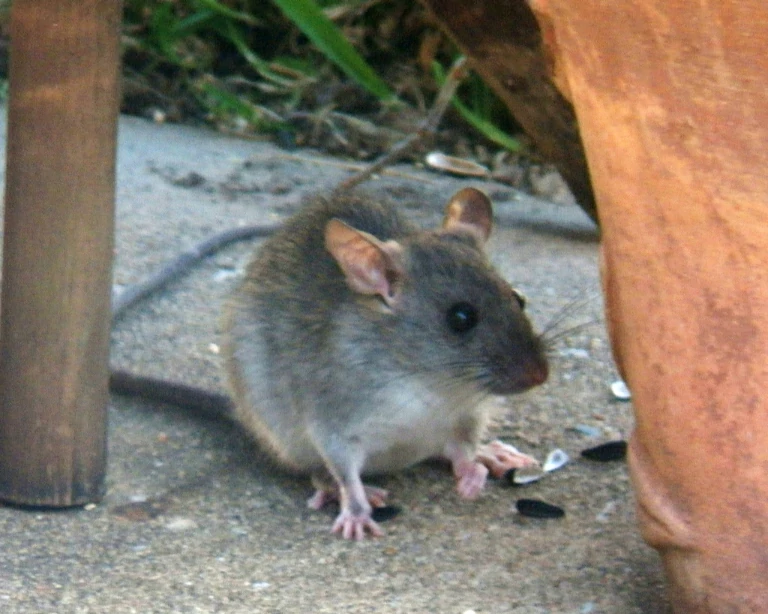
You’ve probably seen gaps under your doors and wondered if pests could squeeze through them. If you’ve heard scratching sounds at night or found droppings near your doorways, you might be dealing with unwanted visitors. Can rats get under doors?
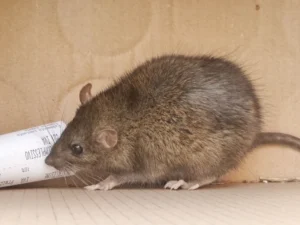
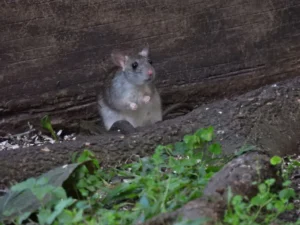
Yes, rats can get under doors if there’s a gap of about half an inch or larger. Adult rats can squeeze through surprisingly small spaces because their skulls can compress and their bodies are flexible. If they can fit their head through a gap, the rest of their body can usually follow.
Even a gap that looks too small to you might be just right for a rat. They’re experts at testing openings and will work at a gap if they think they can get through. Your exterior and interior doors might both be vulnerable if the gaps underneath aren’t properly sealed.
How Small of a Gap Can Rats Actually Fit Through
Rats can compress their bodies to fit through openings as small as a quarter (about the size of a coin). Their skulls are the widest part of their bodies, and even these can compress to some degree.
A gap of half an inch under your door is more than enough space for most adult rats to squeeze under. Young rats can fit through even smaller gaps because they’re more flexible and smaller overall.
When a rat tests a gap, it’ll stick its head through first. If the head fits, it’ll flatten its body and wiggle through. The whole process takes just a few seconds for an experienced rat.
Why Rats Try to Get Under Doors
Doors are natural entry points that rats actively look for when they’re exploring. They can smell food, warmth, and shelter from the other side, which makes them really motivated to get through.
Exterior doors are particularly attractive because they lead directly into your home where food is stored. Rats can smell crumbs, pet food, and even food in sealed packages from outside your door.
Interior doors matter too. If rats are already in your home, they’ll move from room to room looking for food, water, and safe nesting spots. A gap under a bedroom or pantry door won’t stop them from getting to where they want to go.
The Types of Doors Most Vulnerable to Rats
Exterior doors with worn weather stripping are the biggest problem. Over time, the rubber or foam seal at the bottom of your door breaks down, cracks, or falls off completely. This creates the perfect gap for rats to slip through.
Old wooden doors that have warped or shrunk with age often have larger gaps at the bottom. Wood expands and contracts with humidity changes, and older doors might not fit their frames as well as they used to.
Garage doors are particularly vulnerable because they often have larger gaps to accommodate the door’s movement. The rubber seal on the bottom of garage doors wears out quickly, especially in areas with extreme temperatures.
Sliding glass doors can also have gaps, especially if they’re not properly maintained or if the track has dirt and debris that prevents them from closing all the way.
Signs That Rats Are Getting In Under Your Doors
Grease marks along the bottom edge of your door are a telltale sign. Rats have oily fur, and as they squeeze under doors repeatedly, they leave dark, greasy streaks on the door and door frame.
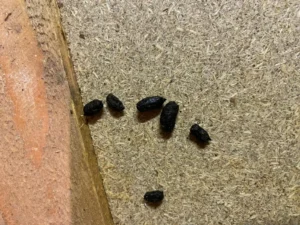
You might find droppings right inside or outside the door, especially in corners near the doorway. Fresh rat droppings are dark and moist, while older ones are gray and crumbly.
Gnaw marks on the bottom of wooden doors show that rats are trying to make the gap bigger or are frustrated by a door that’s almost, but not quite, easy enough to get under.
Small scratches or claw marks near the bottom of the door indicate rats testing the gap or trying to pull themselves through. You might also see these marks on metal or plastic weather stripping.
How to Check If Your Doors Have Rat-Sized Gaps
The easiest way to check is to turn off the lights in the room and look under the door during the day. If you can see daylight under an exterior door, rats can probably get through.
You can also try the paper test. Slide a piece of paper under the closed door. If it goes under easily with room to spare, a rat can likely fit through that gap.
For a more accurate measurement, use a ruler or tape measure. Anything over half an inch is definitely large enough for rats. Even a quarter inch gap might be usable for smaller rats or young ones.
Check all your doors, not just the obvious ones. Basement doors, back doors, and doors leading to attached garages all need to be inspected.
The Best Ways to Seal Gaps Under Doors
Door sweeps are the most effective solution for most doors. These are metal or plastic strips with rubber or brush-like material at the bottom that closes the gap when the door is shut.
For exterior doors, choose a door sweep that’s specifically designed for outside use. It needs to be weatherproof and durable enough to handle constant exposure to the elements.
Self-adhesive weather stripping is another option, but it’s less durable than door sweeps. The adhesive can fail over time, especially in extreme temperatures, and you’ll need to replace it regularly.
For the best protection, install a door sweep and add weather stripping to the sides and top of the door frame. This creates a complete seal around the entire door.
Installing a Door Sweep Properly
Measure the width of your door first. Door sweeps come in standard sizes, but you might need to cut yours to fit exactly.
The sweep should make contact with the threshold (the bottom of the door frame) when the door is closed, but it shouldn’t drag on the floor when you open the door. Getting this height right is important.
Most door sweeps attach with screws. Drill pilot holes before screwing the sweep in place to avoid splitting the door, especially if it’s made of wood.
Test the door after installation. It should close easily without resistance, but you shouldn’t be able to see light under it or slide a piece of paper through easily.
What to Do About Garage Door Gaps
Garage doors need special attention because they’re usually the largest entry point to your home. Check the rubber seal on the bottom of the door regularly and replace it when it starts to crack or harden.
You can buy replacement seals at most hardware stores. They usually slide into a track on the bottom of the garage door and are held in place with a retaining clip or adhesive.

Also check the weather stripping on the sides and top of the garage door. Rats can get in through gaps on the sides just as easily as through the bottom.
If your garage door has windows, make sure they’re properly sealed too. Rats can climb, and if there’s a gap around a window, they might use it to get inside.
Interior Doors and Rat Control
If rats are already inside your home, sealing interior doors can help contain them to certain areas while you work on getting rid of them.
Keeping rats out of bedrooms is important for health and safety reasons. A door sweep on bedroom doors can give you peace of mind at night.
Pantries and kitchens should be protected with door sweeps too. If you can keep rats away from your food storage areas, they’re more likely to leave your home to look for easier meals elsewhere.
But remember that sealing interior doors is just part of the solution. You still need to find and seal the exterior entry points and deal with any rats already inside your home.
Temporary Solutions If You Can’t Install a Door Sweep Right Away
If you need a quick fix until you can properly seal your door, roll up a towel and place it against the bottom of the door from the inside. This isn’t a permanent solution, but it can work for a night or two.
You can also use temporary weather stripping that sticks to the bottom of the door. It won’t last long, but it’s better than nothing while you’re waiting to install a proper door sweep.
Heavy-duty duct tape can seal small gaps temporarily, but rats can chew through tape if they’re determined. This is really only good for a very short-term emergency fix.
Common Mistakes When Sealing Doors Against Rats
The biggest mistake is sealing just one or two doors and thinking you’re done. Rats only need one way in, so you have to seal every exterior door on your property.
Another mistake is installing a door sweep that doesn’t actually touch the threshold. If there’s even a small gap left, rats will find it and use it.
Some people use expanding foam to seal gaps under doors. This doesn’t work because rats can chew through foam easily. Always use metal or heavy-duty rubber materials that rats can’t chew through.
Forgetting about screen doors is another common error. If your screen door has gaps or tears, rats can get into the space between the screen door and your main door, and they might damage your main door while trying to get through it.
How Rats Behave Around Sealed Doors
When rats find that they can’t get under a door anymore, they’ll often try to chew around it to create a new opening. This is why it’s important to seal the entire perimeter of the door, not just the bottom.
They might also move on to look for other entry points. This is actually what you want, but it means you need to make sure all potential entry points are sealed, not just your doors.

Some rats will give up quickly and look for easier targets. Others are more persistent, especially if they can smell food on the other side of the door or if they’ve used that entry point before.
The Connection Between Door Gaps and Other Entry Points
Rats rarely rely on just one entry point. If they’re getting under your doors, they’re probably also using other gaps and holes around your home.
Check for gaps around pipes and cables where they enter your walls. Look for cracks in your foundation, holes in your siding, and gaps around windows.
Sealing your doors is an important step, but it’s part of a bigger strategy. You need to inspect your entire home and seal every opening that’s larger than a quarter of an inch.
What to Do If You Find Rats Already Inside
If rats are already in your home, sealing the doors won’t trap them inside (they’ll find their way out), but it will prevent new rats from getting in while you deal with the ones you have.
Set snap traps near areas where you’ve seen rat activity. Place them along walls and in corners because rats prefer to travel along edges rather than across open spaces.

Bait the traps with peanut butter, nuts, or dried fruit. Check the traps daily and dispose of any caught rats promptly and safely.
Once you haven’t seen signs of rat activity for at least a week (no droppings, no sounds, no evidence of feeding), you can be reasonably sure they’re gone. That’s when you should seal all the entry points, including gaps under doors.
Professional vs DIY Door Sealing
Installing door sweeps is a pretty straightforward DIY project for most people. You just need basic tools like a screwdriver, a saw to cut the sweep to size, and maybe a drill.
But if you’re not comfortable with home repairs, or if your doors need more extensive work (like replacing the entire door because it’s too damaged), it might be worth calling a professional.
Pest control companies can also inspect your entire home for rat entry points, not just doors. They can give you a comprehensive list of problems to fix and might offer sealing services as part of their rat control packages.
Long-Term Maintenance of Door Seals
Door sweeps and weather stripping don’t last forever. Plan to inspect them at least twice a year, ideally in spring and fall.
Look for cracks, tears, or areas where the seal is pulling away from the door. Replace weather stripping as soon as you notice it’s worn because even small damage can create gaps large enough for rats.

Clean the door sweeps occasionally to remove dirt and debris that can prevent them from sealing properly. A simple wipe-down with a damp cloth is usually enough.
If you live in an area with harsh weather, you might need to replace door seals more often. Extreme heat, cold, and UV exposure all break down rubber and plastic materials faster.
Conclusion
Rats can definitely get under doors if there’s a gap of about half an inch or more, and they’ll actively look for these entry points when searching for food and shelter. Doors with worn weather stripping, warped frames, or no door sweeps are easy targets for these persistent pests.
The good news is that sealing gaps under doors is one of the easier rat prevention tasks you can do. Installing door sweeps and maintaining weather stripping around all your exterior doors creates a solid barrier that rats can’t squeeze through.
Remember that rats only need one way in, so you can’t just seal one or two doors and call it done. Check every exterior door on your property, including garage doors, basement doors, and less obvious entrances. Combined with sealing other entry points around your home, properly sealed doors are a key part of keeping rats out for good.

Hi, my name is Ezra Mushala, i have been interested animals all my life. I am the main author and editor here at snakeinformer.com.