

Air bricks are installed in walls to provide ventilation for spaces under floors and in crawl spaces, but these same openings that let air flow can also create entry points for unwanted visitors.
If you’ve noticed signs of rats around your home and you have air bricks in your foundation, you might be wondering whether these ventilation bricks are letting rats into your house. Can rats actually get through air bricks?
Yes, rats can get through air bricks if the holes are large enough or if the air brick is damaged. Standard air bricks have openings that can range from small slots to large holes, and many of these are big enough for rats to squeeze through. Damaged or poorly installed air bricks make it even easier for rats to enter.
Air bricks serve an important purpose in your home’s ventilation system, but they can become a weak point in your defenses against rats if you don’t take steps to protect them.
What Air Bricks Actually Are
Air bricks (also called air vents or vent bricks) are special bricks with holes or slots in them that let air flow through your walls. They’re usually installed near ground level to provide ventilation to the space under your floor.
Most homes have air bricks to prevent moisture buildup in crawl spaces and under wooden floors. Without proper ventilation, moisture can cause wood rot, mold growth, and other serious problems.

Air bricks come in different styles with different sized openings. Some have several large circular holes, some have many small holes, and others have horizontal slots or a grid pattern.
The problem is that these same openings that let air through can also let rats through. If the holes are big enough for a rat to fit through, they will use them as an entry point.
Traditional terracotta or clay air bricks often have large openings (sometimes an inch or more across) that rats can easily squeeze through. Even newer plastic air bricks might have openings that are too large.
How Big of an Opening Rats Need
Understanding how small of a space rats can squeeze through helps explain why air bricks are such a problem. Adult rats can squeeze through openings as small as a quarter (about 0.96 inches or 24 mm across).
Young rats are even smaller and can fit through holes that are only half an inch across. This means if your air brick has any opening bigger than half an inch, rats can potentially get through.
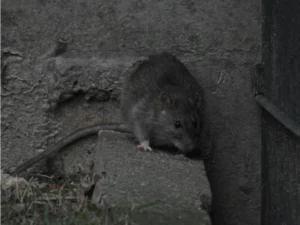
Rats have flexible skeletons and can compress their bodies to fit through tight spaces. The limiting factor is their skull. If a rat’s head can fit through an opening, the rest of its body will follow.
Their ribs aren’t rigidly connected like human ribs, so they can actually flatten their bodies quite a bit. Combined with their determined nature, this makes them really good at squeezing through small openings.
Some people underestimate how small of a space rats can use. They look at an air brick opening and think “that’s too small for a rat,” but they’re often wrong.
Types of Air Bricks and Rat Access
Not all air bricks are equally vulnerable to rats. The design and condition of your air bricks makes a big difference in whether rats can get through them.
Traditional terracotta air bricks often have 9-12 large circular holes arranged in rows. These holes can be an inch or more across, which is plenty of room for rats to squeeze through.
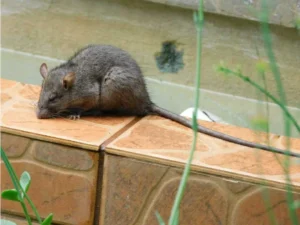
Some air bricks have rectangular slots instead of round holes. If these slots are wide enough (more than an inch), rats can get through them too.
Modern plastic air bricks sometimes have better designs with smaller openings or built-in grilles. These can be more rat-resistant, but you need to check the actual size of the openings.
Decorative air bricks with fancy patterns might have irregular shaped openings that you wouldn’t think rats could use. But if any part of the opening is big enough, rats will find it.
Louvered air bricks (with angled slats like window blinds) can be especially problematic because the louvers themselves can break or be pushed aside by determined rats.
Damaged Air Bricks Are Even Worse
Even if your air bricks originally had openings too small for rats, damage over time can make them vulnerable. Air bricks can crack, crumble, or break, creating larger openings.
Terracotta and clay air bricks are particularly prone to damage. They can crack from ground movement, freeze-thaw cycles, or just from age. Once cracked, the opening becomes much larger.

The mortar around air bricks can also deteriorate over time. If the mortar crumbles away, there might be gaps around the edges of the air brick that rats can use.
Sometimes air bricks are installed poorly with gaps left around them from the start. These gaps might be small at first but can get bigger as the mortar continues to deteriorate.
Physical damage from yard work, kids playing, or even just being hit with a lawnmower can crack or break air bricks. Always inspect air bricks after any work is done near them.
Signs Rats Are Using Your Air Bricks
If rats are using your air bricks to get into your home, there will be signs. Look for dark, greasy smudge marks around the air brick openings.
Rats have oily fur, and as they squeeze through tight spaces repeatedly, they leave behind dark smudges. These marks show you exactly which openings the rats are using most often.

You might see rat droppings near the air bricks, either on the ground outside or on the floor inside near where the air brick is located. Rat droppings are dark, pellet-shaped, and about half an inch long.
Check for scratches or gnaw marks around the edges of the air brick openings. Rats might try to make the openings bigger by chewing on them.
If you look closely at the openings, you might see cobwebs or debris cleared away in certain holes. This shows rats are regularly passing through those specific openings.
Listen for scratching or scurrying sounds coming from under your floor, especially at night when rats are most active. If the sounds seem to be coming from near the walls where air bricks are located, that’s a strong clue.
How to Protect Air Bricks From Rats
The good news is you can protect your air bricks from rats without blocking the airflow. The key is using the right materials and methods.
The best solution is to install metal grilles or guards over your air bricks. These should be made from steel or heavy-gauge wire mesh with holes no bigger than 6mm (about 1/4 inch).

Make sure the mesh or grille is securely attached to the wall, not just the air brick itself. Rats can push or pull loose guards out of the way.
Use screws or masonry anchors to attach the guards, not just adhesive. You want them firmly fixed in place so rats can’t remove them.
The mesh should cover the entire air brick with some overlap onto the surrounding wall. Don’t leave any gaps at the edges where rats could squeeze around the guard.
Check that the mesh doesn’t reduce airflow too much. You need to maintain proper ventilation while keeping rats out. Metal mesh with 1/4 inch holes provides good airflow while being rat-proof.
Different Types of Air Brick Guards
There are several types of guards and covers you can use to protect air bricks from rats. Wire mesh guards are flat pieces of strong wire mesh that attach over the air brick.
Cage-style guards are boxes made from wire mesh that stick out from the wall a few inches. These provide extra space for airflow and are harder for rats to damage.
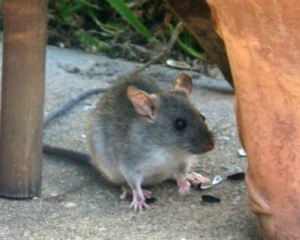
Some guards have angled louvers that let air flow in but make it harder for pests to enter. These work well but need to be made from metal, not plastic.
You can buy pre-made air brick guards at hardware stores and online. Make sure you get ones made from galvanized steel or stainless steel so they don’t rust.
Some people make their own guards using hardware cloth with 1/4 inch holes. This works well if you do it properly, but store-bought guards designed specifically for air bricks are often more reliable.
Avoid using plastic mesh or guards. Rats can chew through plastic pretty easily, so metal is the only way to go.
Installation Tips for Air Brick Guards
Installing air brick guards correctly is important for keeping rats out. First, clean the area around your air bricks thoroughly. Remove any dirt, debris, or loose mortar.
Measure each air brick carefully. Air bricks come in different sizes, so each guard needs to fit properly. Don’t assume all your air bricks are the same size.
If you’re using screw-in guards, mark where the screw holes need to go before you start drilling. Make sure you’re drilling into solid brick or mortar, not into crumbly material that won’t hold screws.
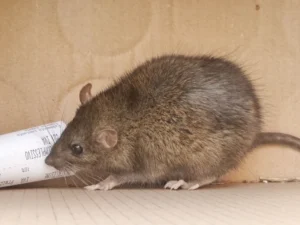
Use appropriate masonry screws or anchors for the material you’re drilling into. Regular wood screws won’t work in brick or concrete.
Install the guard so it covers the entire air brick with at least an inch of overlap on all sides. This prevents rats from squeezing around the edges.
Make sure the guard sits flat against the wall with no gaps. If there are uneven areas, you might need to use spacers or shims to make the guard sit properly.
Don’t Block Airflow Completely
While protecting your air bricks from rats is important, you can’t just seal them up completely. Your home needs that ventilation to prevent serious moisture problems.
Blocking air bricks can lead to condensation buildup under your floors. This moisture creates perfect conditions for wood rot, which can damage floor joists and subflooring.
Lack of ventilation also promotes mold and mildew growth. These can cause health problems for people living in the house and can damage building materials.
Poor ventilation under floors can make your floors feel cold and damp. You might notice a musty smell in rooms where airflow is blocked.
In extreme cases, blocked air bricks can even affect the structural integrity of your home as wooden components rot away. The cost of fixing this damage is much higher than the cost of properly protecting your air bricks.
This is why you need to use guards that let air through while keeping rats out, not just seal the air bricks shut.
Check Air Bricks Regularly
Once you’ve installed rat guards on your air bricks, you can’t just forget about them. Regular inspection is important to make sure they’re still working properly.
Check your air brick guards at least twice a year, ideally in spring and fall. Look for any damage, rust, or areas where the guard has come loose.

Make sure the mesh hasn’t been bent or damaged. Rats will test barriers repeatedly, and over time they might find or create a weak spot.
Check the mortar around your air bricks too. Even with guards in place, deteriorating mortar can create gaps that rats might be able to use.
Remove any debris, leaves, or vegetation that’s built up against the air brick guards. This material can reduce airflow and might also provide cover for rats trying to find a way in.
If you find any damage or problems, fix them immediately. Don’t wait until you have a rat infestation to deal with issues.
Other Entry Points to Consider
While you’re protecting your air bricks from rats, remember these aren’t the only way rats can get into your home. Rats are opportunistic and will use any opening they can find.
Check for gaps around pipes and cables where they enter your walls. These are common entry points that often get overlooked.
Inspect the area where your walls meet your foundation. Cracks or gaps in this joint can let rats in, even if your air bricks are protected.
Look at weep holes in brick walls (small gaps in the mortar between bricks near ground level). These provide drainage but can also let rats in if they’re not protected.
Check your roof and eaves for openings. Rats are excellent climbers and can enter through roof vents, gaps under shingles, or holes in soffits.
Don’t forget about windows and doors. Gaps under doors or damaged window screens can also be entry points for rats.
What If Rats Are Already Inside
If you discover rats are already using your air bricks to get into your home, you need to act fast. First, confirm rats are actually there by looking for droppings, gnaw marks, and hearing sounds.
Don’t immediately seal up the air bricks while rats are inside. This can trap them in your walls or under your floors, where they’ll die and create a terrible smell.
Set traps in areas where you’ve seen rat activity. Snap traps work well and kill rats instantly. Place them along walls where rats travel (they usually run along edges, not in open spaces).

Once you’ve caught all the rats, then you can install protective guards on your air bricks. Make sure you give it enough time (at least a week with no new rat signs) before sealing entry points.
Clean and disinfect areas where rats have been. Rats can carry diseases and parasites, so thorough cleaning is important.
Consider calling a professional pest control company if you have a serious infestation. They have experience dealing with rats and can help make sure you get them all out before sealing entry points.
Conclusion
Rats can definitely get through air bricks if the openings are large enough or if the bricks are damaged. Standard air bricks often have holes that are more than big enough for rats to squeeze through.
The solution is to install sturdy metal guards over all your air bricks. Use guards made from galvanized steel or stainless steel with mesh holes no bigger than 1/4 inch.
Make sure the guards are securely attached to the wall and cover the entire air brick with overlap on all sides. Check them regularly for damage and fix any problems immediately.
Remember that air bricks are necessary for proper ventilation under your floors. Don’t seal them completely or you’ll create moisture problems. Use guards that keep rats out while still allowing airflow.
Protecting your air bricks is just one part of keeping rats out of your home. Check for other potential entry points and seal those too. A comprehensive approach to rat-proofing will keep your home rat-free and save you from dealing with the damage and health risks that rats bring with them.

Hi, my name is Ezra Mushala, i have been interested animals all my life. I am the main author and editor here at snakeinformer.com.