

Dog doors are super convenient when you want to give your dog the freedom to go outside whenever they need to. But if you’ve installed a doggie door, you might be concerned about what else could be using it to get inside your home.
Rats are sneaky creatures that are always looking for easy ways to find food and shelter. Can rats get through a dog door?
Yes, rats can easily get through a dog door. Even small dog doors provide more than enough space for rats to squeeze through. If your dog can fit through it, a rat definitely can too, and they won’t hesitate to use it if they smell food or warmth inside.
Dog doors are actually one of the easiest entry points for rats. Unlike windows or small cracks, a dog door is designed to open, which means there’s no barrier stopping a rat from just walking right through when the flap is unlocked or loose.
Why Dog Doors Are Perfect Entry Points for Rats
Dog doors might as well have a welcome mat for rats. There are several reasons why rats see doggie doors as ideal entry points into your home.
First, dog doors are usually installed low to the ground, which is exactly where rats travel. Rats don’t like being exposed in open areas where predators can see them. They prefer to move along walls, fences, and ground-level paths. A dog door at ground level is right in their natural travel zone.

Also, most dog doors are pretty big. Even doors made for small dogs are still large enough for rats to walk through without any squeezing at all. A rat only needs an opening about the size of a quarter to get through, so a dog door that’s several inches wide is like a highway for them.
The flap on most dog doors doesn’t seal tightly either. There are usually small gaps around the edges that let air (and smells) pass through. Rats have an amazing sense of smell, and they can detect food from pretty far away. If there’s dog food inside, or really any food at all, they’ll smell it through those gaps.
During winter, warm air from inside your home escapes through these gaps too. Rats are always looking for warm places to nest when it’s cold outside, and that warm air is like a signal telling them there’s a cozy spot inside.
How Big of an Opening Do Rats Actually Need?
You might think your dog door is too small for rats, especially if you have a small dog. But rats are incredibly flexible and can squeeze through openings that seem impossible.
An adult rat can fit through a hole that’s only about 1 inch (2.5 cm) in diameter. That’s roughly the size of a quarter. If a rat can get its head through an opening, the rest of its body will follow.

This is possible because rats have collapsible rib cages. Their bones can compress and bend in ways that let them squeeze through tight spaces. The skull is the widest part of a rat’s body, so once the head makes it through, everything else can too.
Most dog doors for small dogs have openings that are at least 5 to 8 inches wide and tall. Doors for medium and large dogs are even bigger, sometimes 12 inches or more. This means rats don’t need to squeeze at all. They can just walk right through like they own the place.
Signs That Rats Are Using Your Dog Door
You might not see a rat actually coming through your dog door, but there are several clear signs that’ll tell you they’re using it.
The most obvious sign is rat droppings near the dog door, either on the inside or outside. Rat droppings are dark brown or black, shaped like pellets, and about half an inch long. If you’re finding these near your doggie door, rats are definitely in the area and using it.
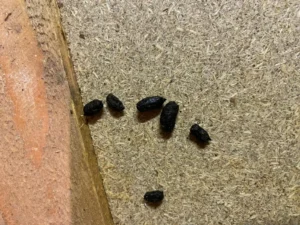
You might also see greasy smear marks around the edges of the dog door. Rats have oily fur, and when they pass through openings, they leave behind dark, greasy streaks. These marks are especially visible on light-colored doors or frames.
Another sign is paw prints or tracks. If there’s dust or dirt near your dog door, you might notice small paw prints that are too small to be from your dog. Rat paw prints are tiny, with four toes on the front feet and five on the back feet.
Your dog might also start acting weird around the dog door. Dogs have a much better sense of smell than we do, so they can often detect rats before we can. If your dog is suddenly hesitant to use the dog door, spends time sniffing around it, or seems anxious near it, they might be picking up on rat scent.
You might hear scratching or rustling sounds near the dog door at night too. Rats are most active after dark, so if you hear noises near your door when it’s dark outside, there’s a good chance it’s rats.
What Attracts Rats to Dog Doors
Rats don’t just randomly show up at your dog door. There are specific things that draw them there and make them want to come inside.
The biggest attraction is dog food. If you leave your dog’s food bowl out, especially overnight, the smell of that food will attract rats from the surrounding area. They can smell it through the gaps in your dog door, and they’ll definitely come investigate.

Water is another big draw. If your dog has a water bowl near the door, that’s another reason for rats to come inside. Rats need water every day, and a steady water source is just as valuable to them as food.
Rats are also attracted to clutter and hiding spots. If you have stuff piled up near your dog door (like bags, boxes, or outdoor equipment), that gives rats cover and makes them feel safe approaching the door. They don’t like being out in the open where they’re exposed.
Your yard conditions matter too. If you have overgrown bushes, piles of wood or leaves, or lots of outdoor clutter, you’re creating perfect rat habitat right outside your home. Rats living in your yard will eventually find your dog door and figure out it’s a way inside.
The Dangers of Rats Getting Inside Through Dog Doors
When rats get inside through your dog door, they bring several serious problems with them.
First, there’s the health risk. Rats carry diseases that can make you and your family sick. They spread bacteria like salmonella through their droppings and urine. When they walk through your home, they’re basically tracking germs everywhere they go. If they get into your kitchen or near your food, the risk gets even higher.
Rats also carry parasites like fleas, ticks, and mites. These parasites can jump off the rats and infest your home and your pets. If your dog comes in contact with a rat or areas where rats have been, they could pick up these parasites too.
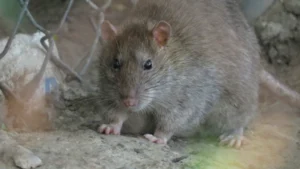
There’s also property damage to worry about. Rats need to constantly chew to keep their teeth from growing too long. They’ll chew on wood, plastic, cardboard, and even electrical wires. Rats chewing on wires in your walls is actually a serious fire hazard.
Once rats get inside and find food and shelter, they’ll start breeding. A female rat can have up to 12 babies in a litter and can get pregnant again right after giving birth. This means a small problem can turn into a major infestation in just a few weeks.
Your dog could also be at risk. If your dog encounters a rat inside your home, they might try to catch it. Rats can bite when cornered, and rat bites can get infected. Some dogs might also try to eat a rat, which could make them sick if the rat has been eating poison or carrying diseases.
How to Stop Rats from Using Your Dog Door
The good news is there are several effective ways to keep rats from using your dog door as their personal entrance.
The best solution is to upgrade to an electronic dog door that only opens for your specific dog. These doors use either a sensor on your dog’s collar or your dog’s microchip to unlock. When anything else (like a rat) tries to go through, the door stays locked. This completely blocks rats while still giving your dog full access.

If you can’t get an electronic door right now, you can lock your regular dog door at night. Most rats are active during nighttime hours, so locking the door from dusk until dawn will keep them out during their most active time. You’ll just need to let your dog out manually if they need to go during those hours.
Installing a dog door with a sliding panel is another good option. These doors come with a panel that slides over the opening from the inside. You can close the panel when your dog doesn’t need to go out, creating a solid barrier that rats can’t get through.
You can also add a secondary barrier or screen on the inside of your dog door. This creates an extra obstacle that makes it much harder for rats to actually get all the way into your home, even if they manage to push through the outer flap.
Some people have success with motion-activated devices near their dog door. These devices detect movement and make a loud noise or flash a bright light when something approaches. Rats don’t like sudden noises or lights, so this can scare them away. Just make sure you get one that won’t constantly go off when your dog uses the door.
What to Do If Rats Are Already Getting Inside
If you’ve discovered that rats are already using your dog door to get inside, you need to act quickly to deal with the problem.
First, don’t seal up the dog door right away if rats are already inside. If you trap them in your home, they’ll be forced to chew through walls, floors, and ceilings trying to find another way out. They’ll also keep breeding inside your house.
Start by removing anything that’s attracting rats. Don’t leave dog food or water bowls out, especially overnight. Store all pet food in thick plastic or metal containers with tight-fitting lids. Clean up any spills or crumbs, and make sure your garbage cans have secure lids.
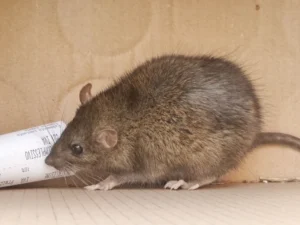
Set up traps near the dog door and in areas where you’ve seen signs of rats. Snap traps are the most effective and humane option when used correctly. Put them along walls and in corners where rats travel. Use peanut butter or bacon as bait since rats are really attracted to these smells.
Check your entire home for other entry points too. Rats rarely use just one way in. Look for cracks in your foundation, gaps around pipes, holes in your walls, and openings in your roof or attic. Seal any holes larger than a quarter inch using steel wool or metal mesh (rats can’t chew through metal).
You should also clean and disinfect areas where rats have been. Rat droppings and urine can carry diseases, so wear gloves and a mask when cleaning. Use a disinfectant solution and throw away anything that’s been contaminated.
Keeping Your Yard Rat-Free
Stopping rats at the dog door is important, but you also need to make your yard less attractive to rats so they don’t even come near your home.
Start by clearing away clutter. Remove piles of wood, leaves, rocks, or any debris from around your house. These piles give rats perfect hiding spots and nesting areas. The cleaner and more open your yard is, the less attractive it is to rats.
Trim back bushes, shrubs, and tree branches that are touching or close to your house. Rats use these as highways to reach your walls and roof. Keep plants at least 3 feet away from your house if possible.
Don’t leave dog food or water outside. If you feed your dog outside, only put food out when your dog is actually eating, and pick up the bowl as soon as they’re done. Any food left outside (even in a bowl) will attract rats.
Make sure your outdoor garbage cans have tight-fitting lids. Rats are attracted to garbage and will raid any can they can get into. If possible, store garbage cans in a garage or shed until trash day.
If you have bird feeders, know that they’re basically rat feeders too. Seeds that fall on the ground attract rats like crazy. If you want to keep your bird feeders, put trays underneath to catch falling seeds, and clean up any spilled seeds daily.
Check your yard for standing water. Rats need water every day, so any source of standing water (like birdbaths, clogged gutters, or puddles) will attract them. Fix leaky outdoor faucets and make sure water drains properly away from your house.
Conclusion
Rats can absolutely get through dog doors, and they will if you give them the chance. Dog doors provide easy access, especially when there’s food, water, or warmth inside your home.
The most effective way to stop rats from using your dog door is to upgrade to an electronic door that only opens for your dog. If that’s not possible, lock the door at night, remove food attractants, and make your yard less appealing to rats.
Don’t ignore the problem or hope it goes away on its own. Rats breed quickly, and a small problem can become a major infestation in just a few weeks. Take action as soon as you notice signs of rats, and your home (and your dog) will be much better off.

Hi, my name is Ezra Mushala, i have been interested animals all my life. I am the main author and editor here at snakeinformer.com.