
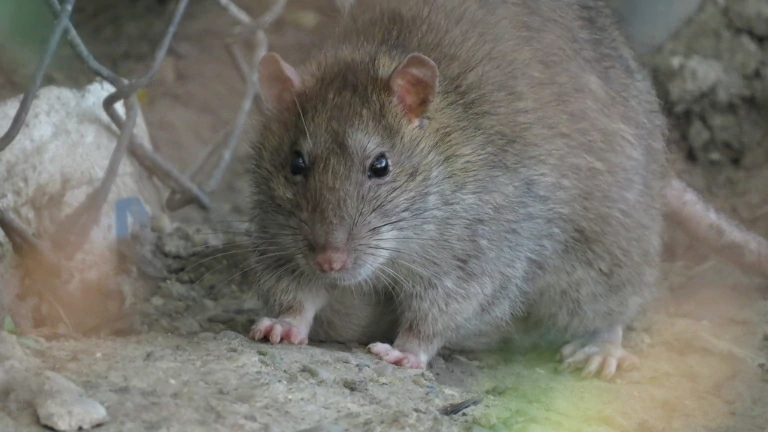
If you’ve ever kept pet rats, you might have noticed some interesting behavior when you give one rat more attention than another. Maybe one rat pushes the other away when you’re petting it, or acts differently when you bring a new rat into the cage. This kind of behavior makes many rat owners wonder: can rats actually get jealous?
Yes, rats can get jealous. They’re highly social and intelligent animals that form strong bonds with their owners and cage mates. When they see you giving attention to another rat or a new animal, they can show signs of jealousy like pushing the other rat away, trying to get your attention, or acting more aggressive.
Rats don’t experience jealousy exactly like humans do, but they definitely show behaviors that look a lot like it. When a rat feels like it’s losing your attention or its social status is being threatened, it’ll react in ways that are pretty similar to what we’d call jealousy.
How Rats Show Jealousy
Rats are really smart creatures with complex emotions. When they feel jealous, they don’t hide it very well.
One of the most common signs is physical interference. If you’re petting one rat, a jealous rat will literally push its way between you and the other rat. It’s their way of saying “hey, pay attention to me instead.”
You might also notice that a jealous rat tries harder to get your attention. It’ll climb on you, nibble at your fingers gently, or make little squeaking sounds. Basically, it’s doing everything it can to redirect your focus back to itself.
Some rats get more aggressive when they’re jealous. This doesn’t mean they’ll attack you, but they might be rougher with the other rat. You could see more wrestling, chasing, or even some light biting between cage mates.
Why Rats Experience Jealousy
Jealousy in rats actually makes a lot of sense when you think about their social nature. In the wild, rats live in large groups with clear social structures.
Competition for resources is a big part of rat life. Even though your pet rats have plenty of food and water, they still have that instinct to compete. Your attention is a valuable resource to them, just like food or a good sleeping spot.
Rats form really strong bonds with their owners. When you handle them regularly, play with them, and give them treats, they see you as part of their social group. So when another rat gets your attention, it can feel threatening to that bond.
Social hierarchy matters a lot to rats too. Even in a small group of pet rats, there’s always a pecking order. A dominant rat might get jealous if a lower-ranking rat is getting special treatment, because it challenges their position in the group.
Jealousy Between Cage Mates
When you keep multiple rats together, jealousy can pop up pretty regularly. It’s just part of how they interact with each other.
Introducing a new rat to an existing group often brings out jealous behavior. Your current rats have already established their relationships and routines. A new rat changes all of that, and your existing rats might not be happy about it.
The resident rats might act more possessive of you when the new rat is around. They’re basically trying to show the newcomer that you’re “their” human, not the new rat’s.
You might see your rats competing more intensely for your attention during playtime. If you have three rats and you’re only petting one, the other two will probably try to join in or push the first rat away.
Some rats even get jealous over toys or treats. If you give one rat a special treat, another rat might try to steal it, even if there are identical treats available.
How Smart Are Rats Really?
To understand rat jealousy, you need to know just how intelligent these animals are. Rats aren’t simple creatures at all.
Studies have shown that rats can learn complex tasks, remember solutions to problems, and even show empathy for other rats. They’re way smarter than most people give them credit for.

Rats can recognize individual humans and other rats. Your pet rat knows who you are and can tell you apart from other people. This ability to recognize individuals is actually necessary for feeling jealous in the first place.
They also have good memories. If one rat got more treats than another yesterday, the other rat might remember that and act differently today. This kind of memory plays into jealous behavior.
Rats can even understand cause and effect. They know that certain behaviors get your attention, and they’ll use those behaviors strategically when they want something from you.
Dealing With Jealous Rats
If your rats are showing signs of jealousy, there are some things you can do to help keep the peace.
Give each rat individual attention every day. Spend one-on-one time with each rat so they all feel special and valued. This can really cut down on competitive behavior.
When you’re handling multiple rats at once, try to pet and interact with all of them equally. Rats are watching and they’ll notice if one rat is getting more attention than the others.
During introductions of new rats, take it slow. Don’t rush the process. Let your rats get used to each other gradually, and make sure you’re still giving your existing rats plenty of attention during this time.
Provide enough resources for all your rats. Make sure there are enough hiding spots, toys, and food bowls so rats don’t feel like they need to compete for basic things.
If one rat is being really aggressive due to jealousy, you might need to separate them temporarily and reintroduce them more carefully.
Rats and Their Owners
The bond between a rat and its owner is actually pretty remarkable. Rats can form attachments that are just as strong as those formed by more traditional pets like dogs or cats.
Your rat sees you as a member of its social group. You’re not just the food provider, you’re actually part of the family in your rat’s mind.

This is why rats can get so jealous when you interact with other animals. From their perspective, you’re their friend and companion, and they don’t want to share you.
Rats will often show preference for their primary caregiver. If one person in the household feeds and handles the rats most often, the rats will usually bond more strongly with that person.
They’ll come when you call them, seek out your company, and even try to groom you by licking your hands. These are all signs of a strong bond, and that bond is what makes jealousy possible.
Can You Prevent Rat Jealousy?
You can’t completely prevent jealousy in rats because it’s a natural part of their social behavior. But you can manage it so it doesn’t become a problem.
Start with multiple rats from the beginning if possible. Rats that grow up together from a young age usually have less intense jealousy issues than rats introduced later.
Establish routines for attention and playtime. If your rats know they each get their turn with you every day, they’ll be less anxious about competing for your time.
Don’t accidentally reward jealous behavior. If a rat pushes another rat away and then gets your attention, you’re teaching it that jealousy works. Instead, redirect your attention to the rat that was pushed away.
Keep your rats’ environment enriched with plenty of activities and toys. Bored rats are more likely to fixate on competing for your attention.
Other Emotions Rats Can Feel
Jealousy isn’t the only complex emotion rats experience. These animals have a surprisingly rich emotional life.
Rats can feel happiness and excitement. You can see this when they do “popcorning” (jumping around excitedly) or when they brux (grind their teeth in contentment).
They can also feel sadness and depression. Rats that lose a cage mate often show signs of grief, like eating less and being less active.
Fear and anxiety are common in rats too. They’re prey animals in the wild, so they’re naturally cautious. Some rats are braver than others, but all rats can feel scared.
Rats can even feel empathy. Studies have shown that rats will help other rats in distress, even if there’s no benefit to themselves.
Signs Your Rat Trusts You
A rat that’s bonded with you (and therefore capable of jealousy) will show specific signs of trust and affection.
Your rat will take food directly from your hand without hesitation. It’ll also eat near you without acting nervous or watching you constantly.
A trusting rat will sleep near you or even on you. Rats are vulnerable when they sleep, so choosing to sleep near you means they feel safe with you.
They’ll groom you by licking your hands or fingers. This is how rats show affection and strengthen social bonds with each other, and they’ll do it with humans they trust.
Your rat will come to you when called and will seek out your company during free roam time. If a rat wants to be near you, that’s a clear sign of trust and bonding.
What This Means for Rat Owners
Understanding that rats can feel jealousy changes how you should approach rat care. These aren’t just simple pets that need food and water.
You need to think about your rats’ emotional needs just as much as their physical needs. They need social interaction, mental stimulation, and fair treatment.
If you’re getting multiple rats, be prepared to give each one individual attention. It takes more time, but it’s necessary for their emotional wellbeing.
Watch for signs of jealousy and address them early. Small jealousy issues are easy to fix, but if you ignore them, they can turn into bigger behavioral problems.
Remember that your rats see you as part of their social world. The relationships you build with them are real and meaningful, at least from their perspective.
Conclusion
Rats can definitely get jealous, and it’s actually a sign of how smart and emotionally complex they are. When your rat pushes another rat away from you or tries extra hard to get your attention, it’s showing that it values its relationship with you.
Jealousy in rats isn’t something to worry about too much. It’s normal behavior that you can manage with fair treatment and plenty of attention for all your rats. The fact that rats can feel jealous just shows how much they care about their bonds with you and their cage mates.
If you’re a rat owner, take it as a compliment when your rat shows a little jealousy. It means you’ve successfully bonded with your pet, and it sees you as an important part of its social group. Just make sure all your rats get equal love and attention, and everyone will be happy.

Hi, my name is Ezra Mushala, i have been interested animals all my life. I am the main author and editor here at snakeinformer.com.