
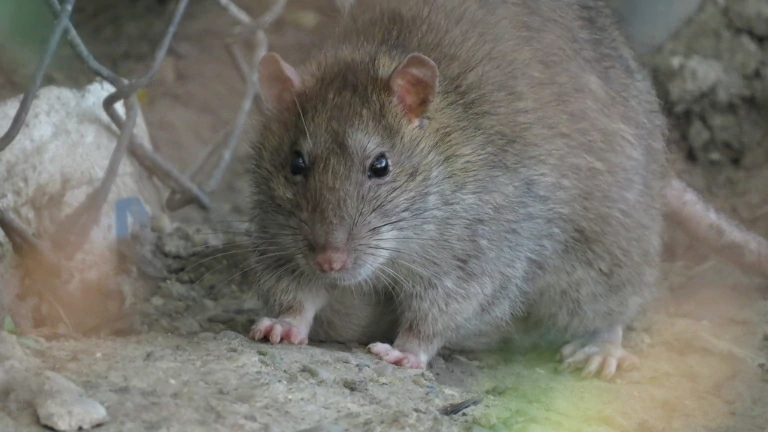
Your attic sits at the top of your home, often undisturbed for months or years at a time. It’s warm, dark, and full of places to hide. If you’ve heard strange noises coming from above your ceiling or found signs of pests in your home, you might be wondering: can rats get into your house through the attic?
Yes, rats can get into your house through the attic. Once they find a way onto your roof (through tree branches, utility lines, or climbing your walls), they can enter the attic through gaps in vents, damaged soffits, roof edges, or holes in the roof itself. From the attic, they can then move down into your living spaces through walls and ceiling openings.
Attics are actually one of the most common places rats enter homes. The combination of easy access from outside and multiple pathways into the rest of the house makes attics a major vulnerability.
How Rats Get Onto Your Roof
Before rats can get into your attic, they first need to get onto your roof. Rats are surprisingly good climbers and have several ways to reach high places.
Tree branches that overhang your roof are like highways for rats. If branches touch or come within a few feet of your roof, rats can easily jump the gap. Roof rats (also called black rats) are especially good at this and are named for their habit of living in high places.

Utility lines and cables running to your house provide pathways from trees or poles to your roof. Rats can run along power lines, phone lines, and cable TV lines like tightrope walkers. They use these lines to travel between trees, poles, and buildings.
Climbing your walls directly is another method rats use. Rough surfaces like brick, stone, or textured stucco give them enough grip to climb straight up. Rats can scale vertical walls that are 10 or 15 feet high without much trouble.
Vines and climbing plants on your walls make it even easier. Ivy, wisteria, and other plants create natural ladders that rats use to reach your roof. The plants also provide cover, making rats feel safer during the climb.
Adjacent structures like garages, sheds, or lower roof sections give rats stepping stones to reach higher areas. They might climb onto a garage roof first, then jump or climb to your main roof from there.
Downspouts and drain pipes offer rats textured surfaces to grip as they climb. The vertical pipes and their mounting brackets create a ladder-like path to your roof.
Common Attic Entry Points for Rats
Once rats are on your roof, they look for ways into your attic. Homes have many potential entry points that rats can exploit.
Roof vents are designed to let air flow in and out of your attic, but they can also let rats in. Many roof vents have louvers or screens that are supposed to keep pests out, but these screens often get damaged or were never adequate in the first place.
Gable vents at the ends of your attic are large openings that need screening. If the screen is damaged, missing, or has gaps around the edges, rats can squeeze through. Some older homes have gable vents with no screening at all.

Soffit vents run along the underside of your roof overhang. These vents have small holes or slots for ventilation. If the screening behind these vents is damaged or if there are gaps where the soffit meets the wall, rats can get through.
Ridge vents at the peak of your roof sometimes have gaps or inadequate screening. While less common as entry points, determined rats can work their way under ridge vent caps if there are openings.
Gaps where the roof meets the walls are common weak spots. If the flashing or trim in these areas is damaged or loose, rats can squeeze through surprisingly small openings. They only need a hole about the size of a quarter to get through.
Holes or damage in the roof itself create direct entry points. Missing shingles, damaged flashing around chimneys, or rotted wood in the roof deck all give rats access.
Gaps around chimneys and pipes that penetrate the roof are often poorly sealed. The flashing around these features sometimes leaves small gaps that rats can exploit.
Damaged or loose fascia boards at the edges of your roof can hide gaps large enough for rats to enter. These boards often rot from moisture exposure, creating weak spots.
Why Rats Love Attics
Understanding what makes attics attractive to rats helps you appreciate why they work so hard to get in.
Attics are warm and dry. The heat from your living spaces rises into the attic, making it warmer than the outside environment. During cold weather, this warmth is incredibly attractive to rats looking for shelter.
Attics are usually undisturbed. Most people rarely go into their attics, maybe once or twice a year. This lack of human activity makes rats feel safe. They can nest and raise babies without being bothered.

Insulation in attics provides perfect nesting material. Rats will shred and move insulation to create comfortable nests. Fiberglass insulation, blown-in cellulose, and other materials are all used by rats for this purpose.
Attics are dark. Rats are nocturnal and prefer darkness. The dim, shadowy environment in most attics suits them perfectly.
Attics provide access to the rest of your home. Rats in your attic can move down through wall cavities, drop down through gaps around pipes and wires, or find other routes into your living spaces.
Food sources might be stored in attics. If you keep boxes of old clothes, books, or other items in your attic, rats might find unexpected food sources in glue, paper, or organic materials.
Water can sometimes be found in attics. Condensation on pipes, leaks in the roof, or even moisture from bathroom vents that terminate in the attic can provide rats with drinking water.
Signs That Rats Are in Your Attic
You might not see rats in your attic directly, but several signs tell you they’re there.
Scratching and scurrying sounds from above are the most obvious sign. Rats are most active at night, so if you hear noises in your ceiling or attic after dark, rats are probably the cause. The sounds might include running, scratching, or even fighting.
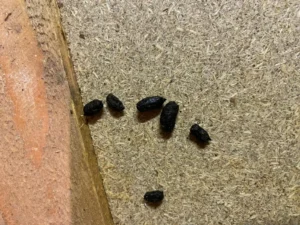
Droppings in your attic are a clear sign. Rat droppings are dark brown or black pellets about half an inch long, shaped like grains of rice with pointed ends. Fresh droppings are shiny and soft, while old ones are gray and hard.
Gnaw marks on wood, wires, or stored items show rats have been chewing. Look at rafters, roof decking, electrical cables, and cardboard boxes. Fresh gnaw marks are lighter in color and have sharp edges.
Nests made from shredded insulation, fabric, or paper indicate rats are living in your attic. These nests are usually in corners or under insulation where they’re hidden from view.
Tracks and runways are visible in dusty attics. Rats follow the same paths repeatedly, creating trails in dust or disturbed insulation. You might see greasy rub marks along these paths from their oily fur.
Urine stains show up as dark spots or streaks in your attic. Rats urinate frequently as they travel, marking their territory. You might also notice a strong ammonia smell from rat urine.
Damaged insulation that looks compressed, moved, or shredded indicates rat activity. Rats nest in insulation and move through it, leaving visible trails and bare spots.
Dead rats or a strong smell might indicate a rat died in your attic. The smell of decomposition is unmistakable and can last for weeks.
How Rats Get From Your Attic Into Living Spaces
Having rats in your attic is bad enough, but the real problem starts when they find their way into the rest of your house.
Wall cavities connect your attic to lower floors. Rats can squeeze down through the spaces inside your walls, following pipes and electrical wires. Once in the walls, they can emerge through gaps around baseboards, behind appliances, or through holes for utilities.
Gaps around plumbing pipes and electrical wires create pathways. Anywhere these utilities pass through floors or ceilings, there might be openings that rats can use to move between levels.
Drop ceilings in basements or commercial spaces provide easy access. Rats can move above drop ceiling tiles and pop through gaps or push tiles aside to get into rooms below.
Gaps around recessed lights or ceiling fans can be entry points from the attic. If these fixtures aren’t properly sealed, rats can squeeze through the gaps around them.
Ductwork and HVAC systems provide highways through your home. Rats can enter ductwork in the attic and travel through the system. They might chew through flexible ducts or find gaps where ducts connect.
Gaps around bathroom exhaust fans or kitchen range hoods create openings. These features often have ductwork that runs through the attic, and rats can follow these ducts into living spaces.
Gaps in the ceiling drywall, especially around old repairs or in closets, give rats direct access. Even small cracks can be widened by a rat’s teeth.
Preventing Rats From Getting Into Your Attic
The best approach is to stop rats from getting into your attic in the first place. Prevention focuses on blocking access routes and making your roof less accessible.
Trim tree branches so they’re at least 6 to 8 feet away from your roof. This prevents rats from jumping onto your roof from trees. Cut branches back farther if you have persistent problems.
Remove climbing plants from your walls. While ivy and other climbing plants look nice, they give rats an easy path to your roof. Consider alternative landscaping that doesn’t provide rat ladders.

Install guards on utility lines to prevent rats from using them as bridges. These are cone-shaped or disk-shaped barriers that rats can’t climb around. Your utility company might install these on their lines if you request them.
Inspect and repair all roof vents. Make sure every vent has intact screening with holes no larger than 1/4 inch. Replace damaged screens or add hardware cloth behind existing screens.
Check soffit vents for gaps and damage. Repair or replace damaged sections and make sure screens are properly secured. Use hardware cloth with 1/4-inch openings for the best protection.
Seal gaps around chimneys, pipes, and other roof penetrations. Use sheet metal, hardware cloth, or roof cement to fill these openings. Make sure there are no gaps larger than 1/4 inch.
Repair damaged fascia boards and make sure there are no gaps where the roof meets the walls. Replace rotted wood and ensure all trim is tight against the roof structure.
Install chimney caps if you don’t already have them. These metal covers with screens keep rats (and other animals) from entering through your chimney.
What to Do If Rats Are Already in Your Attic
If you’ve discovered rats are already living in your attic, you need to act quickly to remove them and prevent them from moving into your living spaces.
Don’t seal entry points yet if rats are still inside. If you close up holes while rats are in the attic, they might die in there (causing terrible smells) or they’ll chew new holes to escape, potentially entering your living spaces.
Set traps in your attic to catch the rats. Snap traps work well for rats. Use peanut butter, dried fruit, or bacon as bait. Place traps along walls and in areas where you’ve seen droppings or other signs of activity.

Check traps daily. Rats can die in traps, and you need to remove dead rats promptly. Wear gloves when handling traps and dispose of dead rats properly in sealed plastic bags.
Consider calling a pest control professional if the infestation is significant. Professionals have experience and can often eliminate rats faster and more completely than DIY efforts.
Once you’re sure all rats are gone (no sounds, no fresh droppings for at least a week), seal all entry points. Use materials rats can’t chew through: hardware cloth, sheet metal, or cement.
Clean your attic thoroughly after rats are removed. Rat droppings, urine, and nesting materials can carry diseases. Wear protective gear including a mask, gloves, and protective clothing. Use disinfectant and properly dispose of contaminated materials.
Replace damaged insulation if necessary. Insulation that’s been heavily contaminated with rat urine or has been used for nesting should be replaced. This improves your home’s energy efficiency and eliminates health hazards
Conclusion
Rats can definitely get into your house through the attic, and this is actually one of the most common ways they invade homes. They climb onto your roof using trees, utility lines, or the walls themselves, then find entry points through vents, gaps, or damage in the roof structure.
Once in the attic, rats can cause serious damage to wiring, insulation, and structural components. They can also find their way down into your living spaces through wall cavities and gaps around utilities.
Prevention focuses on making your roof inaccessible (by trimming trees and removing climbing plants) and sealing all potential entry points with materials rats can’t chew through. Regular inspections help you catch problems early.
If rats are already in your attic, act quickly to trap and remove them, then seal all entry points after you’re sure they’re gone. Professional help is often worth the cost, especially for severe infestations or difficult-to-access areas.

Hi, my name is Ezra Mushala, i have been interested animals all my life. I am the main author and editor here at snakeinformer.com.