
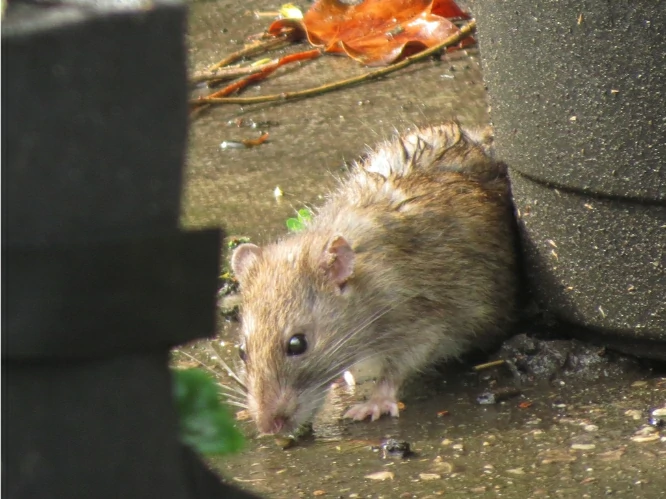
The idea of rats swimming through your plumbing and potentially coming up through your drains sounds like a nightmare, but is it actually possible? If you’re worried about rats in your home’s plumbing system, you need to know the facts. Can rats get into water pipes?
Yes, rats can get into water pipes, especially sewer and drain pipes that are 3 inches or larger in diameter. They’re excellent swimmers and can hold their breath for up to 3 minutes, which lets them navigate through water-filled pipes. However, they usually can’t get into clean water supply pipes, which are under pressure and too small.
Rats are way more capable in water than most people realize. They can swim for long distances, tread water for days, and squeeze through pipes you wouldn’t think possible.
How Rats Get Into Your Plumbing System
Rats don’t usually start inside your pipes. They enter the plumbing system from outside your home.
Sewer systems are the main entry point. Rats live in sewer systems in large numbers because sewers provide everything they need (food, water, shelter). From the main sewer lines, rats can travel through the pipes that connect to your home.

Broken or cracked sewer pipes make it easy for rats to get in. If your home’s sewer line has cracks or breaks (which is common in older pipes), rats living in the soil around the pipe can squeeze through these openings.
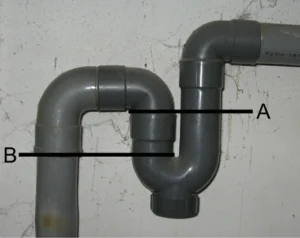
Floor drains in basements or garages can be entry points. If these drains aren’t used often, the water in the P-trap (the U-shaped pipe underneath) can evaporate. Without water in the trap, rats can climb up from the sewer.
Damaged vent pipes on your roof can let rats into your plumbing system from above. Every plumbing system needs vent pipes that stick up through your roof. If these aren’t properly screened or if the screen is damaged, rats can climb down through them.
Rats follow pipes through your walls. Even if they don’t start in the pipes, rats often travel alongside plumbing pipes and may chew through them to access water.
Which Pipes Rats Can Actually Get Into
Not all pipes in your home are equally vulnerable to rats.
Sewer and drain pipes are the most vulnerable. These pipes carry waste water away from your home, and they’re usually 3-4 inches in diameter or larger. Rats can easily fit through and swim in pipes this size.
Toilet drains are especially at risk. The drain pipe from your toilet is typically 3-4 inches wide, which is plenty of room for a rat. There are documented cases of rats coming up through toilets.
Bathtub and shower drains can admit rats if the P-trap dries out. These drains connect to larger pipes where rats can travel, and if the trap isn’t holding water, rats can climb up.
Floor drains in basements, laundry rooms, and garages are common entry points. These drains often go unused for long periods, allowing the P-trap to dry out completely.
Clean water supply pipes are usually safe from rats. These pipes are under pressure, filled with clean water, and typically only 1/2 to 1 inch in diameter. Rats can’t swim upstream against the water pressure, and the pipes are too small anyway.
How P-Traps Protect You From Rats
Understanding P-traps is really important for keeping rats out of your home through drains.
A P-trap is the U-shaped section of pipe under every drain in your home. It’s designed to hold water even when the drain isn’t being used.
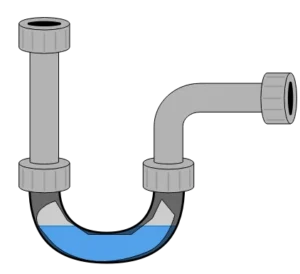
The water in the P-trap creates a barrier that rats can’t get through. As long as there’s water in the trap, rats swimming through your sewer pipes can’t climb up through your drains.
P-traps also block sewer gases from coming up into your home. So if you smell sewer gas coming from a drain, that’s a sign the P-trap might be dry or broken, which also means rats could potentially get through.
P-traps can dry out if the drain isn’t used regularly. In a bathroom you rarely use, a basement floor drain, or a shower in a guest room, the water can evaporate over a few weeks or months.
You should run water in every drain in your home at least once a month. This keeps the P-traps filled and maintains the barrier against rats (and sewer smells).
Signs That Rats Are in Your Pipes
If rats are in your plumbing system, you’ll probably notice some warning signs.
Strange sounds coming from your drains or pipes are a red flag. You might hear squeaking, scratching, or splashing sounds, especially at night when rats are most active.
Slow drains that aren’t caused by normal clogs could indicate rats. If a rat is stuck in a pipe or has built a nest in a larger drain, it can partially block water flow.
Sewer smells coming from drains suggest the P-trap is dry or damaged. As mentioned, this also means rats could potentially get through.
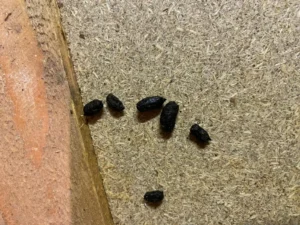
Droppings near drains or in the bathroom are a clear sign. If you find rat droppings around your toilet, near a floor drain, or in your basement near plumbing, rats have been there.
You might actually see a rat in your toilet. While rare, this does happen. If you lift the lid and see a rat, don’t flush! The rat will panic and might jump out. Close the lid and put something heavy on it, then call a pest control professional.
Scratching sounds inside walls where pipes run suggest rats are traveling alongside your plumbing.
What to Do If You Find a Rat in Your Toilet
Finding a rat in your toilet is terrifying, but you need to stay calm and handle it safely.
Don’t flush the toilet. Flushing will panic the rat and might make it jump out. It also won’t necessarily get rid of the rat since they can swim and hold their breath.
Close the toilet lid and put something heavy on top. This contains the rat while you figure out what to do next.
Don’t try to catch or kill the rat yourself if you can avoid it. Rats can bite when cornered, and they carry diseases.
Call a pest control professional or animal control. They have the tools and experience to safely remove the rat and figure out how it got into your plumbing.
Check all your other toilets and drains. If one rat got in, there might be more, or other drains might be vulnerable.
After the rat is removed, you’ll need to figure out how it got into your plumbing system. A plumber or pest control expert can inspect your sewer line and drains.
How to Prevent Rats From Getting Into Your Pipes
You can take several steps to rat-proof your plumbing system.
Keep all P-traps filled with water. Run water in every drain in your home at least once a month, even in drains you don’t normally use. This maintains the water barrier that keeps rats out.
Install drain covers on floor drains. Special covers with small openings let water drain out but keep rats from climbing up. These are especially important for basement floor drains.
Put toilet lid locks on toilets you don’t use often. If you have a guest bathroom or spare bathroom, a simple toilet lid lock prevents rats from getting out if they somehow get into that toilet.
Keep your toilet lid closed when not in use. While this won’t stop a rat from getting into the toilet bowl, it will keep the rat from getting into your bathroom.
Have your sewer line inspected regularly. A plumber can use a camera to check your sewer line for cracks, breaks, or other damage that rats could use to enter. Fix any problems right away.
Make sure vent pipes on your roof have proper screens. Check these screens regularly and replace them if they’re damaged. The mesh should be small enough to keep rats out.
Fix any plumbing leaks immediately. Leaks can weaken pipes and joints, creating entry points for rats. Plus, rats are attracted to water.
Can Rats Chew Through Pipes?
Rats have incredibly strong teeth, but not all pipes are vulnerable to their chewing.
Rats can chew through some types of pipes. PVC plastic pipes, ABS pipes, and lead pipes can all be damaged by rat teeth over time.
Copper pipes are more resistant but not completely rat-proof. Rats can chew through thin copper pipes if they’re really determined, though it takes them longer.
Cast iron and steel pipes are generally safe from rat teeth. These materials are too hard for rats to chew through.
Rats are more likely to chew pipes from the outside than from inside. A rat in your basement might chew through an exposed PVC drain pipe to access the water inside.
Old, corroded pipes are more vulnerable. If your pipes are already weakened by age or corrosion, rats can damage them more easily.
The Connection Between Rats and Sewer Systems
Understanding how rats live in sewers helps you understand the risk to your home’s plumbing.
Rats thrive in sewer systems. Sewers provide everything rats need: food (they eat human waste and anything else that goes down drains), water, shelter, and stable temperatures.
Major cities have huge rat populations living in their sewers. In places like New York City, there are millions of rats living underground in the sewer system.
Rats navigate sewer pipes really well. They know the layout of the system and can travel long distances through the pipes.
Your home’s sewer line connects directly to the main sewer system. This means rats in the city sewer can potentially travel all the way to your house through the pipes.
Sewer rats are looking for places to nest and find food. If they can get into your home’s plumbing, they will.
Modern Plumbing Protection
Newer homes have some features that make it harder for rats to get into plumbing.
Backwater valves can be installed in your main sewer line. These valves let water flow out but prevent anything from coming back up, including rats.
One-way drain covers let water out but don’t let anything come up. You can install these on drains that are vulnerable to rat entry.
Sealed sewer connections in newer homes are tighter and better sealed than in older homes. This makes it harder for rats to get from the main sewer into your home’s line.
Modern P-traps are designed better than old ones. They’re less likely to leak or fail, which means they maintain the water barrier more reliably.
However, no plumbing system is completely rat-proof. Even new homes can have problems if the plumbing isn’t maintained properly.
What Plumbers Can Do to Help
If you’re worried about rats in your pipes, a plumber can help in several ways.
A plumber can inspect your sewer line with a camera. This special camera can travel through your pipes and show any cracks, breaks, or other damage that could let rats in.
They can repair or replace damaged pipes. If your sewer line has problems, fixing them will close off entry points for rats.
A plumber can install backwater valves or one-way drains. These devices add extra protection against rats coming up through your plumbing.
They can check all your P-traps and make sure they’re working properly. If any traps are damaged or poorly installed, a plumber can fix them.
A plumber can also seal gaps where pipes enter your home. Where your sewer line, water line, and other pipes come through your foundation or walls, there might be gaps that need to be sealed.
Health Risks of Rats in Your Plumbing
Having rats in your pipes isn’t just gross. It’s a real health hazard.
Rats contaminate water and surfaces with bacteria. When rats travel through your plumbing, they leave behind bacteria from their feet, fur, and waste.
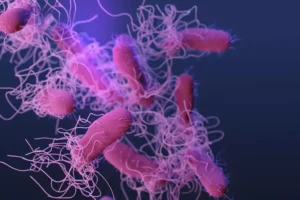
Diseases like leptospirosis can be spread through rat urine. If rat urine gets into your drains or pipes, you could be exposed to this disease when you use those drains.
Rats carry parasites like fleas and mites. These parasites can spread from rats to your home through drains and pipes.
If a rat dies in your pipes, it creates a health hazard. The decomposing body can contaminate your plumbing and create an awful smell.
You should never touch a rat or rat droppings without protection. Always wear gloves, and wash your hands thoroughly with soap and hot water afterward.
Conclusion
Rats can definitely get into water pipes, especially sewer and drain pipes that are large enough for them to fit through. They’re strong swimmers who can hold their breath for several minutes, and they live in sewer systems where they have direct access to your home’s plumbing.
The P-traps under your drains are your main protection against rats coming up through pipes. As long as these traps hold water, rats can’t get through. But if the traps dry out, rats can climb up through any drain in your home.
You can protect yourself by running water in all drains monthly, installing drain covers on vulnerable drains, keeping toilet lids closed, and having your sewer line inspected regularly. If you find signs of rats in your plumbing (strange sounds, slow drains, droppings, or actually seeing a rat), call a professional right away.
Your clean water supply pipes are generally safe because they’re under pressure and too small for rats. The real risk is with your drain and sewer pipes, which connect directly to the sewer system where rats live.

Hi, my name is Ezra Mushala, i have been interested animals all my life. I am the main author and editor here at snakeinformer.com.