
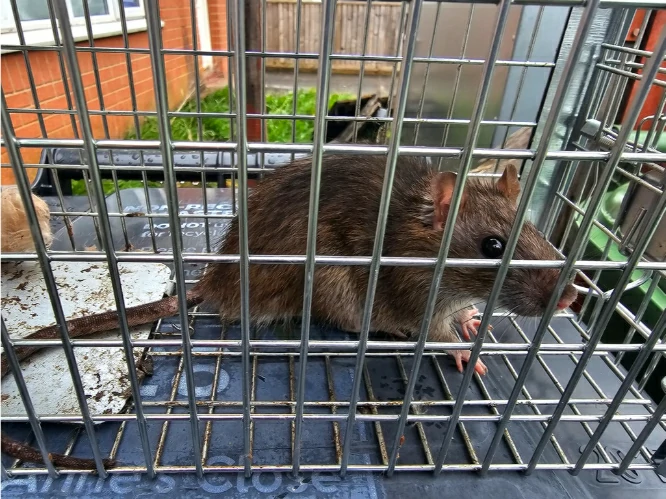
Finding signs of rats in your kitchen is already stressful enough, but the thought of them getting into your fridge where you store food is even worse. You might wonder if your fridge is actually safe from these pests. Can rats get into the fridge?
Rats can’t usually get inside a closed fridge because the door seals tightly and the interior is cold (which they avoid). However, rats can get into the mechanical compartment at the back or bottom of your fridge, and they can chew through the insulation and wiring. They can also get inside if you leave the fridge door open.
The inside of your fridge is actually one of the safer places in your kitchen when it comes to rats. But that doesn’t mean rats can’t cause problems with your refrigerator or the area around it.
Why Rats Usually Can’t Get Inside Your Fridge
Your refrigerator is designed to keep cold air in and warm air out, which also happens to keep rats out.
The door seal (also called a gasket) creates an airtight barrier when the fridge is closed. This rubber seal goes all the way around the door and presses tightly against the fridge body. Rats can’t squeeze through this seal when the door is closed properly.
The cold temperature inside is another barrier. Rats are warm-blooded animals that avoid cold environments. Even if a rat could somehow get inside your fridge, the cold temperature (usually around 35-40°F) would be really uncomfortable and potentially dangerous for them.
The solid construction of the fridge itself also keeps rats out. The interior walls are made of plastic or metal that rats can’t chew through easily, especially when it’s cold and hard.
Where Rats Can Get Into Your Refrigerator
Just because rats can’t get into the cold storage area doesn’t mean they can’t access other parts of your fridge.
The back of your refrigerator is really vulnerable. This is where the compressor, coils, and other mechanical parts are located. There’s usually a panel covering this area, but rats can chew through plastic panels or squeeze through gaps to get inside this compartment.
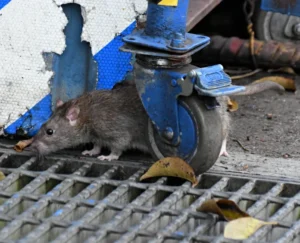
The bottom of the fridge is another common entry point. Many fridges have a space underneath where the compressor sits, and this area often has openings for ventilation and drainage. Rats can easily get into this space.
Behind the insulation is where rats love to nest. Your fridge has insulation between the outer shell and the inner cold box. If rats chew through the outer casing, they can burrow into this insulation and create a nest. It’s warm (from the heat the fridge produces), hidden, and protected.
Around the water line is also vulnerable if you have an ice maker or water dispenser. The water line that connects to your fridge creates a pathway that rats can follow from your walls to your refrigerator.
Signs That Rats Are in or Around Your Fridge
If rats have made their way to your refrigerator, you’ll notice some clear warning signs.
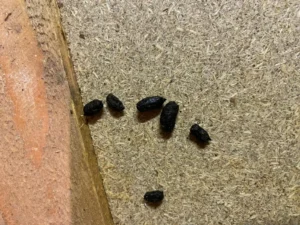
Droppings near or behind the fridge are usually the first thing people notice. Rat droppings are dark, about the size of a raisin, and you’ll often find them in clusters where rats travel or nest.
A strong smell is another sign. Rats have a really distinctive musky odor, and their urine smells even worse. If you smell something weird coming from behind or under your fridge, it could be rats.
Strange noises from your fridge at night are a red flag. You might hear scratching, squeaking, or rustling sounds. These sounds are different from the normal humming and clicking your fridge makes.
Chew marks on wires or hoses are a clear sign. If you pull your fridge out from the wall and see bite marks on the power cord, water line, or any plastic parts, rats have definitely been there.
Your fridge might also stop working properly. If rats chew through important wires or damage components, your fridge might not cool correctly, the ice maker might stop working, or the fridge might not run at all.
What Happens If Rats Get Into Your Fridge Components
Having rats in or around your refrigerator can cause serious problems that go beyond just being gross.
Electrical damage is really common. Rats love to chew on wires, and your fridge has lots of electrical components. If they chew through the power cord or internal wiring, your fridge will stop working. Even worse, damaged wiring can create a fire hazard.
They can damage the compressor and cooling system. If rats nest in the mechanical compartment, they can block ventilation, chew through refrigerant lines, or damage the compressor. Fixing or replacing these parts is really expensive.
Insulation damage is another problem. If rats burrow into the insulation in your fridge walls, they destroy the material that keeps your fridge cold. This makes your fridge work harder and use more energy, and it might not cool properly anymore.
Water line damage can cause leaks. If you have an ice maker or water dispenser and rats chew through the water line, you’ll have water leaking behind your fridge. This can cause water damage to your floors and walls.
There are also serious health risks. Rats carry diseases and parasites, and they contaminate everything they touch with their urine and droppings. If rats are living in your fridge components, they’re spreading bacteria all around your kitchen.
Can Rats Get Inside If You Leave the Door Open?
If you leave your fridge door open (even for a short time), rats could potentially get inside the cold storage area.
A rat could climb or jump into an open fridge. Rats are good climbers and can jump pretty high when they need to. If your fridge door is open and a rat is nearby, it could get inside in just a few seconds.
However, rats usually won’t stay in the cold. Once inside, the cold temperature would be really uncomfortable. The rat would probably try to get out as quickly as possible.
But in those few seconds or minutes, a rat could contaminate your food. Even brief contact with rat feet, fur, or droppings can spread bacteria and disease to your food.
This is why you should never leave your fridge door open unnecessarily. Close it right away after getting what you need, and make sure it seals properly.
How to Keep Rats Away From Your Refrigerator
You can take several steps to protect your fridge and keep rats from accessing any part of it.
Keep the area around your fridge clean. Don’t let crumbs, spills, or food debris build up on the floor around your fridge. Wipe up spills immediately and sweep regularly.
Pull your fridge out and clean behind it every few months. This lets you remove any food debris that’s fallen back there, check for signs of rats, and inspect the mechanical components and wiring.
Seal any gaps or holes near your fridge. Check where the water line enters through the wall or floor, and seal any openings with steel wool and caulk. Rats can’t chew through steel wool.
Check your fridge door seal regularly. Press a piece of paper between the door and the fridge body, then close the door. If you can pull the paper out easily, your seal isn’t tight enough. You might need to clean the seal or replace it.
Fix any leaks or moisture problems immediately. Rats are attracted to water, so a leaking water line or condensation buildup will draw them to your fridge.
Store food properly in sealed containers. Don’t keep food in open packages or containers that rats could smell. Use airtight containers for everything.
What to Do If Rats Are Already at Your Fridge
If you’ve discovered that rats are in or around your refrigerator, you need to act quickly.
First, unplug your fridge if you can (or at least be really careful around the electrical components). You don’t want to get shocked while you’re dealing with the rat problem.
Don’t use your fridge until you’ve solved the problem. If rats have been inside or around your fridge, they’ve probably contaminated it. Using it before cleaning could spread bacteria to your food.
Set traps around and behind the fridge. Place snap traps along the wall where rats travel. You can also use live traps if you prefer, but you’ll need to release the rats far from your home.
Pull the fridge out from the wall so you can inspect all sides and the back. Look for droppings, nesting material, chew marks, or damage to wires and hoses.
Call a pest control professional if the problem is serious. If you’re dealing with multiple rats or you can’t figure out how they’re getting in, a professional can help identify entry points and eliminate the infestation.
Clean and disinfect everything thoroughly. Use a disinfectant to clean all surfaces of your fridge, inside and out. Pay special attention to the areas where rats have been.
Inspecting Your Fridge for Rat Damage
After you’ve removed any rats, you need to carefully check your fridge for damage.
Check the power cord first. Look along its entire length for any bite marks, exposed wires, or damage. If the cord is damaged, don’t plug the fridge in. You’ll need to replace the cord or call a repair technician.
Inspect the water line if you have one. Look for any cracks, holes, or bite marks. Even a small hole can cause a leak, so check carefully.
Look at the back panel and mechanical compartment. Remove the panel if you can and check inside for nesting material, droppings, or damage to the compressor, fan, or other parts.
Check the insulation around the fridge body. If you see any areas where the outer casing has been chewed through, rats might have burrowed into the insulation. This usually requires professional repair.
Test your fridge before putting food back in. Plug it in and let it run for a few hours to make sure it’s cooling properly and there are no leaks or strange noises.
Protecting a Garage or Basement Fridge
If you have a second fridge in your garage or basement, it’s even more vulnerable to rats because these areas usually have more pest activity.
Garage and basement fridges are often older models with worn seals and more gaps that rats can exploit. Check these fridges extra carefully and replace any damaged seals.

These locations also tend to have more clutter around them, which gives rats places to hide and nest. Keep the area around your garage or basement fridge clear and clean.
The temperature in garages and basements isn’t controlled like your kitchen. Rats are more likely to seek shelter in these areas, especially in extreme weather.
Consider putting your garage or basement fridge on a platform or stand. This makes it harder for rats to get underneath and lets you see and clean below it more easily.
Check garage and basement fridges more frequently than your kitchen fridge. Inspect them at least once a month for any signs of rats.
The Difference Between Fridges and Freezers
You might also wonder if rats can get into standalone freezers, and the answer is similar to refrigerators.
Freezers are even less appealing to rats than fridges because they’re much colder inside (usually 0°F or below). No rat would want to be in that environment.
However, rats can still get into the mechanical parts of freezers just like with fridges. The compressor compartment, insulation, and areas around the unit are all vulnerable.
Chest freezers have an added risk because the lid opens from the top. If you leave the lid open, a rat could fall or jump in, though it would try to get out immediately.
The same prevention and inspection steps apply to freezers as to refrigerators. Keep them clean, seal entry points, and check regularly for signs of rats.
When Your Fridge Needs Professional Repair or Replacement
Sometimes rat damage is so extensive that you need professional help or a new fridge entirely.
If rats have chewed through the refrigerant lines, you need a professional repair. Refrigerant is a chemical that needs to be handled carefully, and the system has to be recharged by a licensed technician.
If the compressor has been damaged, repair might not be worth it. Compressors are one of the most expensive parts of a fridge to replace, and depending on the age of your fridge, buying a new one might make more sense.

If the insulation has been extensively damaged, replacing the fridge is usually better than repairing it. Fixing destroyed insulation is complicated and expensive.
If multiple electrical components have been damaged, the repair costs can add up quickly. Get a quote from a repair technician and compare it to the cost of a new fridge.
If your fridge has been heavily contaminated with rat urine and droppings throughout the internal components, you might not be able to fully clean and sanitize it. The health risk might not be worth keeping the fridge.
Long-Term Prevention in Your Kitchen
Keeping rats away from your fridge is part of keeping them out of your kitchen entirely.
Seal all entry points into your kitchen. Check around pipes, vents, doors, and windows for gaps, and seal everything with steel wool and caulk.
Keep your kitchen clean at all times. Don’t leave dishes in the sink overnight, wipe down counters after cooking, and sweep floors daily. Even small crumbs can attract rats.
Store all food in sealed containers. This includes dry goods like flour, rice, and cereal. If rats can’t smell food, they’re less likely to come into your kitchen.
Take out your garbage daily, especially if it contains food waste. Use trash cans with tight-fitting lids, and keep your outdoor garbage cans as far from your house as possible.
Fix any plumbing leaks immediately. Rats need water to survive, so a leaky pipe under your sink will attract them.
Conclusion
Rats usually can’t get inside the cold storage part of your fridge because the door seals tightly and the temperature is too cold for them. However, they can definitely get into the mechanical compartment, behind the insulation, and around the refrigerator where they can cause serious damage.
If you notice droppings, strange smells, or hear scratching near your fridge, check behind and under it immediately. Rats can chew through wires, damage the compressor, and contaminate your kitchen with disease-carrying droppings and urine.
You can protect your fridge by keeping the area clean, sealing entry points, checking door seals regularly, and pulling the fridge out to inspect behind it every few months. If rats have already damaged your fridge, unplug it, set traps, clean thoroughly, and call a professional if needed.
Your refrigerator is a major appliance and an important part of your kitchen. Don’t let rats ruin it or put your family’s health at risk.

Hi, my name is Ezra Mushala, i have been interested animals all my life. I am the main author and editor here at snakeinformer.com.