
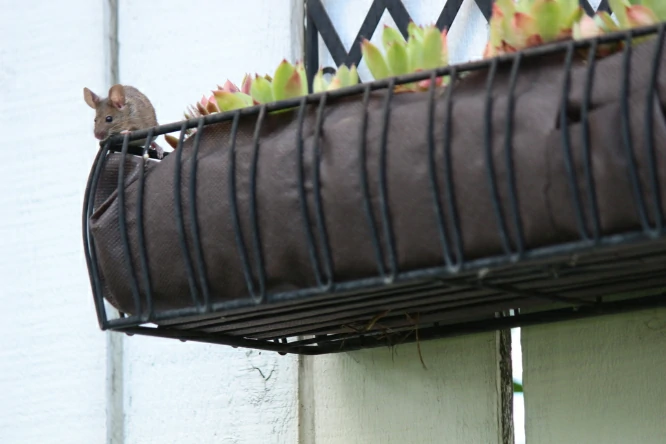
You’ve invested time and effort into building raised garden beds for your vegetables, and the last thing you want is rats treating your garden as their personal buffet. You might be wondering if the raised design offers any protection. Can rats get into raised garden beds?
Yes, rats can easily get into raised garden beds. Rats are excellent climbers and can scale the sides of raised beds without difficulty. The height of a typical raised bed (usually 1-3 feet) doesn’t provide any real barrier to rats, and they’re often attracted to gardens because of the food, water, and shelter they provide.
Raised beds actually offer some things that rats find attractive, like loose soil for burrowing, plant cover for hiding, and easy access to vegetables, fruits, and seeds. Simply raising your garden off the ground won’t keep rats away.
Why Rats Are Attracted to Gardens
Gardens provide food in the form of vegetables, fruits, seeds, and even the insects that live in garden soil. Rats are opportunistic feeders and will eat almost anything edible.
The soil in garden beds holds moisture, which gives rats a water source. Mulch and compost stay damp, which rats particularly like.

Garden beds offer shelter with their dense plant growth, mulch layers, and the space underneath raised beds. Rats feel safe in these covered areas where they’re hidden from predators.
If you have compost near your garden, that’s like a buffet for rats. Compost piles contain food scraps, generate heat, and provide excellent nesting spots.
How Rats Access Raised Garden Beds
Rats can climb the wooden or metal sides of raised beds easily. Their claws and flexible bodies let them scale vertical surfaces, and 1-3 feet of height is nothing to a rat.
They can also dig underneath raised beds if the beds sit directly on the ground. Rats will create tunnels under and around the beds to access them from below.
Some raised beds have gaps between boards or at the corners where two sides meet. Rats will squeeze through these gaps without needing to climb over the sides.
If you have trellises, stakes, or other vertical structures in your garden, rats will use these as ladders to climb up and access your plants.
Signs That Rats Are in Your Garden Beds
Missing vegetables or fruits are an obvious sign, especially if they disappear overnight. Rats will eat tomatoes, squash, berries, and other produce right off the plants.
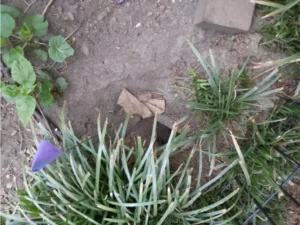
You might see holes dug in the soil, especially near the edges of beds or around plant bases. Rats dig to find insects, create burrows, or bury food they’re storing.
Gnaw marks on vegetables, fruits, stakes, or the sides of raised beds show that rats have been feeding or exploring. The marks look like small parallel grooves from their teeth.
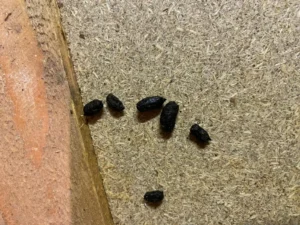
Rat droppings in or around your garden beds are a clear indicator. The droppings are dark brown or black, about the size of a raisin, and often found along their travel paths.
You might see runways or paths in mulch or between plants where rats travel regularly. These are worn paths with the vegetation pushed down or cleared away.
The Problem With Raised Beds and Rat Shelter
The space underneath raised beds creates a perfect hiding spot for rats. It’s protected from weather and predators, dark, and usually undisturbed.
If your raised beds sit on legs or blocks with a gap underneath, this space becomes prime real estate for rats to nest. They can live right under your garden and raid it whenever they want.
Raised beds with thick mulch layers give rats additional cover. They can burrow into the mulch or hide under it during the day, then come out to feed at night.
The boards or materials used to build raised beds can develop gaps or rot over time, creating even more hiding spots and entry points that rats will exploit.
Do Metal Raised Beds Keep Rats Out Better Than Wood
Metal raised beds don’t offer significantly more protection from rats than wooden ones. Rats can climb metal just as easily as wood.
The smooth surface of metal might seem like it would be harder to climb, but rats have no trouble with it. They’ll use their claws and tail for balance.
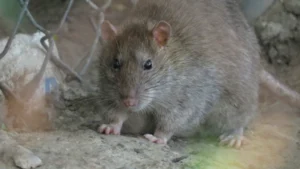
Metal beds might have fewer gaps and cracks than wooden beds, which could eliminate some hiding spots, but rats can still access the beds from the top by climbing.
The main advantage of metal is that rats can’t chew through it, so you won’t have damage to the bed structure itself. But this doesn’t stop rats from getting into the garden.
Can You Make Raised Beds Rat-Proof
You can install hardware cloth (metal mesh with small holes) on the bottom of raised beds before filling them with soil. This prevents rats from digging up into the beds from below.
The hardware cloth needs to extend up the inside walls of the bed about 6 inches to prevent rats from digging down from the top edge and getting under the barrier.
For beds on legs, you can attach metal collars around each leg. These smooth, wide bands make it harder for rats to climb up the legs to reach the bed.
A complete enclosure with mesh on all sides and the top can keep rats out, but this is impractical for most garden beds and makes it hard for you to tend your plants.
Better Strategies for Keeping Rats Away From Gardens
Remove other attractants from your yard. Don’t leave pet food outside, keep garbage in sealed containers, and clean up fallen fruit from trees.
Eliminate hiding spots around your garden area. Clear away brush piles, thick vegetation, and stored materials that rats could nest in.

Keep your compost bin sealed and maintained properly. Use a bin with a lid rather than an open pile, and avoid adding meat, dairy, or oily foods that especially attract rats.
Water your garden in the morning rather than evening. This gives the soil time to dry out during the day, making it less attractive to rats that prefer damp areas.
Plants That Might Discourage Rats
Mint plants have a strong smell that some people say rats dislike. Plant mint around the edges of your garden beds, though results vary and this isn’t a guaranteed solution.
Daffodils and alliums (onion family plants) are toxic to rats. While rats might avoid eating them, this won’t necessarily keep rats out of your garden entirely.
Strong-smelling herbs like lavender, rosemary, and sage might help deter rats, but again, don’t rely on this as your only strategy.
The truth is that no plant is going to completely keep rats away if your garden offers food, water, and shelter. Plants might help as part of a larger strategy but aren’t a solution by themselves.
What to Do If Rats Are Already in Your Beds
Remove rats’ food sources by harvesting produce as soon as it’s ripe. Don’t leave overripe vegetables or fallen fruit in the garden.
Reduce mulch depth to eliminate thick layers where rats can hide. A thin layer of mulch is fine, but 3-4 inches of thick mulch provides too much cover.
Set snap traps around the perimeter of your garden beds. Place them along walls, fences, or in corners where rats travel.
Check traps daily and dispose of caught rats promptly. Keep setting traps until you don’t catch any more rats for at least a week.
The Role of Garden Design in Rat Prevention
Keep raised beds away from structures like fences, walls, and buildings. Rats prefer to travel along edges, so beds placed in open areas are less attractive.
Don’t crowd your beds together. Space between beds makes it harder for rats to move unseen and removes some of the cover they seek.
Consider using taller beds (3 feet or higher) on legs with metal collars. While this won’t completely stop rats, it does make access slightly harder.
Keep the area around your beds clear and tidy. A clean, open space around your garden beds gives rats fewer places to hide and makes them more visible to predators.
Using Traps and Bait Stations Near Gardens
Place snap traps along the outside of raised beds, especially in corners and along the sides closest to structures.
Bait stations can be used for poison baiting, but be extremely careful if you have pets or children. The poison needs to be secured inside a locked station that only rats can enter.

Electronic traps that deliver a quick shock can be effective if placed near garden beds. These are safer than poison if you have pets.
Check and maintain all traps regularly. Traps that aren’t checked become ineffective and can create more problems if injured rats escape.
Why Poison Isn’t Always the Best Choice for Gardens
Poisoned rats often die in hidden places like under your raised beds or in nearby bushes. This creates a smell problem and attracts flies.
Poison can affect other wildlife that eat the poisoned rats or eat the poison directly. This includes birds, neighborhood cats, and beneficial predators.
If you grow food in your garden, you need to be very careful about using poison nearby. You don’t want any contamination of your vegetables.
Poison doesn’t work immediately, so rats will continue eating your garden for days after consuming the bait. Traps give you faster results.
The Connection Between Yard Maintenance and Rat Problems
A messy yard attracts rats, and they’ll naturally move into your garden beds if they’re already in your yard.
Keep grass mowed and vegetation trimmed back. Rats don’t like being exposed in open areas, so short grass makes your yard less attractive to them.

Store firewood, building materials, and other items off the ground and away from your house. Stacked materials create perfect rat nesting sites.
Fix any water leaks from hoses, sprinklers, or outdoor faucets. Standing water and drips attract rats looking for water sources.
Natural Predators and Garden Rats
Encouraging predators like hawks, owls, and snakes can help control rat populations naturally. Provide perches or nest boxes for birds of prey.
If you have outdoor cats, they might help control rats around your garden. But cats can also dig in garden beds and might not be compatible with your gardening goals.
Dogs can deter rats with their presence and scent, though most dogs aren’t actually effective rat hunters. The disturbance of having a dog around does help though.
Don’t rely solely on predators to solve a rat problem. They help, but they won’t eliminate an established rat population on their own.
Season-Specific Rat Garden Problems
Fall is prime time for rat activity in gardens. They’re looking for food to store for winter and seeking warm places to nest as weather cools.
Spring brings rats into gardens looking for fresh greens, seeds you’ve just planted, and insects in the warming soil.
Summer gardens with ripe produce are extremely attractive to rats. The combination of food, water from irrigation, and shelter from hot sun makes gardens very appealing.
Winter activity depends on your climate, but in mild areas, rats stay active year-round and your garden remains a target.
Protecting Specific Crops From Rats
Tomatoes are particularly vulnerable because rats love them. Consider growing tomatoes in containers that you can place in more protected areas, or use individual plant cages.
Root vegetables like carrots and potatoes can be damaged by rats digging in the soil to reach them. Harvesting promptly and not leaving vegetables in the ground too long helps.
Squash and melons sitting on the ground are easy targets. Use platforms or straw to lift them off the soil, which makes them slightly less accessible.
Strawberries and other berries should be harvested daily when ripe. Don’t let them sit on the plants or fallen on the ground where rats can easily get them.
When to Call Professional Pest Control
If you’ve tried trapping and prevention methods but rats keep coming back, professionals have more tools and experience to solve the problem.
Large rat populations need professional intervention. If you’re catching multiple rats every day, you have a serious infestation that might be too big for DIY methods.

If you’re not comfortable handling traps or dealing with caught rats, professionals will do all of this for you.
Pest control companies can identify exactly where rats are coming from and nesting, which helps solve the problem at its source rather than just treating symptoms.
Conclusion
Rats can easily get into raised garden beds by climbing the sides, digging underneath, or squeezing through gaps. The raised design doesn’t provide any real protection against these agile and determined animals.
The best approach to protecting your raised garden beds is a combination of strategies: eliminate attractants, maintain your yard and garden area properly, use barriers like hardware cloth on bed bottoms, trap rats actively when they appear, and harvest produce promptly.
Your garden will always be somewhat attractive to rats because it provides food, water, and shelter. The key is making your garden less attractive than other options and staying on top of rat control so problems don’t get out of hand.

Hi, my name is Ezra Mushala, i have been interested animals all my life. I am the main author and editor here at snakeinformer.com.