

Your oven seems like a secure appliance. It’s built to contain intense heat, has solid construction, and the door stays closed most of the time.
But if you’ve heard sounds coming from your oven or noticed droppings near your stove, you might be wondering about something disturbing. Can rats get into ovens?
Yes, rats can get into ovens through several entry points. They commonly enter from behind or underneath the stove where there are gaps around gas lines, electrical connections, and ventilation. Once inside the insulation layer between the oven walls, rats can nest and cause significant damage. They can even access the drawer beneath the oven or enter through gaps in the back panel.
The idea of rats in your oven is unsettling, but it happens more often than most people realize.
Ovens aren’t designed to be rodent-proof, and the warmth and shelter they provide make them attractive to rats looking for a safe place to nest.
How Rats Access Ovens
Rats have several routes they can use to get into your oven, and most of these don’t involve the oven door at all.
Entry from behind the stove is the most common access point. Your stove isn’t flush against the wall. There’s typically a gap of a few inches between the back of the stove and the wall.
Rats travel along walls and can easily slip into this gap. Once there, they find openings where the gas line or electrical cord enters the stove.
These openings are usually large enough for rats to squeeze through, and they lead directly into the interior structure of the stove.

Access from underneath the stove is another major entry route. Most stoves sit slightly elevated on feet or a base, leaving a gap underneath.
Rats crawling along the floor can squeeze under the stove and find their way up into the stove’s interior. The bottom panel of many stoves has ventilation holes or isn’t completely sealed, giving rats access to the space between the outer and inner oven walls.
The storage drawer or warming drawer at the bottom of many ranges provides an easy access point. These drawers often have gaps around them or don’t seal completely.
Rats can get into the drawer and then chew through thin metal or find existing gaps to access the oven’s insulation layer and internal spaces.
Gaps in the back panel of the stove create entry points. The back of your stove has various openings for controls, vents, and components.
Some of these openings lead to hollow spaces inside the stove where rats can nest. If any seals or covers are missing or damaged, rats can get in more easily.
Self-cleaning ovens have ventilation systems that need air intake and exhaust. These vents might provide pathways for rats to access interior spaces if screens are damaged or if openings aren’t properly sealed.
Why Rats Are Attracted to Ovens
Ovens offer several things that make them appealing to rats looking for shelter or nesting sites.
Residual heat makes ovens attractive, especially in colder months. Even when your oven isn’t on, it might retain some warmth for hours after use.
The insulation designed to keep heat inside the cooking chamber also keeps the surrounding spaces warmer than other parts of your home. Rats seeking warmth are naturally drawn to these warm spaces.
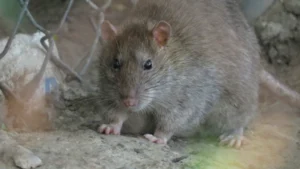
The insulation between the oven walls provides perfect nesting material and spaces. Most ovens have insulation (fiberglass or other materials) between the inner cooking chamber and the outer shell.
This insulation creates a layer that’s soft, warm, and hidden. Rats will burrow into this insulation to create nests. The space is protected, quiet, and feels secure to a rat.
Food smells from cooking attract rats to the kitchen area. Even though rats can’t get to the food inside the sealed cooking chamber, the smells that permeate your kitchen during and after cooking draw rats to investigate the area.
Once they’re in your kitchen, they explore and might discover that your oven offers good shelter.
Protection from predators and people makes oven spaces appealing. The interior structure of your stove is dark, enclosed, and rarely disturbed.
Unlike cabinets that you open frequently, the spaces inside your oven walls are accessed so rarely that rats can live there relatively undisturbed.
Proximity to food sources is a factor. Your oven is in the kitchen where food is prepared and stored.
Even if rats nest in your oven, they can easily emerge to forage for crumbs, access cabinets, or investigate trash. The location is convenient for their needs.
Signs That Rats Are in Your Oven
Rats living in or around your oven leave several telltale signs.
Droppings near or behind the stove are the most obvious indicator. Rat droppings are dark brown or black, capsule-shaped, and about three-quarters of an inch long.
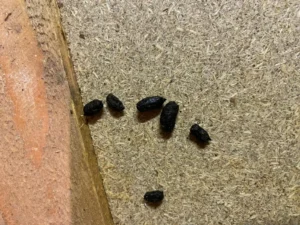
You’ll often find them behind the stove, along the floor near the stove, or inside the storage drawer if your oven has one.
Scratching or rustling sounds coming from inside the stove are clear signs of rat activity. These sounds are most noticeable at night when rats are active and your house is quiet.
The sounds come from inside the stove rather than from the cooking chamber, often from the sides, back, or bottom.
Chewed wiring or damaged components can indicate rat presence. If your oven starts malfunctioning or if you notice electrical problems, rats might have chewed through wiring inside the stove. Damaged wiring is a serious fire hazard.
A musky or unpleasant odor coming from your stove suggests rats have been living there.
Rats have a distinctive smell, and their urine and droppings create additional odors. The smell gets stronger over time as the infestation grows.
Visible damage to insulation or internal components shows rats have been burrowing and nesting.
If you look behind or under your stove and see torn insulation, disturbed materials, or obvious damage, rats have likely been nesting there.
Grease marks or smudge marks on the sides or back of the stove show rat travel routes.
Rats have oily fur that leaves dark streaks on surfaces they repeatedly rub against. These marks appear along common pathways rats use to access the stove.
Strange behavior when you turn on the oven might indicate rats inside.
If you hear unusual sounds, smell burning odors that aren’t from food, or if your oven acts oddly when heating up, rats or their nesting materials might be interfering with the oven’s operation.
Dangers of Rats in Ovens
Having rats in your oven creates several serious hazards beyond just being unpleasant.
Fire risk is the most serious danger. Rats chew on wiring and can damage the electrical system that controls your oven. Exposed wires can short circuit or spark, potentially starting a fire.
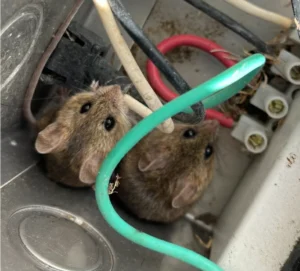
Additionally, nesting materials that rats bring into the oven can catch fire when the oven heats up. If nesting materials are near heating elements or in ventilation paths, they can ignite.
Electrical malfunctions make your oven unsafe to use. Chewed wiring disrupts the oven’s controls and can cause the oven to heat improperly, fail to shut off, or behave unpredictably.
Using an oven with damaged wiring is dangerous and could result in electrical shock or fire.
Contamination of your cooking area is a health concern. While rats can’t get into the sealed cooking chamber when the door is closed, their presence in the surrounding structure means you’re cooking very close to rat droppings, urine, and nesting materials.
If the oven ventilation system draws air from contaminated areas, particles could potentially enter your cooking space.
Structural damage to the oven reduces its lifespan and safety. Rats chewing through insulation, wiring, gas lines (in gas ovens), and other components can cause expensive damage.
The oven might need major repairs or even replacement if the damage is extensive.
Gas leaks are a risk in gas ovens. If rats damage gas lines or connections, gas can leak into your home. This creates both a fire/explosion hazard and a risk of carbon monoxide poisoning.
If you smell gas near your stove or oven, turn off the gas supply immediately and call professionals.
Disease transmission is always a concern with rats. Rat droppings and urine can carry diseases that affect humans. Even though rats aren’t directly in your food, the proximity of contamination to where you cook is concerning.
Getting Rats Out of Your Oven
If you’ve discovered rats in or around your oven, you need to address the problem carefully and thoroughly.
Stop using the oven immediately if you suspect rats are inside. Using the oven could harm rats trapped in the structure (creating terrible smells), start fires from nesting materials, or cause electrical problems from damaged wiring. Safety comes first.
Pull the stove away from the wall so you can access the back and sides. You’ll need to disconnect the power (or gas line if it’s a gas stove) first.
If you’re not comfortable doing this, call a professional. Once the stove is pulled out, you can inspect for entry points and signs of rats.
Look for droppings, nesting materials, damaged insulation, chewed wires, or other evidence of rats. Check around gas lines and electrical connections for gaps that rats could use to enter. Inspect the bottom and back panels of the stove carefully.
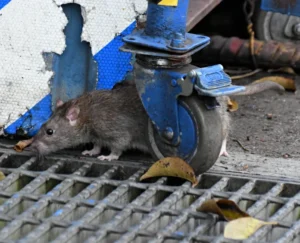
Set traps to catch rats that are currently using your oven as a nest. Place snap traps along the walls behind and beside the stove. Bait them with peanut butter.
Check traps daily and reset as needed. Continue trapping until you’ve gone several days without catching anything.
Seal entry points once you’re confident rats are gone. Use steel wool to stuff gaps around gas lines, electrical connections, and any other openings.
Cover the steel wool with caulk or expanding foam. Rats can chew through caulk or foam alone, but they can’t chew through steel wool.
Have a professional inspect your oven for damage before using it again. An appliance repair technician can check for chewed wiring, damaged gas lines, compromised insulation, and other problems. Don’t assume the oven is safe just because you’ve removed the rats.
Clean and disinfect the area thoroughly. Wear gloves and use a bleach solution or commercial disinfectant to clean all surfaces where rats have been.
Don’t sweep or vacuum rat droppings, as this spreads disease particles. Spray the area with disinfectant, let it sit, then wipe everything with disposable paper towels.
Consider professional pest control if you can’t solve the problem yourself. Rats in appliances can be tricky to eliminate completely, and professionals have experience and tools that make the job easier and more effective.
Preventing Rats From Getting Into Your Oven
Once you’ve dealt with rats in your oven, focus on preventing them from returning.
Seal all gaps around your stove properly. The openings where gas lines and electrical cords enter should be sealed with steel wool and caulk.
Check the bottom of the stove and seal any gaps or ventilation holes that rats could use to access interior spaces.
Keep the area behind your stove clean. Pull your stove out periodically and clean behind it. Vacuum up crumbs and debris. Rats are less interested in areas that are clean and offer no food sources.
Use stove gap covers. These flexible plastic or silicone strips fit between your stove and counter, preventing crumbs and debris from falling into the gap beside your stove.
While these don’t directly prevent rats, they reduce food sources and make the area less attractive.
Store food properly throughout your kitchen. Keep all food in sealed containers made of glass, metal, or heavy plastic. Don’t leave food sitting out overnight.
Clean up crumbs and spills immediately. If rats can’t find food easily in your kitchen, they’re less likely to explore the area thoroughly.
Block the gap between your stove and the wall. While you need some space for gas and electrical connections, you can reduce the gap to make it less inviting.
Some people use metal screens or mesh behind their stoves to block rat access while still allowing for necessary connections.
Address rat problems in your home comprehensively. If rats are getting into your oven, they’re probably in other parts of your home too.
Find and seal entry points where rats are entering your house. Set traps in areas where you see activity. Eliminate food sources throughout your home.
Keep your storage drawer or warming drawer clean and closed. Don’t use this drawer to store food, and clean it regularly. A clean, empty drawer is less attractive to rats.
Conclusion
Rats can definitely get into ovens, usually by entering from behind or underneath the stove where there are gaps around connections and components.
Once inside the insulation layer and interior structure, rats can nest and cause serious damage including fire hazards from chewed wiring and contamination of the cooking area.
If you discover rats in your oven, stop using it immediately, pull it out to inspect for damage and entry points, set traps to eliminate rats, and have a professional check the oven before using it again. Seal all entry points with steel wool and caulk to prevent rats from returning.
Prevention is key. Keep the area around your stove clean, seal gaps properly, address rat problems throughout your home, and maintain your oven and kitchen to reduce attractants.
The combination of proper exclusion and good sanitation will keep rats out of your oven and protect both your appliance and your family’s safety.

Hi, my name is Ezra Mushala, i have been interested animals all my life. I am the main author and editor here at snakeinformer.com.